
Pupin Forum in Washington: Serbia confirms its strategic partnership with the United States
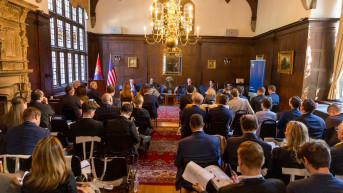
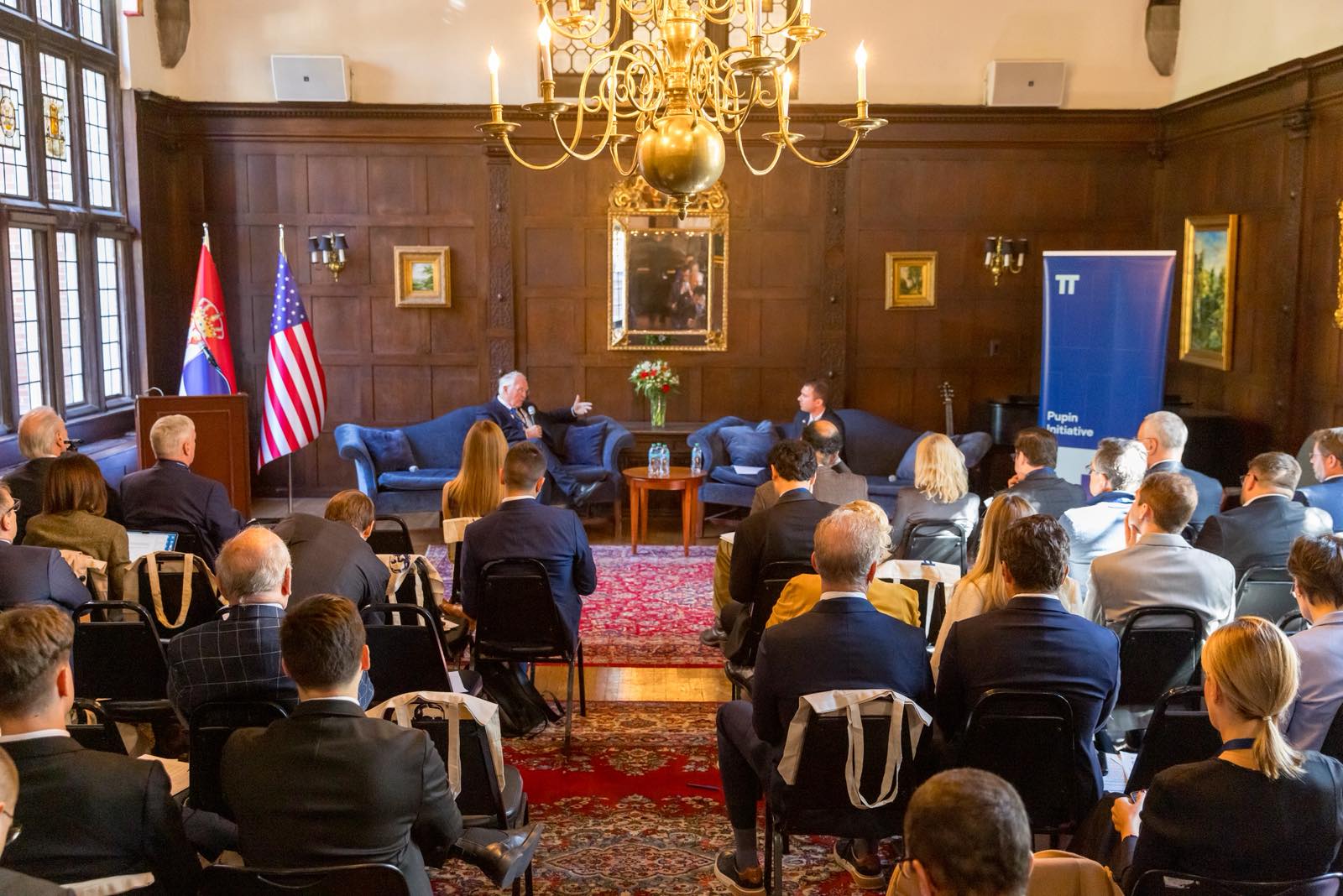
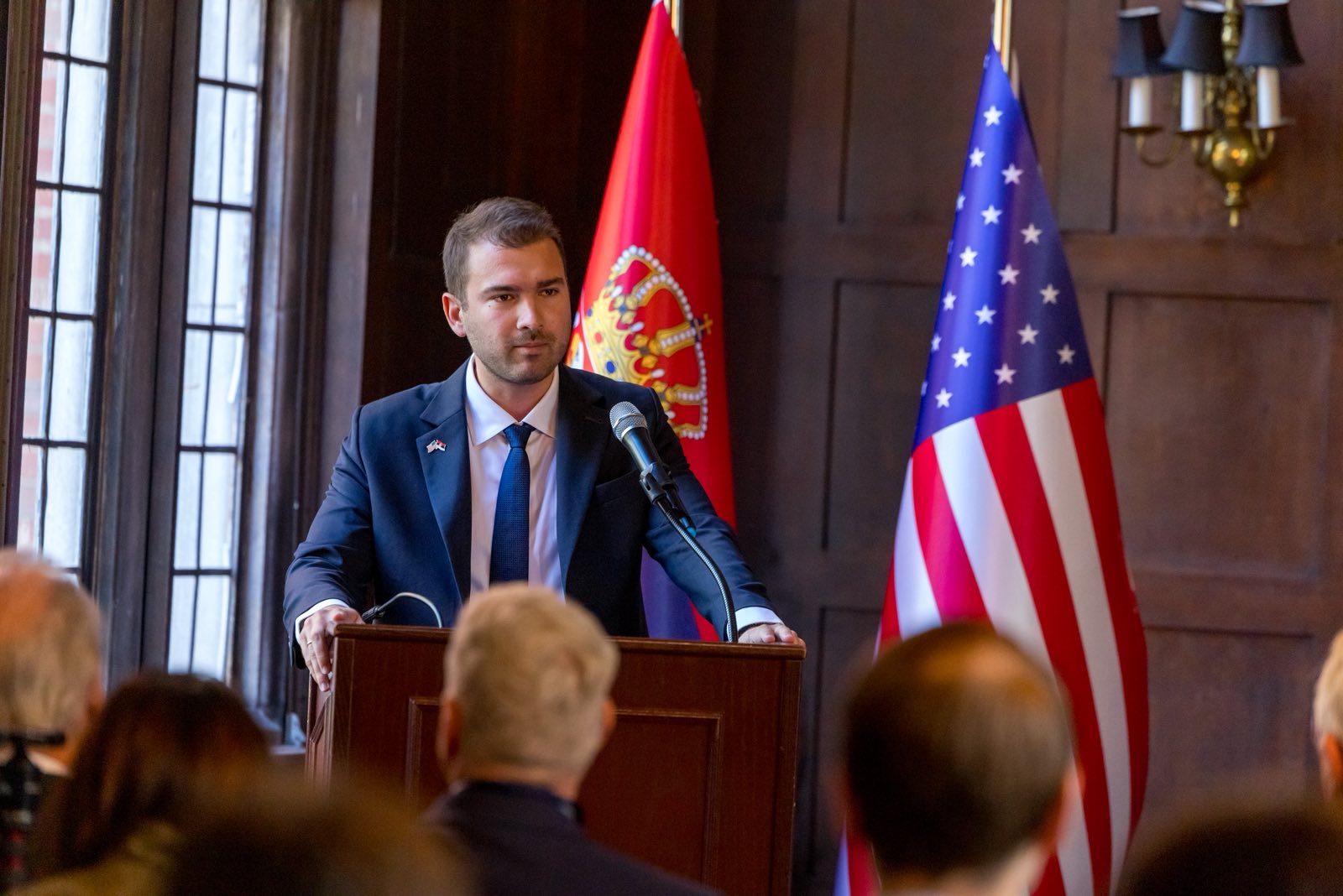
The second Pupin Forum, organized by the Pupin Initiative, was held in Washington, gathering over 100 diplomats, U.S. officials, business leaders, and foreign policy experts. Under the theme “Strategic Anchoring: Serbia, the U.S., and the Future of a Connected, Secure, and Open Eastern Europe,” the forum reaffirmed Serbia’s position as a key and credible partner of the United States.
Discussions focused on three main pillars — security, energy, and economic modernization of Eastern Europe, according to the Pupin Initiative’s statement.
Through open dialogue and strategic foresight, participants emphasized that Serbia’s integration into Western frameworks is no longer a matter of aspiration but of strategic necessity.
The Pupin Initiative reaffirmed its key role as a bridge between Serbia and the United States — a platform uniting diplomacy, business, and academia.
The forum’s central message was that small states like Serbia remain relevant in today’s world — and that strategic connectivity is their best path to success.



Hill: America Recognizes Serbia’s Strategic Role in the Region
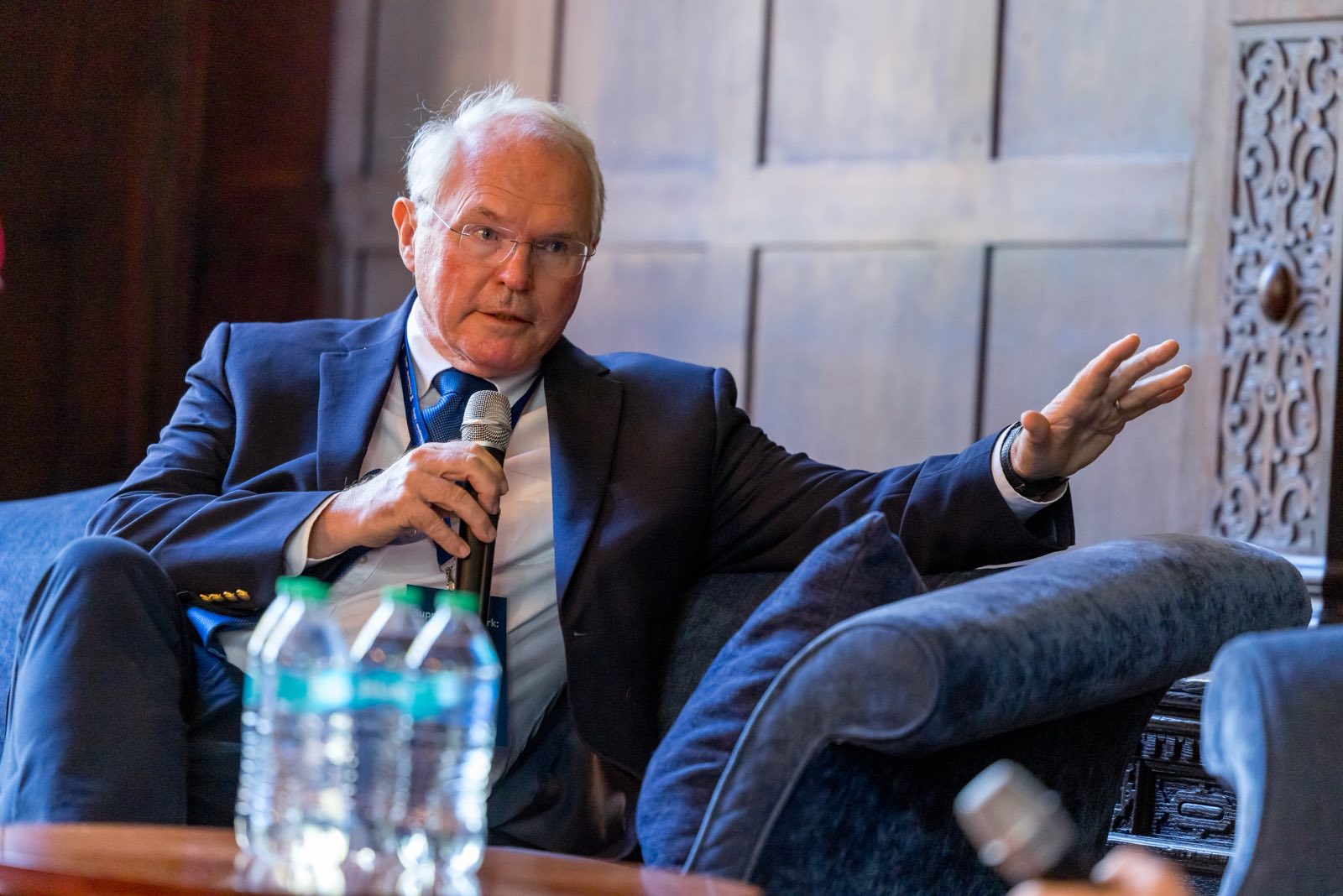
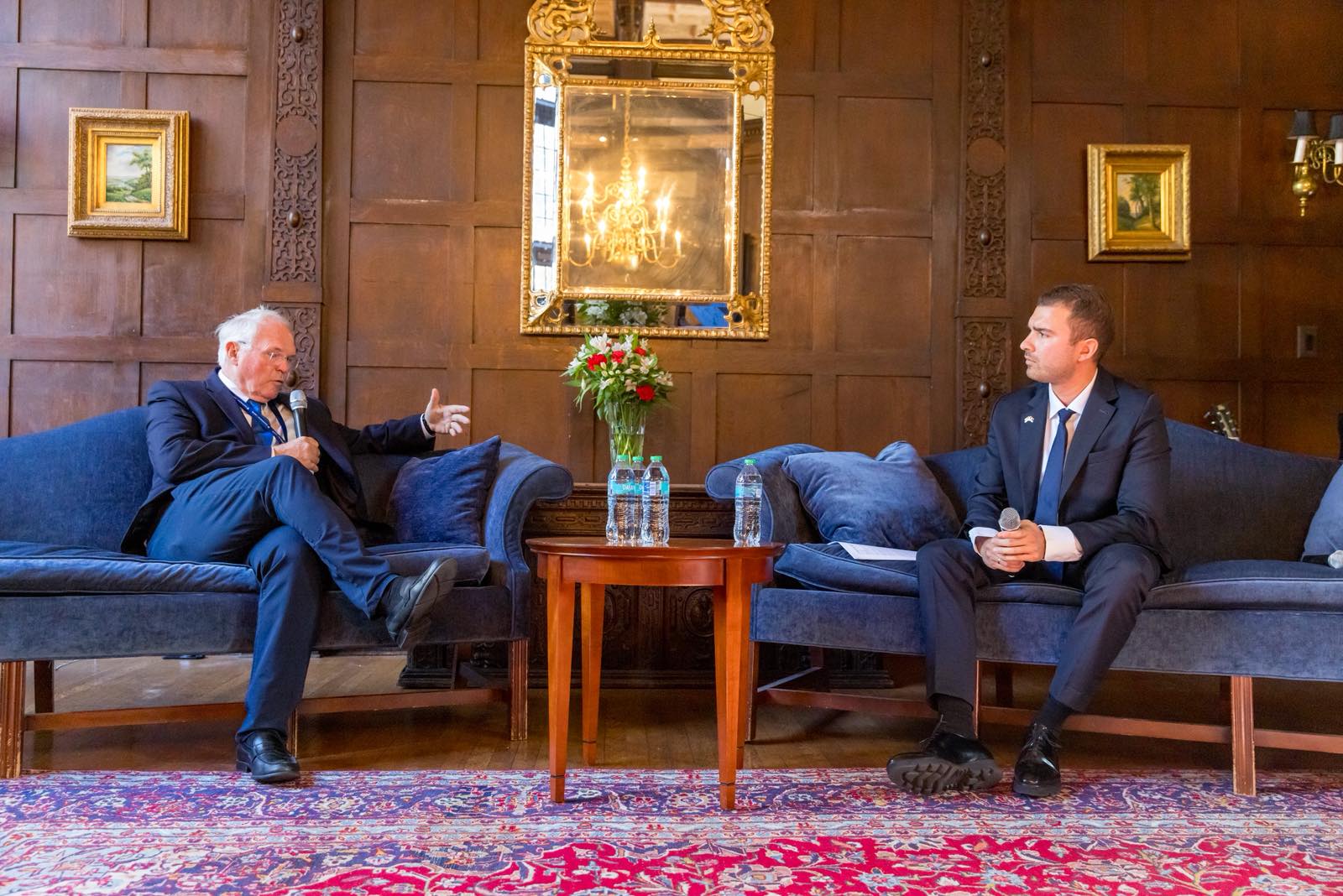
Former U.S. Ambassador to Serbia Christopher Hill, who this summer became a senior advisor to the Pupin Initiative, noted that Serbia has made significant progress over the past two and a half decades and that the period of wars and crises should not be viewed as a burden, but as an opportunity for the country to project confidence and strengthen its regional ties.
“The view of Serbia through the lens of 1999 is no longer relevant,” Hill emphasized, adding that the era in which America played the role of “Big Brother” is over. Today, top U.S. officials recognize Serbia’s strategic role in the region — whether in energy, the economy, or maintaining stability.
Hill praised Serbia’s support for Ukraine, describing it as a strategic choice that directs Serbia toward the West and demonstrates that it stands on the right side of history.
“The European Union and the U.S. have a duty to help Serbia gain the attention and support it deserves, while education and mobility are its best chances for deeper integration into the Western world,” Hill stated.
In conversation with Pupin Initiative founder Vuk Velebit, Hill stressed that energy must serve as a driver of economic growth, not a source of dependency. He underlined that Serbia should become part of an integrated European energy system — “from the hilly Balkans to Europe’s river network” — by strengthening transparency and institutional predictability.
Small States Matter — Connectivity Is the Key to Success
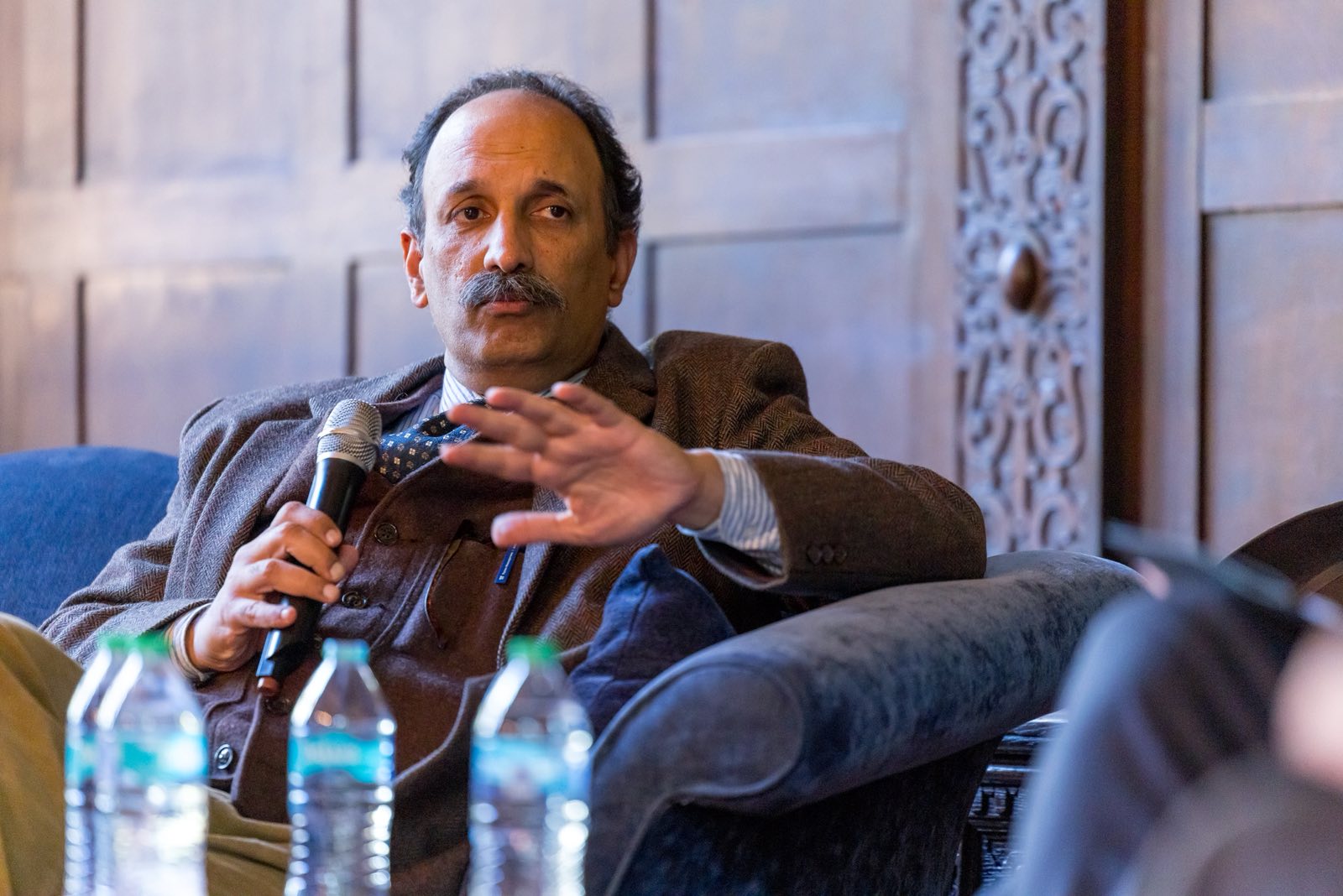
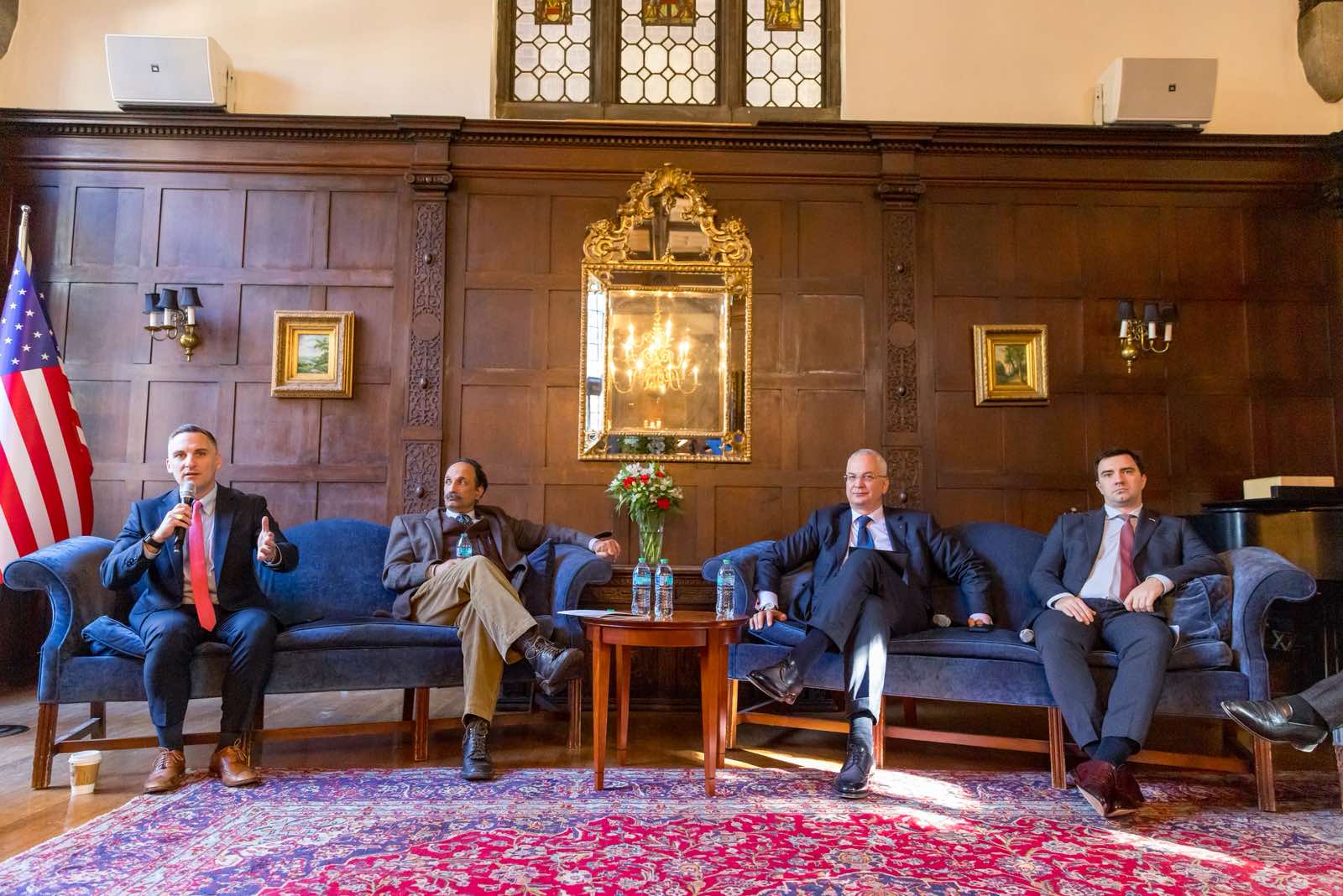
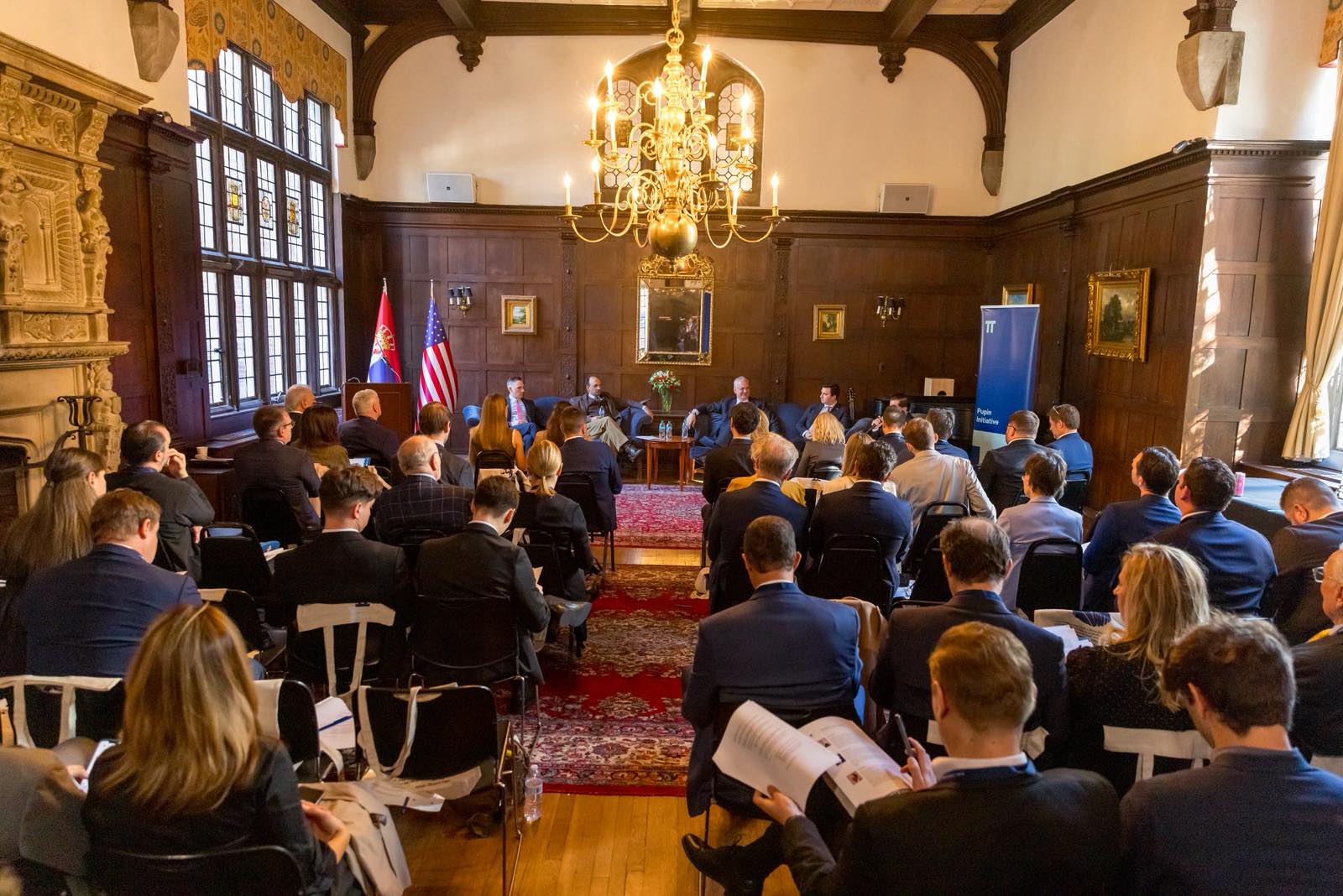
The second panel brought together leading figures from diplomacy, business, and politics — including Pupin Initiative Senior Advisor Cash Areha, Serbian Ambassador to the U.S. Dragan Sutanovac, Legislative Director and National Security Advisor to Congressman Eric Swalwell, Benjamin Barnett, and Tim Doscher, CEO of Unleash Prosperity.
The panel examined Serbia’s role in the new European economic and geopolitical architecture — a role defined by connectivity, pragmatic diplomacy, and the ability to attract investment through reliability and reform. Connectivity, energy diversification, and institutional transparency were identified as prerequisites for economic growth and regional stability.
Areha emphasized that small countries become relevant when they act strategically and urged Serbia to help revive trade corridors between the Black and Adriatic Seas, leveraging its position on the Danube.
Both Areha and Barnett highlighted the need for Serbia to deepen ties with countries in the wider region — especially with Romania and Poland — at a time when President Trump is demonstrating strong readiness to strengthen strategic relations with Eastern Europe. In contrast to Western Europe’s bureaucratic approach, Central and Eastern European countries are showing far greater pragmatism.
Ambassador Dragan Sutanovac confirmed that Serbia is part of the solution, pointing to growing cooperation in defense and the need for stronger public–private partnerships.
Tim Doscher praised Serbia’s skilled workforce and entrepreneurial spirit but cautioned that clear regulations and diversified partnerships are key to sustainable growth.
Participants from the U.S. and Europe agreed that Serbia is “in the right place at the right time” — a country that could become a hub of energy connectivity, diversification, and modernization in Eastern Europe.
Former U.S. Assistant Secretary of State for Energy Resources Geoffrey Pyatt emphasized the strategic importance of the LNG terminal in Alexandroupolis and planned nuclear projects in Bulgaria and Romania, which could, in the coming decade, ensure Serbia a stable and affordable energy supply.
“As capacities grow, prices fall, and energy dependence on Russia becomes a thing of the past,” Pyatt noted.
Speakers agreed that energy diversification is crucial for the region’s independence and stability.
Serbia — along with Poland and Romania — was repeatedly highlighted as one of the pillars of the future transatlantic energy architecture, with a growing role in renewable energy projects and technological innovation. Digital infrastructure, artificial intelligence, and smart grids were recognized as the next phase of regional development.
“Energy security, digital security, and information security are no longer separate domains — they form a single ecosystem,” observed Alexander Krauter, Senior Fellow at the Center for European Policy Analysis (CEPA).
Former U.S. Ambassador to Denmark and President of the America First Foreign Policy Initiative, Carla Sands — head of a leading American think tank close to President Trump — declared that “a strong Europe means a prosperous Europe, and Europe’s prosperity begins in the East.”
Ambassador Sands highlighted energy, defense, and artificial intelligence as the pillars of resilience, emphasizing that ‘America First’ means partnership, not isolation.
The panel reached a clear consensus — Eastern Europe is becoming the new engine of the transatlantic alliance’s renewal. Serbia’s potential lies in embracing reform, diversification, and innovation.
By investing in clean energy, nuclear technologies, and digital resilience, Serbia can become a hub of regional stability, a connector of energy and digital corridors, and a reliable partner in the U.S.–Europe alliance.



0 comments