
Rakovic: Letters from Patriarch Porfirije sent to the Pope and other key addresses can contribute to the survival of Serbs in Kosovo
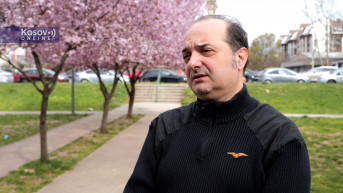
Historian Aleksandar Rakovic tells Kosovo Online that the letter sent by Serbian Patriarch Porfirije to Pope Leo XIV, pointing to the consequences that the implementation of the Law on Foreigners would have for the Serb people in Kosovo, as well as letters sent to numerous statesmen, not only individually but also in synergy, can yield results, as they represent a global appeal by Patriarch Porfirije to the most important addresses in the world.
Rakovic notes that Patriarch Porfirije sent about ten personalized letters, the content of which is such that each recipient is first reminded of the relations between the Serb people and those states or leaders, and what a specific state or leader could do to improve the position of the Serb people in Kosovo and protect Serbs there, and that the letter sent to the Pope is part of that effort.
“When all of this is taken together, it can only contribute to ensuring that Serbs remain in Kosovo and Metohija, and this move by Patriarch Porfirije should be praised, because he did not want to leave anything to chance, but to do everything we can,” Rakovic said.
He points out that Roman Catholic Albanians in Kosovo make up about two percent and represent the elite of that society, but at the same time recalls that the hierarchy of the Roman Catholic Church among Albanians in Kosovo and Metohija in the past took a very radical stance against the Serbian Orthodox Church and Serbian holy sites there.
“They intended to appropriate Serbian medieval shrines and present them as their own. That campaign has lasted for decades, and it became particularly intensified after NATO entered Kosovo and Metohija and the occupation of the southern Serbian province,” he said.
However, he adds that the Vatican played a positive role regarding the key issue of Kosovo not being admitted to UNESCO and thus not being able to claim the four largest Serbian shrines in Kosovo and Metohija, and later others as well.
“Given the positive role the Vatican played at that time, it is natural to continue appealing to them to protect Serbian, Orthodox, Christian shrines in Kosovo and to influence the Albanian church hierarchy there to spread as few untruths as possible about those churches being theirs and allegedly taken over by Serbs in the Middle Ages. Considering those positive experiences with UNESCO and the positive role that Pope Francis had when he halted the canonization of Alojzije Stepinac, it seems to me that this contributed to Patriarch Porfirije writing to the new Pope as well, to remind him of the facts and in the belief that this letter, specifically to him, could help curb Albanian claims to Serbian medieval shrines and discourage, at least to some extent, attempts to continue efforts to expel Serbs from Kosovo and Metohija,” Rakovic said.
As he notes, the letter to the Pope is likely also fundamentally based on the Christian roots of Kosovo and Metohija.
“Kosovo and Metohija is the Jerusalem issue of Europe. It is such a sacred issue that there is no more sacred one. It was once the question of Constantinople, and unfortunately, it was resolved unfavorably for Orthodox Christians, but to avoid the Kosovo and Metohija issue being resolved unfavorably for us, we must do everything possible in diplomacy and remain patient, waiting for the moment when the issue will be resolved justly,” the historian believes.
As he adds, it remains to be seen what the final outcome regarding the disputed laws will be, since the situation concerning their implementation is currently frozen.
“But even such a frozen situation is better than the possibility that Albanians, in the coming months, might begin administrative expulsions of Serbs from Kosovo and Metohija,” Rakovic stressed.
0 comments