
Reform progress presented in Brussels: Serbia clearly sees Europe as its future
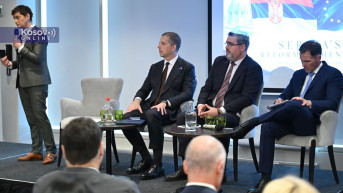
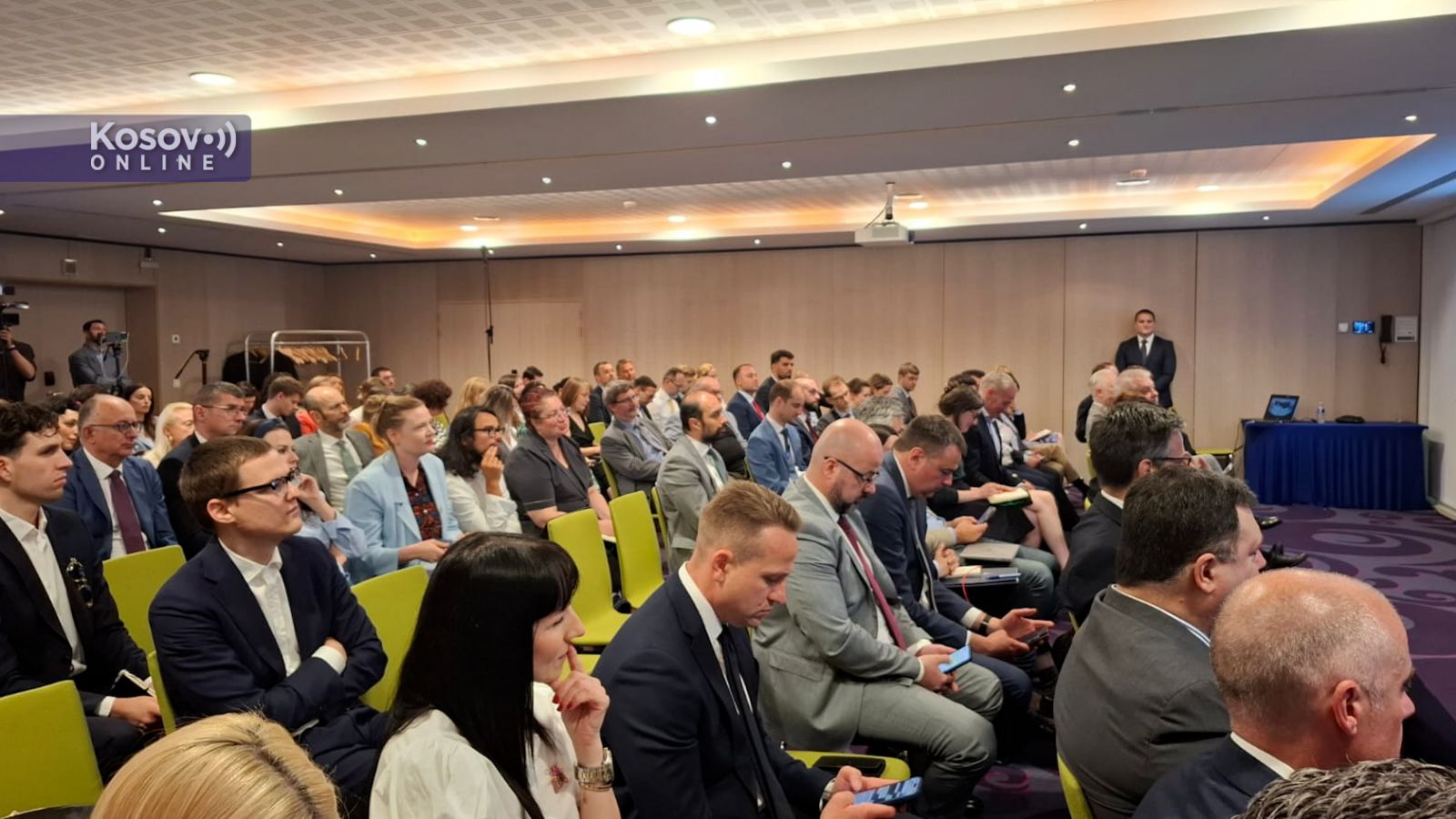
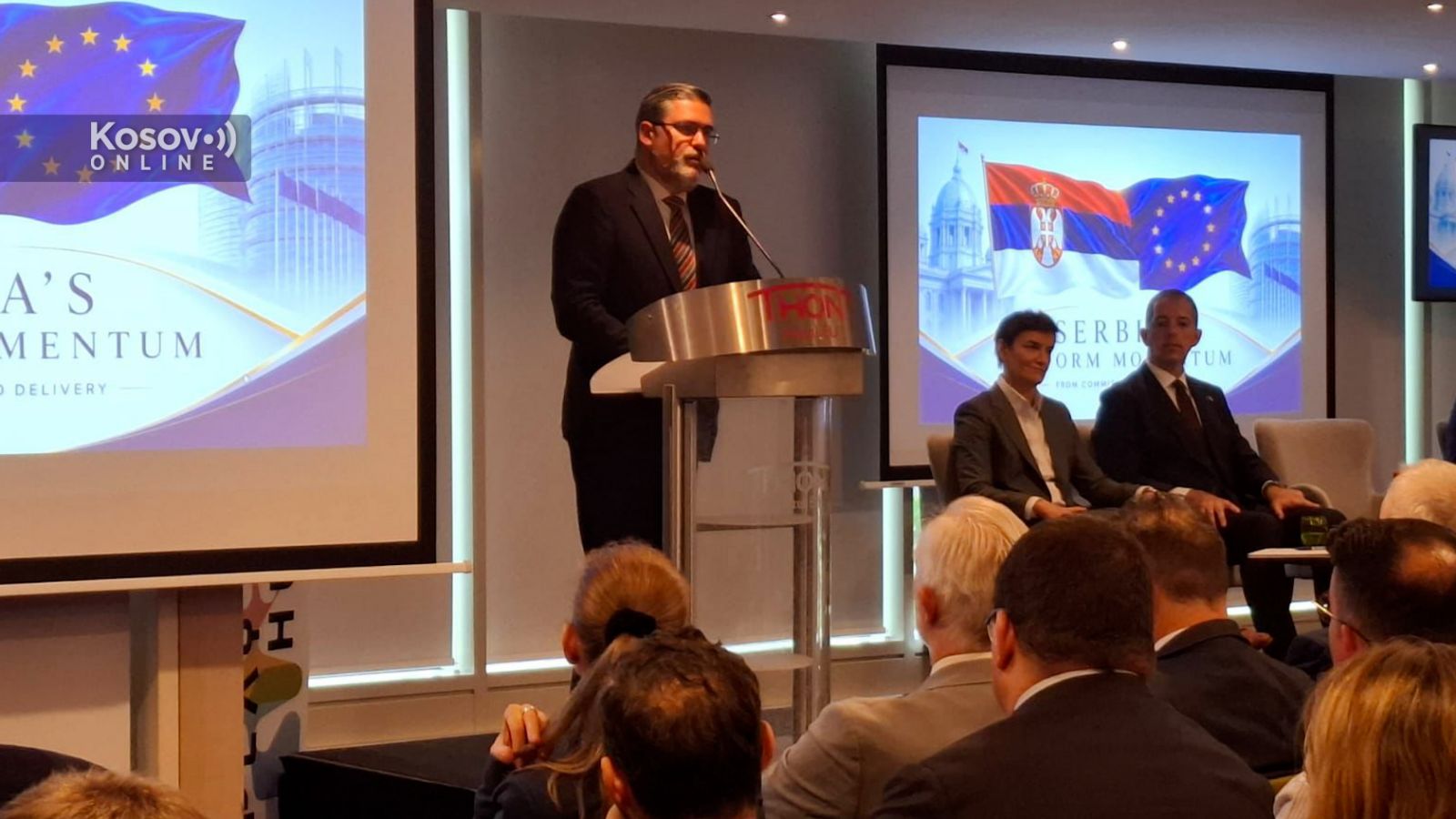
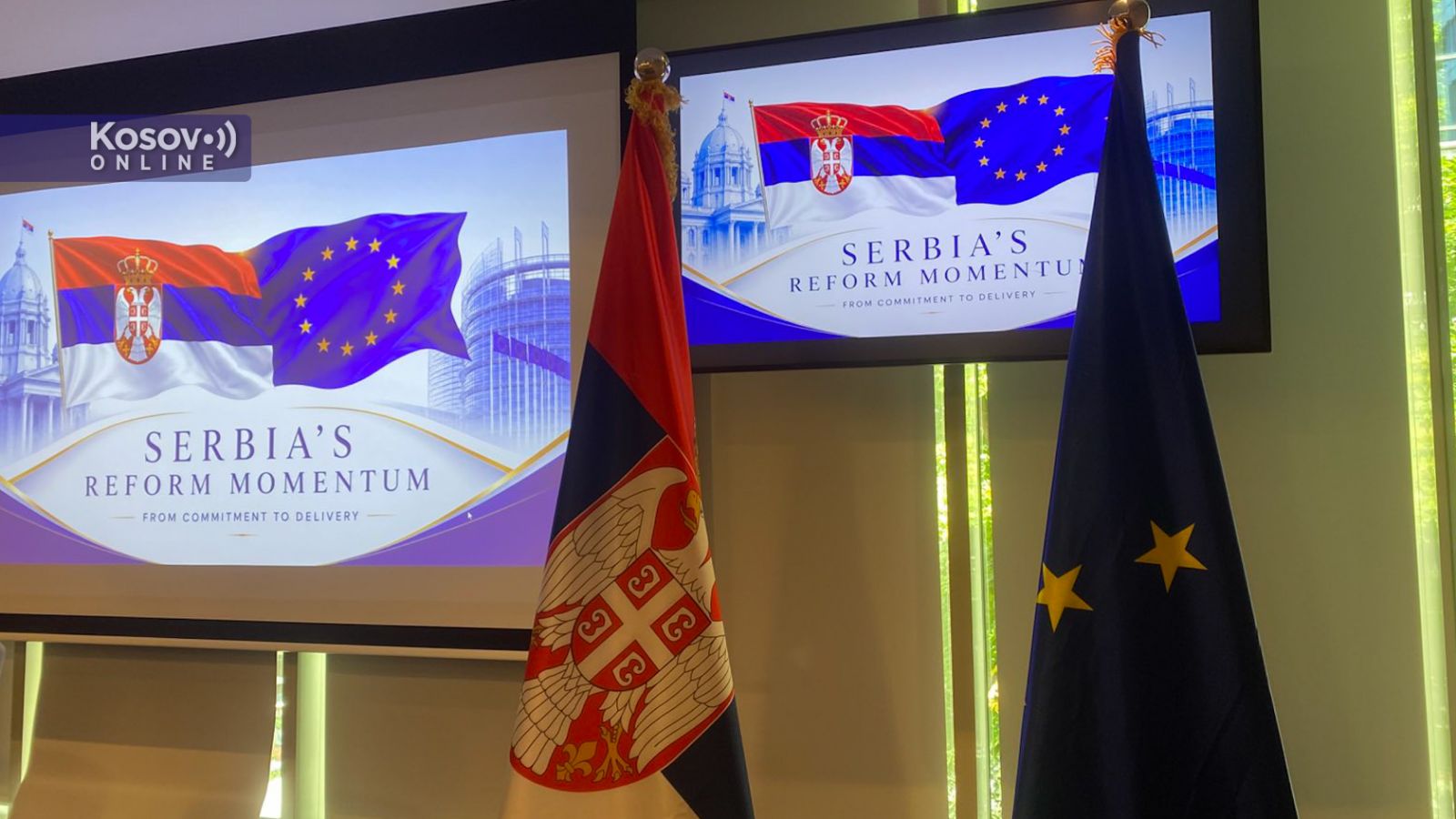
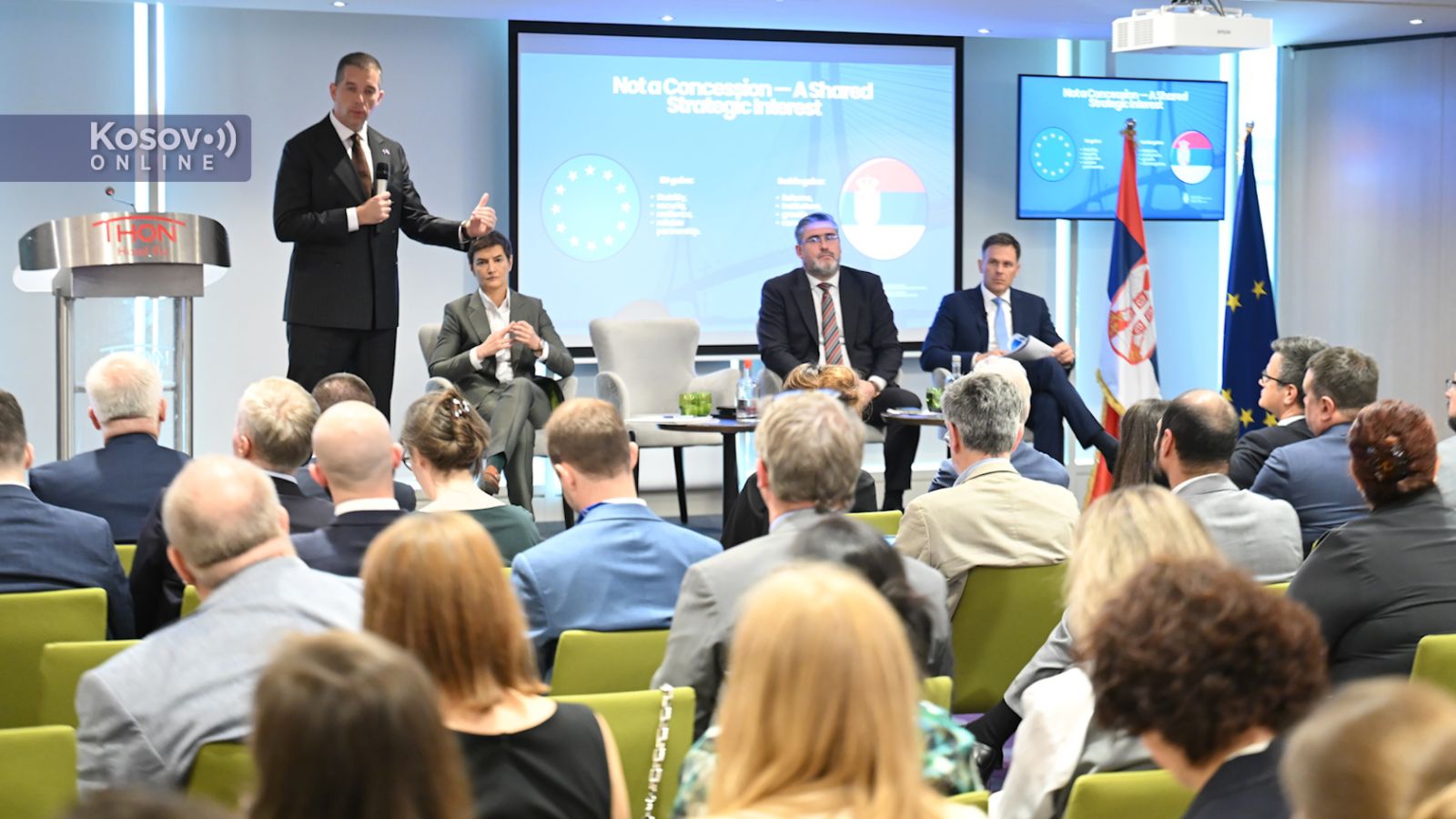
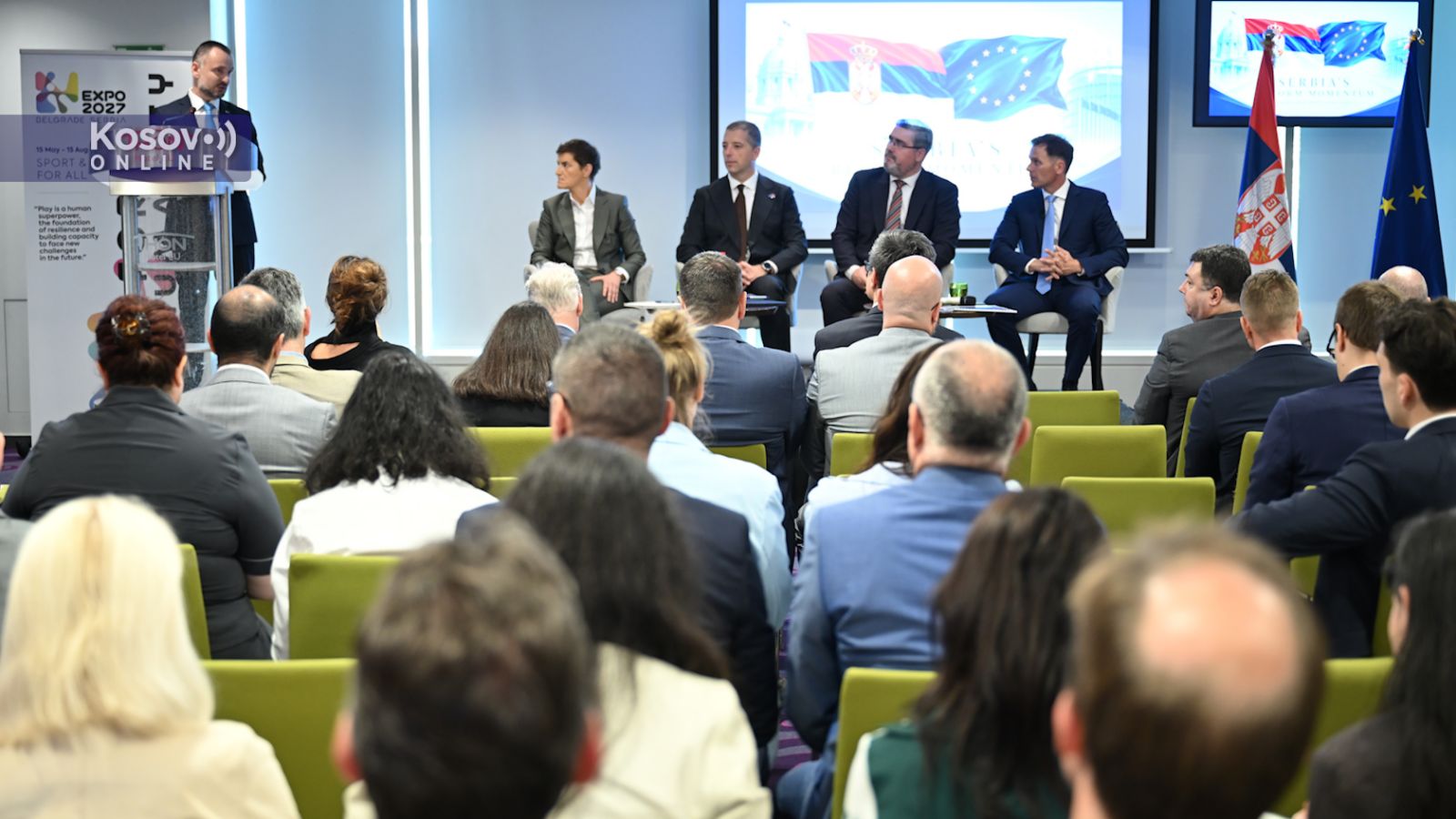
The Mission of the Republic of Serbia to the European Union hosted a panel discussion in Brussels entitled "Serbia's Reform Momentum: From Commitment to Implementation," presenting the results of reforms Serbia has undertaken in the European integration process, as well as the priorities that lie ahead on its path toward European Union membership. Serbian Foreign Minister Marko Djuric stated that Serbia unequivocally sees Europe as its future.
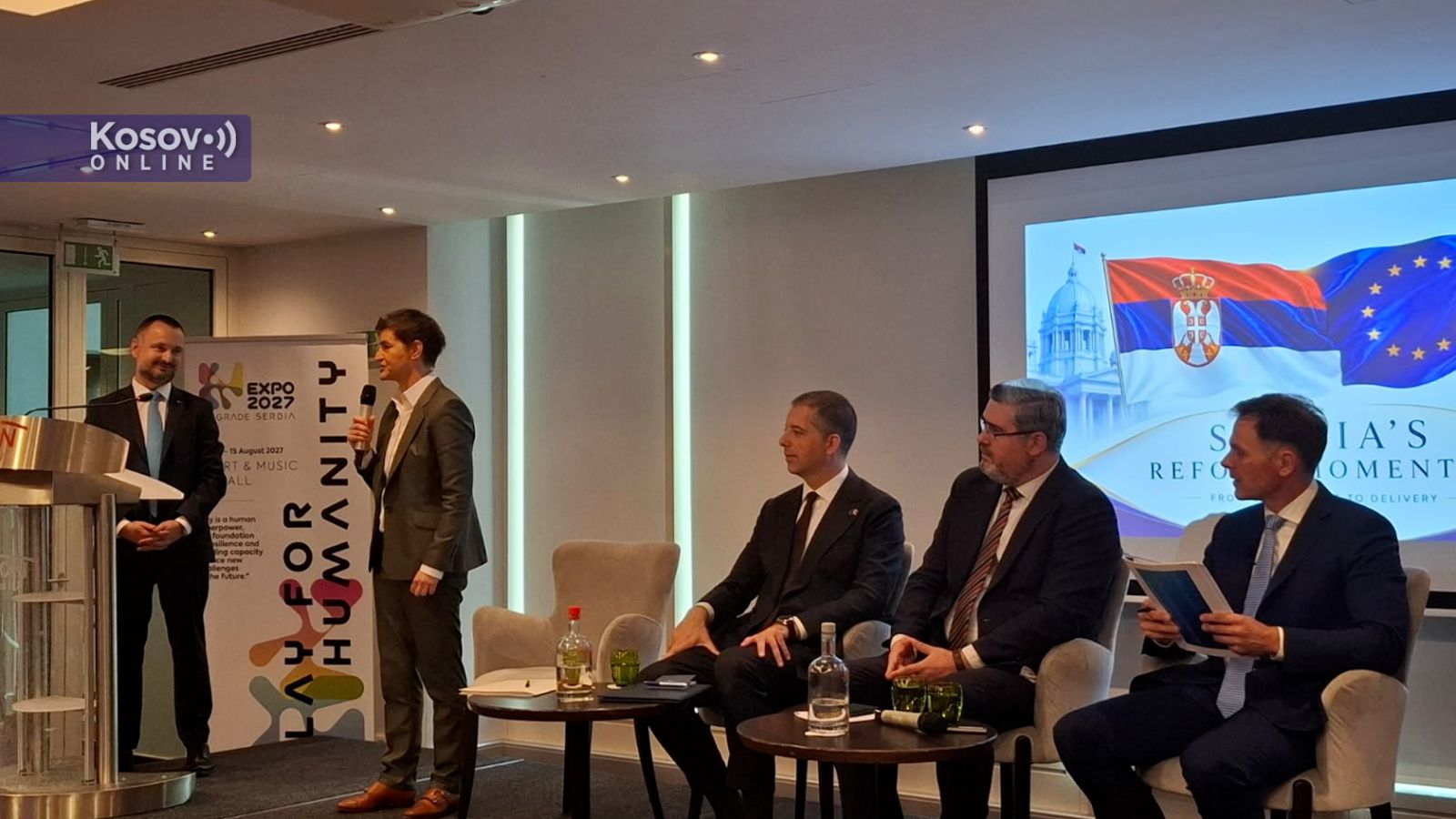
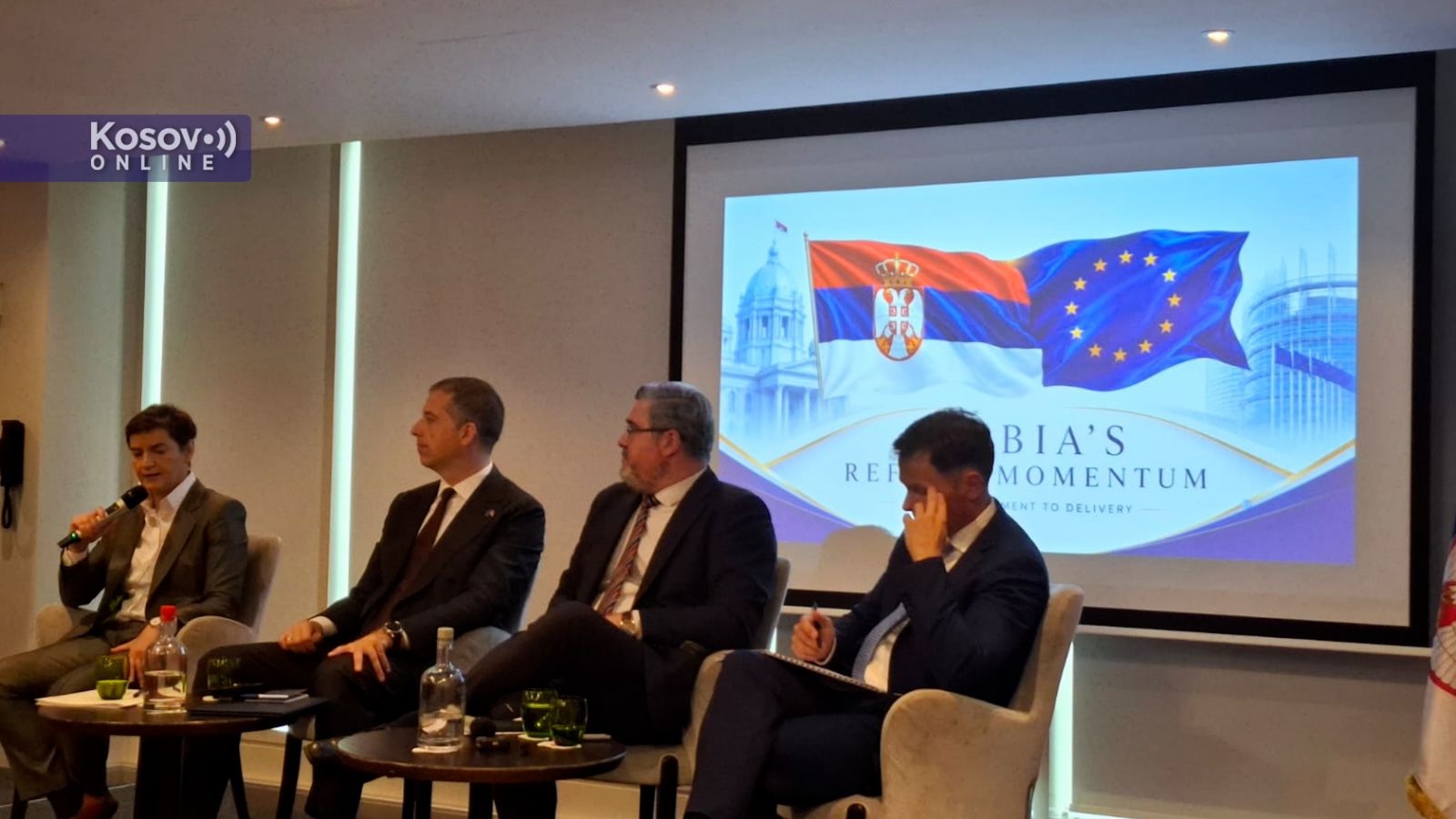
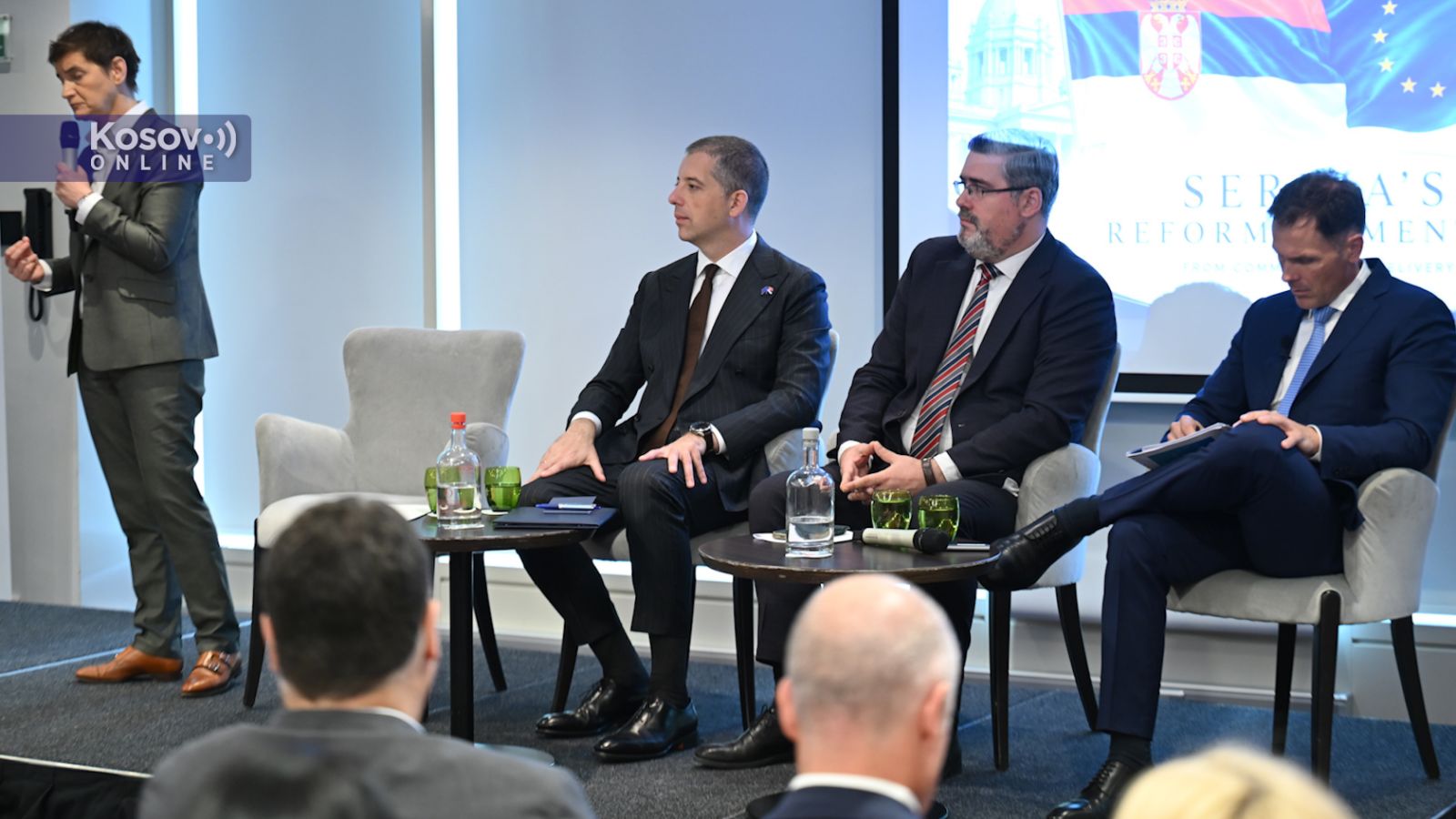
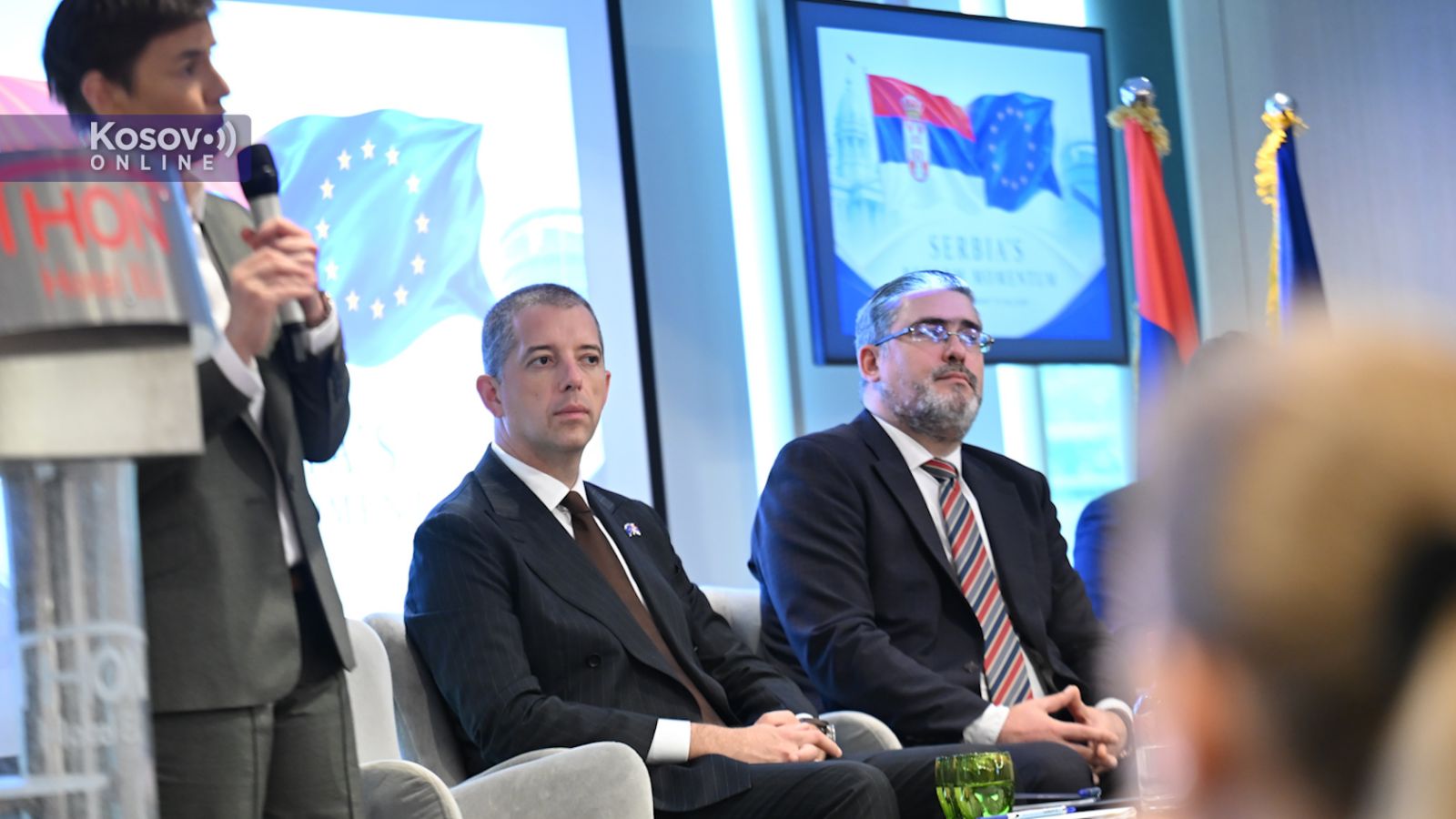
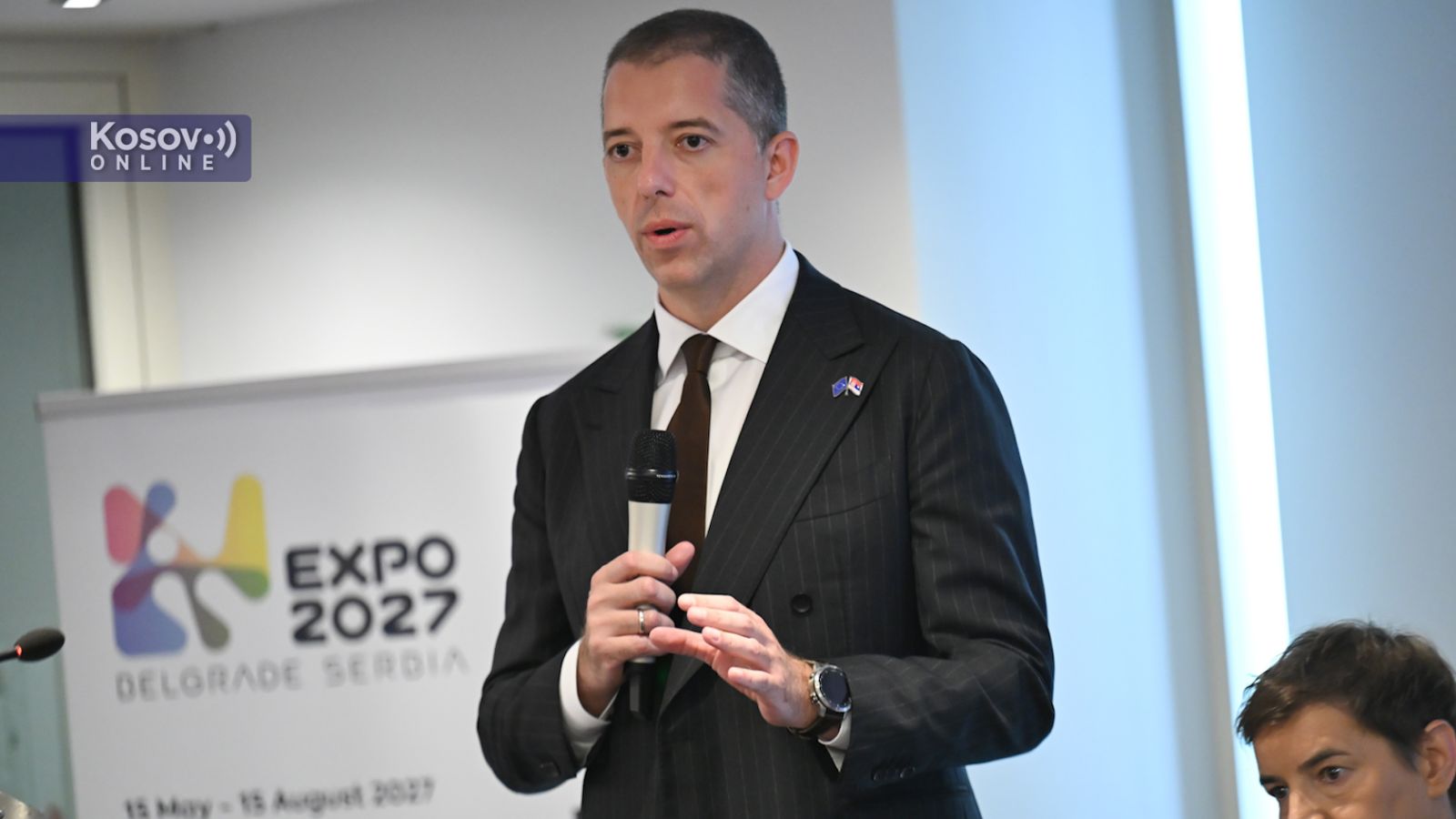
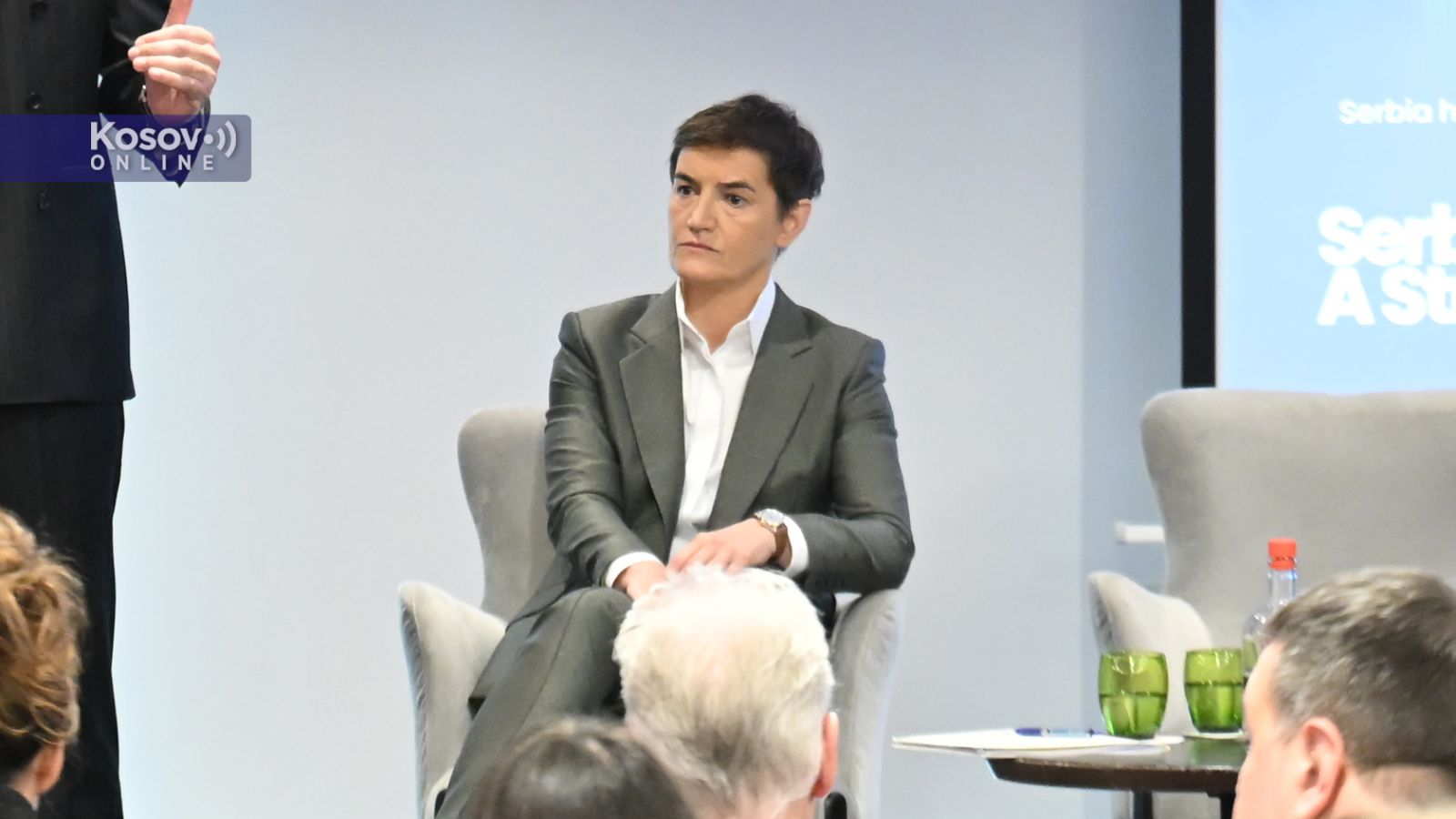
The panel featured National Assembly Speaker Ana Brnabic, First Deputy Prime Minister and Minister of Finance Sinisa Mali, Minister for European Integration Nemanja Starovic, and Minister of Foreign Affairs Marko Djuric, Kosovo Online's correspondent reported from Brussels.
The event was opened by Serbia's Ambassador to the European Union, Danijel Apostolovic, followed by a presentation of Serbia's Reform Agenda and a discussion on the reforms implemented to date, economic reforms, the European integration process, and priorities for the period ahead.
National Assembly Speaker Ana Brnabic emphasized that Serbia had recently adopted five judicial laws, prepared in cooperation with the Venice Commission and the Council of Europe.
She noted that judicial reform had long been one of the European Commission's and several EU member states' principal concerns regarding Serbia, but that the newly adopted legislation had substantially aligned the country's judicial framework with European standards.
Brnabic also highlighted the implementation of recommendations stemming from the review of the 2023 electoral process, describing it as one of Serbia's key priorities.
"Following the 2023 elections, we received a report containing 25 recommendations. To date, we have implemented 12 of those 25 recommendations, including four of the seven priority recommendations in full. The work continues, and as early as next Monday, 6 July, another draft law aligned with the OSCE recommendations will enter parliamentary procedure, covering three additional recommendations from the review. This will increase the number of implemented recommendations to 15 out of 25," Brnabic said.
Speaking about electoral reforms, she identified amendments to the Law on the Unified Voter Register as the most significant step, noting that they established a permanent ten-member commission responsible for supervising and analyzing the voter register.
According to Brnabic, the commission includes representatives of the parliamentary majority, the opposition and civil society organizations, marking the first time civil society representatives have participated in such a mechanism.
She added that a Law on the Financing of Political Activities is also expected to enter parliamentary procedure next week and expressed confidence that it could be adopted during July.


First Deputy Prime Minister and Finance Minister Sinisa Mali stated that Serbia is the largest and fastest-growing economy in the Western Balkans and argued that the country is already economically integrated into the European Union through its participation in European supply chains.
"Serbia is the largest economy in the Western Balkans, which makes Serbia's accession to the European Union highly important for the EU itself. Secondly, we are already integrated into European supply chains, and therefore we believe that accession would merely formalize what the economy has already achieved," Mali said.
He emphasized that economic development remains Serbia's foremost priority.
Mali noted that Serbia's public debt currently stands at around 43 percent of GDP, compared with an average of approximately 81–83 percent in the euro area. He also said that 60 percent of all foreign direct investment entering the Western Balkans is directed to Serbia.
"Serbia is the only economy—or rather the only country—in the Western Balkans with an investment-grade credit rating. We are also the only EU candidate country with such a rating. I believe that fact speaks for itself," Mali said.
He further pointed out that the European Union is Serbia's largest trading partner, adding that Serbian exports to the eurozone and the EU have increased sevenfold since 2009.
Mali stressed that once Serbia becomes a full EU member, it will not be a burden on the Union's budget but will instead contribute to the European economy.
Foreign Minister Marko Djuric reiterated that EU membership remains Serbia's central foreign policy priority, stressing that the country is further strengthening its European path in light of profound geopolitical and technological changes, believing that Serbia's future lies within the European family of nations.
He said Serbia, sharing borders with eight countries, plays an important role in preserving regional stability and argued that Serbia's European integration would contribute to the stability of the entire Western Balkans.
Djuric recalled Serbia's efforts to improve relations with neighboring countries, citing dialogue with Croatia and the strategic partnership with Hungary, which he described as one of Europe's most successful examples of reconciliation and cooperation.
Regarding the region, he emphasized that Serbia pursues a responsible policy aimed at preserving peace and stability.
He noted that Serbia had made a significant contribution to stabilizing the situation in Bosnia and Herzegovina over the past year, saying that, as foreign minister, he had done everything within his power to support regional stability.
He reaffirmed Serbia's support for the Dayton Peace Agreement, the Republic of Srpska, and above all for peace and the preservation of the constitutional framework that has been essential for the functioning of Bosnia and Herzegovina.
Djuric also stated that Serbia continues to work toward resolving outstanding issues within the Belgrade–Pristina dialogue, participating constructively in the process in order to preserve stability in one of Europe's most sensitive regions.
He presented an initiative proposing the gradual integration of the Western Balkans into the EU Single Market and the Schengen Area, arguing that such an approach would generate significant economic benefits, facilitate the free movement of people, reduce the space for divisive policies, and simultaneously strengthen the European Union's security.
He also recalled Serbia's close cooperation with Frontex, noting that it has made a significant contribution to reducing illegal migration toward Europe.
Djuric further highlighted Serbia's traditionally strong relations with numerous countries outside Europe, recalling that Belgrade was the birthplace of the Non-Aligned Movement and describing Serbia today as an important bridge between Europe and other regions of the world.
Turning to Ukraine, Djuric said Serbia has consistently supported Ukraine at the United Nations, provided more than 90 percent of all regional assistance destined for the country, and developed the closest high-level relations with the Ukrainian leadership among the countries of the region.
He stressed that no other country in the region has stood more firmly alongside the Ukrainian people in supporting the principles of territorial integrity and sovereignty, voting accordingly at the United Nations in support of Ukraine, Europe, and Serbia's own future.
The Serbian foreign minister urged Serbia's EU partners to judge the country by its actions rather than rhetoric and invited them to witness Serbia's progress firsthand, including preparations for Expo 2027.
Minister for European Integration Nemanja Starovic recalled that Serbia launched its accession negotiations with the European Union in 2014, while the first negotiating chapters were opened at the end of 2015. During the following five years, under the previous enlargement methodology, Serbia opened 18 negotiating chapters, two of which were provisionally closed.
He noted that Serbia became the first candidate country to accept the EU's new enlargement methodology in 2021, after which Cluster 1 was confirmed as opened because all chapters within that cluster had already been opened previously.
According to Starovic, the European Commission recommended opening Clusters 3 and 4 later that year, but EU member states approved only Cluster 4, bringing the total number of opened negotiating chapters to 22.
He recalled that the opening of Cluster 3 had initially been postponed pending Serbia's constitutional amendments, a process completed through the January 2022 referendum.
"Unfortunately, that also proved insufficient. Since the beginning of 2022, we have faced the absence of the necessary political consensus among EU member states within the Council to open Cluster 3. Consequently, the process has effectively stalled, despite the fact that the European Commission has recommended opening that cluster in five consecutive annual reports on Serbia," Starovic said.
He argued that Serbia is currently negotiating under the most demanding accession framework, not only politically but also technically and procedurally.
Unlike Albania, Ukraine, and Moldova, which began negotiations later and are not subject to opening benchmarks for individual chapters, Serbia must simultaneously satisfy both cluster-opening conditions and chapter-specific opening benchmarks.
"That is why other countries are able to open clusters as a package, as we saw in Albania's case, where all clusters were opened during the past year," Starovic said.
Following the panel discussion, Foreign Minister Marko Djuric reiterated that Serbia unequivocally sees Europe as its future.
"I shared part of our foreign policy philosophy in the context of the changes taking place globally and explained why I believe Serbia, as a country essential to regional stability, can help ensure that the region ceases to be Europe's 'Achilles' heel'," Djuric said.
He stressed that, with eight neighboring countries and its direct contribution to regional stabilization, Serbia plays a pivotal role in ensuring the long-term stability of this part of Europe.
"And that means we can contribute to European security far more than many others," Djuric concluded.
0 comments