
Regional ministers: The European Union is missing the Western Balkans, faster integration of the region is needed
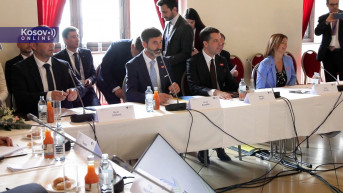
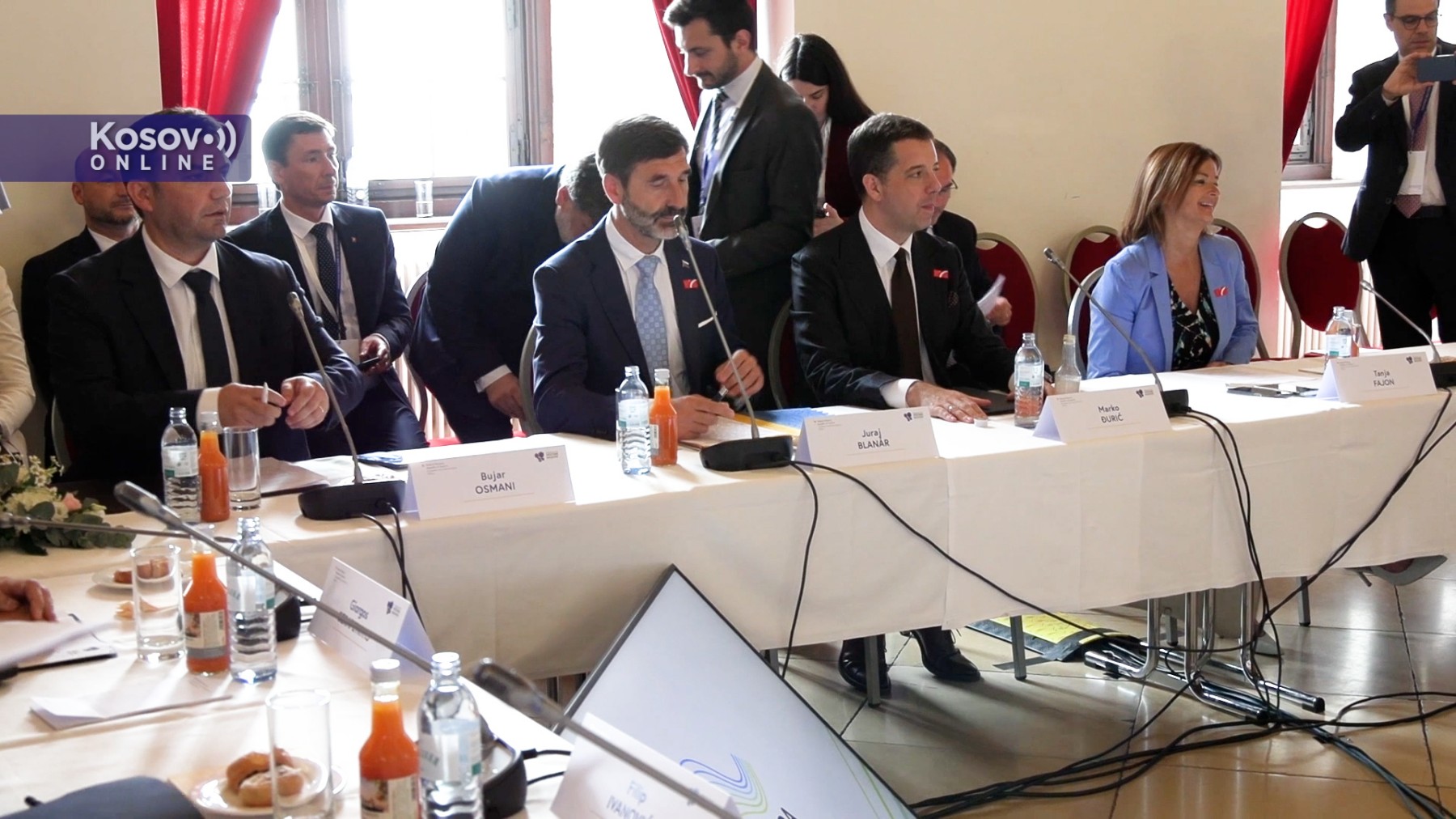
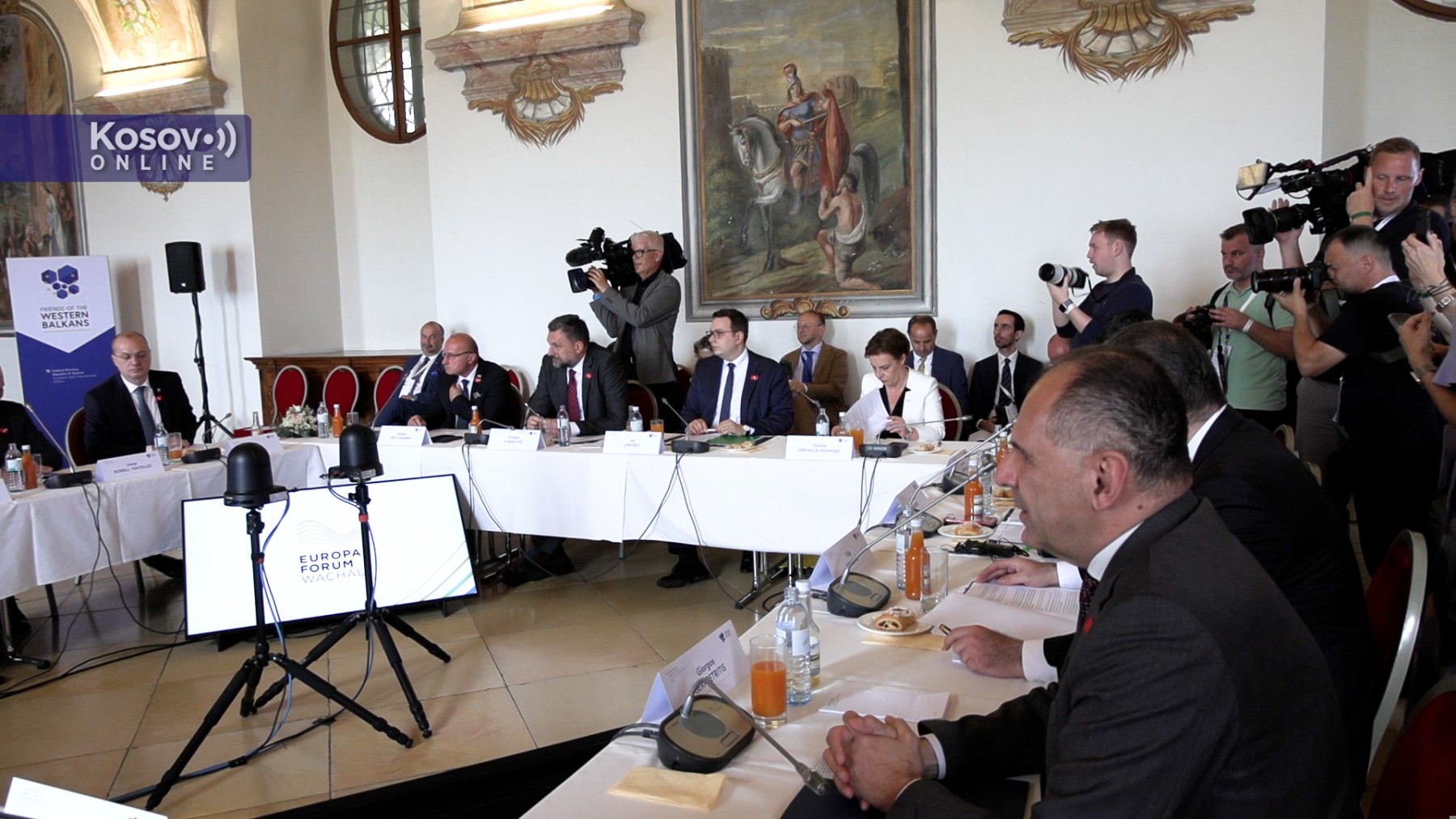
Foreign ministers from the Western Balkans emphasized today, at the ministerial panel of the European Forum Wachau and Friends of the Western Balkans in Gottweig, Austria, that the goal for everyone in the region is EU membership, and they expressed their delight that the EU considers enlargement a strategic issue but also pointed out the need for quicker integration, especially given the current geopolitical circumstances.
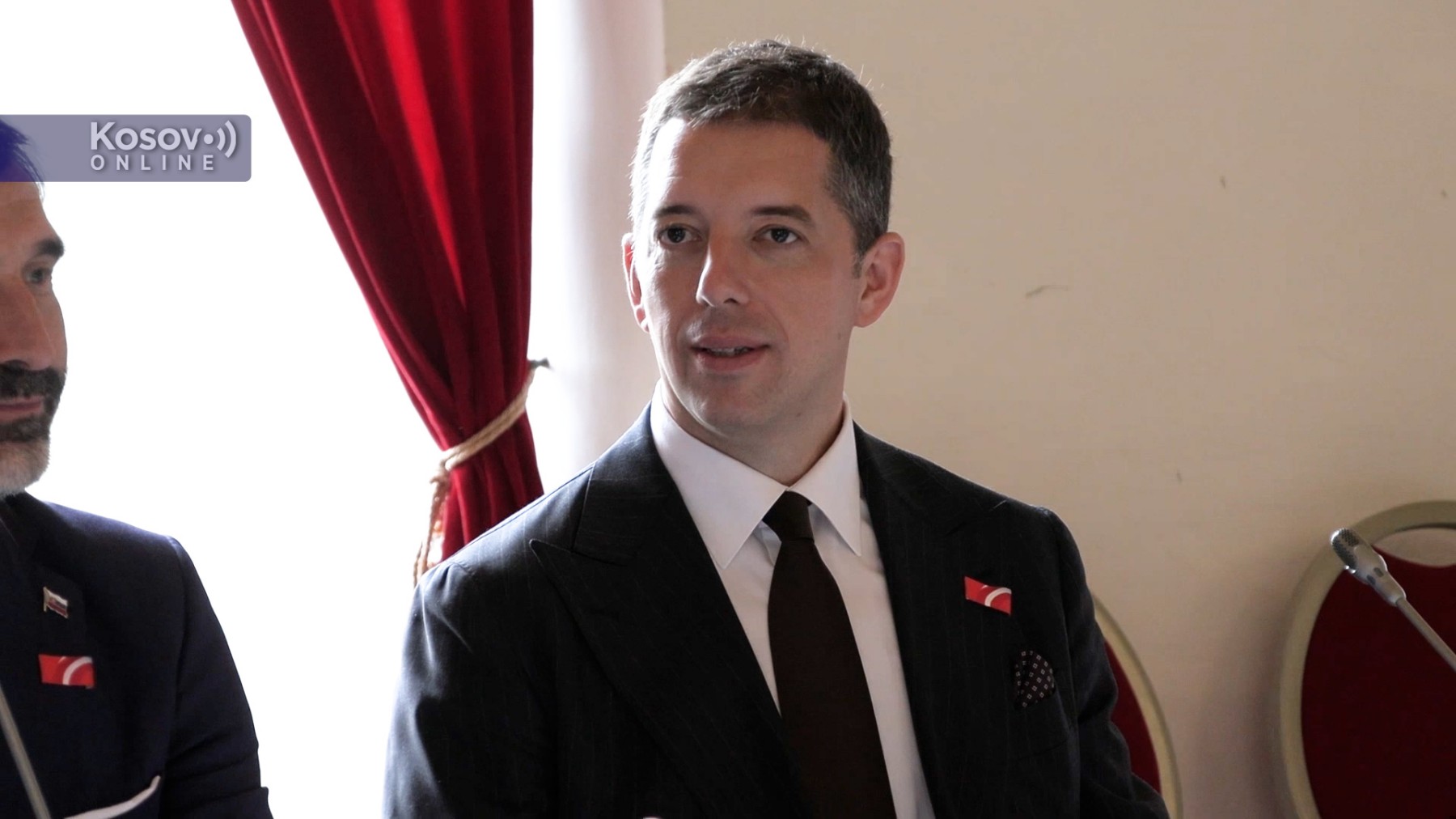
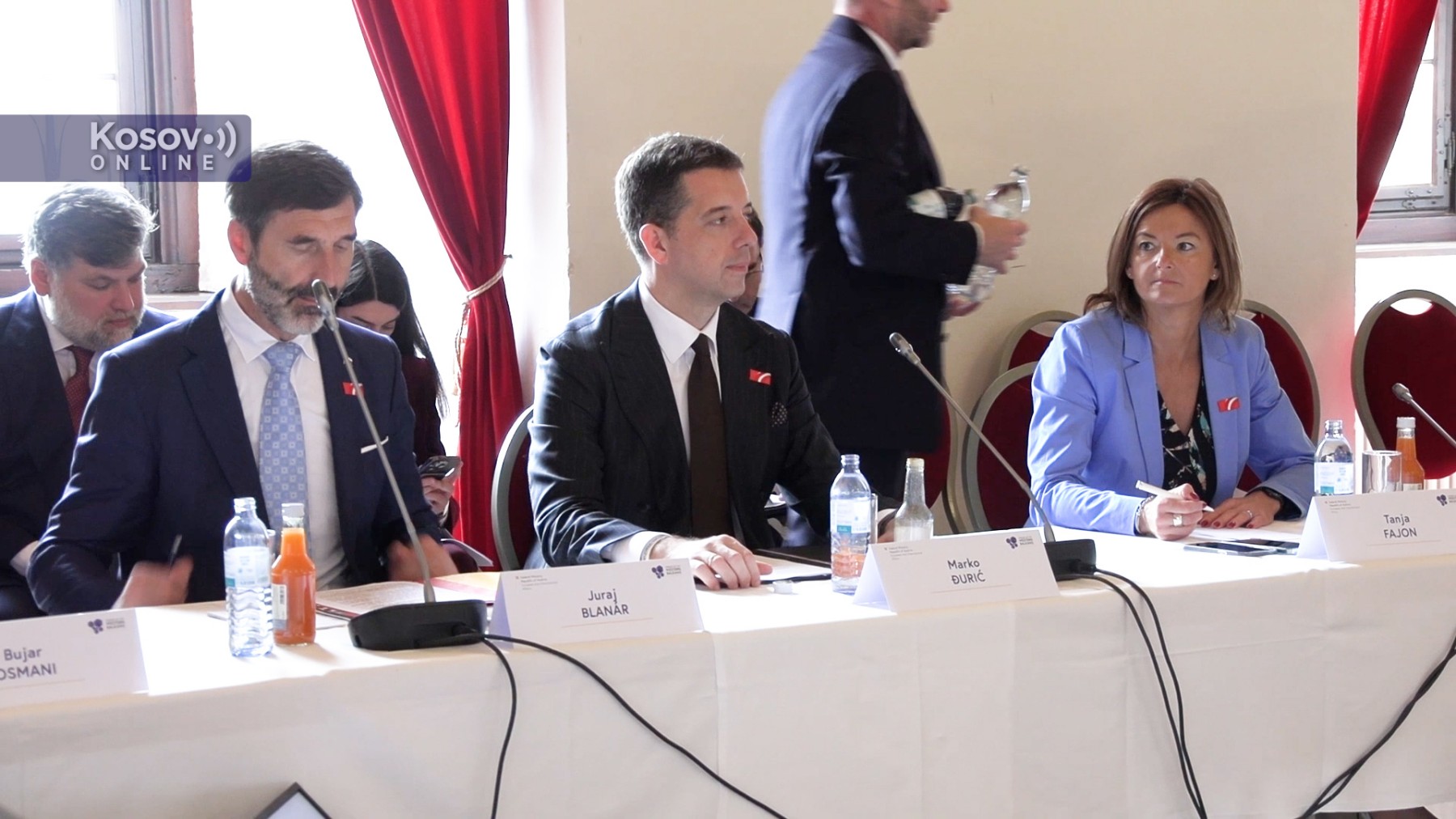
Serbian Foreign Minister Marko Djuric stated that the region needs to unite its resources because, despite existing differences, the region must combine forces and lobby together if it wants to integrate into the Union as soon as possible.
He highlighted that Serbia planned to complete all economic and legal reforms required for accession by 2027.
"Our priorities are clear. We want to maintain stability in the region, and that can only be done in cooperation with Brussels and regional partners. We want to ensure that Belgrade remains autonomous in decision-making while aligning with the EU until membership," Djuric said.
Serbia wants full membership and nothing else, and there will be no compromise on that, as the head of Serbian diplomacy emphasized.
Aware, he said, that not everything is perfect in the region due to past problems, he pointed out that significant effort will be needed to resolve all issues and much dedication from the EU to assist in this resolution.
"But we want it to be done fairly, so all sides are equally satisfied and dissatisfied," Djuric added.
He mentioned that at the last peace summit on Ukraine, the President of Kenya had quoted an American general, saying, "A liter of sweat in negotiations saves many liters of blood in combat," and emphasized that resolving issues in the region must be a focus.
"By 2027, we will be in a much better economic position. Serbia has significantly developed economically, and we are ready to share our market with others in the region," Djuric said.
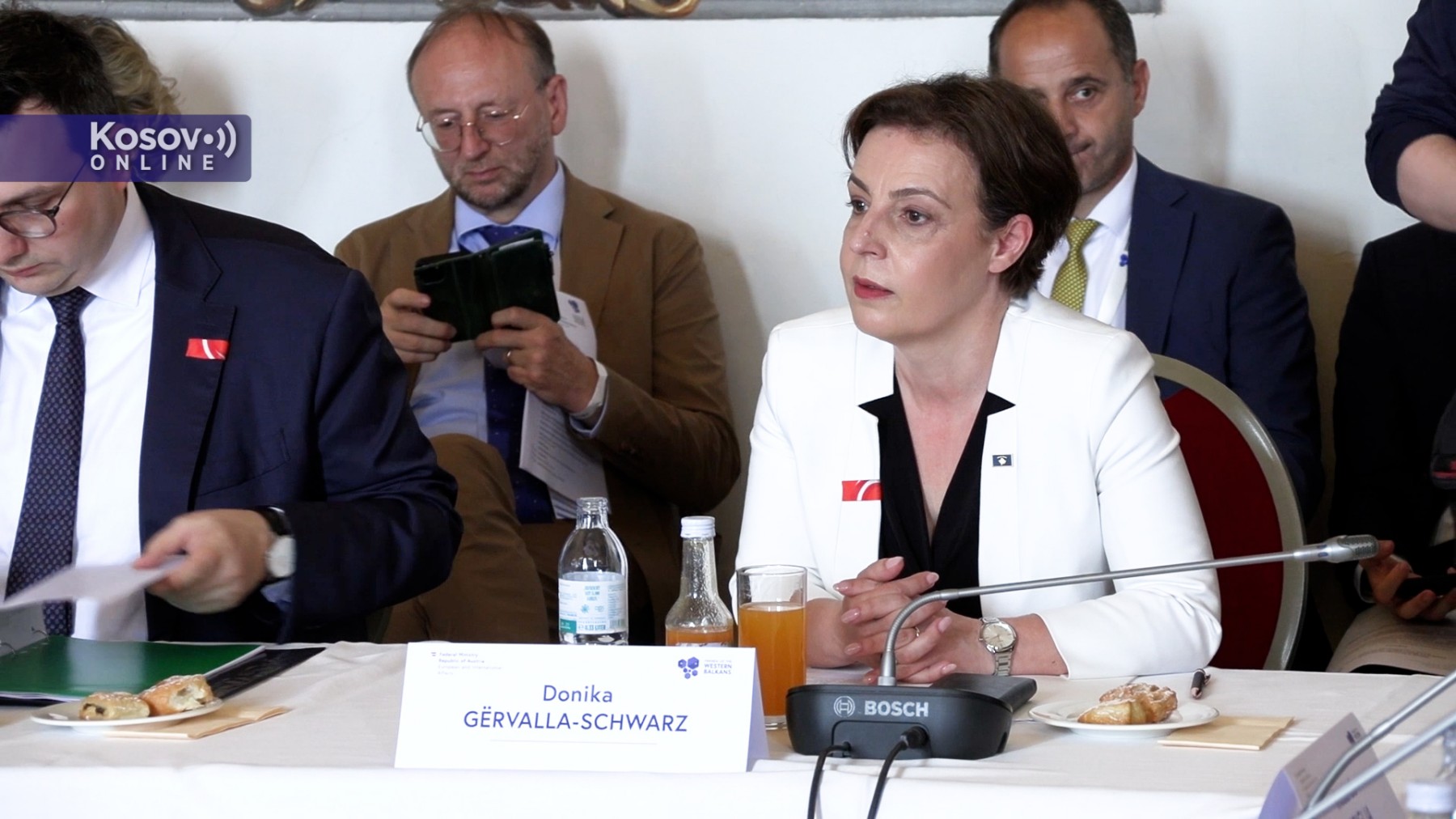
Kosovo Foreign Minister Donika Gervalla noted that, since everyone talked about enlargement, it showed that the EU was the only structure that could expand.
Therefore, she said, it must be explained to citizens what joining the Union means.
"Most of us are doing what is necessary to get closer to the EU. But, it will be a challenge to convince EU citizens that the Western Balkans, Ukraine, and Moldova, as part of it, make the Union stronger and are not a threat," Gervalla said, but added that she was convinced that citizens in the Baltic countries and Poland "are not sure that the countries in our region that support Russia and aggression in Ukraine will be ready to join the EU."
Hence, she appealed to the EU that it should not persuade politicians in the region to do what is necessary but should convince the Union's citizens that enlargement is good so that their support is strong.
"Otherwise, we would have extreme right and left wings against us. If they grow further, we will talk more about security than enlargement," Gervalla said.
Albanian Foreign Minister Igli Hasani said he was pleased that the EU considered enlargement a strategic issue.
"We need stability and prosperity. I am sure that the Hungarian presidency will encourage the enlargement process. It is time to make things real, to test everyone's determination. Albania is ready to open as many chapters as possible this year. We have no time to waste," Hasani said.
He added that bilateral issues should be resolved bilaterally.
"The EU is a dream for us, but it must not remain just a dream," he added.
North Macedonian Foreign Minister Bujar Osmani asked if, for example, the US would be safe if Nevada were not its member but outside the US, exposed to other influences.
"No. The key to the security and stability of the EU is to consolidate early EU-Western Balkans," he said.
As he added, people from the region are leaving their countries and heading to the EU, which must be stopped because depopulating the region makes it more vulnerable to other influences.
"It is not good to see someone blocking someone from opening chapters. It is necessary to promote the 'non-paper' on a qualified majority for enlargement. Gradual accession is something positive because we were frustrated that everything is obtained only with membership," Osmani added.
Montenegrin Foreign Minister Filip Ivanovic emphasized that his country is on the right path to becoming a member, as progress has been made in many areas.
He added that Podgorica expects an intergovernmental conference next week where this progress will be confirmed.
"Our ambition is to complete our part of the job by 2026," the minister said, and, using a somewhat unusual term in diplomacy, noted that the "erotic relationship" between the EU and the region needs to be kept alive.
"The Union misses the region, and vice versa. I believe there is an erotic relationship between us. When the EU unites with the region, it will be satisfied," Ivanovic explained, causing laughter in the hall.
He expressed confidence that the results of the European Parliament elections would confirm that enlargement would be a priority for the next Brussels administration.
"I am convinced that enlargement is the best policy the EU has. If this policy is not realized or is halted, the credibility of the EU is called into question," the Montenegrin minister warned.
He added that gradual accession to the EU could not be an alternative to full membership.
"It is important that the citizens of our countries 'feel' what it is like to be part of the EU. The more gradual integration we get from the EU, the clearer it will be that the Union means business. We would like our work to be finished in the next three years, but also to hear what will happen with the discussion on internal UN reforms, which should proceed in parallel," Ivanovic added.
Bosnian Foreign Minister Elmedin Konakovic pointed out that the Western Balkans is in the heart, not the back of Europe, but also that the region is aware it has a responsibility to become part of that big family.
"Politicians in our countries are not the best in the world, which is why we have missed many opportunities, but at the same time, the EU was also asleep. We have done nothing for decades. Bosnia and Herzegovina now has a concrete offer with the Growth Plan and gradual integration," Konakovic said.
As he emphasized, now is the moment that should be seized.
"We have this moment because of Russia's aggression against Ukraine, and I agree that if Europe does not control this part of Europe – someone else will. And that is dangerous for everyone," Konakovic added.




0 comments