
Selakovic in Samarkand: It is unacceptable that Serbian holy sites in Kosovo are still under barbed wire and military protection
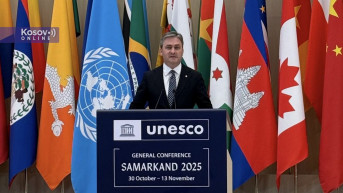
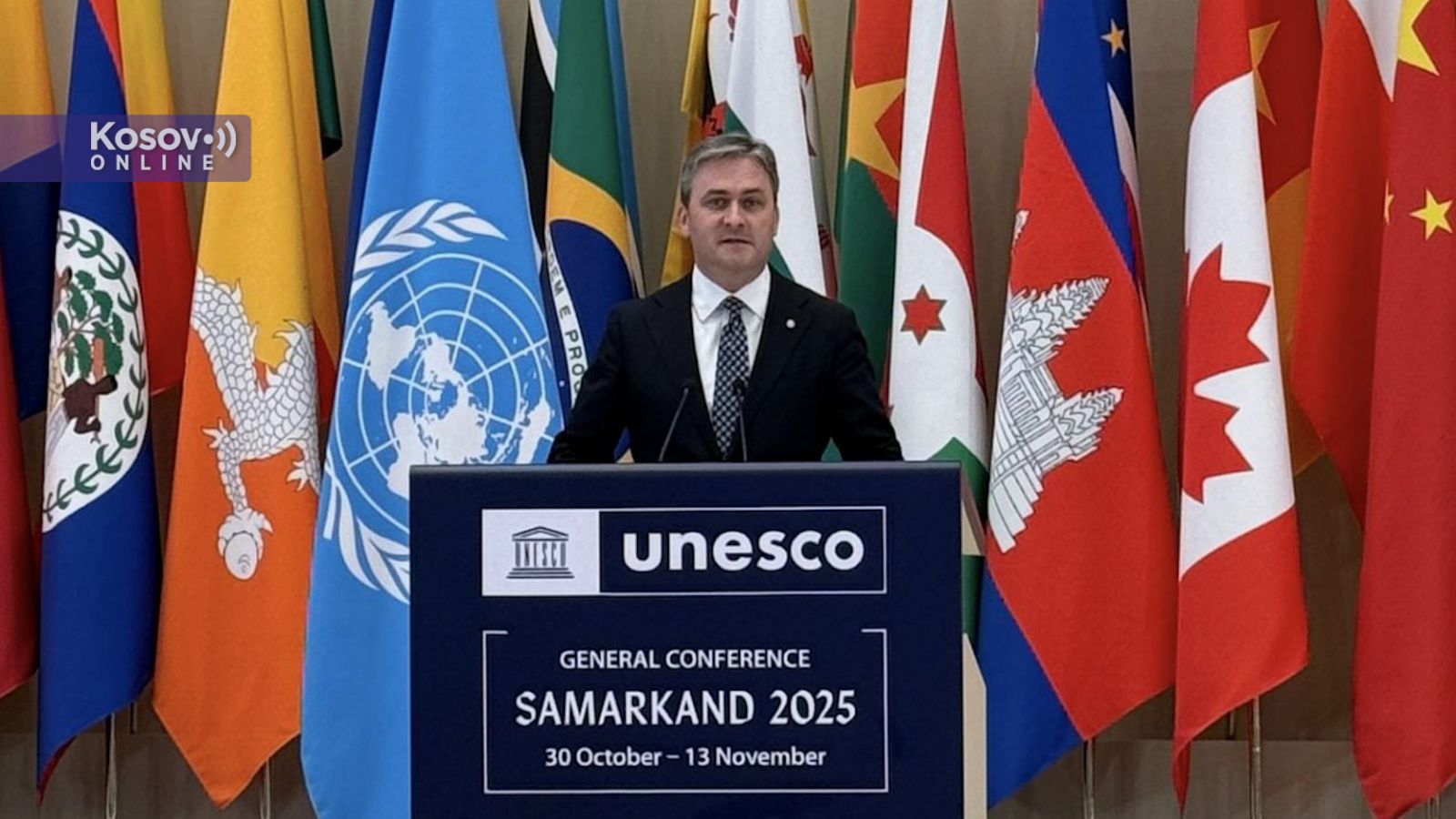
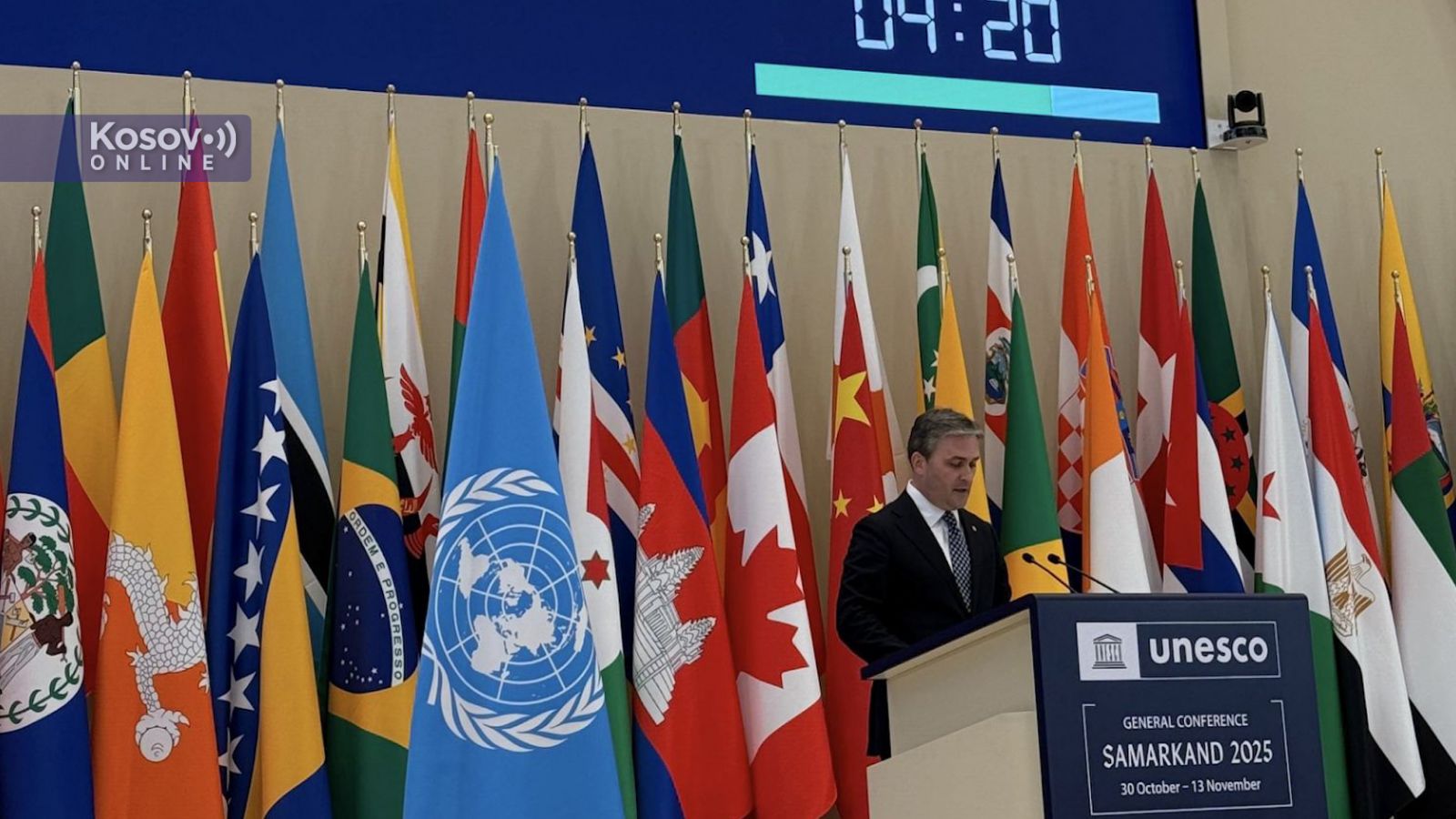
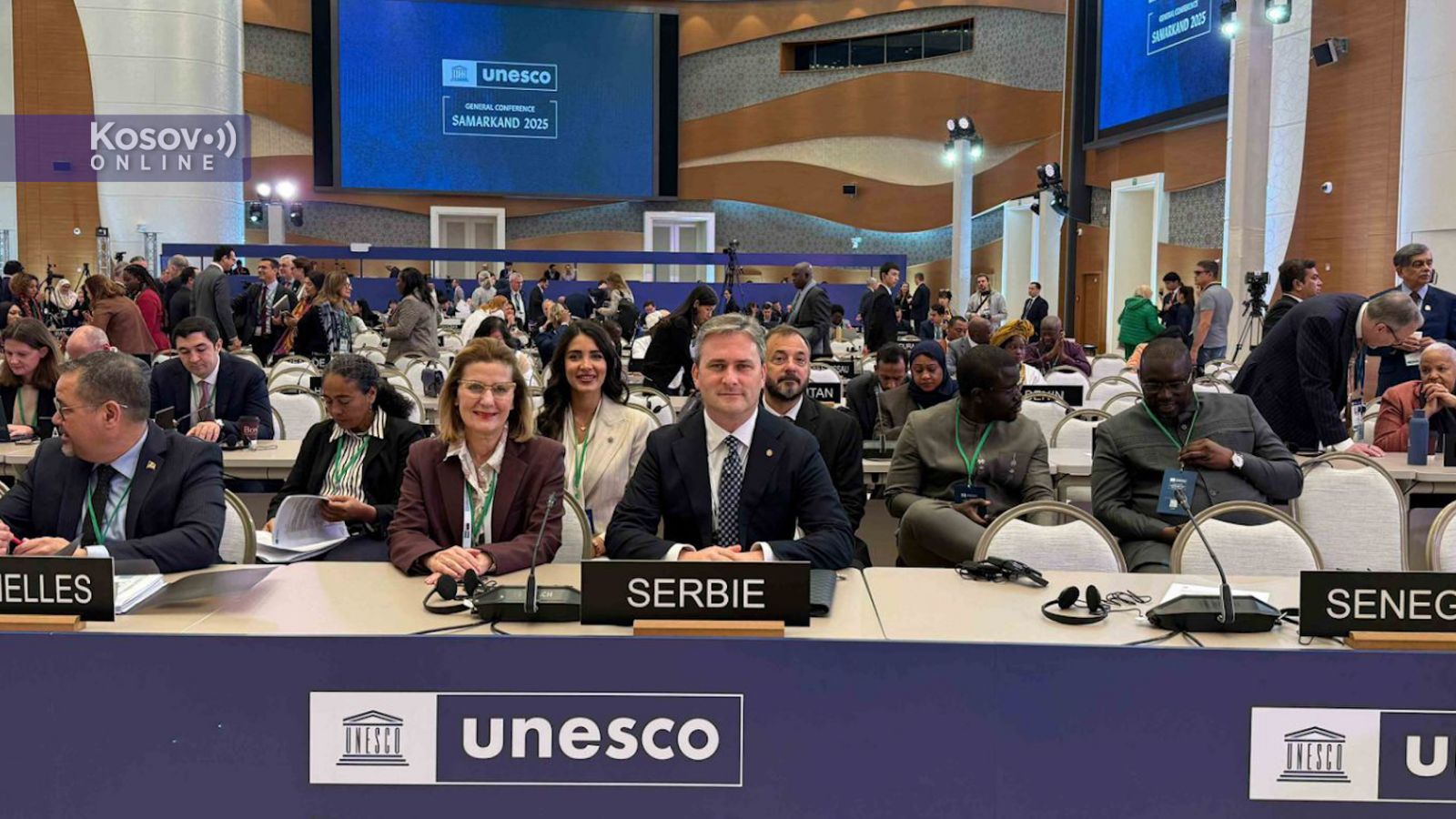
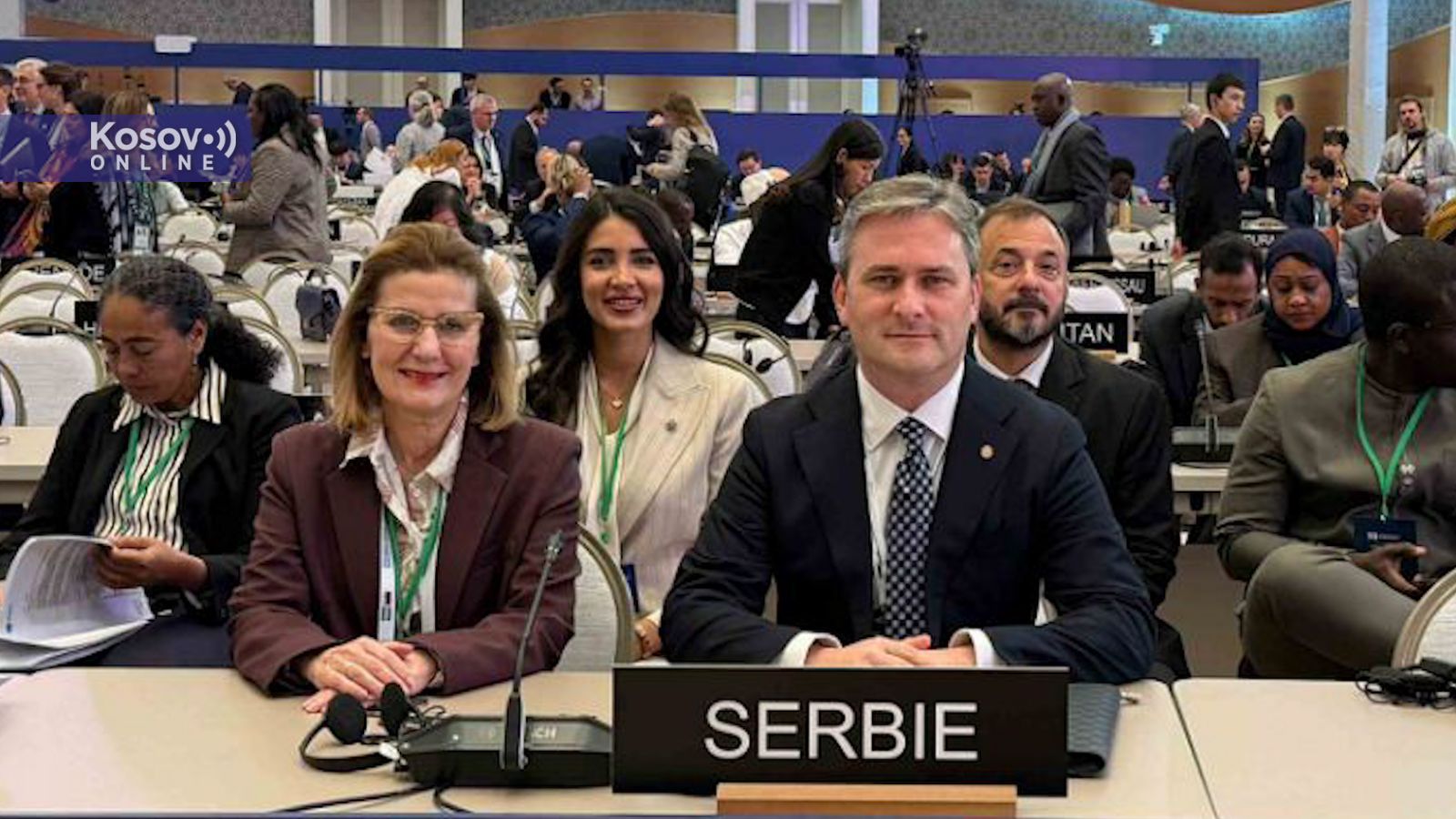
Serbian Minister of Culture Nikola Selakovic addressed the plenary session of the 43rd General Conference of UNESCO in Samarkand today, emphasizing that Serbia remains strongly committed to preserving cultural heritage, advancing education and innovation, and strengthening UNESCO’s role in promoting dialogue, peace, and international cooperation.
Greeting representatives of nearly 200 countries, the minister stated that in a modern world marked by numerous challenges and growing divisions, it is essential to preserve UNESCO’s core values – multilateralism, mutual respect, and the “intellectual and moral solidarity of humankind.”
Selakovic stressed that Serbia attaches great importance to protecting its cultural and religious heritage, particularly in Kosovo, where centuries-old Serbian holy sites have been subjected to continuous pressure, attacks, and attempts to falsify their historical identity.
“Monasteries such as Visoki Decani, the Patriarchate of Pec, Gracanica, and Our Lady of Ljevisa are not only spiritual and historical centers of the Serbian people – they are part of the world’s cultural heritage. It is unacceptable that such places remain under barbed wire and military protection instead of being spaces of peace and prayer accessible to the faithful,” the minister pointed out, calling on the international community and UNESCO to continue providing protection to these monuments of universal significance.
Minister Selakovic emphasized that Serbia continuously draws attention to the difficult situation and dangers facing Serbian cultural and religious heritage in Kosovo, specifying that “these living witnesses of the Serbian national identity and culture of remembrance have for decades been targets of arson, destruction, and desecration.” He added that some of these medieval holy sites – the endowments and resting places of Serbian kings and saints – are living places of worship of the Serbian Orthodox Church and have been on the List of World Heritage in Danger for 20 years.
“They represent the core of the Serbian people’s spirituality and the pillar of their history and identity. It is unacceptable that they remain targets of attacks, surrounded by barbed wire and guarded by KFOR troops. Attempts to erase history, falsify facts, and rename Serbian heritage as ‘Albanian,’ ‘Illyrian,’ or otherwise are intolerable. It is unacceptable that the cradle of the Serbian Orthodox Church remains inaccessible to its patriarch and the majority of believers. That is why we appeal to the international community and all relevant organizations, especially UNESCO, to contribute to the protection and preservation of Serbian cultural heritage in Kosovo and Metohija,” Selakovic stated.
The minister also emphasized that Serbia is firmly investing in the development of education, the improvement of digital competencies, and human capital, highlighting the country’s role as a regional leader in developing artificial intelligence based on ethical principles and respect for human rights.
Selakovic further reminded that Serbia will host the specialized Expo exhibition in 2027, which represents “a great opportunity to enhance cultural cooperation, foster diversity, and promote creativity and innovation at the global level.”


0 comments