
Students from Kosovo: The situation is becoming increasingly difficult, we can't even imagine what lies ahead
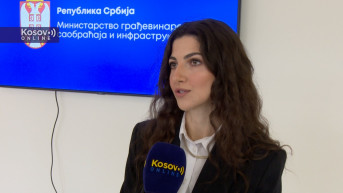
Students at the University of Pristina with a temporary seat in Kosovska Mitrovica are living and studying in a difficult situation, which has been further complicated by the abolition of the dinar, as they cannot access their loans and scholarships.
They are concerned about their future because, as they say, "if it's like this at the beginning of their professional lives - they can't even imagine what else might happen to them by the end of their studies."
Kristina Milutinovic, a master's student and teaching assistant at the Department of Psychology at the Faculty of Philosophy in Kosovska Mitrovica, says that student life in Kosovo is very complicated.
"Everyone is aware of the challenges and obstacles our students in Kosovo and Metohija face daily. All of this greatly complicates life for everyone in Kosovo, including students. There are significant barriers, and even the arrivals and departures of students and professors are hindered," Milutinovic says for Kosovo Online.
Due to financial problems, students are struggling to survive, she points out.
"They don't have the opportunity to access money to pay for accommodation, meals. The Student Center and the University manage to find ways and solutions to maintain the level they have been building for years. We have hope, but alongside hope, there is also tremendous fear. A large number of students are reconsidering transferring to other faculties," this young woman says.
Jovana Smigic, a student vice-rector at the University of Pristina with a temporary seat in Kosovska Mitrovica, emphasized that it was very important for students from Kosovo to have the opportunity to improve and learn.
"It is important for us to know that we have the support of all government bodies in Serbia, that they are always there for us and provide us with new opportunities to continue our path, even though we live in difficult conditions," she said.
She points out that the ban on the dinar is a particular problem because students are unable to access loans and scholarships.
"This creates a lot of trouble for us. Then everyone has to go to central Serbia, and not everyone is able to do that all the time... All of this prevents us from functioning normally. Someone then has to withdraw money for us. But even that is not easy. The situation is becoming increasingly difficult. And since we are only at the beginning of our journey - I can imagine how it will be," Smigic admits.
However, she emphasizes that students are trying not to let this hinder their desire to improve and progress.
"For years, we have been proving this. Our University produces new lawyers, doctors, sociologists, philosophers... This is proof that we want to learn and work on education despite all obstacles," Smigic says.
She also added that there was excellent cooperation among colleagues at the University.
"Women are in the majority at our University, but we always encounter great support from our colleagues, and we have not had major problems in our work and learning," Smigic said.


0 comments