
Terzic: For Belgrade, the issue of the missing is humanitarian; for Pristina, it is political
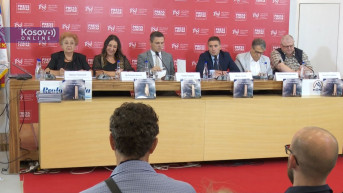
Official Belgrade defines the problem of missing persons as a humanitarian issue, unlike Pristina, which perceives it as a political issue, said today Miloš Terzic, Deputy Director of the Office for Kosovo and Metohija, ahead of the International Day of the Disappeared, marked on August 30.
At a press conference organized by the Association of Families of Kidnapped and Missing Persons in Kosovo and Metohija, Terzic pointed out that Serbia has not allowed itself to be stigmatized with a mark of guilt.
“Today, the situation for Serbs in Kosovo and Metohija is very difficult, perhaps the most difficult so far, and the reason is the insufficient engagement of international institutions. After the Kumanovo Agreement, KFOR has the obligation to guarantee the security of all citizens. If something bad happens in the future in the Balkans, it will be because of violent attempts to resolve the so-called Albanian question through a ‘Greater Albania’,” said Terzic.
He added that someone must be held accountable for the crimes committed against Serbs.
“And yet, international actors remain silent about crimes against Serbs. Proof of this is the Hague Tribunal. That is why our duty is to continue the struggle and to nurture the culture of remembrance. Without accountability for crimes against Serbs, there can be no talk of transitional justice,” Terzic emphasized.
The Office for Kosovo and Metohija, he underlined, has been and remains committed to this issue.
“We continue in the fight to investigate crimes against Serbs and to bring perpetrators to justice. I hope the time will come for our political victories when geopolitical circumstances become more favorable,” said Terzic.
Verica Tomanovic, President of the Association of Families of Kidnapped and Missing Persons in Kosovo and Metohija, said that the search for the missing is ongoing, even though they face obstruction and information blockades from some countries whose representatives were in Kosovo at that time.
“As many as 1,950 persons were missing in Kosovo and Metohija, and of that number, 350 unidentified bodies are still in morgues in Pristina today. The largest number of kidnappings happened after the adoption of Resolution 1244. Regardless of the limited strength we possess, ultimate defeat would mean giving up the search,” Tomanovic said, reminding that the reissue of the monograph ‘Stolen Truth’ bears witness to this terrible pain.
Ljiljana Krstic, Senior Adviser and Head of the Department for Missing Persons of the Commissariat for Refugees and Missing Persons, stressed that the monograph ‘Stolen Truth’ is a document preserving the truth about those whose fate remains unknown.
“For you, the families, it represents immeasurable sorrow and pain, but also the importance of seeking the truth. It is our obligation to persevere in the search for answers and for justice. The Commission for Missing Persons contributed to this work, because our wish is that the suffering of innocents never be repeated. The victims must have their place in collective memory, and our duty is to continue working on their discovery,” Krstic said.
Djordje Todorov, State Secretary in the Ministry of Labor, Employment, Veteran and Social Affairs, said that the monograph is a trace that remains.
“Abductions, killings, and enforced disappearances cause eternal suffering for families. The state and the ministry will stand by you so that you may experience full reparation and everything that belongs to you under international humanitarian law. For all the murders and disappearances, no one has been convicted, which demonstrates the attitude of part of the international community towards this issue. We are doing everything to ensure that the Law on Missing Persons is adopted as soon as possible so that families can receive satisfaction of justice,” Todorov stated.
Ljubomir Miladinovic, Secretary General of the Red Cross of Serbia, said that the search for the missing is a matter of respect for the victims.
“The Red Cross of Serbia has been working for years on the search for the missing and continues to support families. Every day without truth for the families of the missing is a new wound. The monograph ‘Stolen Truth’ is not only a title, but also the reality of the lives of families who search for their loved ones,” Miladinovic emphasized.
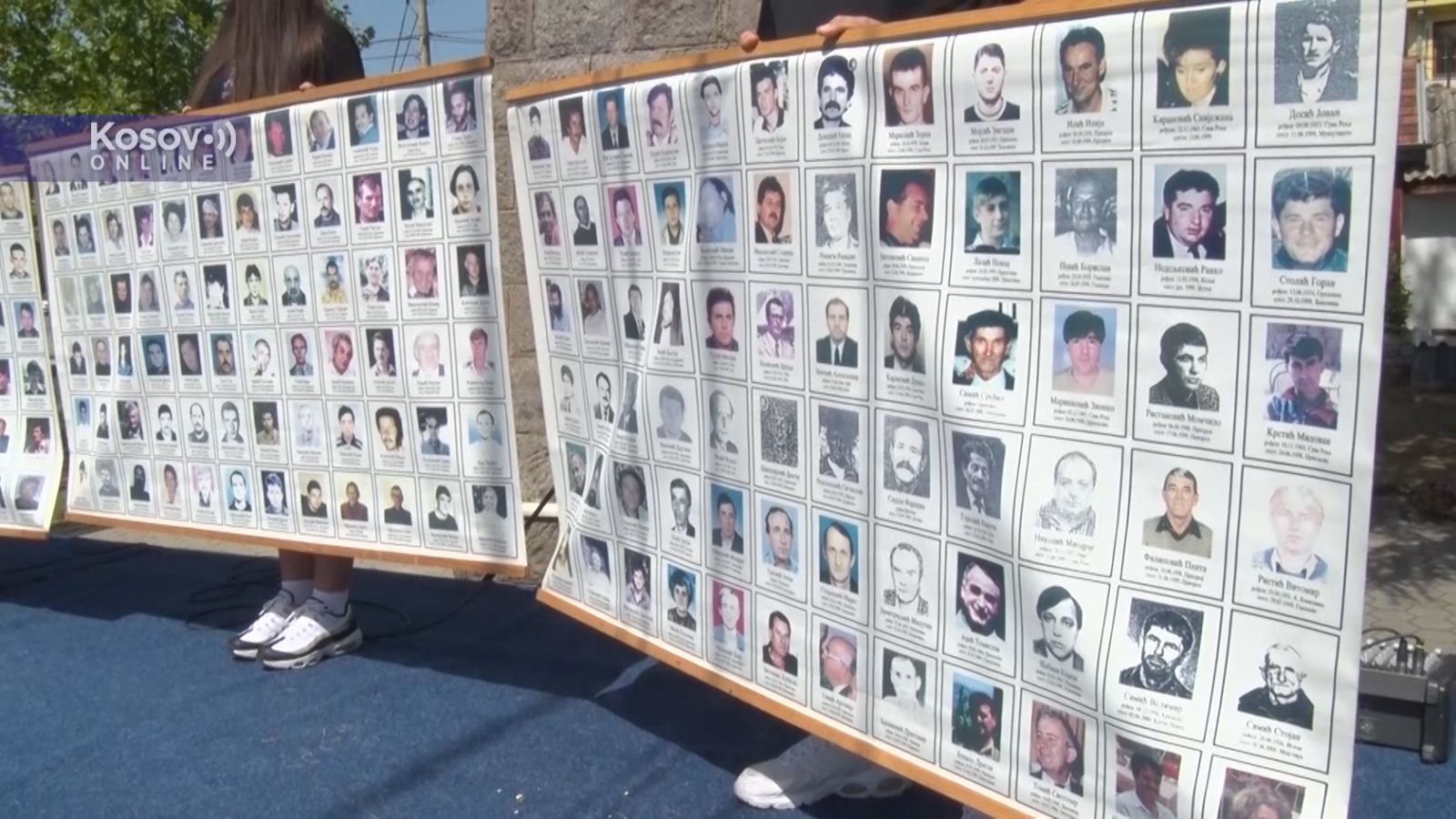
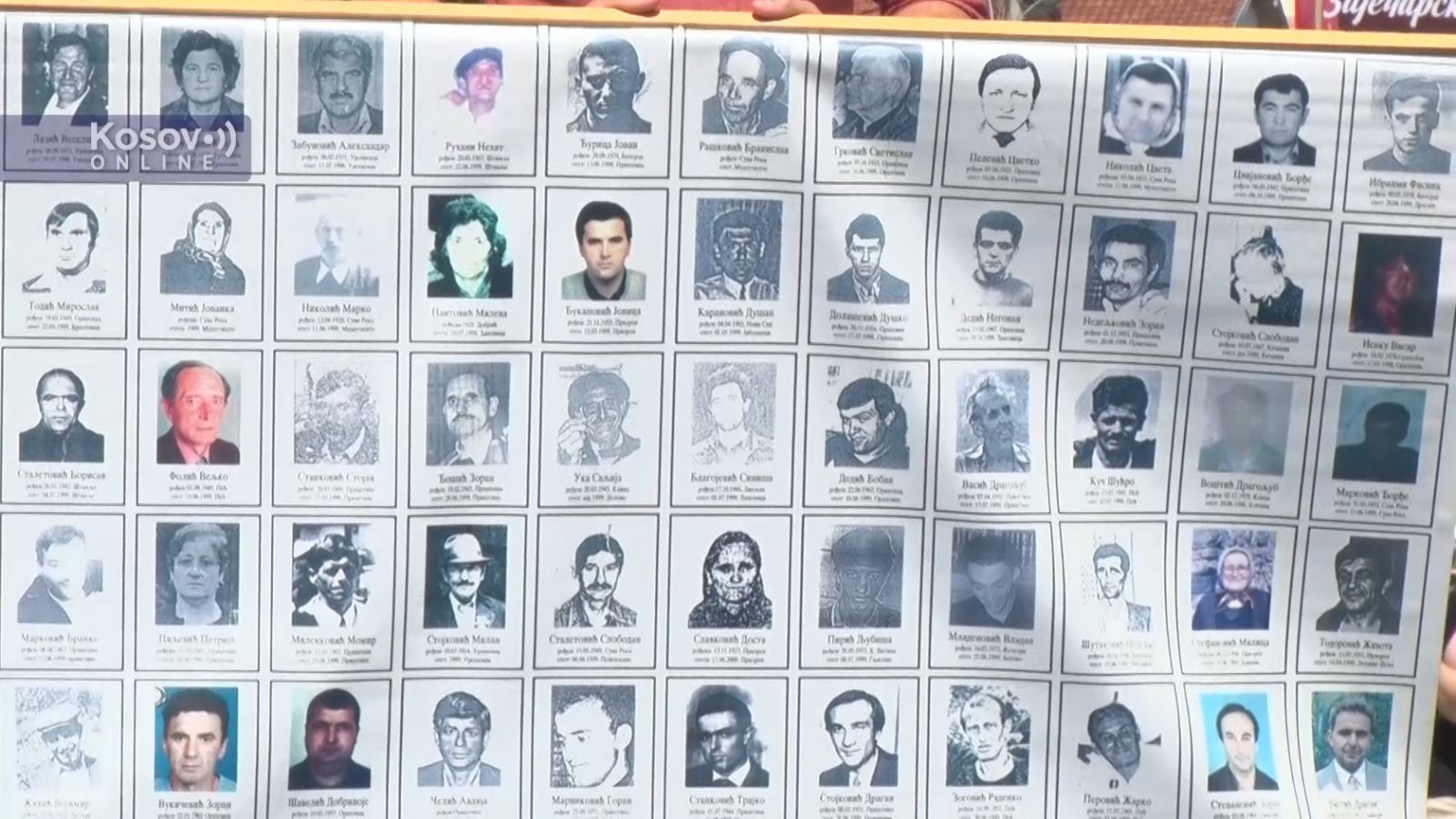
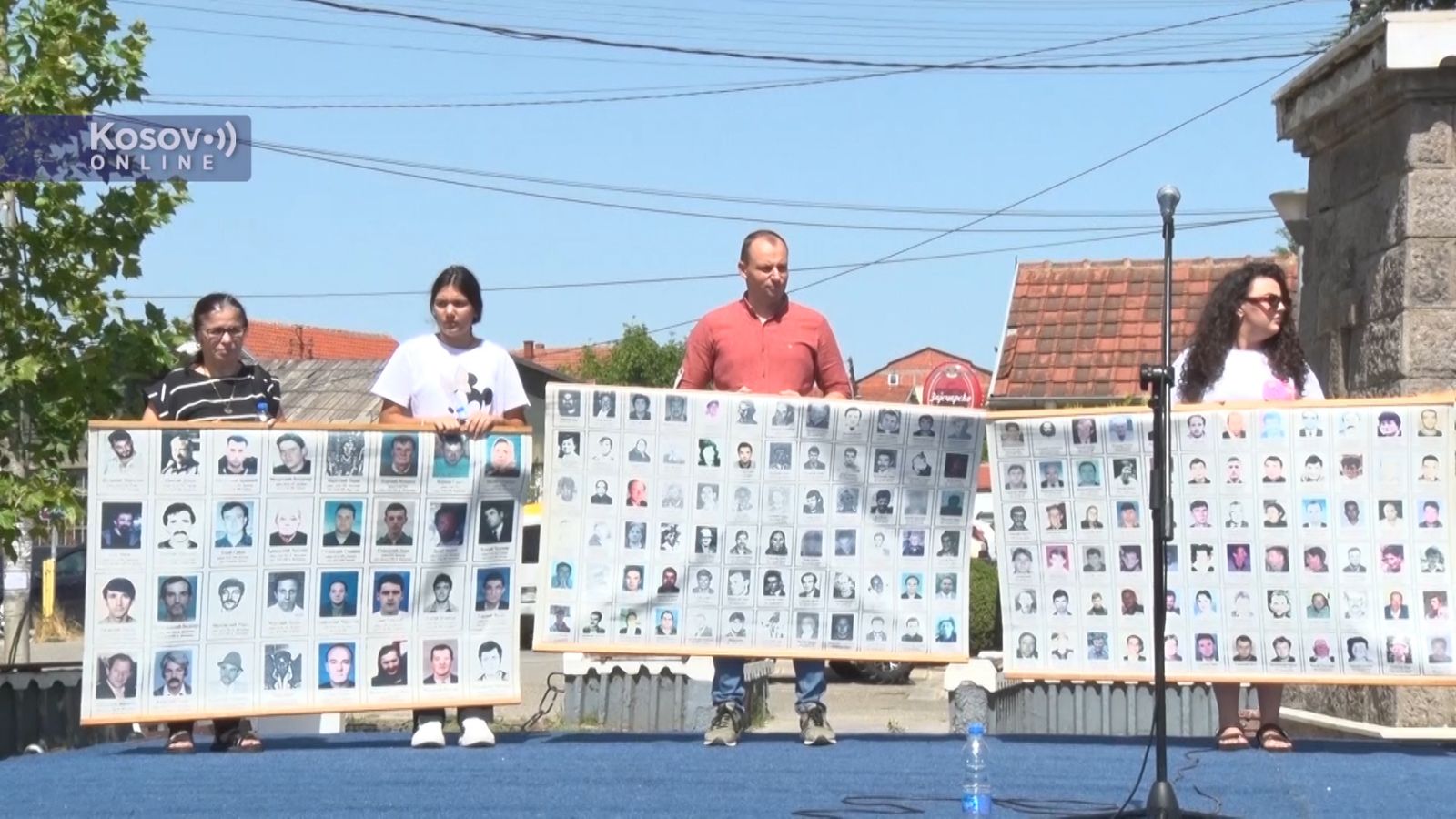


Dr. Nenad Antonijevic, Doctor of Historical Sciences and Museum Adviser at the Museum of Genocide Victims in Belgrade, also addressed those gathered, reading part of his review included in the monograph.
The first edition of ‘Stolen Truth’ was published in 2015, and now, with the support of the Commissariat for Refugees, the Association has released a second, expanded edition.


0 comments