
Vucic: Belgrade will not recognize Kosovo, we adhere to the UN Charter and Resolution 1244
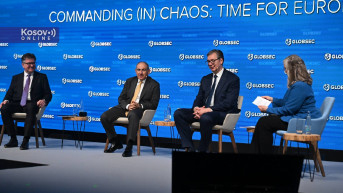
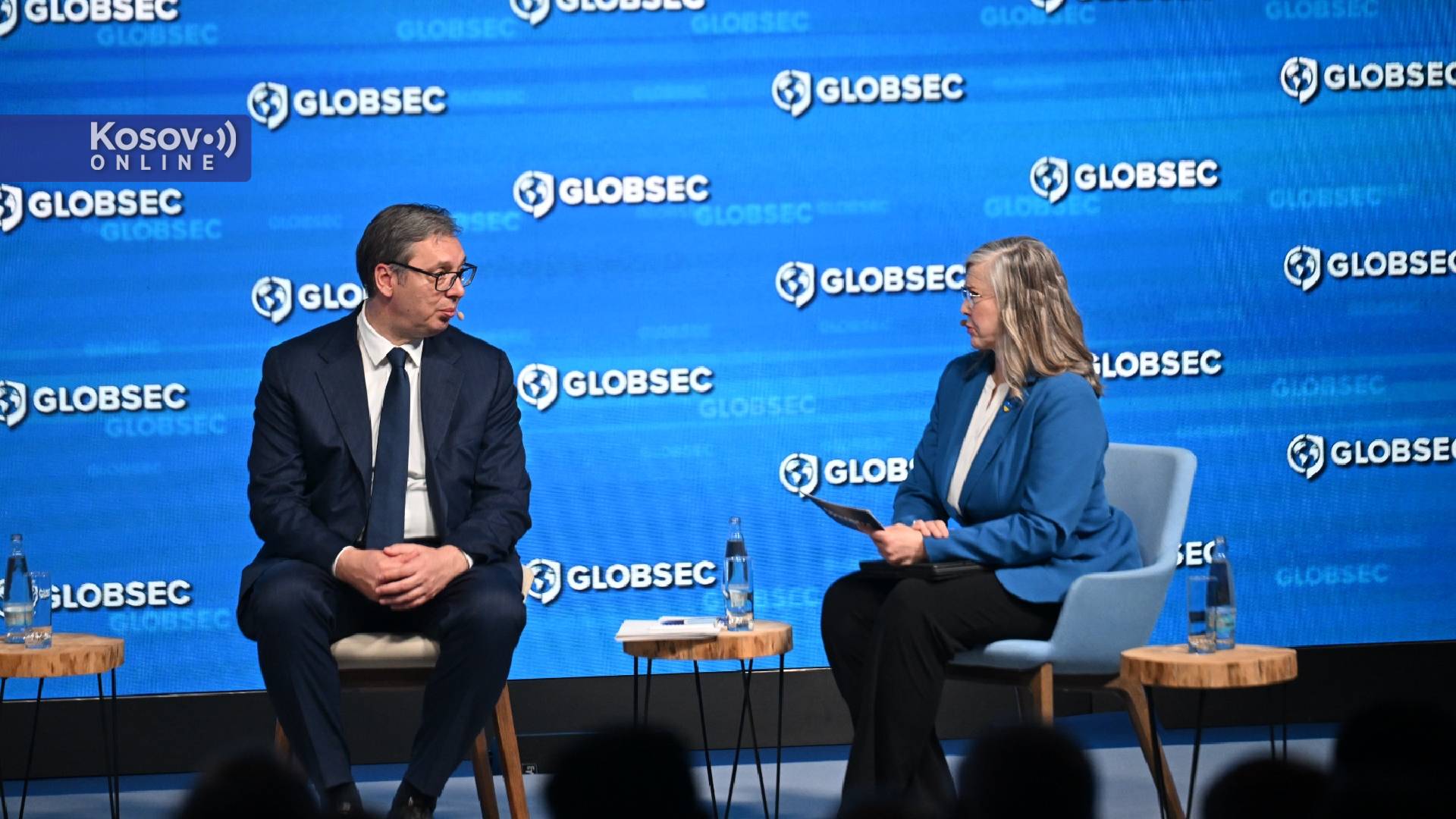
Speaking at the GLOBSEC Forum in Prague, Serbian President Aleksandar Vucic stated that Belgrade will not recognize Kosovo’s independence and that Serbia abides by international law, specifically the UN Charter and Resolution 1244, emphasizing that five EU member states still do not recognize Kosovo.
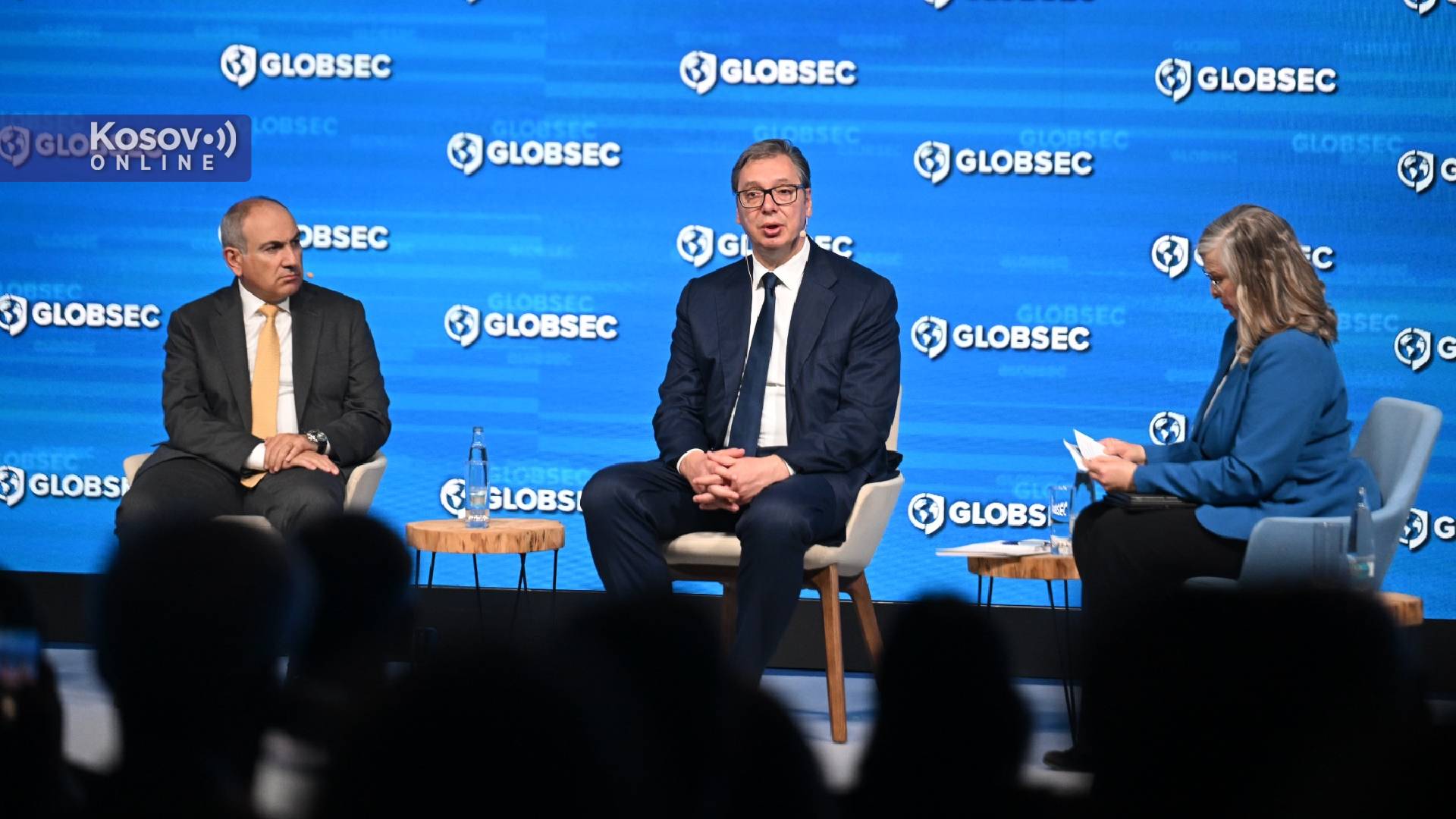
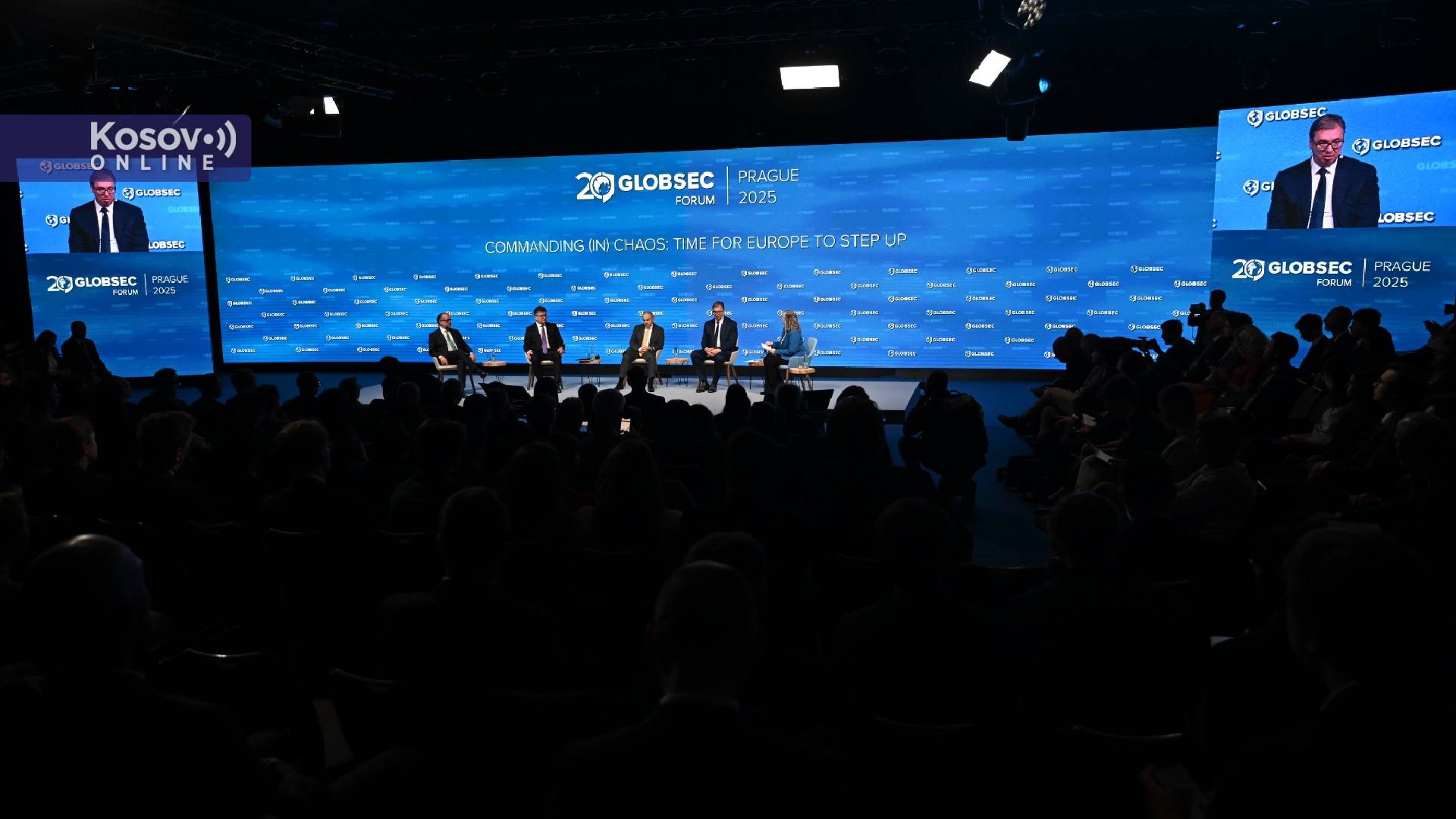
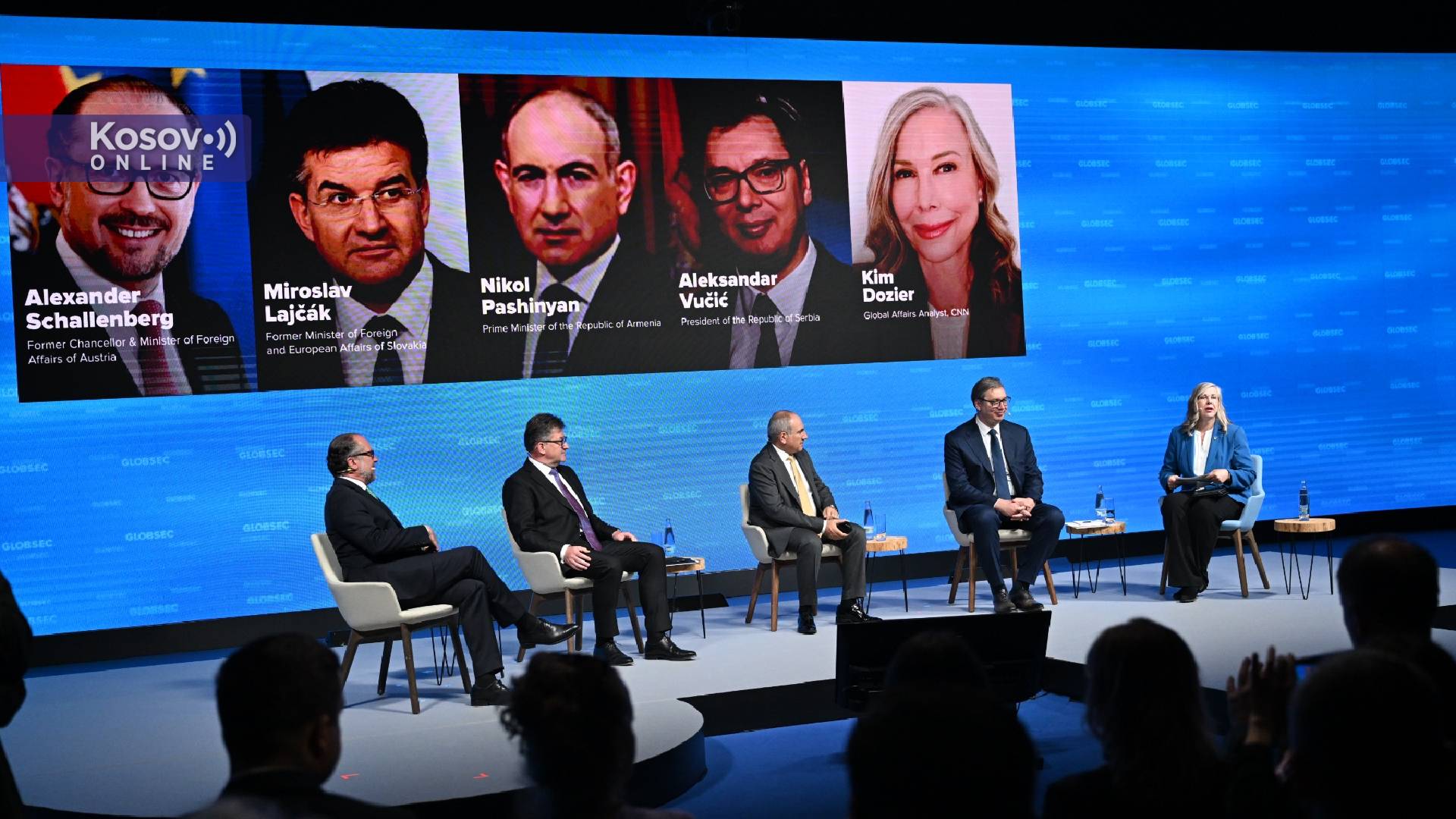
Addressing the panel "Seizing the Moment: Building Lasting Partnerships in the Neighborhood," Vucic said that Serbia should be more attractive to the European Union.
He emphasized that EU membership has always been a political decision, not one based on merit.
“We had the highest growth rate; we should be attractive to the EU. But it is also about belonging to the EU market, the fact that there are no more borders with other countries, which is hugely important for the economy. There are other reasons why we want to join the EU. Some would say values, but there are sometimes differences in how those values are defined. For us, the issue is a bit different, it concerns Kosovo and Metohija. We are sticking to the UN Charter and Resolution 1244. 22 out of 27 EU member states have recognized Kosovo’s independence. Five have not. Belgrade will not recognize independence, but neither are Bratislava, Bucharest, Athens, Madrid, or Nicosia willing to do so,” Vucic stressed.
Speaking about violations of international law, Vucic said it is difficult to explain to anyone in Serbia what is happening with Serbia’s territorial integrity while the entire world talks about Ukraine’s.
“As for our closeness with Russia, Russia has always been a friend to our country. That is well known, and I believe we have maintained a principled stance on the issue of Ukraine. We had close relations even 20 years ago, but back then, 80% of the population supported EU membership, and now it is much, much less,” Vucic added.
He said that Serbia has very good cooperation with Ukraine, and that he met with President Zelensky two days ago.
“Ukraine has always been a friendly country to Serbia. They respect international public law and have not recognized Kosovo’s independence. They didn’t even invite Pristina to the meeting in Odesa. We appreciate that. When it comes to arms, we do not have the right to sell or send equipment to either Russia or Ukraine. Some say it goes through third countries. There is no doubt that when you sell arms somewhere in the world, Ukraine or Russia may end up with them, but we do not directly export weaponry. We offered support for the reconstruction and rebuilding of towns and regions in Ukraine. We have provided tens of millions,” the Serbian president said.
He emphasized that Moscow has not applied major pressure because of this, but assumes they are not pleased.
“We act as an independent and sovereign country. The European path cannot be reduced to a question of choosing between Russia or Ukraine. We are not against Russia! We are not ‘little Russians’ as some imagine, we are Serbs. What matters more to us is the EU’s strategic approach. What does the EU want with us. Do they want us or not? There is always one country that objects to Skopje, and that’s Bulgaria. Croatia will always have objections toward Serbia. They will talk about problems with minorities, textbooks, anything to slow us down, and scold us over every single issue. That doesn’t build trust,” Vucic said.
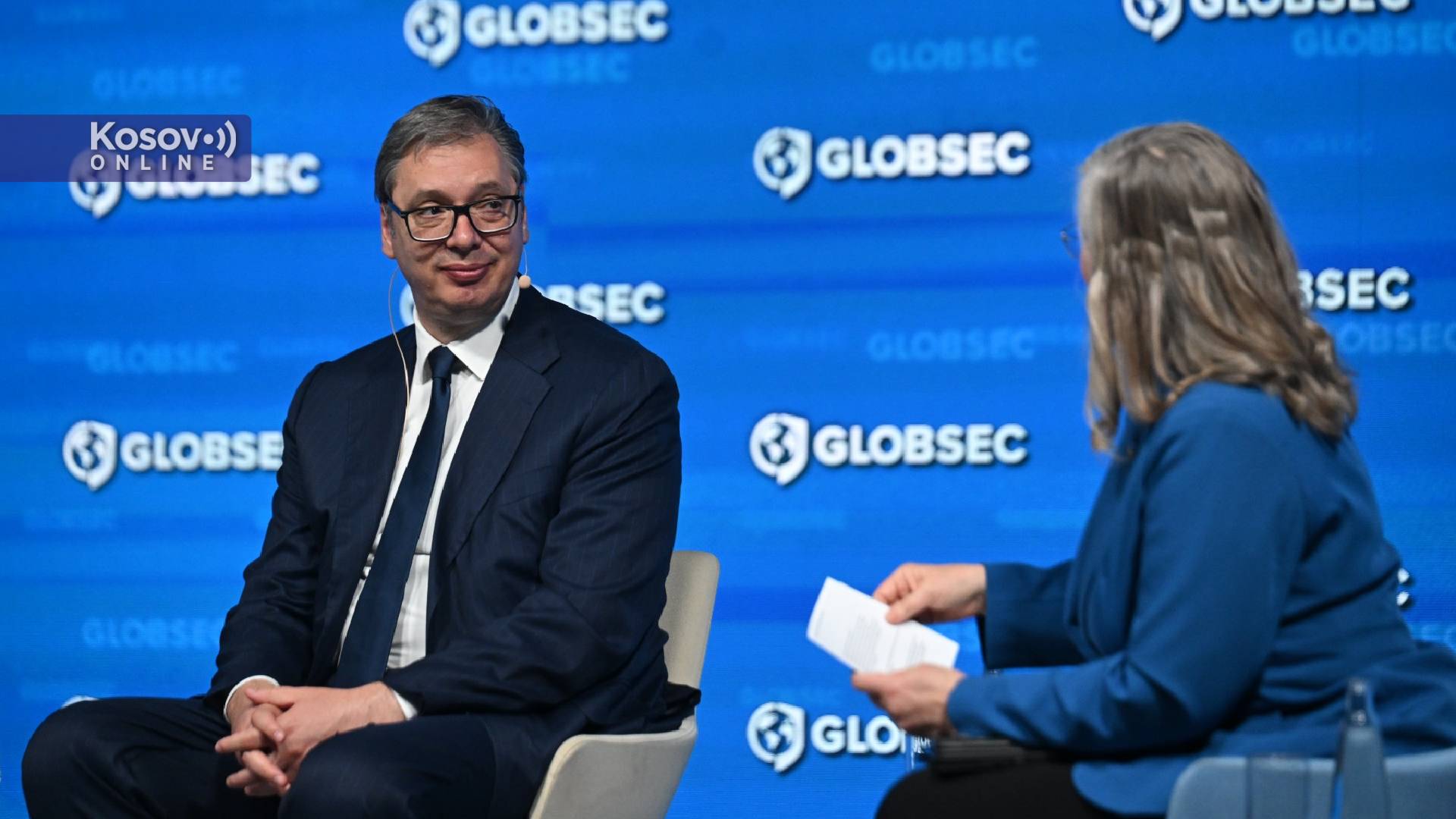
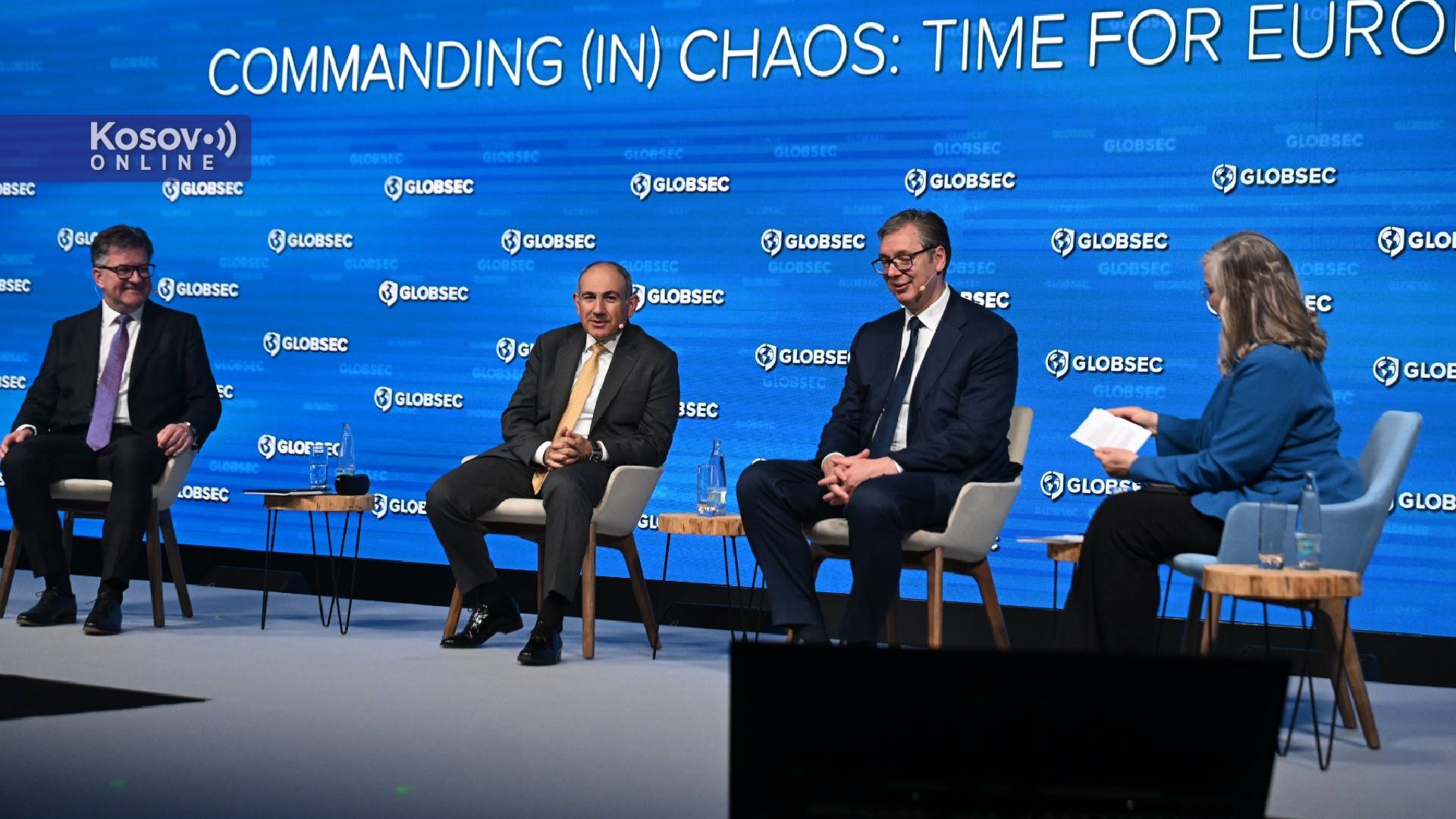
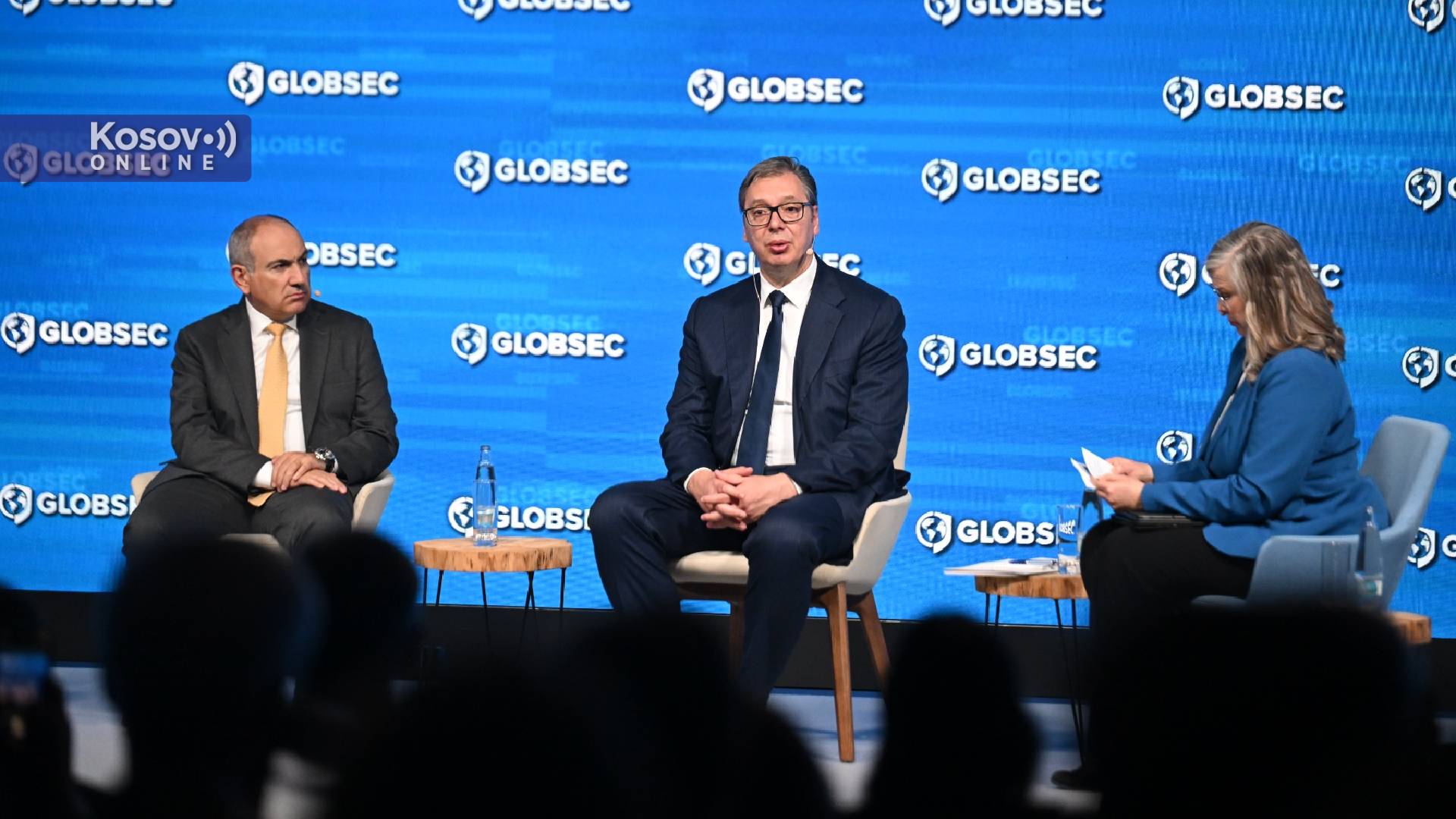
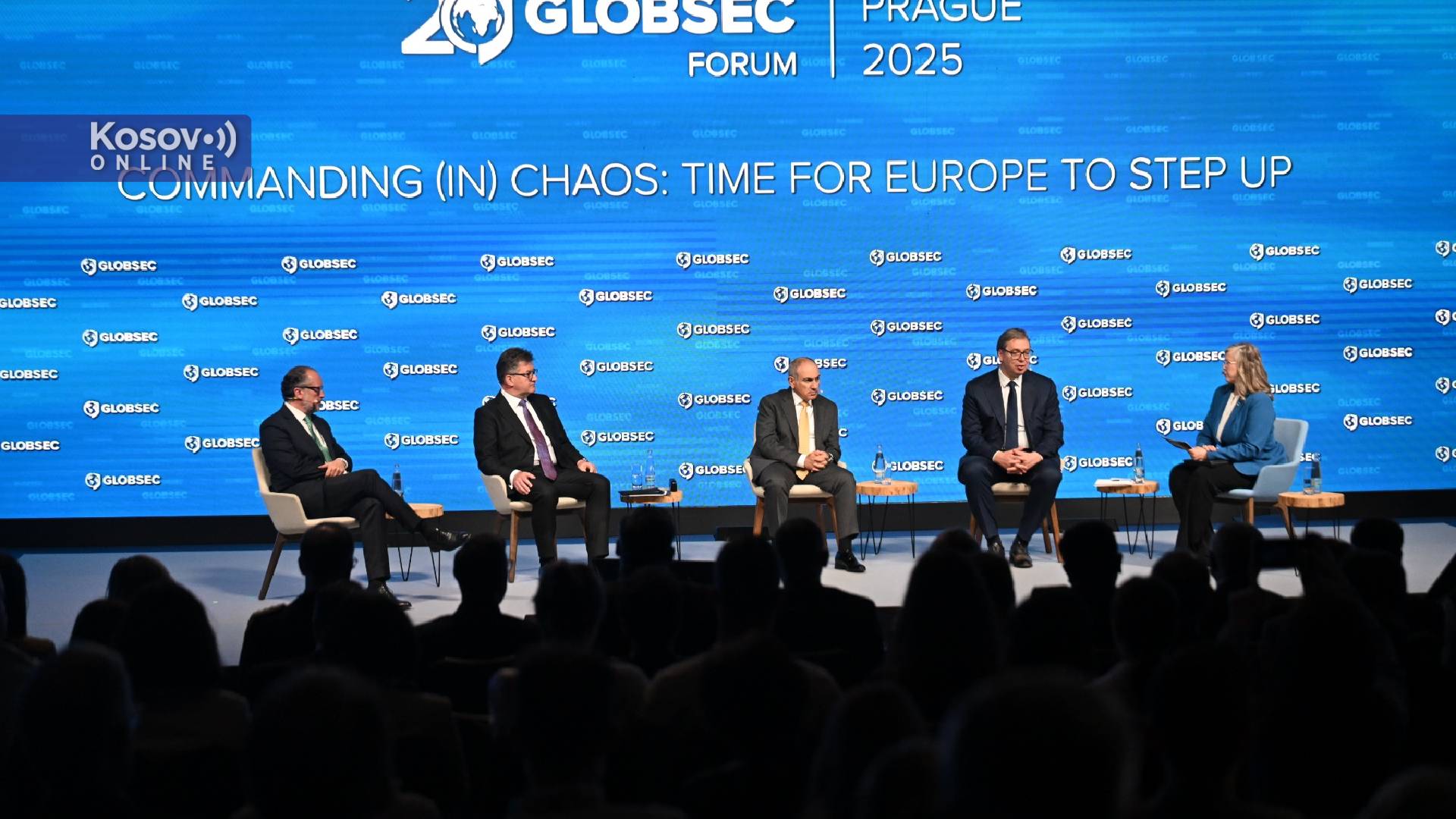
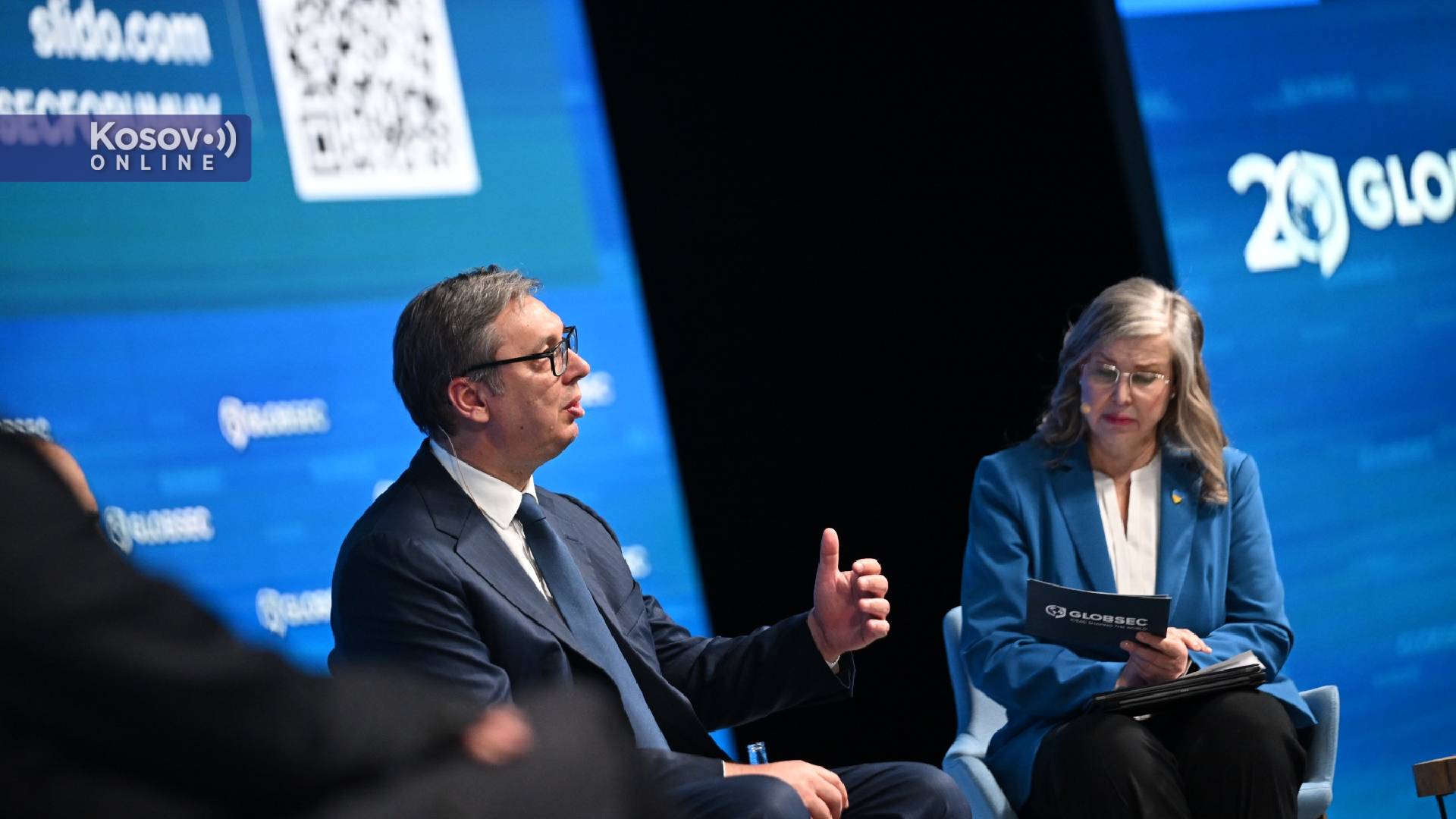


He acknowledged that Serbia has its own problems, and added that perhaps it is partly his fault that the EU is not as popular in Serbia as it once was.
“Maybe I need to run a more successful campaign in favor of the EU. There is no doubt, economically and politically, and in many other ways, no one can deny the EU’s importance. It is an emotional issue for us. When it comes to merit-based accession, some say Albania and Montenegro are more developed than Serbia. No one believes that! No one,” Vucic concluded.
Lajcak: Membership of Serbia and Armenia in the EU is good for the EU
Former EU Special Representative for the Belgrade–Pristina Dialogue Miroslav Lajcak stated during the panel “Seizing the Moment: Building Lasting Partnerships in the Neighborhood,” which he attended alongside President Vucic, that there is renewed momentum for EU enlargement and expressed hope that Serbia and Armenia will take advantage of it. He emphasized that both countries have been overly patient, given that, as he said, for over 10 years, there has been more talk about enlargement than real action.
Lajcak stated that Slovakia's stance on EU enlargement is clear and consistent, supporting the membership of countries that wish to join the EU and meet the required conditions.
He highlighted that the membership of Serbia and Armenia would be beneficial both for the EU and for those two countries, adding that Slovakia completed its EU accession negotiations in under three years.
"This means that for us, the process was clear, credible, and we completely transformed ourselves. Serbia began this process in 2014, it's already been 11 years, and there is still a long road ahead," said Lajcak, currently serving as an advisor to Slovak Prime Minister Robert Fico on security matters.
He pointed out that the accession process requires 300 unanimous votes in the European Council, which, in his view, does not encourage or motivate candidate countries, nor does it help them undertake the often painful reforms needed.
Lajcak believes there is a credibility issue with the accession process and that the right balance must be struck between its political and technical aspects.
“This is not a technical process, it is a political one, based on fulfilling technical criteria. We must avoid excessive bureaucracy and ideology,” Lajcak said.
He added that Serbia and Armenia have been too patient, as for more than a decade, there has been more discussion about enlargement than actual work on it.
"What is important is to understand that there are no shortcuts and no discounts. To function in the EU, you must meet the requirements," he said.
Schallenberg: Western Balkans is the gateway to the EU
Former Austrian Federal Chancellor Alexander Schallenberg said at the panel that he has no advice for Serbia and Armenia regarding EU membership, but he does have advice for the European community. He noted that the EU once viewed enlargement as its most powerful geopolitical tool, but that mindset has since been lost.
“We are thinking the wrong way. When Greece joined the EU in 1981, and when Spain and Portugal joined in 1986, it was to strengthen young democracies. It wasn’t about whether they could meet every demand. We have lost that mindset,” Schallenberg said.
Speaking about the war in Ukraine, he stressed the need to stabilize the region.
“If we fail in our neighborhood, if we keep focusing on interventions in the Middle East, we won’t succeed. My advice is: we must not adopt a purely bureaucratic approach, we have to think in geostrategic terms. Southeast Europe, or the Western Balkans, is not just our backyard; their problems are ours, and vice versa. Some of these problems, like migration, began within EU member states. Before a migrant reached Southeast Europe, they had already crossed the EU border,” he said.
Schallenberg emphasized that the Western Balkans is the gateway to the European Union.
“If we don’t have long-term stability in that region, we won’t have it in Europe either. We have seen what problems that has caused in the First and Second World Wars,” he noted.
Europe obsessed with Russia and China
Lajcak said that Slovakia, as an EU member, wants to help countries that aspire to join the EU because Slovakia wants them to enjoy the same benefits of membership.
“We are loyal members of the EU and NATO because we know that this space is vitally important, it brings us security, safety, and prosperity,” Lajcak said.
Regarding whether the EU has enough room to accept countries with close ties to Russia, Lajcak reminded that the EU’s motto is “united in diversity” and stressed the importance of respecting European norms and values, adding that there is a mechanism in place to assess whether these are being upheld or not.
He also emphasized that political conclusions should not be drawn based on tweets or media headlines.
“The world is not simple. When you read the media and know the reality, you can’t help but wonder how far the media image is from the truth. We are responsible people, diplomats, politicians, and we should focus on the substance, avoiding conclusions based on what some media or individuals say,” Lajcak said.
According to him, Europe is somewhat obsessed with Russia and China.
“Whether we like it or not, Russia and China exist. Instead of competing through meaningless declarations and statements, maybe we should compete in talking about how we engage with those countries. Of course, we cannot ignore them, they are permanent members of the United Nations,” Lajcak said.
He added that people will accuse him of not being anti-Russian or anti-Chinese enough, and said this “madness” should end.
“Look where it is leading us. It is time to be more responsible and less extremist. War is war, Russia is the aggressor in Ukraine, the war must end, and we must have a just peace. That is clear. But there is too much propaganda, too much ideology, and not enough common sense in this discourse,” Lajcak said.
0 comments