
Vujinovic: The cost of delaying the formation of institutions in Kosovo is both political and economic
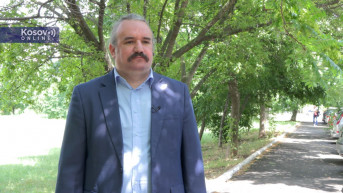
Security studies researcher Nikola Vujinovic pointed out that the cost of delaying the formation of institutions in Kosovo is economic, reflected in declining investment and delays in the disbursement of funds from the Growth Plan, but also political, reflected in dissatisfaction among citizens and the European Union.
"It all comes down to one necessity, and that is the implementation of the Growth Plan. As we know, the European Union approved certain funds at the end of last year after Albin Kurti's government was formed following the December elections. In doing so, they accepted a specific Roadmap outlining how issues would be addressed. In order to implement those measures and fulfill the Growth Plan, you need a government with a full mandate. The European Union insists that institutions be formed so they can operate at full capacity. Therefore, the political consequences can be reduced to a halt in integration processes and strategic dialogue with major powers, while the economic consequences involve the loss of Growth Plan funds, or rather delays in their disbursement," Vujinovic told Kosovo Online.
Another price Kosovo's politicians will pay if institutions are not formed within the legally prescribed period after the elections is voter apathy and even lower turnout in future elections, which Vujinovic predicts could be held relatively soon.
"Citizens of Kosovo from the Albanian community have sent a message to their political representatives that they do not accept this kind of behavior and this kind of delay in forming institutions," our interlocutor said.
He emphasized that representatives of business chambers in Kosovo have also called for the rapid formation of institutions because investors do not want to invest in Kosovo.
"So, from the economic perspective, there is the issue of investment, and from the political perspective, there is dissatisfaction among voters and the European Union," he said.
According to him, the international community, particularly ambassadors, above all the American and German ambassadors, can influence politicians in Pristina to resolve the institutional crisis as soon as possible.
"They are extremely irritated by these delays, irritated by nearly two years of institutional problems, and they are the ones holding the strongest cards. Why they are not using them is the question of all questions, because it is quite obvious that they are not pressuring the actors to reach an agreement. If they were exerting pressure, an agreement would have been reached on the very evening after the elections," Vujinovic said.

0 comments