
Closure of Serbian institutions in Leposavic further endangers social welfare recipients
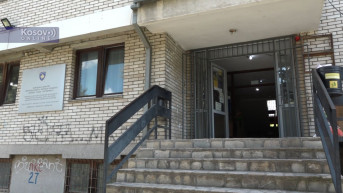
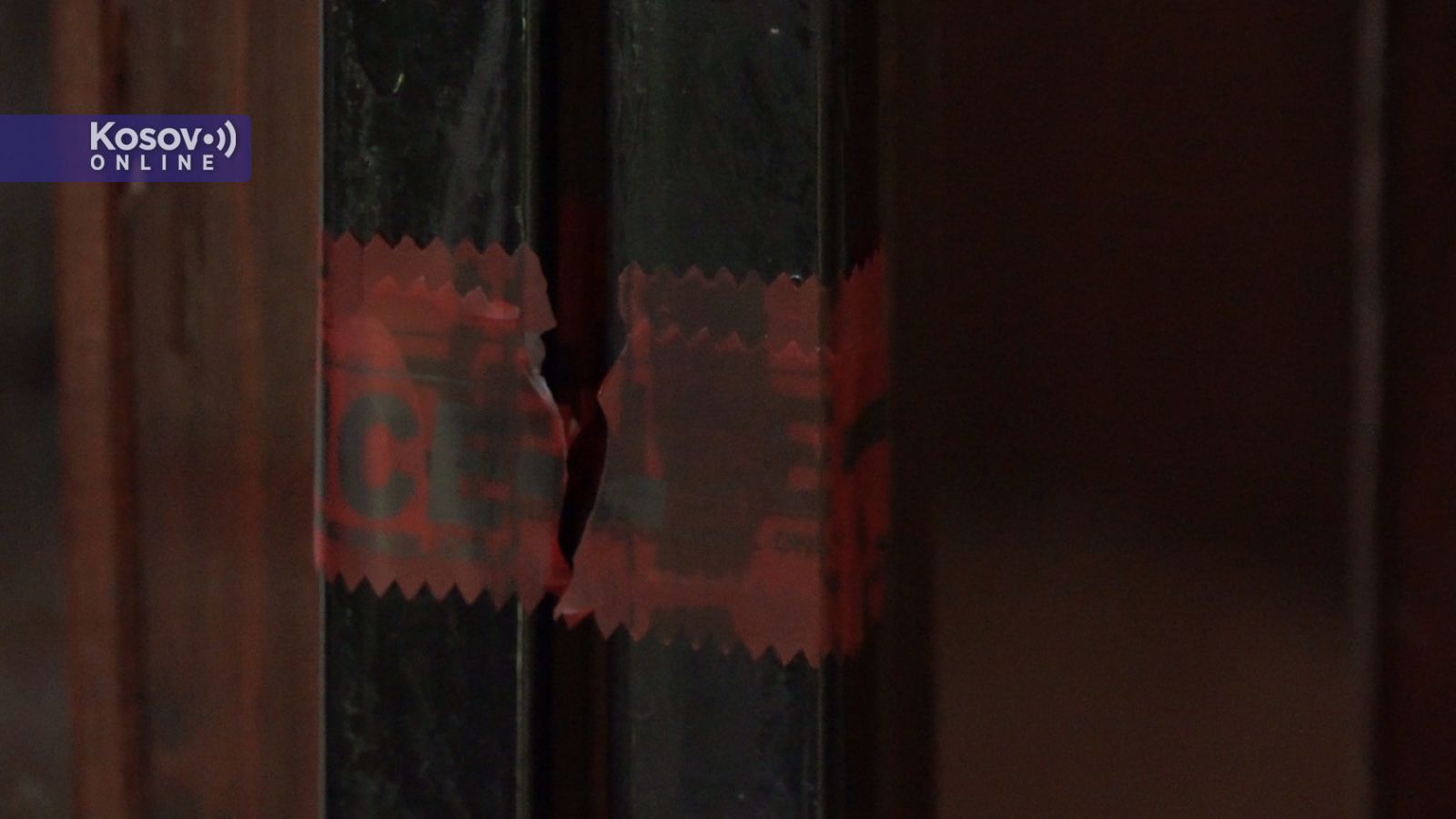
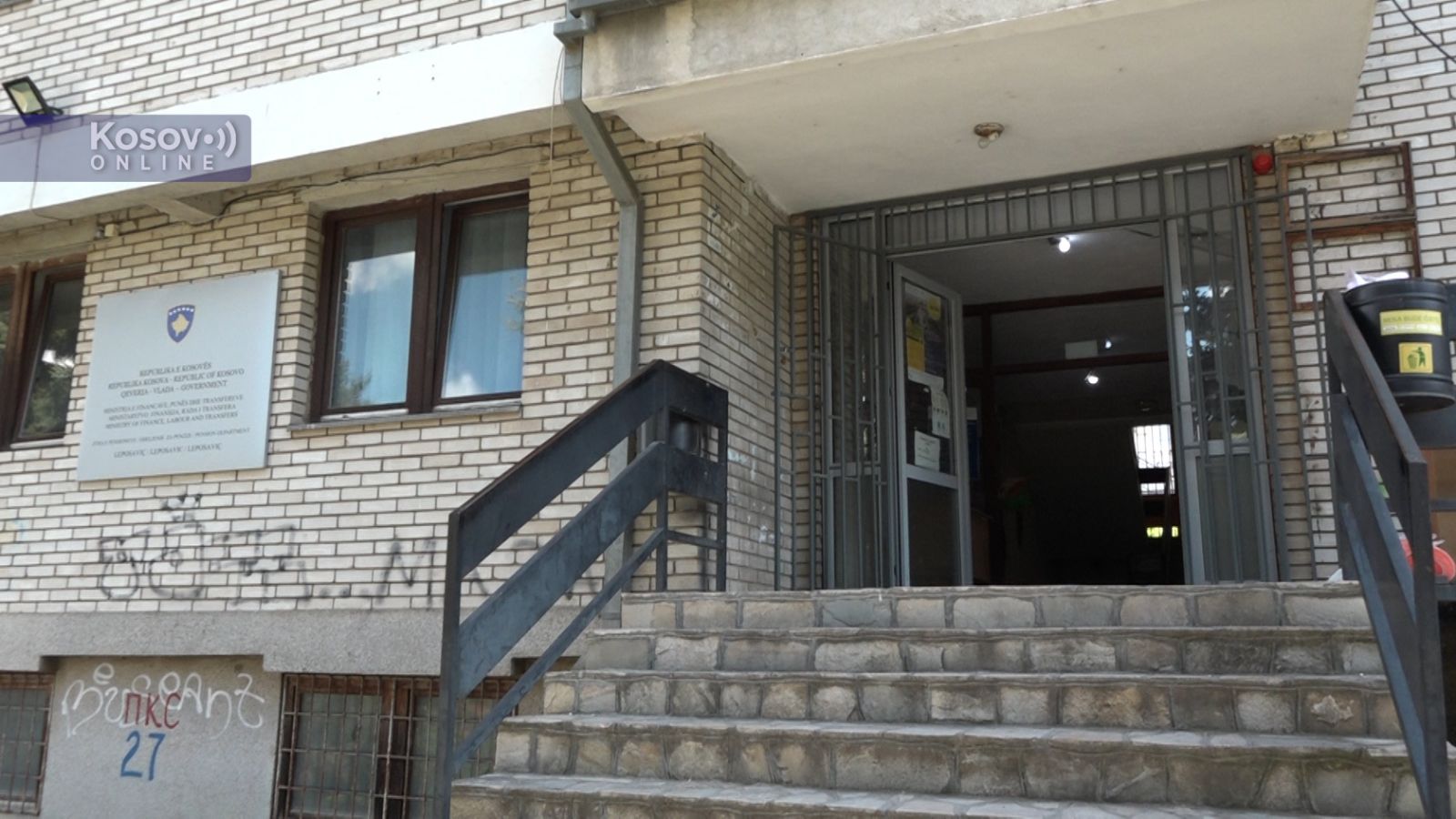
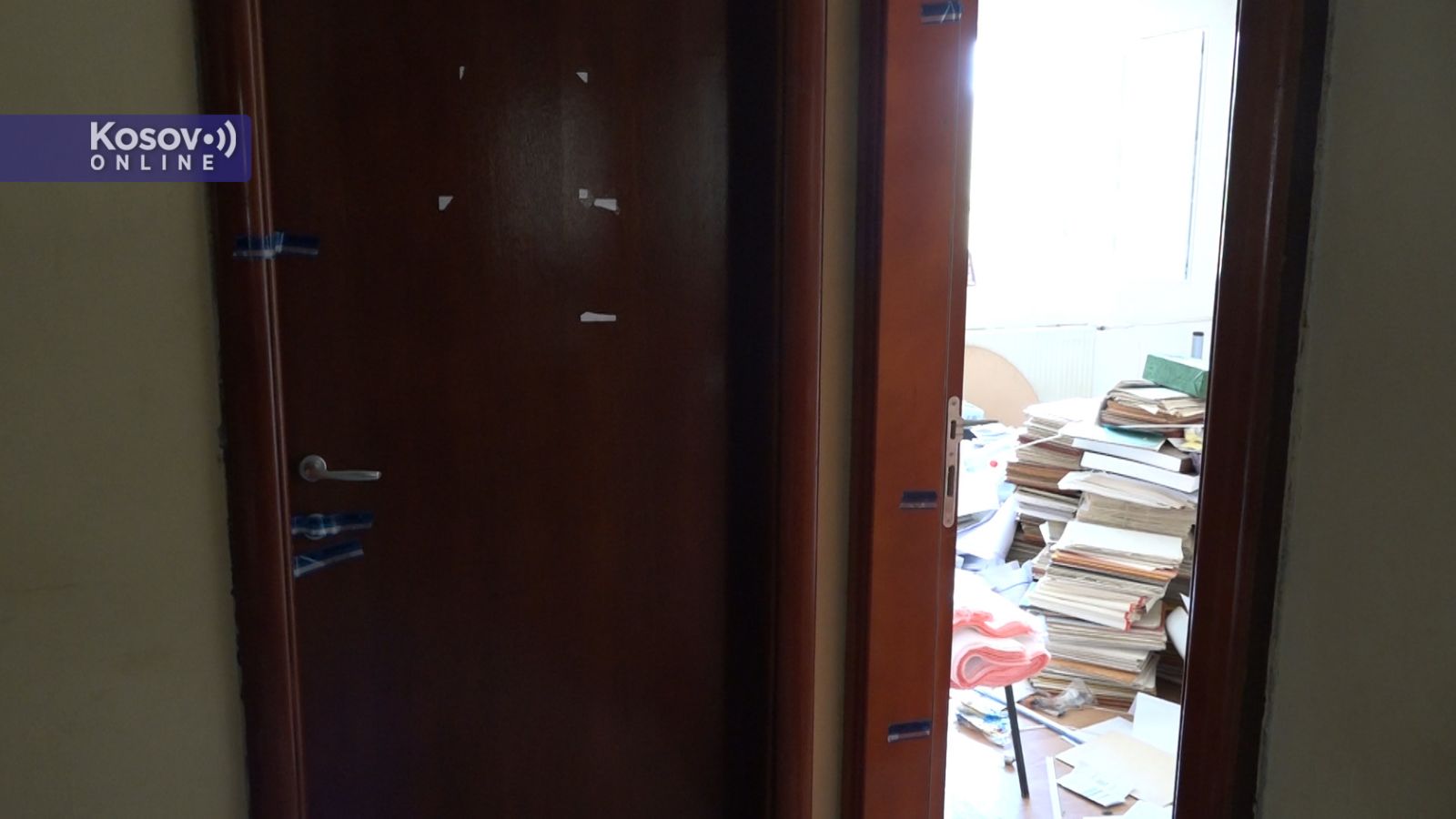
More than two months after the Kosovo Police closed the Center for Social Work in Leposavic, the situation for social welfare recipients has become increasingly difficult. Seven days ago, the offices of the Pension and Disability Insurance Fund (PIO Fund) and the National Employment Service were also shut down, and an eviction notice was issued to the company “Kopaonik PUTT,” which provides meals to over 20 displaced persons, as well as to the Serbian Institute for Health Protection and Health Insurance – Belgrade, branch for the Kosovska Mitrovica district.
Around 1,500 social welfare recipients are now facing problems obtaining the necessary documentation, and many are forced to travel more than 50 kilometers to access their rights.
Among them are single mothers, such as Svetlana Tomic, whose son suffers from diabetes, and Ana Vulicevic, a mother of three whose husband is unemployed and who herself cannot work because she cares for her sick mother.
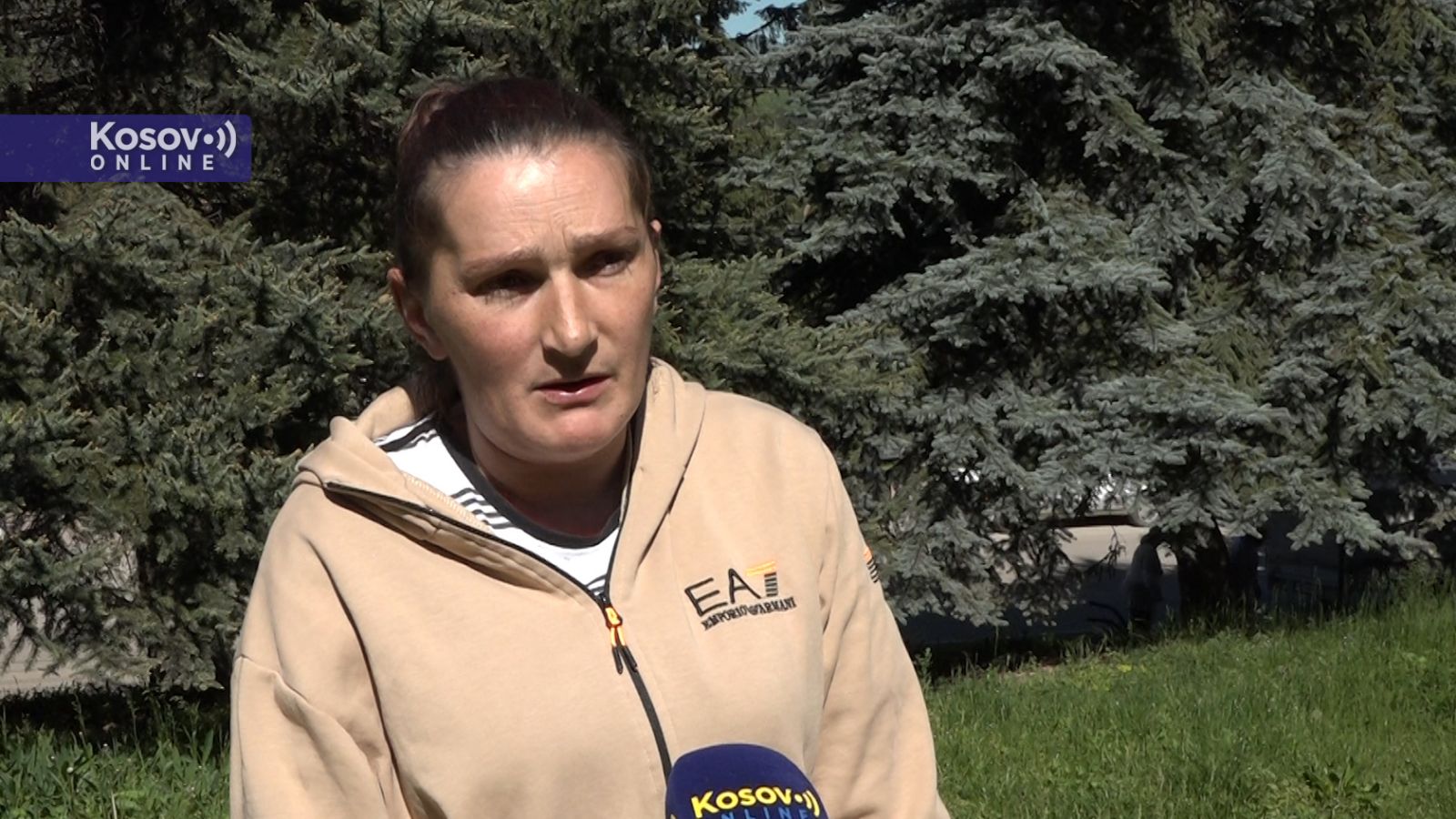
Tomic tearfully explains that life has become much harder since the closure of all institutions.
“I have a seven-year-old son. I’m a single mother with a sick child—he has diabetes and is on insulin. It wasn’t so hard until now, but since he got sick, it’s been extremely difficult. First, I have to go to Raška to pick up his therapy, insulin. Life in general has become hard. Since the institutions were closed, it’s been extremely difficult to renew social assistance and child benefits. I live off social aid, pay rent, and provide a special diet for my son,” Tomic said.
She states firmly that she has to fight for her child in any way she can.
“At the Clinical Center in Kragujevac, when we did the blood test for antibodies, it came back positive. They told us it was from COVID, but we have to keep going, we have to fight,” Tomic added.
She no longer knows where to go to collect the documents she needs to claim her rights.
“I receive social welfare in the amount of 23,000 dinars, which includes the child allowance. It’s really hard. Until now, I was able to manage everything, but since my son got sick, I have to dedicate myself to him. I don’t even know anymore where to get which document, since we used to do it all here, but now we first have to inquire, and only then act,” she says.
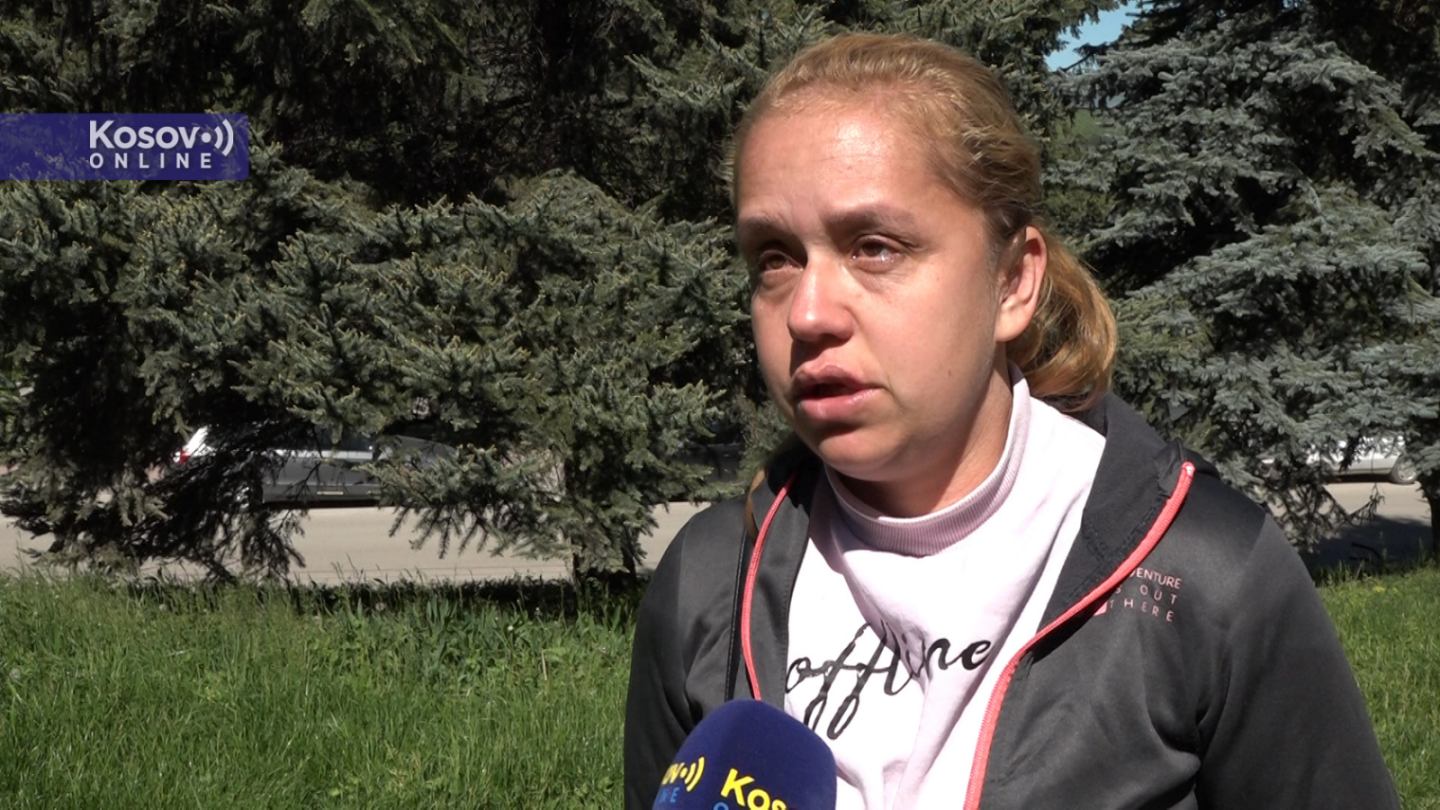
Ana Vulicevic, a mother of three, says she lives on social welfare because she cannot work due to her youngest child and also takes care of her sick mother.
“Due to poor conditions in the village, I’m forced to pay for private housing. I have three children. None of us work, we live solely on child benefits and social aid. I have a one-year-old and I’m unable to work. On top of that, I care for my ill mother who needs assistance,” Vulicevic said. Everything has become more expensive, including bus fares. It’s hard to spend an entire day just collecting documents for social welfare.
“It’s really a tough issue. First, we have to gather documents—now we don’t even know where. We go to Rudnica, and the bus fare has increased—500 dinars one way. And when I go, I have to take the children with me. It costs me 3,000 dinars to go to Rudnica just to handle the paperwork for social assistance. Now that everything’s closed, I don’t even know where to get the documents anymore,” she said with concern.
She adds that it is now even harder with the closure of the National Employment Service, which used to issue all the necessary documentation, including unemployment certificates.
“In April, I have to renew the documents for social welfare. The employment service here is closed, but I need a certificate from the labor bureau. I also need a school certificate for my child to renew the documents. I don’t even know who to contact anymore or where to get just one certificate. If I don’t submit one document, I’ll lose my social assistance—the only income I have, the only means by which my children live. That’s my only source of income, including child support. I pay 100 euros in rent from that assistance. If I lose it, I won’t even have money to buy milk for the kids or other necessities. All three are young—one is eight, one is six, and the youngest is just a year old. Especially for the baby—I can’t even afford diapers, let alone anything else,” Vulicevic adds.
Out of her modest social assistance, she says, she has to allocate money for transportation, and she usually takes her children with her because there is no one to watch them.
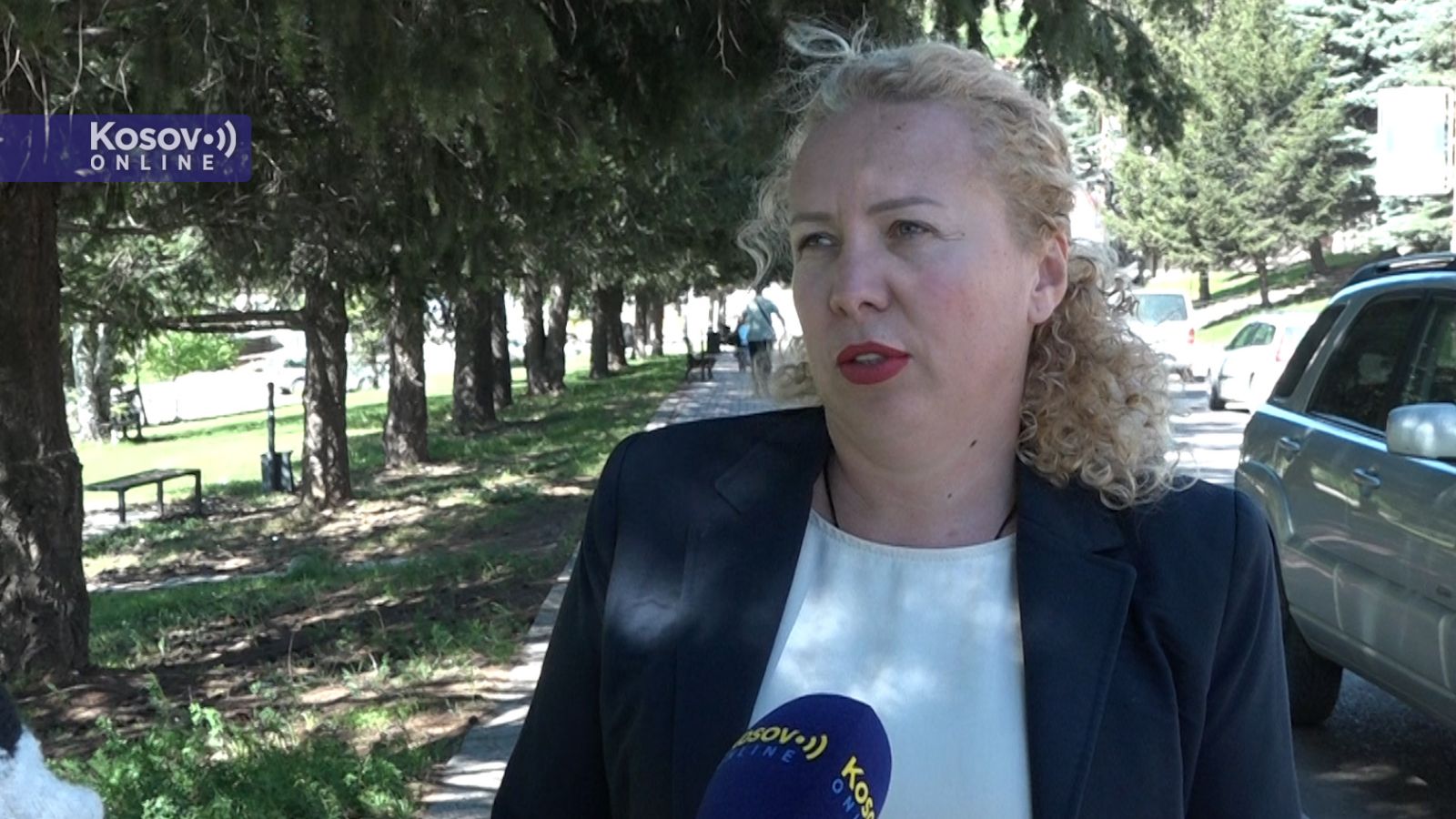
Natasha Nastic, Director of the Center for Social Work, emphasizes that efforts are being made to help the users, but the difficult working conditions and the inability to conduct field visits further complicate the situation, especially for the immobile and elderly.
Although social aid payments have not been suspended, the administrative burden and transport costs have become unbearable for the most vulnerable.
“For more than two months, the Center for Social Work has not been operational in Leposavic. We have organized ourselves in Rudnica, thanks to the Provisional Authority of the Municipality of Leposavic, to receive documentation and try to help social welfare beneficiaries,” said Nastic.
She also thanked the Office for Kosovo and Metohija, which she says is always there for them in every crisis, as well as the Ministry of Labour, Employment, Veterans, and Social Affairs, which allowed the continuation of aid disbursements despite the difficulties.
“Our staff are receiving salaries, even though we are not working at full capacity. All our users are receiving social assistance; payments have not been delayed, despite the problems. People are struggling at the border crossings every day to reach their rights. Now that the National Employment Service is closed, users must travel to Mitrovica to obtain certificates from the PIO Fund and the Employment Service, then travel to Rudnica to submit their applications for even the smallest one-time aid, and then come again to collect the documents,” said Nastic.
The worst part, she adds, is that they can no longer conduct field visits to assess who needs assistance, particularly elderly, sick, and immobile individuals.
“We currently have around 1,500 users receiving various types of social assistance. However, we have a much bigger problem—we are no longer able to conduct field visits and take statements when needed. In cases involving immobile individuals, we simply cannot go out to them anymore,” added Nastic.
She expressed hope that a solution will soon be found so that social welfare users do not have to bear additional costs on top of their already low income.
“I hope that a solution will be found, that the relevant authorities will manage to ease the process for both us and our users in realizing their rights. Social assistance payments are not high enough to cover the needs of these people in such conditions. Thanks to the Office for Kosovo and Metohija and the Municipality of Leposavic, we are trying to provide one-time aid to help with medical treatments, basic groceries, medicines, and similar necessities,” Nastic emphasized.
Attempts to contact the Mayor of Leposavic, Lulzim Hetemi, for a response were unsuccessful by the time this article was published.





0 comments