
Gazivode holiday home owners’ deadline to remove their properties approaches: I built a place for my retirement, and now that dream is disappearing
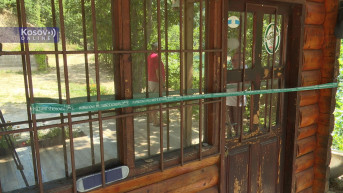
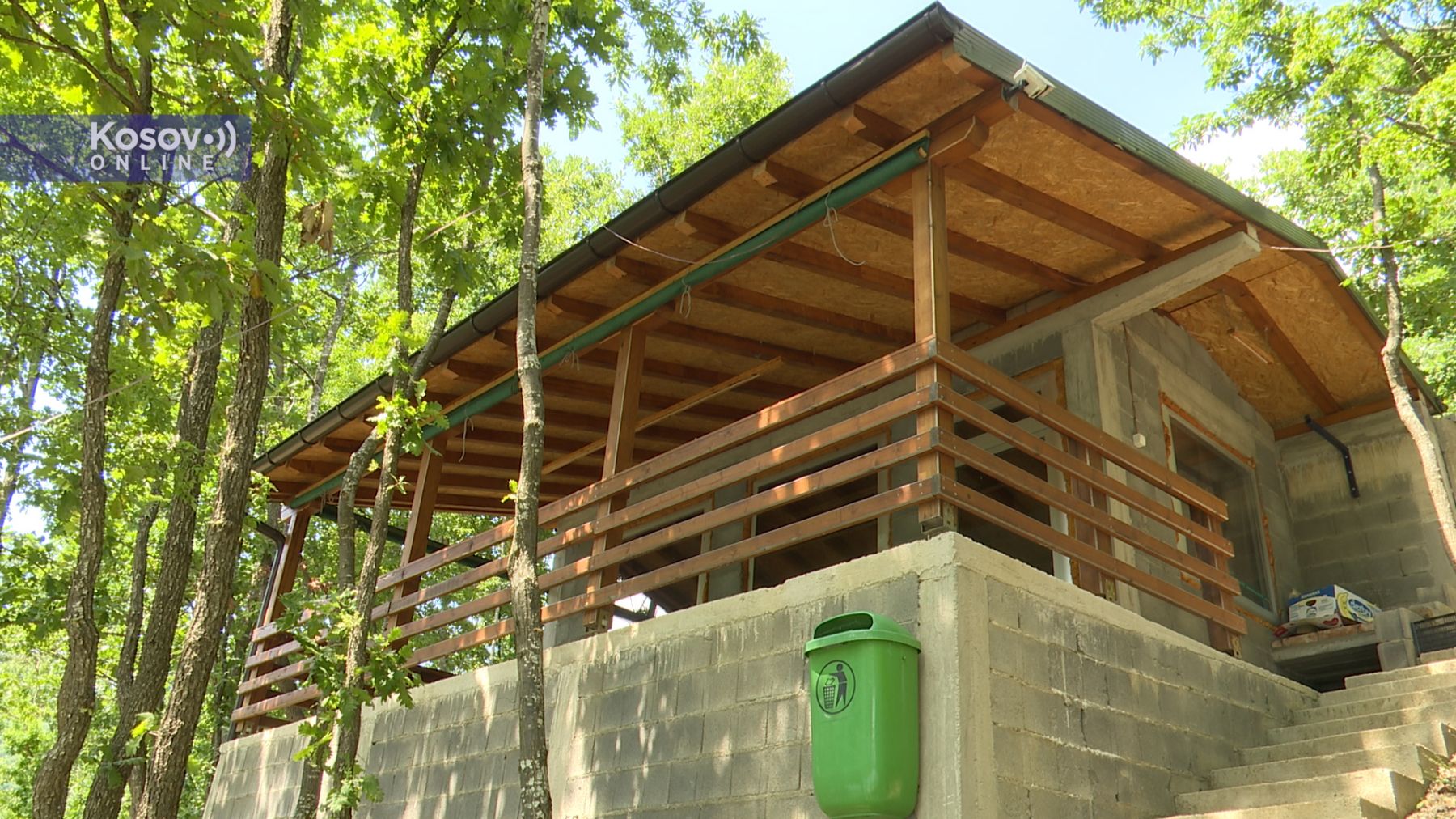
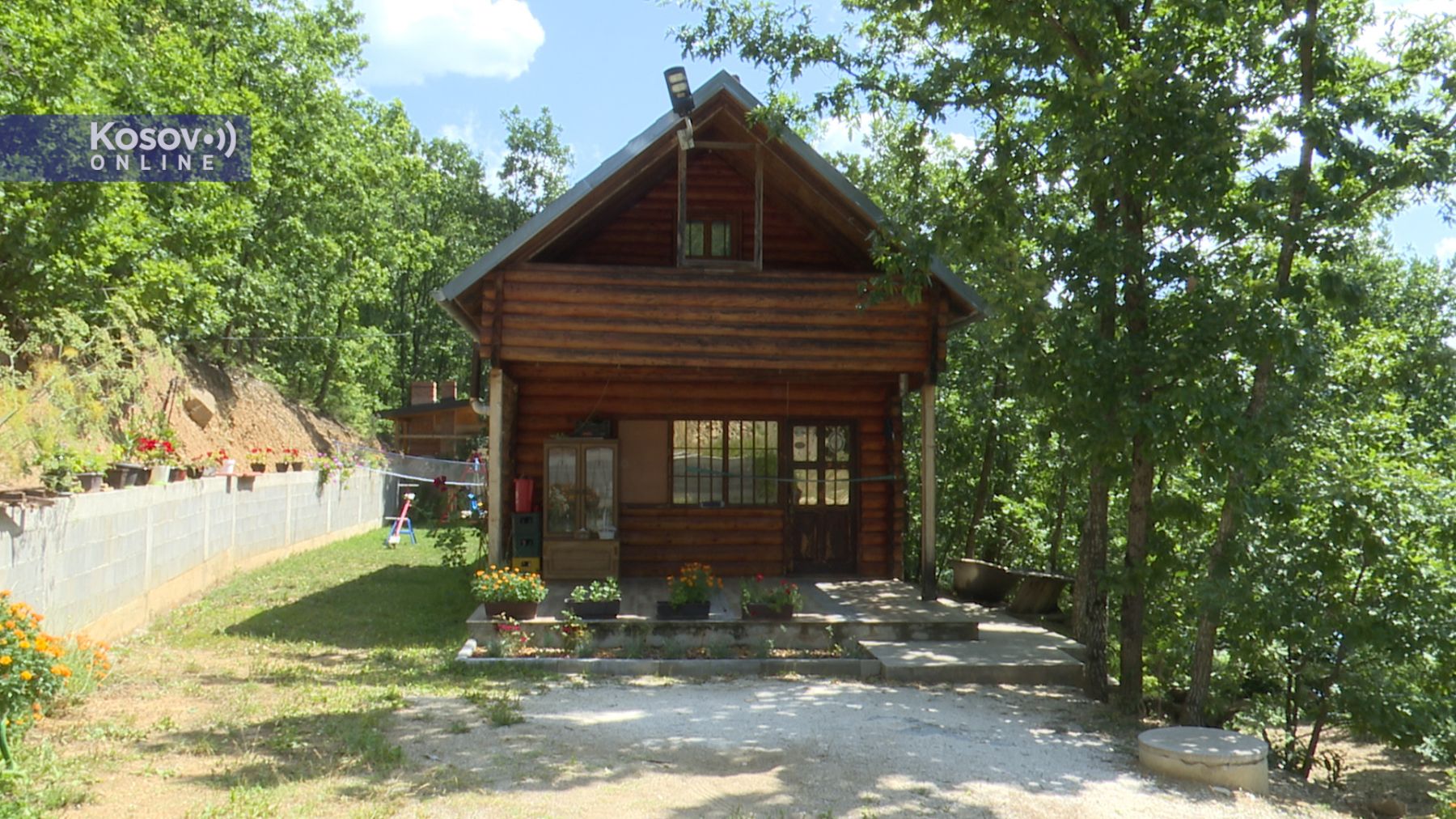
In the village of Medjedji Potok, on the shores of Gazivode Lake in the municipality of Zubin Potok, an unusual silence prevails this weekend. Around a dozen holiday homes are empty, despite summer temperatures reaching as high as 40 degrees Celsius. Unlike previous years, when the area was full of visitors and family gatherings, uncertainty now prevails among the owners because of the demolition of holiday homes in other parts of the shoreline and announcements that the same fate could befall theirs.
In previous years, the area was full of laughter and merriment during the summer. Family gatherings, get-togethers with godparents and friends, birthday celebrations, births and weddings were often marked at the holiday homes, which their owners made available not only to their families but also to friends, neighbors and often even acquaintances they had only just met.
As the owners say, it was a piece of paradise they wanted to share with all good people who wanted to experience the joys of spending summer days at Gazivode Lake.
The idyllic story of these days is being spoiled by the shadows of bulldozers and machinery whose movement can be heard echoing from the other side of the lake.
These are the same machines that, several days ago, demolished holiday homes similar to these down to their foundations, following decisions by Kosovo's Ministry of Infrastructure, the “Ibar-Lepenac” company or other institutions that ordered the owners to remove the structures within ten days, warning that otherwise they would do it themselves.
The owner of one of the holiday homes, Vidosav Kragovic, comes every day, waters the flowers around the property, cleans, and looks on with disbelief and hope, examining every part of the holiday home, every brick, the fireplace and the barbecue.
He is a host who, like the vast majority of residents of Ibarski Kolasin, remembers his ancestors as people who always gave at least something of their personal property for the benefit of everyone.
He says he built all 87 steps down to the lake himself, with his own hands, and that he found the 42-meter-deep well with the help of an Albanian who knows how to locate groundwater. He also says that he often exchanged fishing experiences with Albanian fishermen on the shore and that he shared both bread and a glass of water with everyone he encountered there.
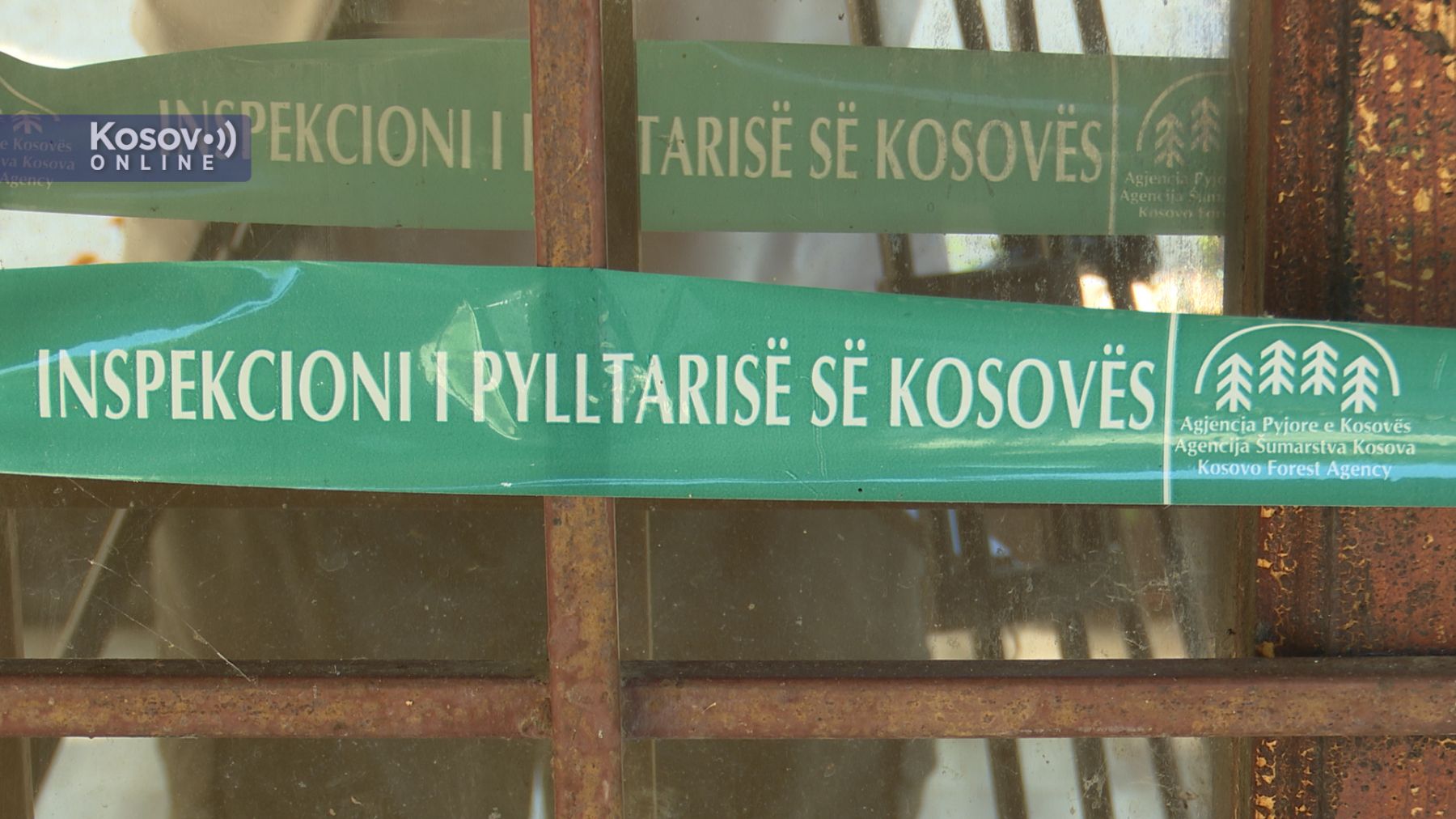
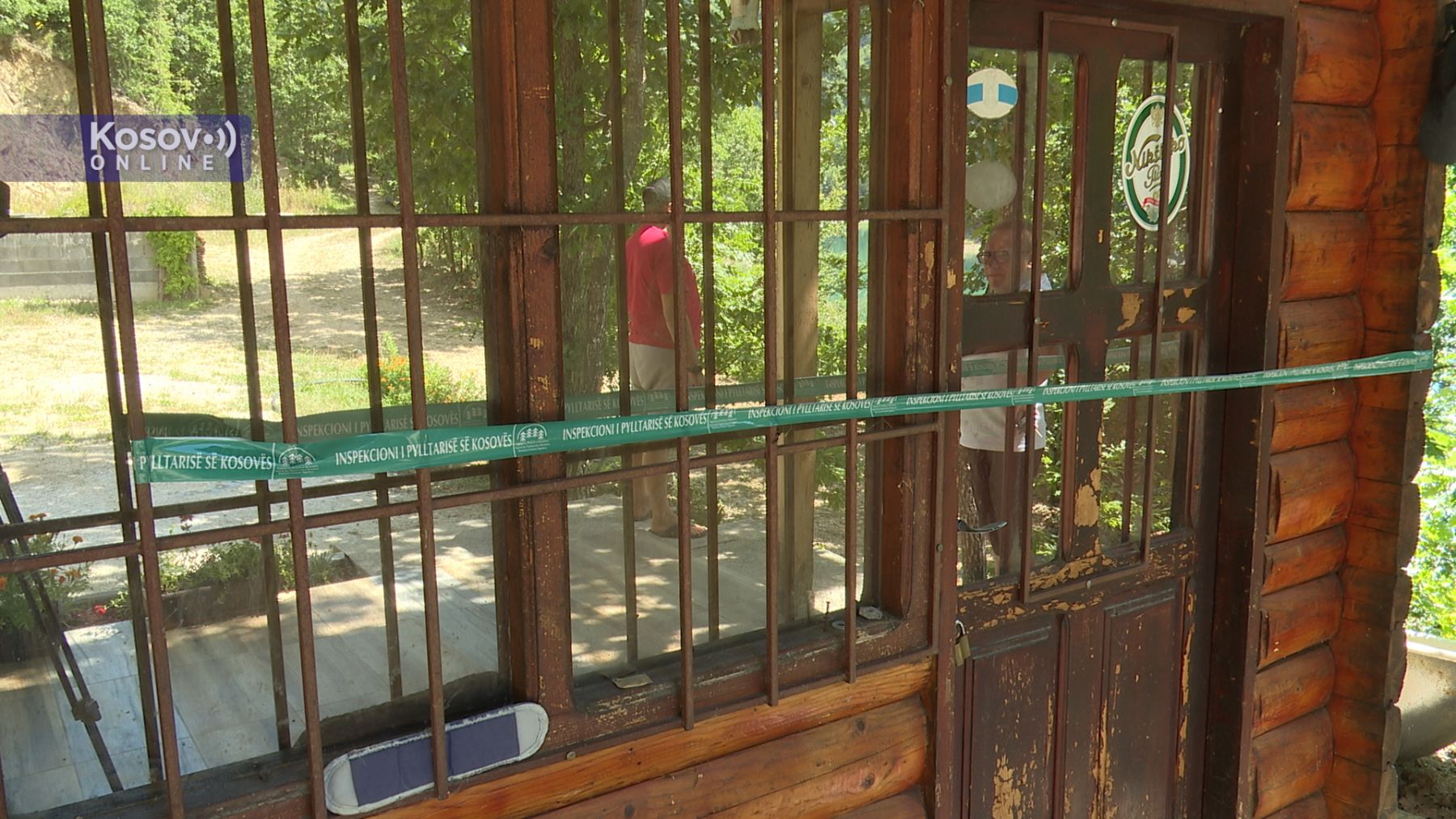
“One day, written notices appeared saying that we should take the documents we had concerning the properties to the police station in Zubin Potok. That was two years ago, and then everything went quiet. In the meantime, someone filled in the access road and built a large parking lot that can accommodate more than 20 vehicles. Not far from there, Agim Bahtiri's pre-election campaign video for the Kosovo elections was also filmed. We do not know what the plan is, but at the end of July we found the tape still attached to the property. One of the neighbors was told to call the others and that we should go to Pristina, to the Ministry of Agriculture and Rural Development. When we got there, decisions were already waiting for us, translated into our language, stating that we had ten days to remove everything from the plot,” Kragovic begins his story.
He says he was in disbelief when he received the decision in Pristina and that, at that moment, he remembered his childhood and his roots, which have been tied to Ibarski Kolasin for more than 200 years.
“The documents state that my roots have been here for 200 years. My vision was that, despite everything that is happening, we would persevere in these parts, but what has been happening over the past two to three years, and especially in recent days, in Zubin Potok has greatly discouraged me. I am not a man who will give up or be afraid, but I think I was wrong in my thinking. When I received the decision, I hoped for something, but not that we would have to remove everything within ten days. What I had been working on for years, since 2017, when I signed a contract with ‘Srbija Forests’, which at the time was the only one operating here, until today, had never been the subject of any complaint or warning. No one asked me whether I was here or whether I had the papers. Suddenly, people appeared who were putting up these tapes and saying that this was the property of the Republic of Kosovo, that is, the Kosovo Forests. They knew that ‘Srbija Forests’ was operating. I do not know why they did not stop this if they say they have been in power since 2008,” our interlocutor says.
He particularly emphasizes that he was building a family retreat for himself and his family and dreamed that this would be a place where, in old age, he and his wife would find peace and tranquility.
“I had a vision and a plan for what I was building. I was not building a house, but a place for myself and my wife, for the period ahead, for our later years. However, I now think that dream is unattainable. I absolutely did not feel that anyone in Pristina understood my concerns or my situation, or that anyone wanted to help us. I felt cynicism behind a seemingly polite story. The decision was handed to me by the director of the Forestry and Hunting Inspectorate. When I told him that I had a 42-meter-deep well on the plot, which I had paid for myself, that I had brought in an Albanian who specializes in drilling wells, and that I had a raft and a boat that I had built for myself and my family, he told me: ‘No, you will no longer be able to swim here. That will be prohibited.’ What that means, we will see in the future,” Kragovic tells us, recounting his conversation with the inspector in Pristina.
What particularly pains Kragovic are the double standards which, he says, are intended to make Serbs feel subordinate, while parking lots are being built, video screens installed and even makeshift businesses set up in the immediate vicinity of his property.
“Those who are not afraid are still here, and I hope that we who do not feel fear will not leave either. However, I pointed out to them in our conversation the double standards and the fact that we Serbs have been placed not only in a subordinate but also in a humiliating position. I pointed out that they had financed a parking lot and arranged the beach for people coming from south of the Ibar, which I have nothing against. They even brought in a kiosk, a large screen, and portable toilets. When I pointed this out to them, they told me that some structures had financed it. I wanted to correct them and said that it was financed by the Kosovo government, that the interior minister is often present here and that the police frequently provide security at the site. They did not let me say what I had to say. For me, the most frightening thing is that we have nowhere to turn. As our people would say: ‘High walls in front, deep waters behind.’ We are where we are. I hope we will endure and remain where our roots are,” Kragovic emphasizes.
The deadline for demolition is approaching, so we asked Kragovic what he expects and who will be happy if his property is no longer there.
“They gave us the opportunity to file an appeal, which I used and submitted an appeal to the department responsible for this. I am waiting for a response. They told me that after that I could also go to court. I would not know how they will proceed now. I hope it will not be the same as what happened on the other side of the lake,” Kragovic says hopefully.
A request to the media is to show “the whole world” what is happening, while representatives of the international community are urged, as he put it, to correct their mistake.
“You, the media, should follow this story and show the people, the wider public and the whole world what is happening. Perhaps one day it will be proven that all of this was a great act of terror, a major mistake, and that the international community should not have allowed it. Unfortunately, they are turning a blind eye now, standing by and watching. I do not belong to any political party and I am not involved in politics. I am an ordinary head of a household, a man who lived here, who lives here and intends to stay,” Kragovic concluded.


0 comments