
Gudzic: The Great War is remembered as great suffering
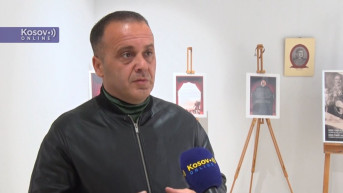
Historian Aleksandar Gudzic stated, on the occasion of commemorating Armistice Day in World War I, that the Great War has remained in the collective national memory of the Serbian people as a time of great suffering, and that Serbia has never managed to recover from its consequences, even though it emerged from the war as a victor.
Gudzic reminded that World War I, known among the people as the Great War, ended with the signing of the armistice by the German delegation and the Allies in the forest near the town of Compiegne in France on November 11, 1918, at 11 o’clock and 11 minutes.
“As far as Serbs are concerned, it has remained in the collective national memory as a time of great suffering. To recall, in that war Serbia experienced a demographic catastrophe from which it never recovered. It lost more than 50 percent of its male, militarily capable population. It emerged from the war as a victor, entered a new state, but Serbia never managed to recover from the consequences of that war,” Gudzic told Kosovo Online.
He emphasized that the memory of World War I was neglected after World War II, with the arrival of a new ideology and system, but that Serbia later began once again to nurture remembrance of the Great War.
“What is interesting to point out is that in that interwar period, the then state, elites, and the church gave that suffering a Christian meaning, and in my opinion, that is legitimate and good. Only if you give suffering a Christian meaning can you prevent yourself from falling into the trap of calling for revenge or taking the path of vengeance,” Gudzic said.
He noted that the Gracanica Cultural Center has, for years, organized exhibitions of paintings and documents, as well as book promotions and public discussions marking the anniversary of the end of World War I, with the goal of preserving the memory of the Great War and the suffering it brought.



0 comments