
Gulic: Today we also remember Serbia’s victories at Cer and Kolubara, glorious episode at Kajmakcalan, and breakthrough of the Thessaloniki Front
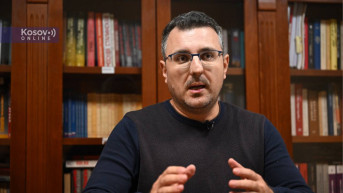
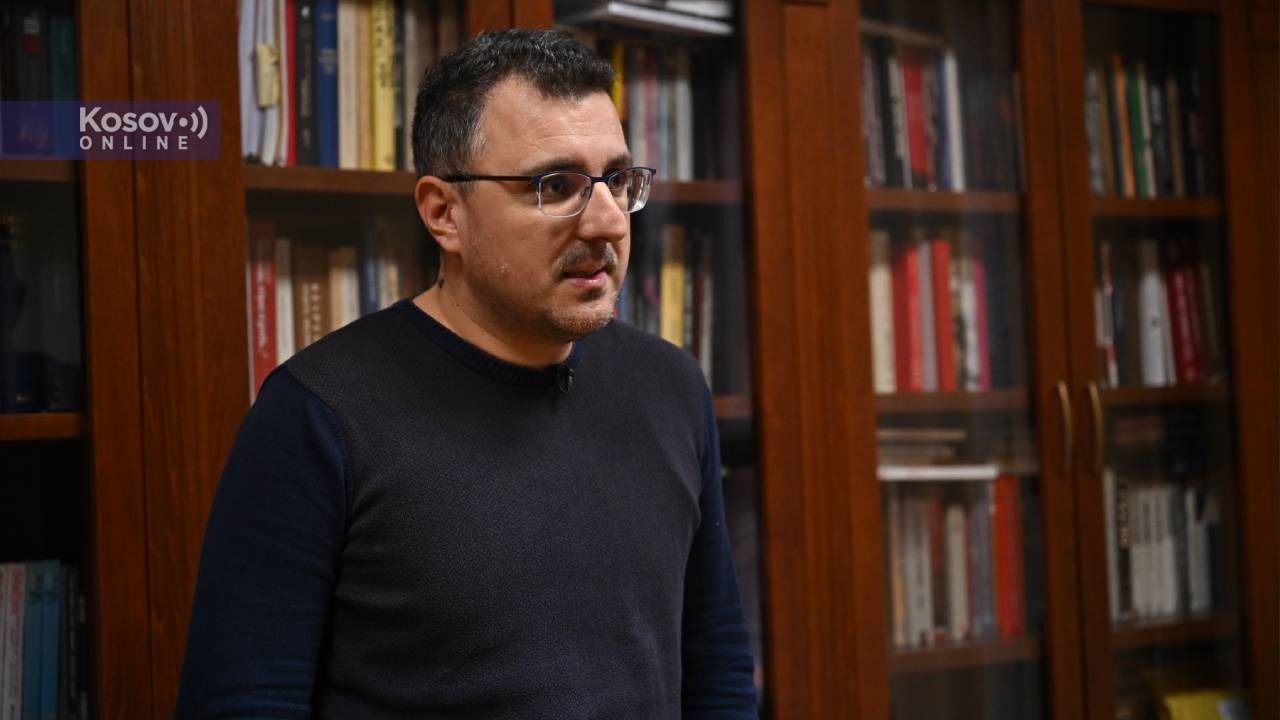
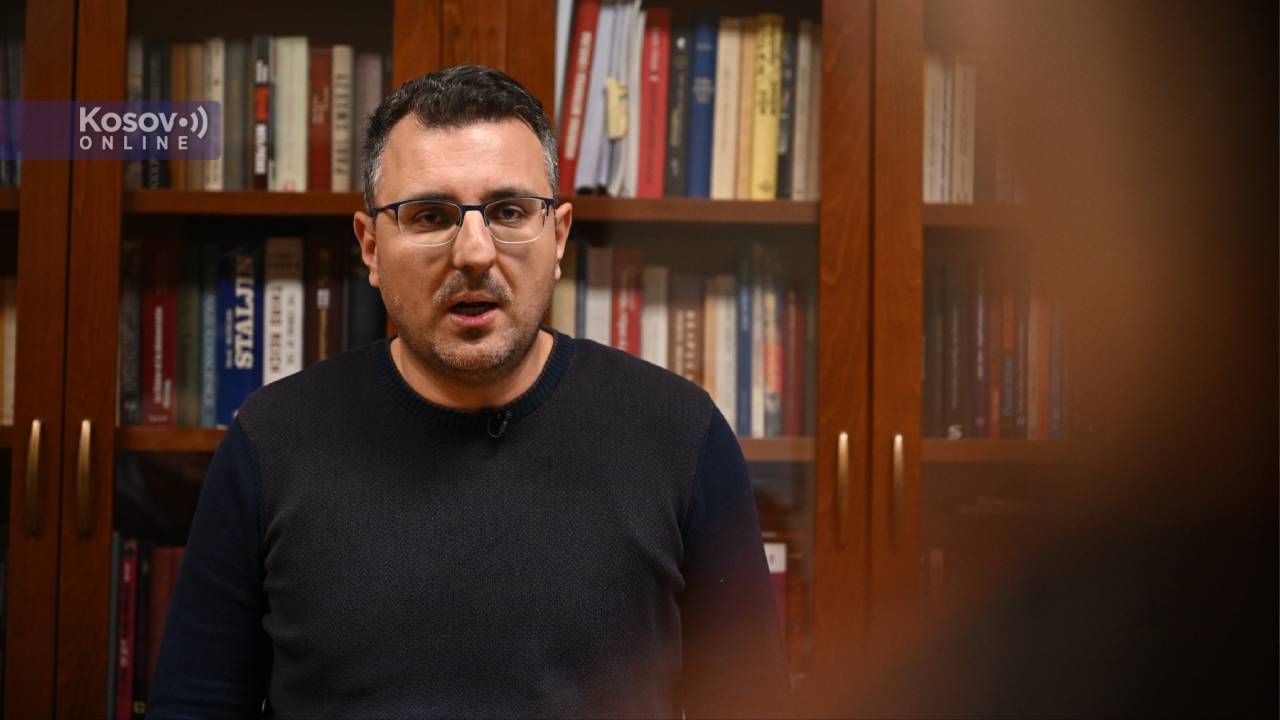
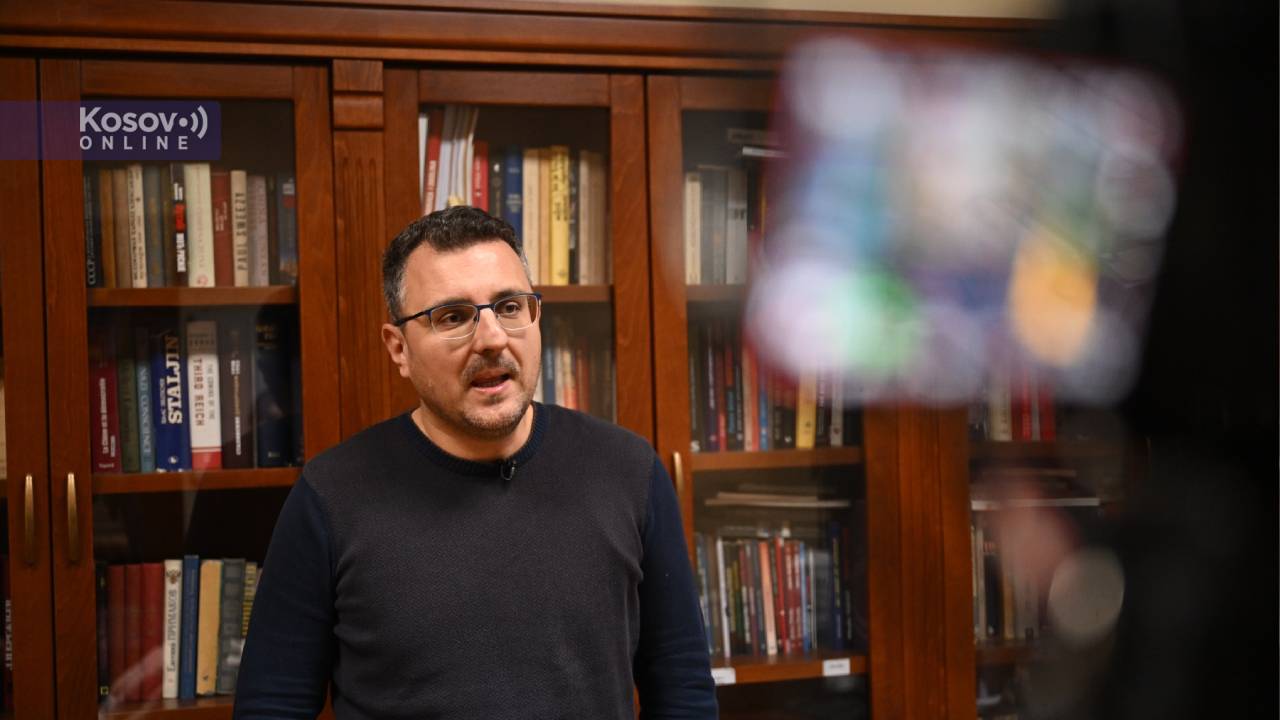
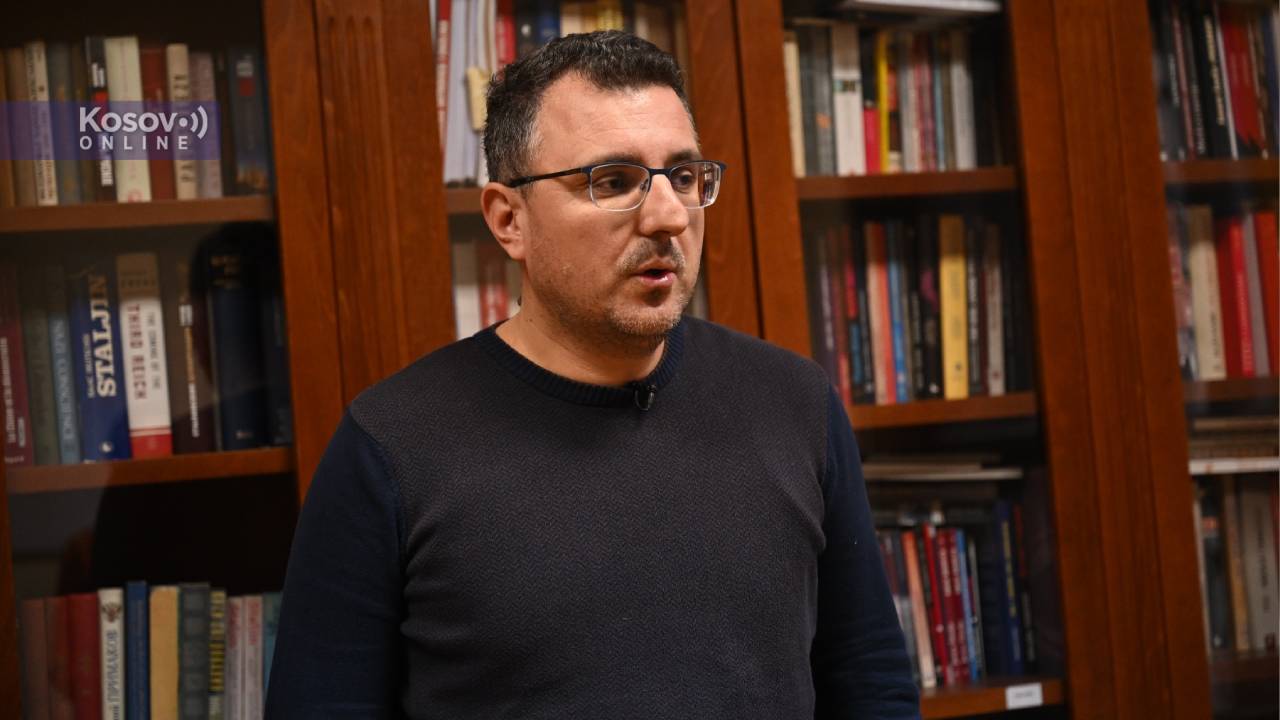
Historian Milan Gulic told Kosovo Online that Armistice Day in World War I, celebrated today, is an important national holiday because Serbia thus presents itself as what it truly was during the Great War – a victorious state and a member of the winning coalition.
“Armistice Day was introduced into the holiday calendar in 2012. The date celebrated, November 11, is not of crucial significance for Serbia’s participation in World War I, but it represents a link with the fighting of Serbia and its allies. For Serbia, the war had in fact ended a few days earlier, not on November 11. However, Serbia was both at the beginning and at the end of the war a member of the allied and victorious coalition, and regardless of all the specific circumstances of warfare in Serbia and its participation in the war, it remains inseparable from the overall efforts of the Entente powers and Serbia as their ally,” Gulic said.
He added that it is a major question whether younger generations in the region know what is celebrated today, but noted that it often takes a long time for a holiday to take root.
“Sometimes it takes entire generations to educate people about a holiday. I would say that older generations still remember better the holidays from the socialist period, while the younger ones are only now becoming familiar with the new holidays, and that certainly takes time. What is important is that Serbian national history, among other things, is characterized by the wars of both the First and the Second World War. They left lasting consequences for generations of Serbs and Serbian citizens. In that sense, this is an integral part of national identity and inseparable from the broader relationship toward Serbian history, as well as toward what is happening today. That is why it matters,” the historian said.
Gulic emphasized that, regardless of the importance of World War I, with the outbreak of World War II and the emergence of a new political order afterward, it was the second great conflict that took center stage.
“Holidays and anniversaries connected to it were mostly celebrated, while World War I was somewhat neglected or not sufficiently mentioned in public. However, with the disappearance of the former Yugoslavia, that is, the Yugoslav state, we once again have Serbia – a country that fully represents the successor of the Kingdom of Serbia – and thus, it became time once again to view that Great War as an important episode in national history. This holiday reflects that, as does the one celebrated on September 15, although that one is a working day. Therefore, World War I carries great significance – Serbia was a victorious nation, and that should be emphasized,” Gulic said.
In his opinion, it is important that the story of November 11 should serve as a reflection on Serbia’s participation in World War I and on the suffering of the Serbian people during that conflict.
“It is important that when we speak of November 11, we also remember the brilliant victories at Cer and Kolubara, the suffering of the Serbian people under three years of occupation, the glorious episode at Kajmakcalan, the breakthrough of the Thessaloniki Front, and the great ideal achieved through the war aim that, like never before in Serbian history, was both proclaimed and fulfilled in World War I – liberation and unification,” Gulic concluded.




0 comments