
Ibishi: In Kosovo, the risk of Islamic radicalization has decreased in recent years
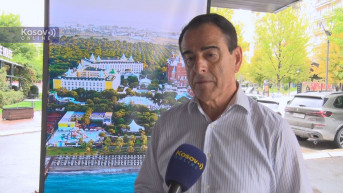
Security expert from Pristina, Nuredin Ibishi, believes that the risk of Islamic radicalization in Kosovo and the entire Balkans is decreasing and that the Islamic community should play a significant role in combating indoctrination.
He assesses that after the wars in the former Yugoslav territories, the countries have consolidated their security structures and that, as he says, the opportunities for the radicalization of Islam in these areas have diminished.
"Radicalization is much smaller, with less risk and threats, but a lot of work is still needed to reduce it to a minimum. For this, reconciliation in the Balkans and better relations between countries are essential. All of this has an impact. One of the factors reducing the risk is for states to reconcile or have good relations and a shared platform," Ibishi says.
The analyst from Pristina claims that during the Kosovo war, Wahhabists were not allowed to join the KLA, but they participated in other battlefields.
"However, the influence of our Wahhabists and later other radical currents, especially Al-Qaeda and ISIS, led to many young people from such small countries participating in conflicts in Iraq and especially in Syria, where many of them died," Ibishi says.
He points out that Islamic religious communities need to play a larger role in combating radicalization, but that security forces still have a lot of work to do to reduce this risk.
"But I believe that measures have been taken by the Ministry of Internal Affairs, independent associations, and even Islamic religious communities to significantly reduce the risk, especially in Kosovo, but also in other countries, particularly Bosnia and Herzegovina, where the risk from Wahhabists is greater, as well as in Macedonia and other countries where members of the Islamic religious community live," he notes.
He says that these parts of the region were once strongholds of Islamic radicalism because no measures were taken, but that in 2015, a law was adopted banning participation in armed conflicts, and this has significantly reduced the level of indoctrination.
"After the adoption of this law, I speak for Kosovo, but also for the region, the risk of joining these terrorist organizations, and the radicalization of Islam in the Balkans in general, has been significantly reduced," our interlocutor assesses.
He notes that young people are primarily the target of radical Islam, being indoctrinated by various Wahhabist teachings, or non-traditional Islam.
"Poverty plays a significant role, but even the wealthy join, in search of some form of justice, although I believe that traditional Islam has had a major influence and has taken steps to reduce the risk of new, radical ideas from entering – not only from Wahhabists but also from other Islamic teachings that promote a militant approach to or understanding of Islam," Ibishi says.



0 comments