
Memorial service in Staro Gracko marks 27 years since the murder of the harvesters: The soul of an entire village was killed
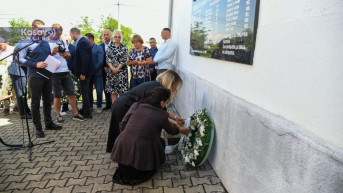
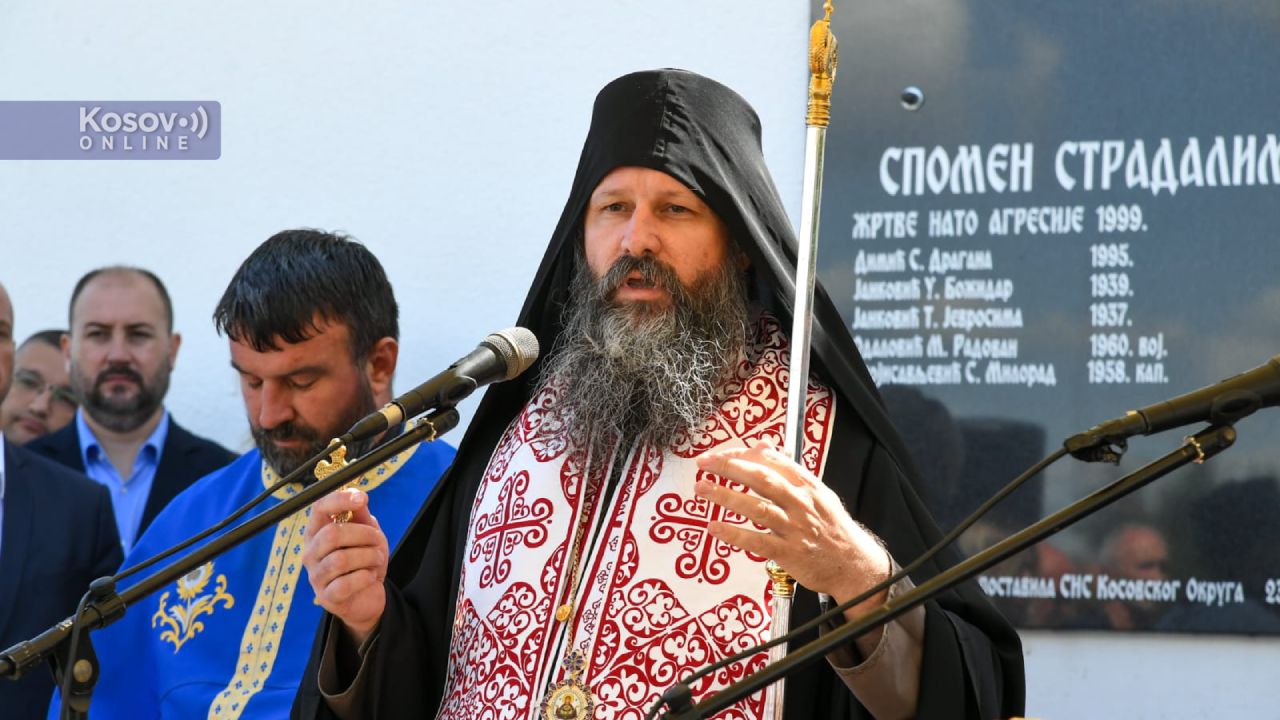
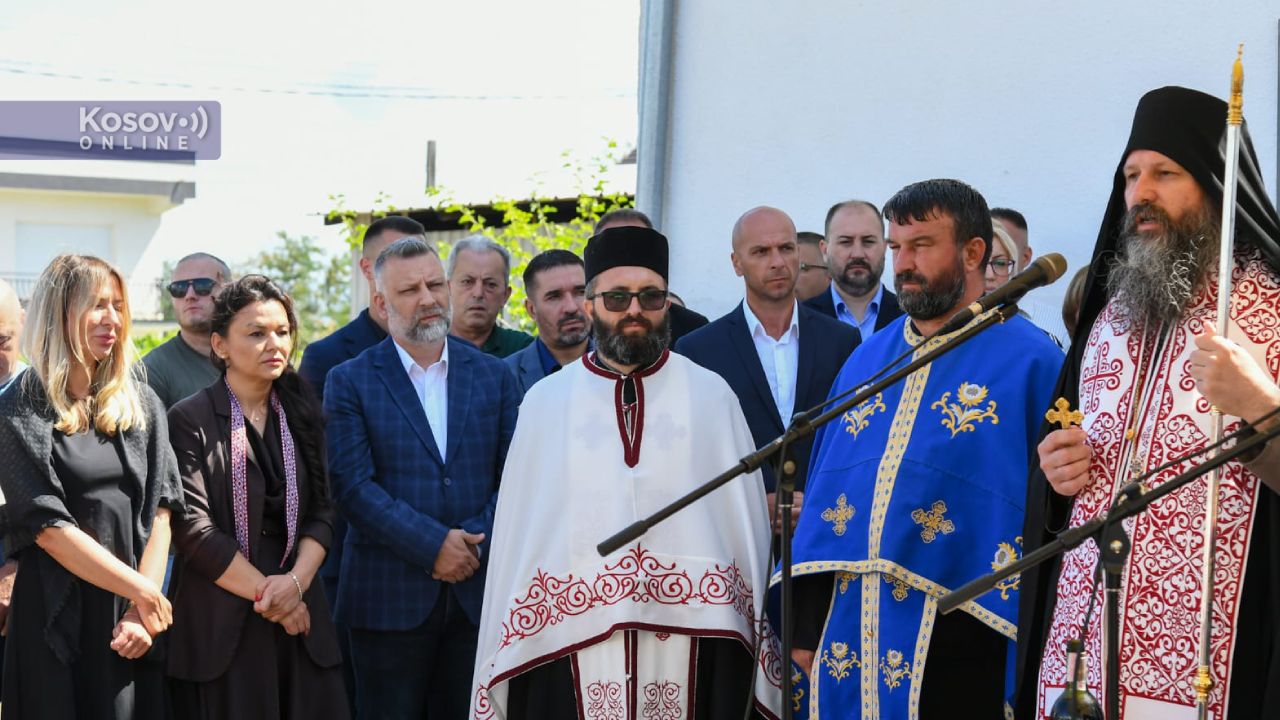
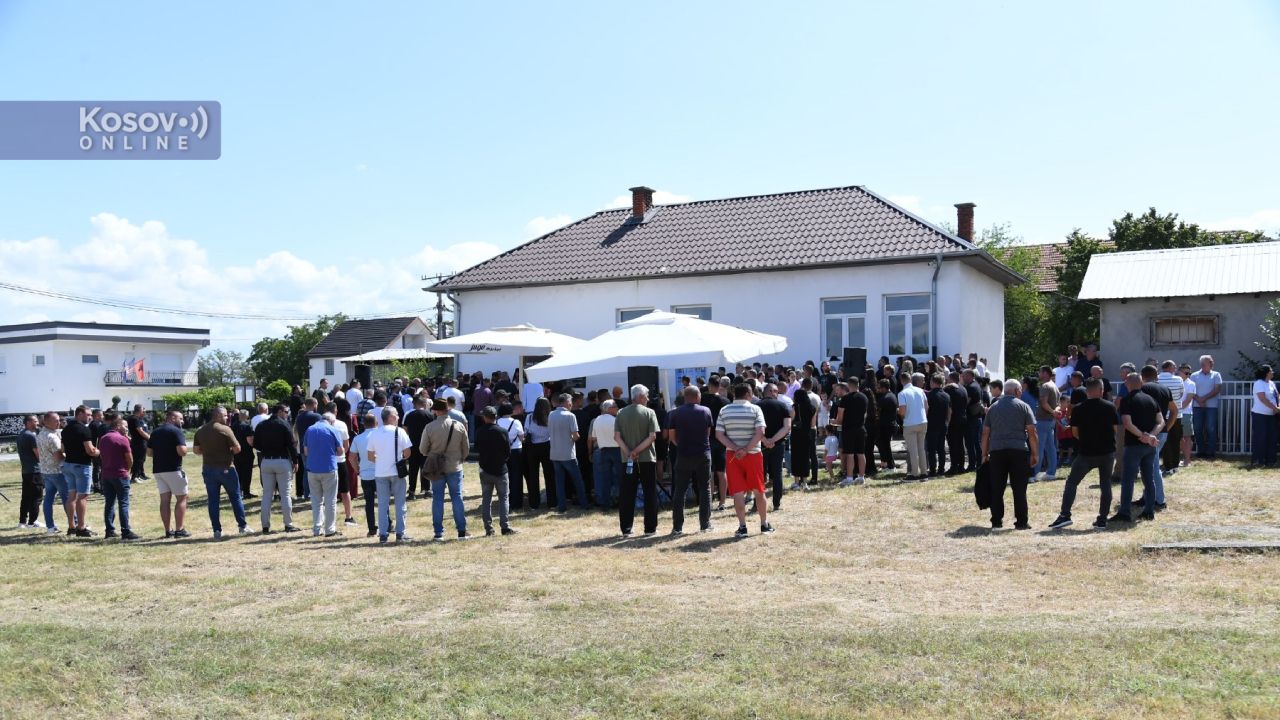
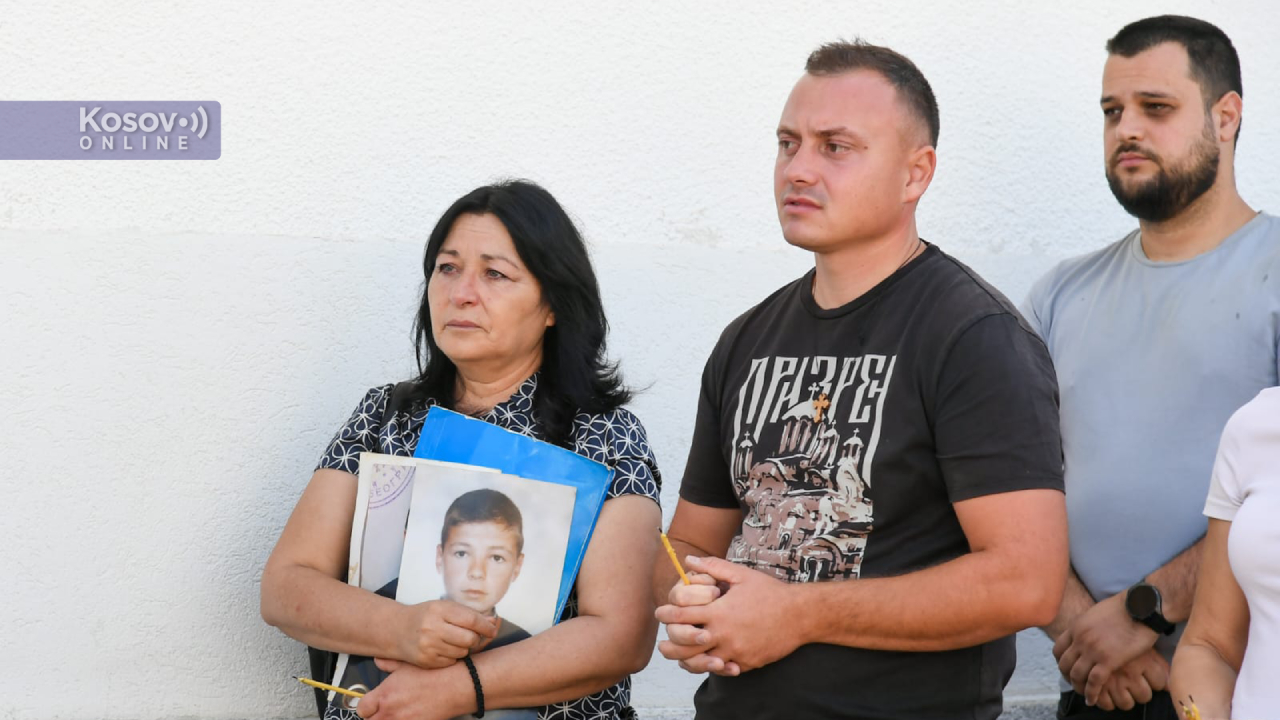
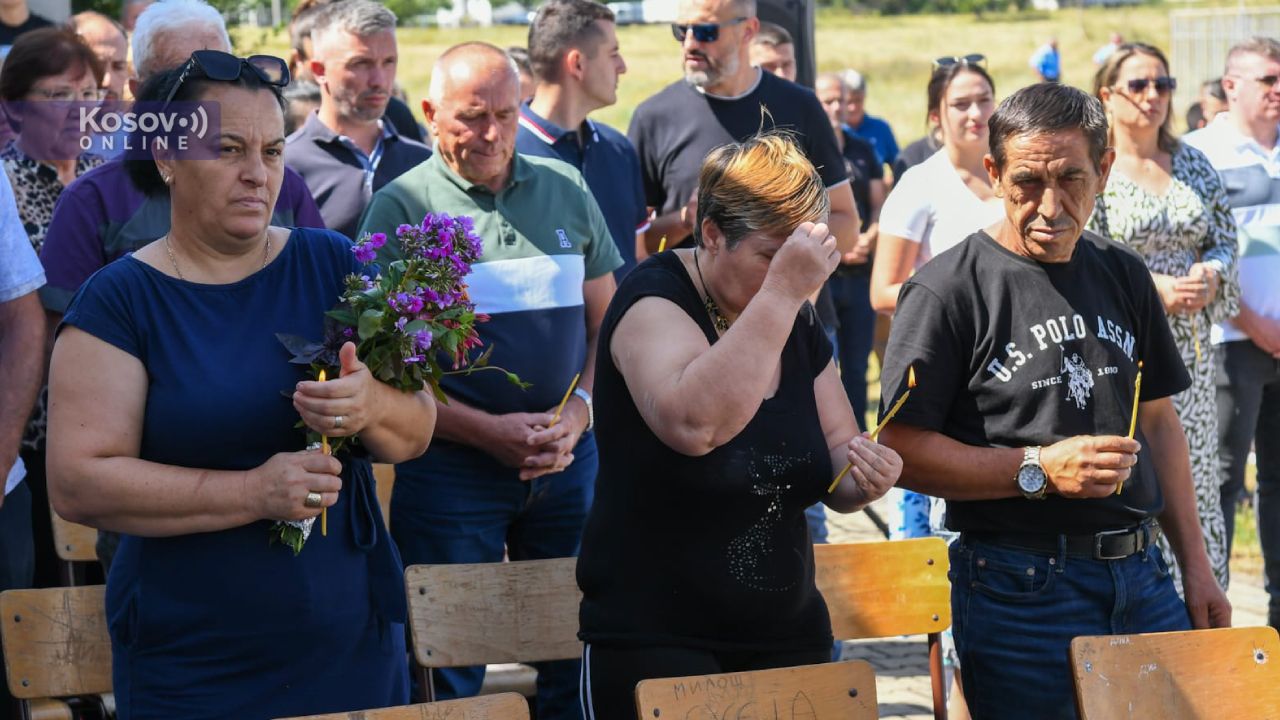
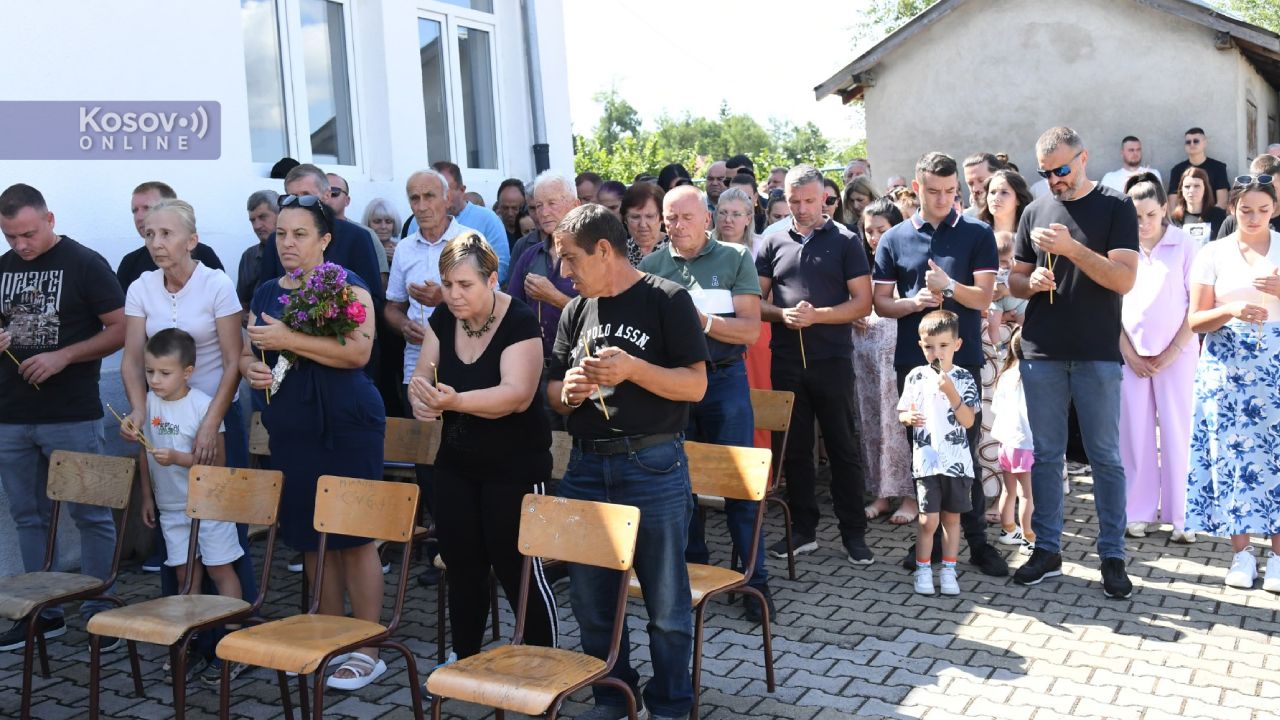
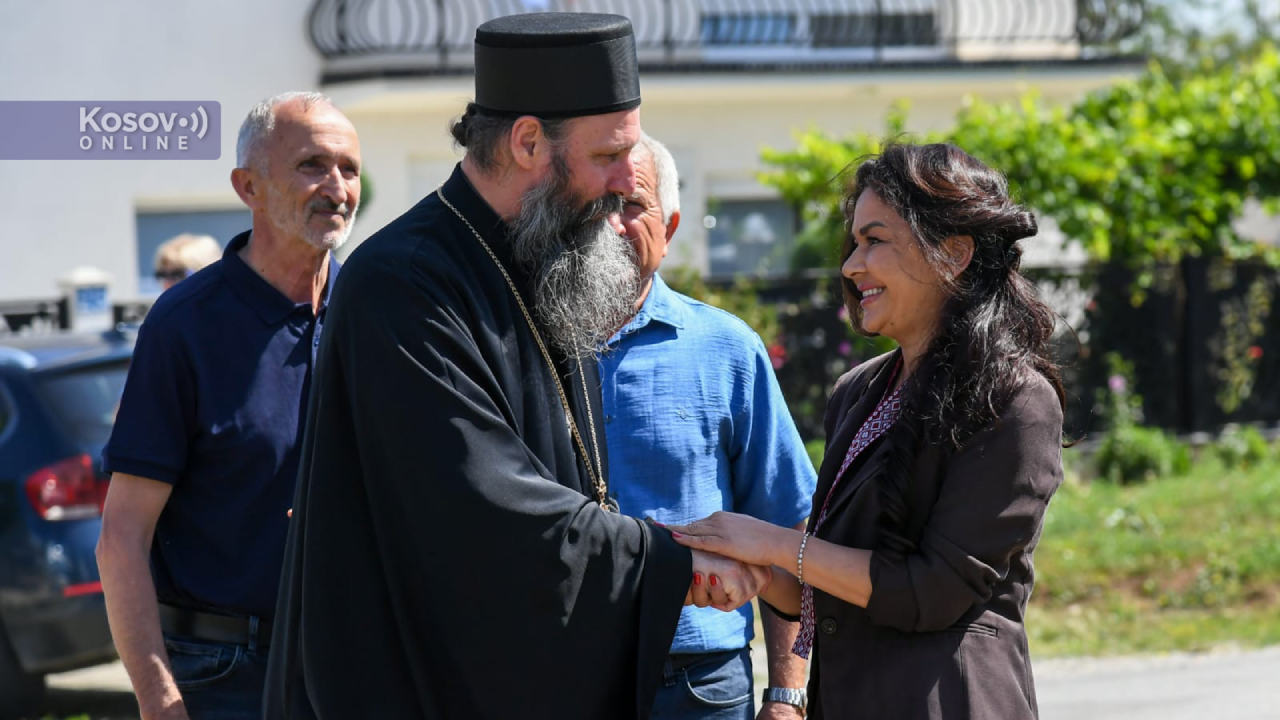
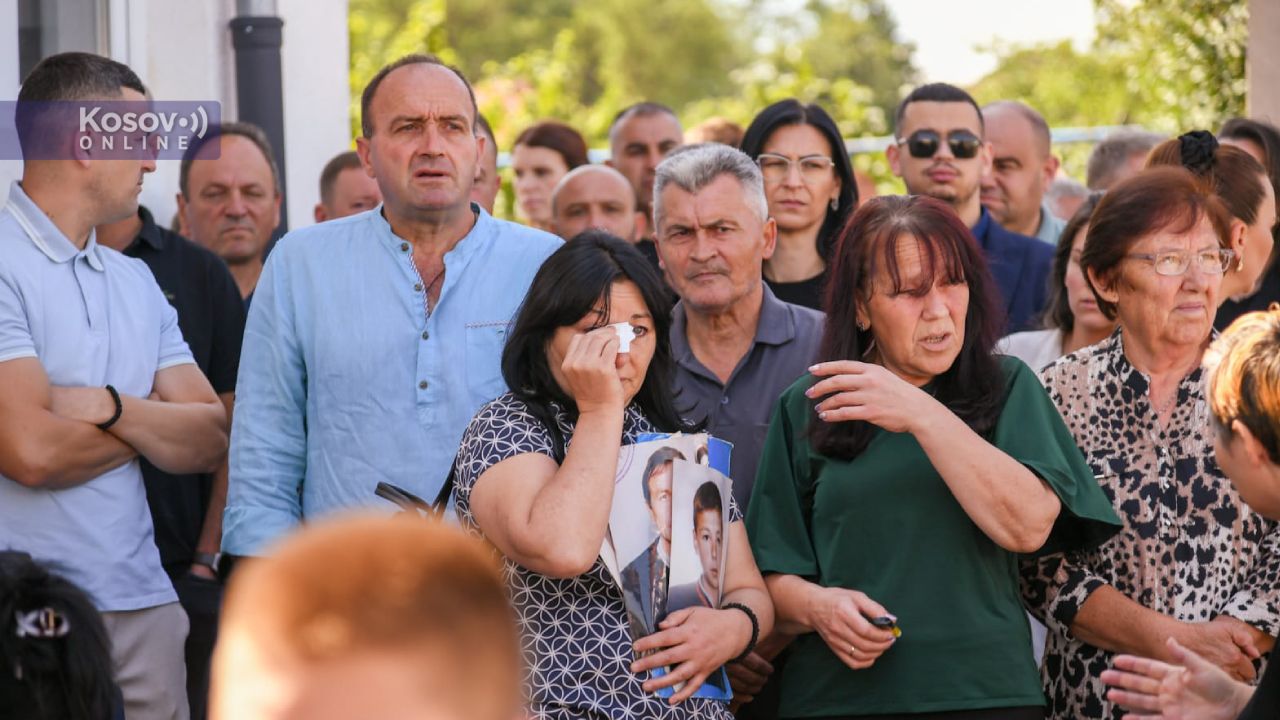
A memorial service was held today at the memorial in Staro Gracko to mark the 27th anniversary of the murder of 14 Serbian harvesters. Following the service, Bishop Ilarion said that what has been happening to the Serbs in Kosovo for the past 27 years cannot be ignored and that falsehood cannot be accepted as truth.
"Today we have come to pray for those who were cut down when they set out, with clear consciences, simply to continue their ordinary lives, to gather their crops and reap the fruits of their labor, believing: we have lived honestly, we have harmed no one, what evil could possibly befall us? Yet in this world, terrible things happen even to the most innocent, and even He who committed no sin suffered grievously for our salvation. We pray that the souls of all those for whom we have prayed today may dwell near Christ and be with the Lord. We also come here with clear consciences, knowing that we have wronged no one and wish evil upon no one. I would ask you as well to pray for those who shed our blood. We are Christians; our faith teaches us to pray for our enemies and for those who killed our people, that the Lord may bring them to reason and lead them to repentance and truth," Ilarion said.
However, he stressed that falsehood cannot be accepted as truth.
"Although we pray with clear consciences both for those who love us and for those who hate us, we cannot accept falsehood as truth. We cannot forget. We cannot forget that Dragana Dimic was killed by a NATO bomb, and that must not be forgotten. It must also be said that 89 children—both Serbian and Albanian—were killed by NATO bombs. Just as we must not deny, diminish or minimize the crimes committed by members of our own nation, but acknowledge them, neither can we remain silent about what has been happening to our people for the past 27 years in our covenant land," the bishop said.
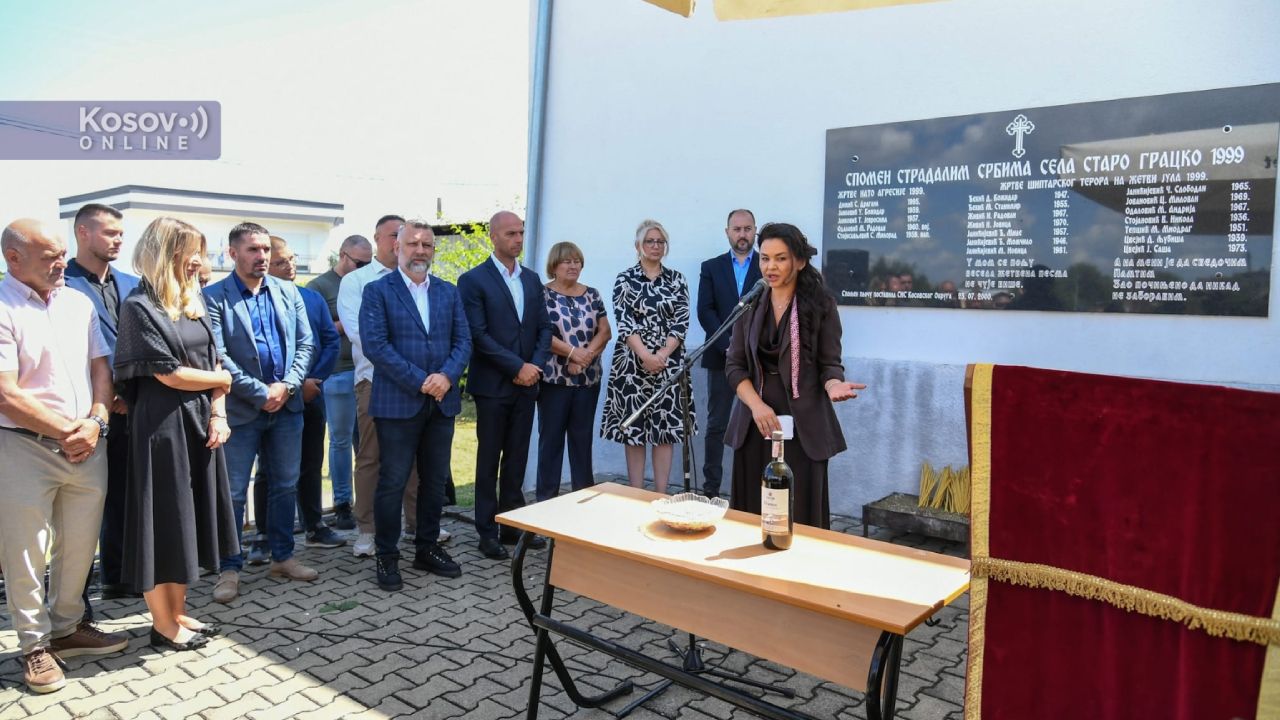
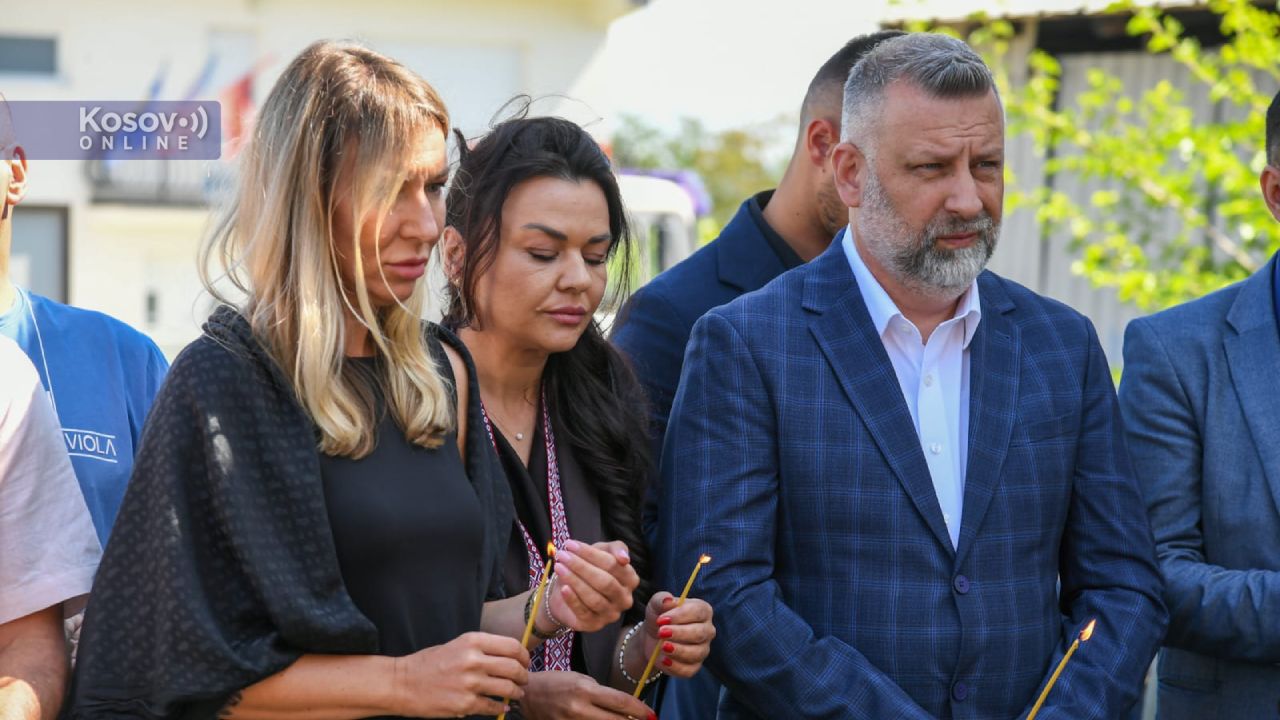
Following the memorial service, wreaths were laid at the monument by Milena Parlic and Milica Dakic, Assistant Directors of the Serbian Government Office for Kosovo and Metohija, as well as representatives of the Serbian List and local institutions.
Assistant Director of the Office for Kosovo and Metohija Milena Parlic said that everyone present was a chronicler of the past.
"All of us gathered here know that the course of life does not depend solely on us. But we also know that tragic events, the remembrance of those tragic events, and the memory of our victims and martyrs largely depend on us. By our presence here today, we are all affirming that. We remain faithful chroniclers of the past, thereby preserving for both the present and the future the truth—that these innocent victims are symbols of the suffering of the Serbian people, of our fellow Serbs in Staro Gracko, but also symbols of crimes that have gone unpunished," Parlic said.
She questioned whether international law is considered less important when the victims are Serbs.
"The easiest thing is to forget the truth, but I am pleased that so many of us have gathered here today to remember our martyrs. We have all studied international law, and the declarations teach us that every human being has the right to life, regardless of nationality. Therefore, we are fully justified in asking today: is that right considered less valuable and less important when the victim is a Serb? Is it less important when the victim is a Serbian mother or a Serbian child?" she said.
She added that this crime would forever remain a wound for all Serbs.
"As long as international law is not applied equally regardless of nationality, and until every victim receives justice by name and surname, this crime will remain a lasting wound for all of us. And not only this crime, but also the suffering of Serbs in Velika Hoca, the killing of children on the Bistrica River, the murders of the Simic brothers, the Stolic family, the Sutakovic family, and many other victims. I pray that God grants strength to the victims' families, that we remain worthy of our victims, and that we continue to bear witness and remember that our loved ones did not die as criminals, but as innocent victims," Parlic said.
Serbian List representative Dalibor Jevtic said that justice would ease the pain of the victims' families.
"For twenty-seven years, year after year, on this day we have repeated the same question and the same demand. That demand is for justice—justice for those who were innocently murdered 27 years ago. Justice that would, in some way, ease the pain of the families and the residents of Staro Gracko. Twenty-seven years ago, through that crime, someone sought to drive the Serbs out of this village and from every place where Serbs lived at the time. The message today is the same as it has been throughout these 27 years—they failed," Jevtic said.
He added that the crime had been committed before the eyes of the international community.
"It happened before the eyes of those who came here to guarantee peace equally for everyone. It is regrettable that even today there are no representatives of the international community here to pay tribute to the victims and to serve as guarantors that this crime will not go unpunished. Although the investigation has officially been closed, we will not give up our demand for justice and for those responsible to be brought before the courts, and we reiterate that clearly today. We live in a time when it is difficult to be a Serb in Kosovo and Metohija, yet even in these circumstances we refuse to give up on life and survival in these lands. While today Serbs are being detained, arrested and imprisoned without any evidence, those for whom evidence exists that they committed crimes continue to remain at liberty," he said.
Staro Gracko resident Milos Surlic said that every remembrance of the victims is accompanied by profound sorrow and should be treated with respect, regardless of the nationality of the victims.
"It is painful, however, that the memory of our victims often fails to receive the recognition it deserves, even among ourselves, let alone among those with whom we share this land. Honor to the exceptions, both Serbian and Albanian, who understand that no innocent victim should ever be forgotten and that another person's suffering does not diminish our own. Others, they say, have witnesses, claim to know who committed crimes against their people, and demand justice. Yet we still do not even have complete answers as to why our harvesters were so brutally murdered. Questions remain unanswered, and the wounds that time has failed to heal remain open," Surlic said.
He added that in Staro Gracko it was not only several human lives that were extinguished, but the soul of an entire village.
"Not only were people killed, but also those who were yet to be born. The hope that we would continue to live peacefully and securely in our ancestral homes was extinguished. We were deprived of the will and the opportunity to continue developing what our grandfathers and fathers had begun—to preserve our traditions and build the beauty of our homeland. The crime also prevented three generations from living together continuously in this village, creating foundations upon which future generations could build. That is how a lasting love for one's homeland is created. That is how the customs and unique character of a place are shaped. That is how lifelong friendships, bonds of godparenthood and family ties are formed. That is how shared and personal joys are celebrated—in family gatherings, in sports, in raising children, and in all the blessings that God has bestowed upon mankind," Surlic added.
He said that the residents of Staro Gracko are still not fully aware of everything they have lost.
"We are not fully aware of everything that has been taken from us and everything that has been denied to us forever. We became numb from grief long ago. We have lost the desire, and have been prevented, from living life to the fullest and breathing with full lungs," he said.
Staro Gracko resident Momirka Cankovic said that life in the village has, for the past 27 years, been overshadowed by the crime.
"Life has been lived in the shadow of what happened 27 years ago. However much it may seem that we have moved on and that life has continued—which is true to some extent—a part of us has never emerged from that night. There is not a single day when we do not remember them or speak of them. For 27 years, Staro Gracko has lived in the shadow of its murdered residents," she said.
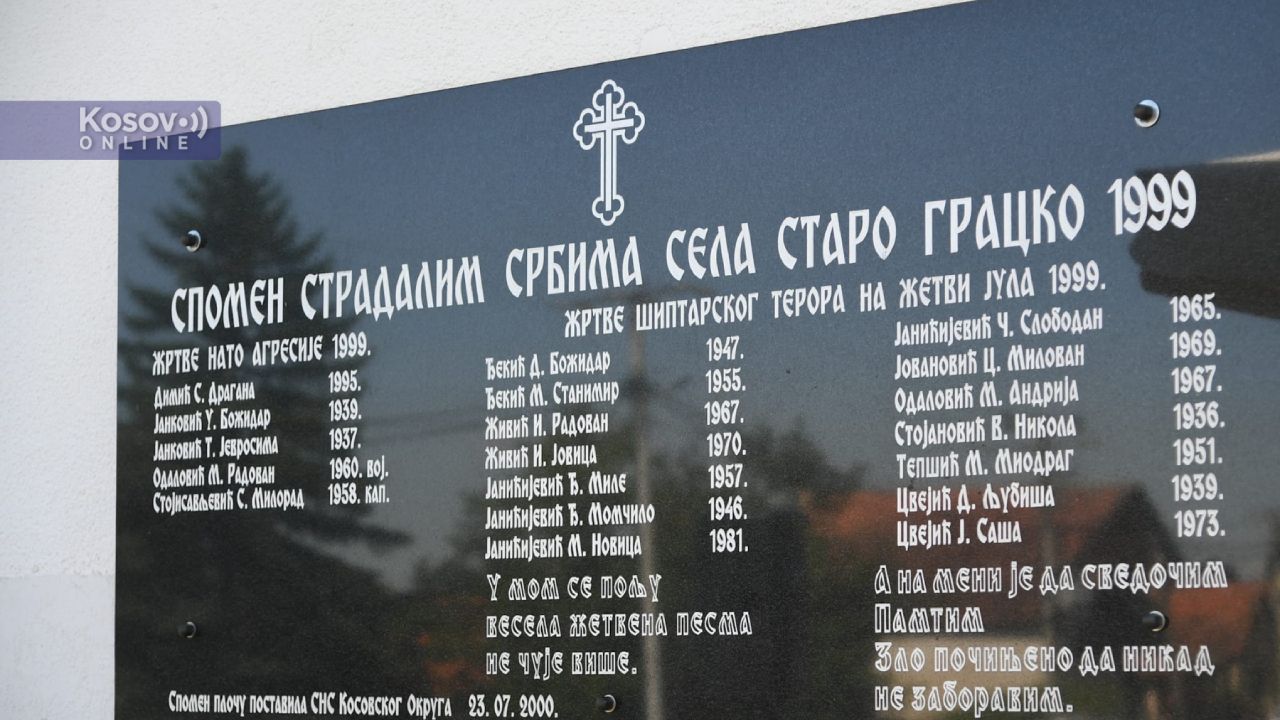
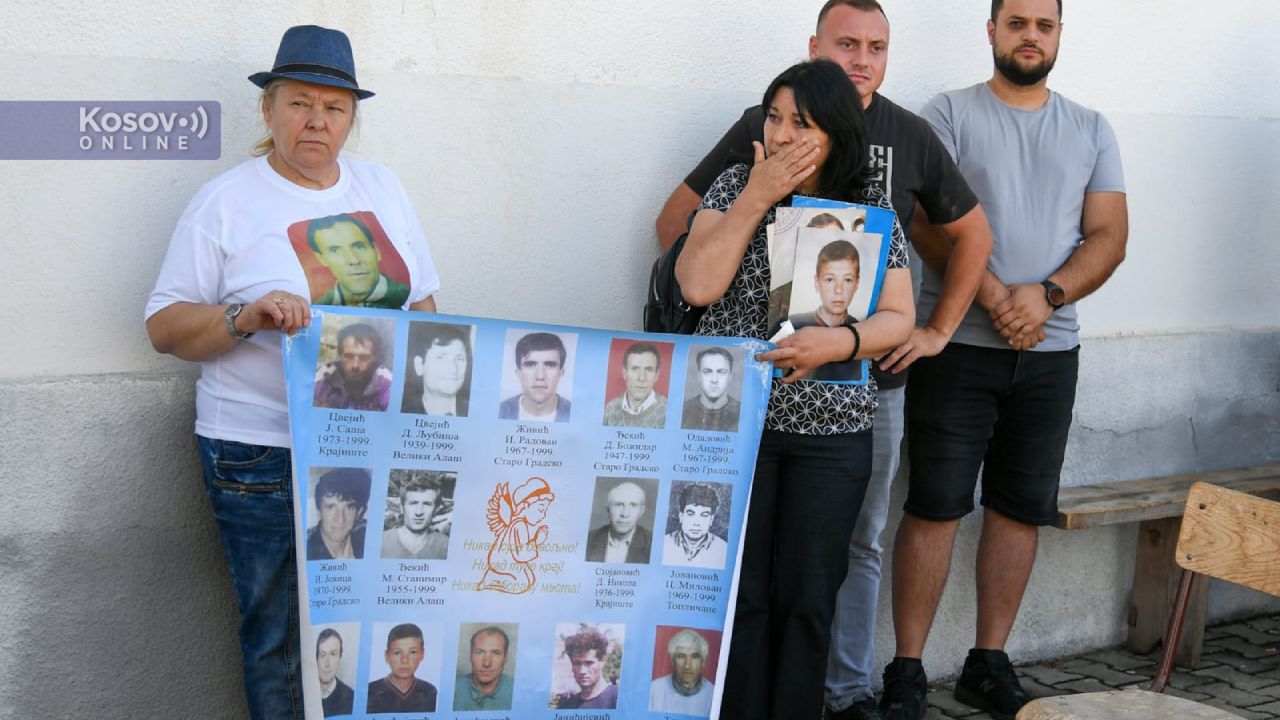
On this day in 1999, during the wheat harvest in the fields surrounding Staro Gracko, Milovan Jovanovic, Jovica and Rade Zivic, Andrija Odalovic, Novica, Slobodan, Mile and Momir Janicijevic, Stanimir and Bosko Dekic, Sasa and Ljubisa Cvejic, Nikola Stojanovic, and Miodrag Tepsic were murdered. Their killings are regarded as one of the gravest crimes committed in the aftermath of the 1999 Kosovo conflict, for which no one has ever been held accountable.
In 2017, EULEX permanently discontinued its investigation against seven former members of the KLA, citing insufficient evidence to file indictments.



0 comments