
Radosavljevic: Time to question how useful EULEX is given its high cost
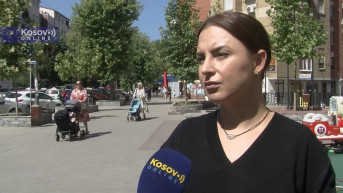
Jovana Radosavljevic from the New Social Initiative tells Euronews Serbia that the appeal civil organizations made to EULEX, following police terror against Milos Subotic, had some effect, as their action resonated "in both local and regional media."
"This is the first time that civil society has broken cooperation and communication with this mission in this way. For a long time, there has been dissatisfaction with the specific lack of transparency in EULEX's work in Kosovo, especially because they regularly monitor cases but don’t make them public. It seems that, although we have issues within the processes themselves, these reports are only sent to those creating these issues, not to the broader public who could act as a qualitative factor and exert additional pressure on institutions to do their jobs," Radosavljevic points out.
She adds that they have succeeded in "bringing this topic to the surface," making it more prominent.
"We have already issued three statements directed at EULEX, the latest being a response to their reaction. Although we think it is good that they responded, it is not enough. We want them to continue their work, meaning to monitor this process and the investigation, but also to keep the public regularly informed of their findings," she emphasizes.
When asked if this case could lead to changes in EULEX's work, she said it depends on how the organization responds to the increasing number of appeals from the Serbian community.
"This mission undergoes a review process every year to determine whether its mandate will be extended. I think this is an ideal time to ask concrete questions about how useful this mission is, given how costly it is for European taxpayers," she adds.
She emphasizes that her organization sees this as a way to inform the public about a systemic issue the local community in northern Kosovo has been facing over the past four years.
"I think this relates to the recent case of Milos Subotic this weekend, and after that, we had another incident in Zubin Potok that, fortunately, passed without physical violence or use of force by the police," she says.
She notes that the local population faces inappropriate behavior from police officers daily in northern Kosovo, from both regular and special police forces.
"The special police are not even trained to do their jobs properly, and if they don’t speak Serbian, the language of the majority living in northern Kosovo, the situation is indeed tense, and it seems to be getting more so. Especially now, as reality is changing, we are becoming literal observers of our own lives. For example, on the main promenade in Mitrovica, where new cafes and food stores run by Kosovo Albanians have opened, and they are now visited en masse by Kosovo Albanians from other parts of Kosovo, it even seems they come in organized groups. This is especially noticeable on weekends, where there is a large influx of people that, from our local perspective, feels like they are coming to a zoo to observe rare species on the brink of extinction. This creates a very uncomfortable and tense atmosphere," Radosavljevic explains.
She adds that, on one hand, women face situations of sexual harassment, while men avoid walking the streets late at night because they are, as she says, very likely to be identified by the police and possibly even arrested.
Speaking about the bill adopted yesterday by the Serbian Government regarding Kosovo as a special social protection area, Radosavljevic reminds that parts of the plan announced in early September have already materialized.
"We now have offices at the crossings, so in a way, life is being administratively, but in every other sense concerning Kosovo and Montenegro, shifted to central Serbia. This is very problematic. The demands made by the Serbian government regarding the formation of the Community of Serb Municipalities and the reintegration of people into institutions, I believe, will not happen anytime soon and certainly won’t happen without a broader political agreement, which requires political will. But at this moment, with the upcoming American elections and the Kosovo elections in early February next year, it is very unlikely that we will see concrete progress or rapprochement between the Kosovan and Serbian sides to resolve these issues," Radosavljevic concludes.


0 comments