
Rikalo: Arlinda Zekaj case must be a catalyst for concrete and lasting change
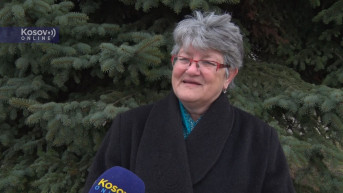
Nevenka Rikalo, President of the Ruka Ruci Women’s Association, said that violence against women was not an isolated problem but a serious social and institutional challenge, not only in Kosovo but throughout the region, and that femicide was a warning that the system for protecting women must function effectively.
The case of Arlinda Zekaj, who was killed by her former brother-in-law in Vitomirica near Pec on October 25, has raised serious questions about the responsibility of institutions that have a legal obligation to protect women’s lives, Rikalo told Kosovo Online.
She pointed out that, according to available data, eight women had been killed in Kosovo since the beginning of 2026, while 2,052 cases of domestic violence had been reported to the police between January and September, involving 1,626 female victims.
These figures, Rikalo said, showed that violence against women was not an isolated problem but a serious social and institutional challenge, not only in Kosovo but throughout the region.
“I believe it is essential to urgently, thoroughly and impartially examine the actions of all relevant institutions, from the receipt of reports and risk assessment to the exchange of information and implementation of specific protective measures. Every report of violence and every warning from a woman must be taken seriously. No report must go unanswered, and no woman seeking help should be left to fend for herself,” Rikalo said.
Femicide is the most extreme outcome of violence against women, Rikalo added, and preventing it requires more effective cooperation among the police, prosecution, courts and social welfare centers, continuous risk assessment, consistent implementation of protective measures and accountability for any failures that may occur.
“The case of Arlinda Zekaj must be a catalyst for concrete and lasting change, rather than yet another case that the public will remember for only a few days. Protecting women’s lives must be a priority for institutions, and accountability for their work must be an obligation, not a choice. We must not allow help to be sought only when it is already too late,” Rikalo said.



0 comments