
Savkovic: Radicalization undermines the region; young people without prospects are more susceptible to extreme ideologies
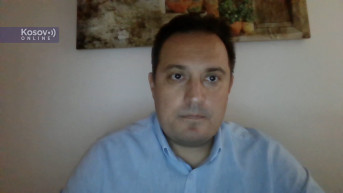
Senior ISAC Fund Advisor Marko Savkovic states that young people without jobs or prospects are more susceptible to extreme ideologies, a trend seen not only in Kosovo but across societies in the Western Balkans.
"As we have seen in recent years, it is not only radical Islamist ideologies, there are also others. These include violent fan groups and criminal organizations. Young people, especially young men, though there are also women who become radicalized, are certainly at high risk of such influences," Savkovic says.
He notes that at one point, Kosovo led in terms of radical Islam.
"If you look at the number of young people per capita, to put it that way, who ended up in Syria and other countries fighting for the Islamic State, Kosovo was, at one time, leading. Since then, penalties have been significantly strengthened, and great efforts have been made to bring those individuals to justice. Some of them are now serving prison sentences," our interlocutor explains.
He emphasizes that radicalism has been suppressed, but certain consequences remain.
"I would say that this type of radicalization is now less prominent. This is also evidenced by the fact that, in recent years, apart from incidents in Sarajevo and a situation we had in Belgrade, there haven't been larger incidents, which is fortunate. But radicalization, manifesting through attacks on people of different nationalities or religions, remains a persistent danger, unfortunately undermining our society from within even today," Savkovic assesses.
He believes that combating radicalization requires cooperation among those who first encounter young people susceptible to these ideologies, particularly within educational institutions.
"The state needs to set policies focused on prevention, not just reaction when such situations arise. I think this is one of the lessons we have all learned in the years since the emergence of the Islamic State and the general resurgence of radical movements in this region," Savkovic concludes.


0 comments