
Sljivovica is on the UNESCO Intangible Cultural Heritage List
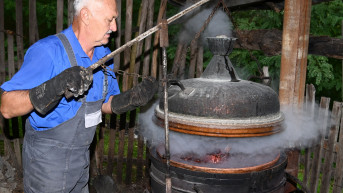
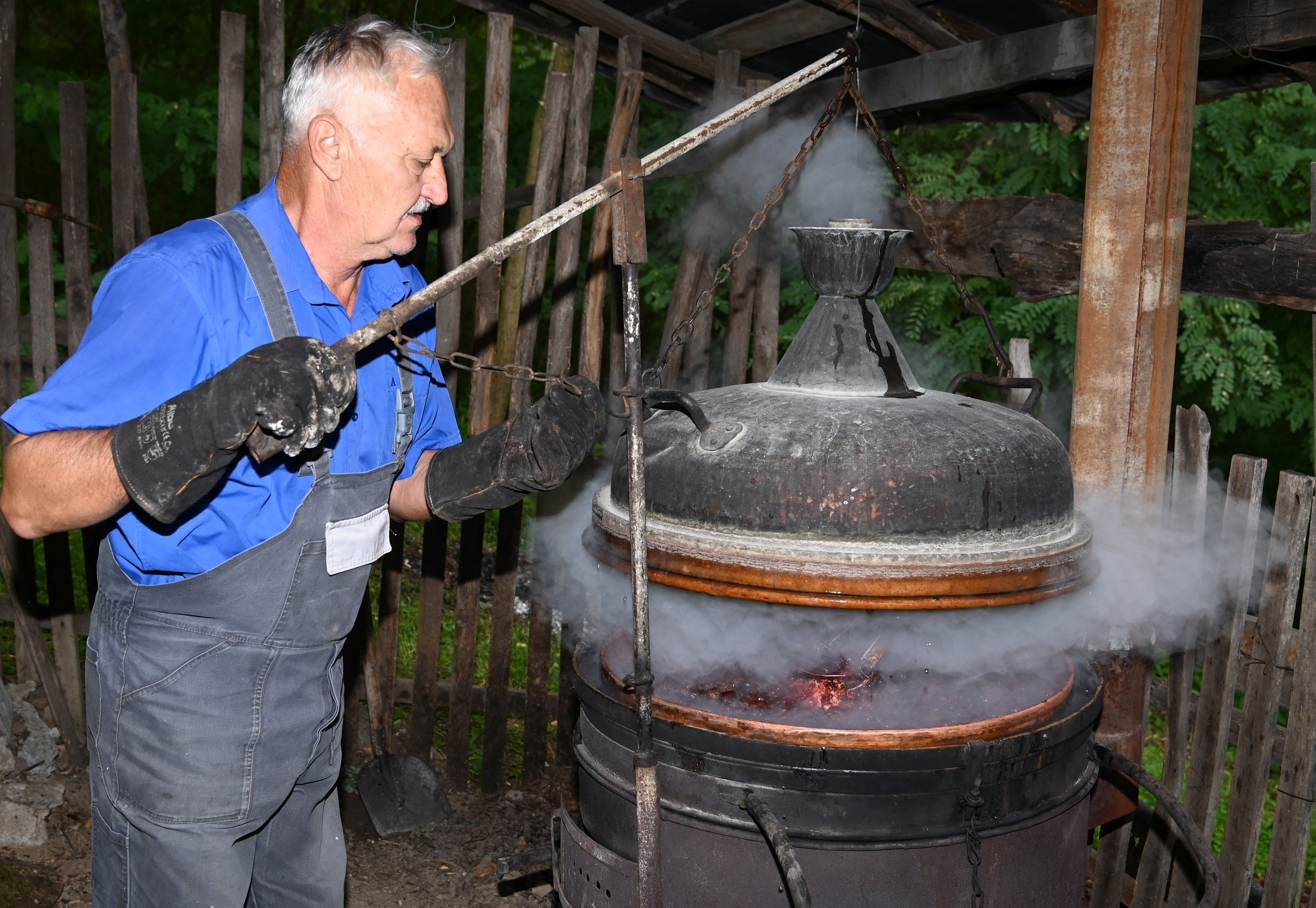
Social practices and knowledge related to the preparation and use of the traditional plum brandy - sljivovica, an element of the intangible cultural heritage of Serbia, have been inscribed on the UNESCO Representative List of the Intangible Cultural Heritage of Humanity today, the Serbian Ministry of Culture announced.
As stated in the announcement, the decision on registration was made by the Intergovernmental Committee for the Preservation of the Intangible Cultural Heritage at the 17th session held in Rabat, Morocco.
The Ministry of Culture nominated sljivovica for the Representative List of Intangible Cultural Heritage of Humanity in 2021. The nomination was prepared by the Center for Intangible Cultural Heritage of Serbia at the Ethnographic Museum in Belgrade with the participation of heritage holders, local communities, institutions and non-governmental organizations, associations, and the proponents are the Ethnographic Museum in Belgrade and the Cacak National Museum.
"The inscription of the knowledge and skills required for the preparation of sljivovica at home and its use in everyday and customary practice on the UNESCO Representative List significantly contributes to increasing the visibility of the intangible cultural heritage at the national and local level, as well as the international promotion of the "living heritage" of Serbia," the Culture Ministry stated.
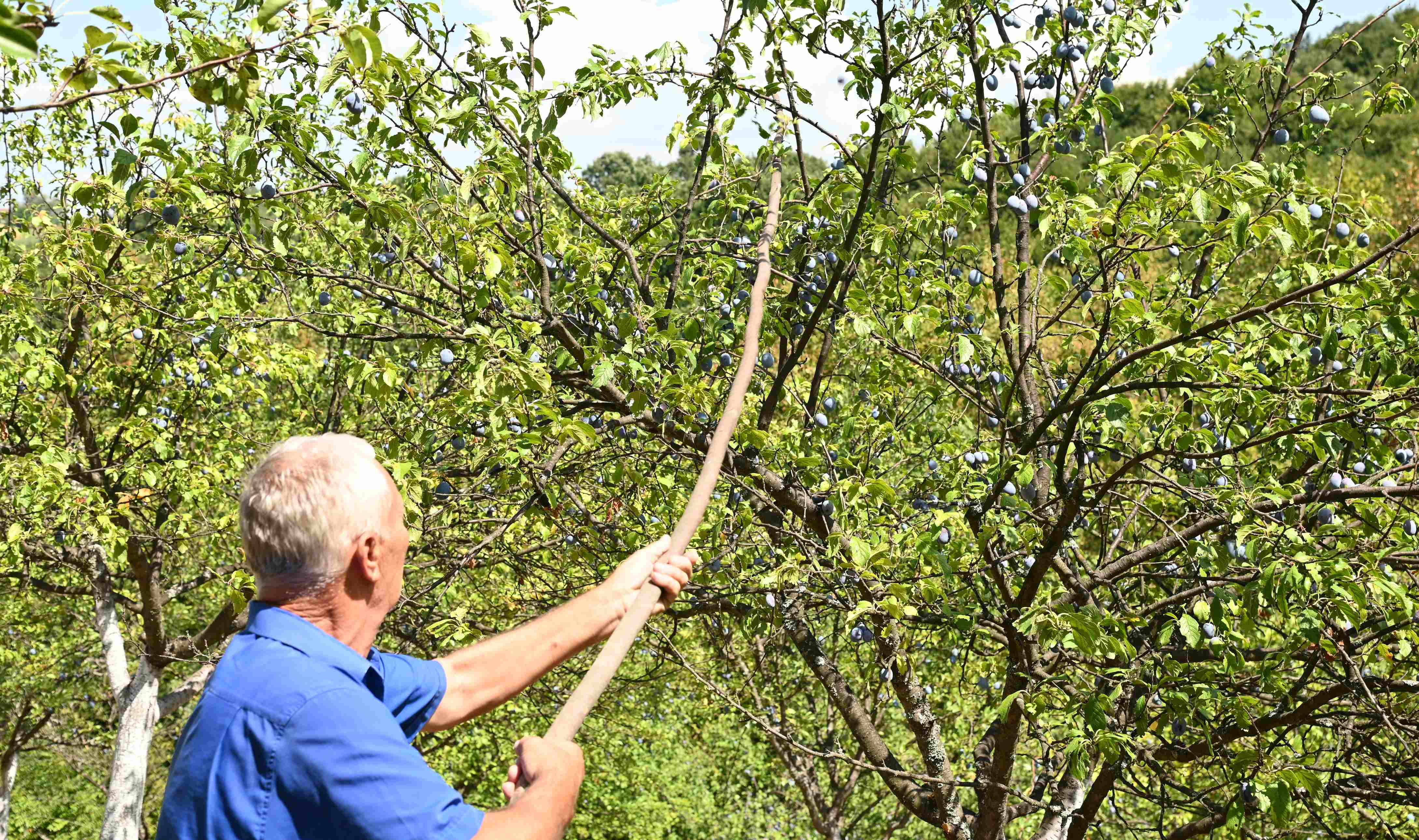
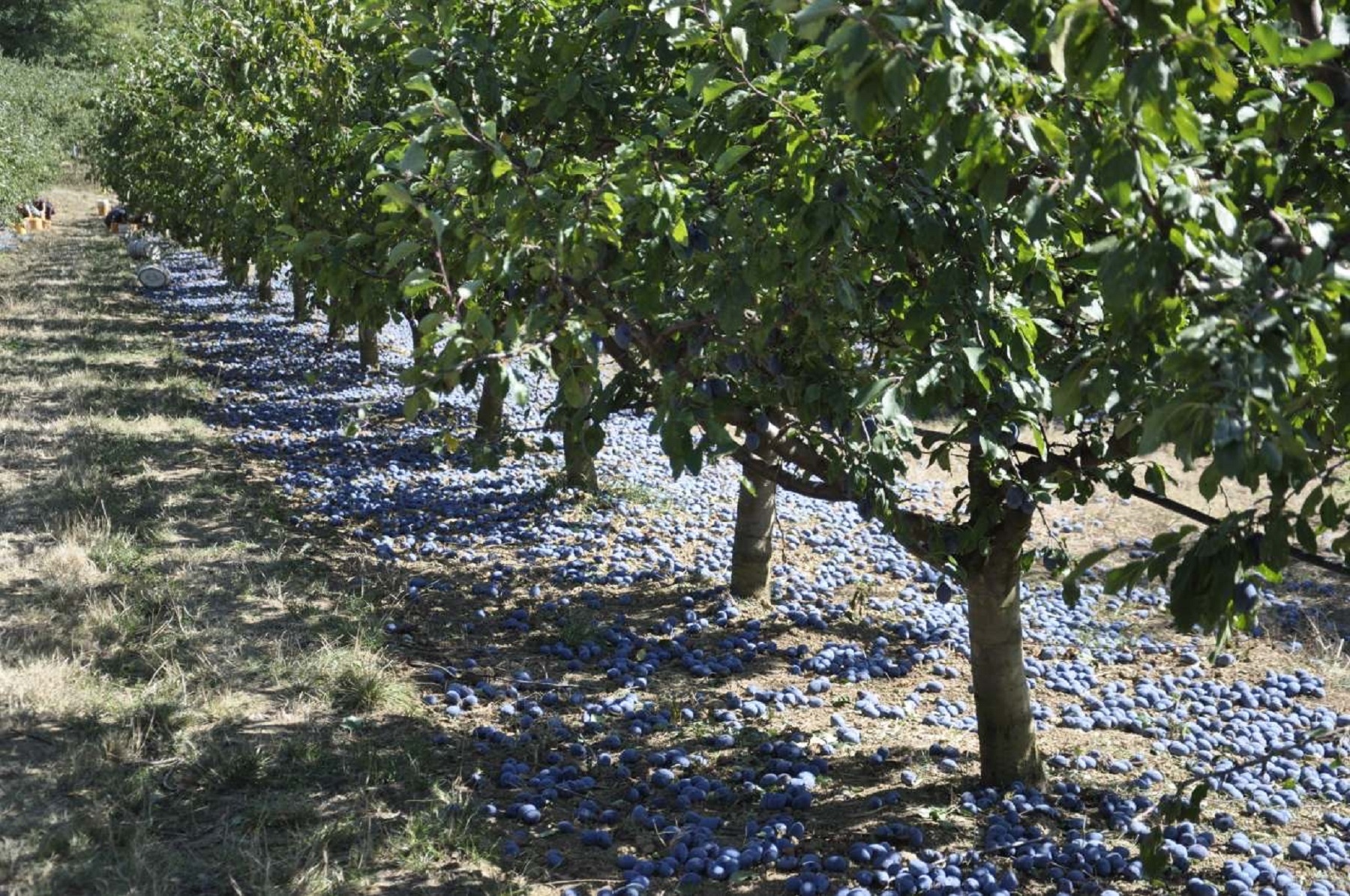
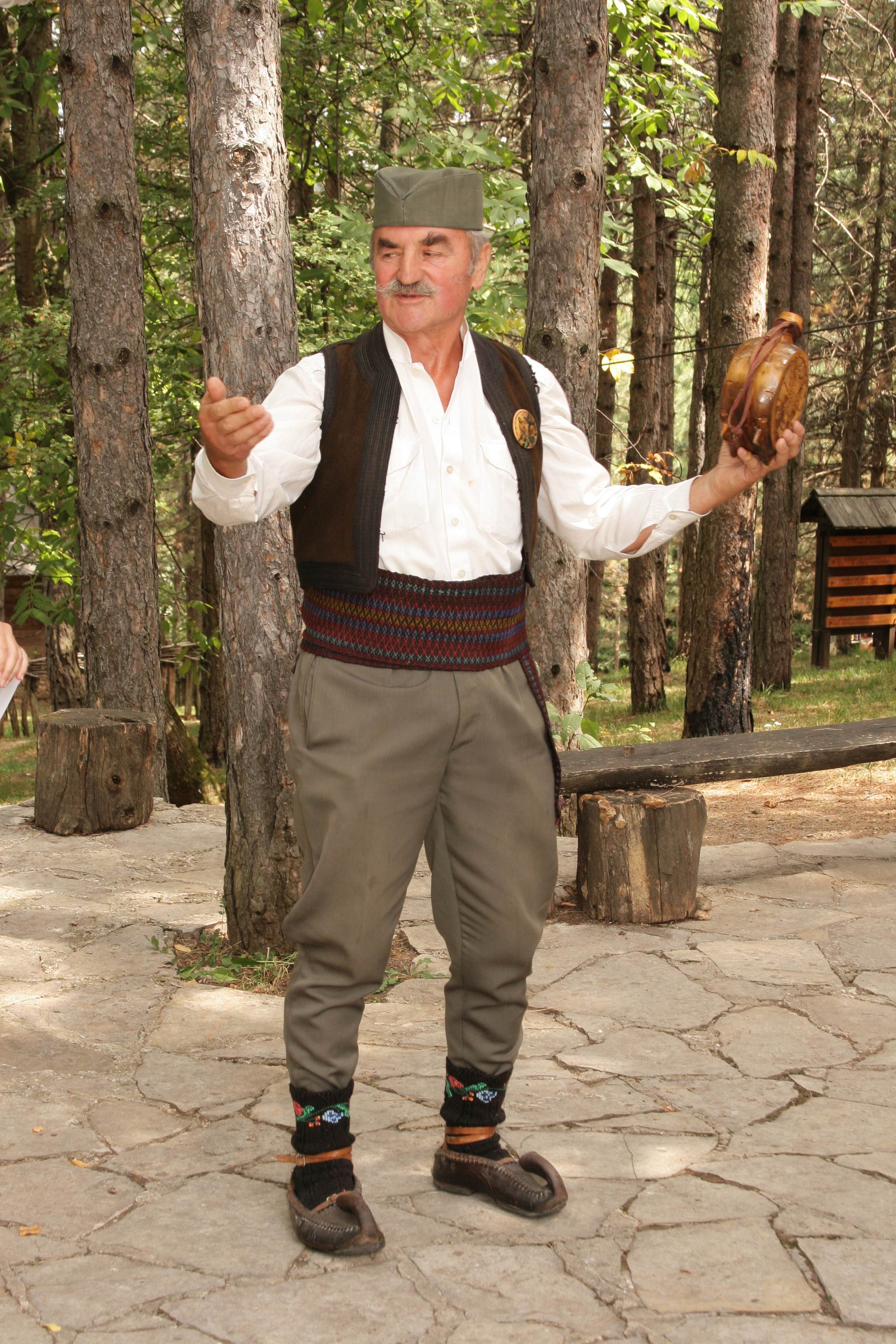
The Ministry of Culture adds that the nomination, which brings together the culture of plum cultivation, traditional crafts, food culture and customs, as well as the baking of the plum brandy and its use during private or public events, reflects the widespread of the element and best demonstrates how traditional skills and practices can be developed in a modern environment, preserving its importance in the conditions of development of modern society.
"Elements on the UNESCO Representative List of Intangible Cultural Heritage from Serbia include 'Slava' - a celebration of family Saint Patron's day since 2014, 'kolo' - a traditional folk dance since 2017, 'singing with gusle' since 2018, and 'Zlakusa pottery making' since 2020," the Ministry said in the statement.





comments