
Djukanovic's departure: A change in Podgorica's position on Kosovo is unlikely, but Pristina may remain lonely outside the "Open Balkan"
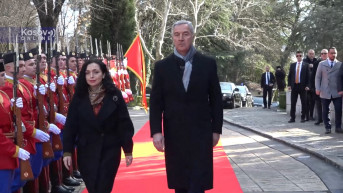
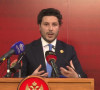
The newly elected President of Montenegro, Jakov Milatovic, who will take office in May, immediately after the election clearly announced that Montenegro would not change its position on the recognition of Kosovo's independence. The interlocutors of Kosovo Online agree that this is the expected reaction of the new head of the Montenegrin state and that it is not realistic to expect a change in Podgorica's position on this issue. On the other hand, as they point out, given Milatovic's positive attitude towards the "Open Balkan", it would not be strange if Pristina remained isolated - the only one outside that regional cooperation initiative.
Milo Djukanovic, still the current president of Montenegro, is one of Kosovo's staunchest allies in the region, and the narrative about Belgrade's politics as a source of instability in the Western Balkans, and after his defeat in the presidential elections, the question arises as to how much Pristina has reason to regret it.
Djukanovic received perhaps the clearest support before the second round of elections, in addition to that of the Bosniak member of the Bosnia and Herzegovina Presidency Denis Becirovic, from Kosovo Prime Minister Albin Kurti, who even assessed that Milatovic's victory would "pave the way for the disappearance of the Montenegrin nation, the dominance of the Serbian Orthodox Church", as well as the creation "Serbian world".
Assistant professor of the Faculty of Political Sciences, Despot Kovacevic, tells Kosovo Online that such an assessment is exaggerated because Milatovic never mentioned the "Serbian world", but it was only mentioned by his political opponents, with the aim of antagonizing the electorate.
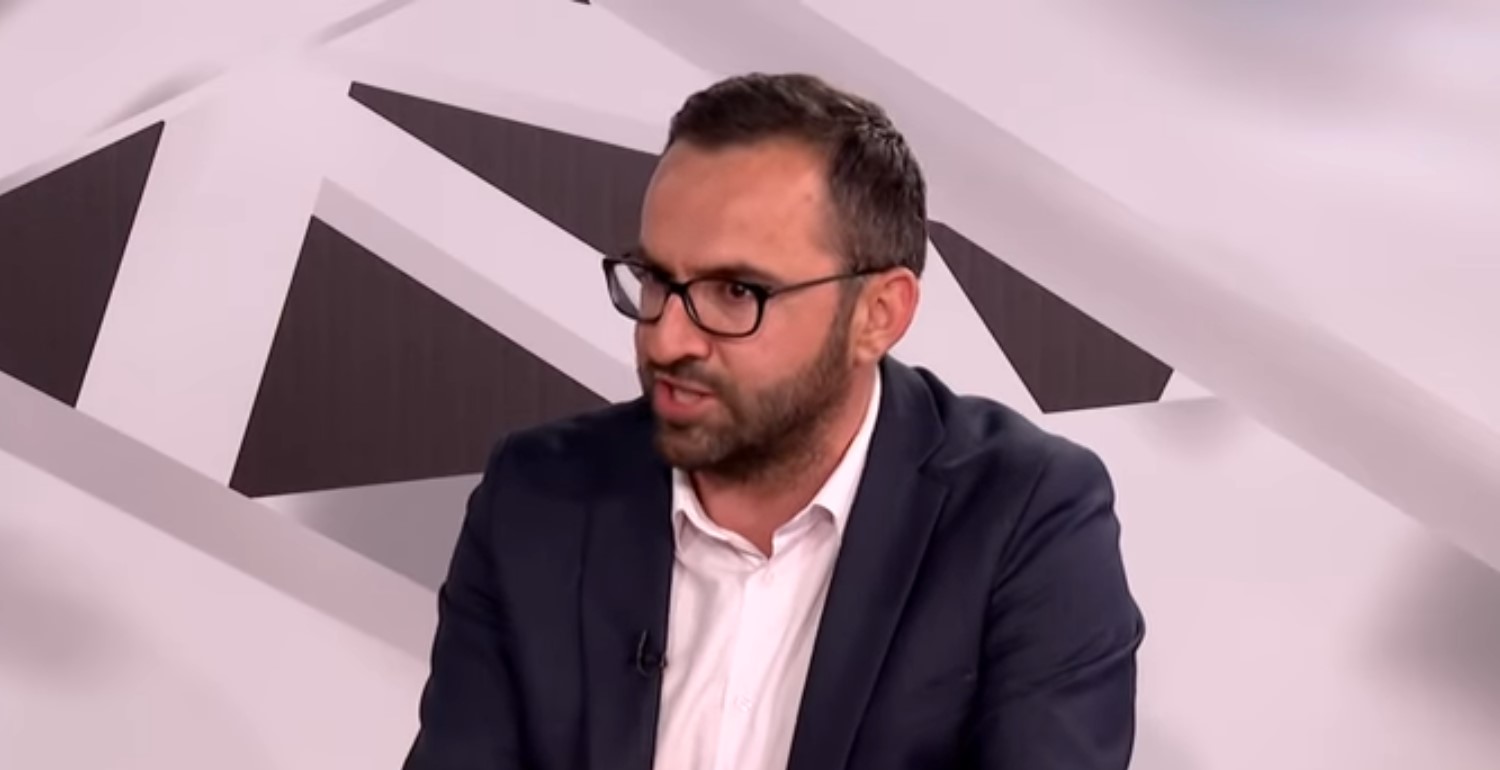
He points out that such a story is no longer successful in Montenegro, because the citizens have shown their attitude - that we should have a moderate policy, directed towards the center, which deals with socio-economic issues, without dividing the people of Montenegro in any identity way, and not talking about "Greater Serbia projects".
According to him, Serbia interfered the least of all the countries in the region in the elections in Montenegro, and that is why the story about the Serbian world was "missed".
"Such allegations are incorrect. There has always been some interference by Serbia in the internal affairs of Montenegro, and this was characterized negatively, but this time Serbia was restrained, unlike other regional examples. Kurti and Becirovic, as well as Kovacevski, who supported Djukanovic, and Dodik supported Mandic, but Milatovic remained alone, without much support," Kovacevic states.
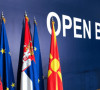
He adds that Milatovic's victory and future relations with the region, including Podgorica and Pristina, should be viewed in a broader context, that is, he points out that Milo Djukanovic was explicitly against the "Open Balkan", while Milatovic showed that he saw Montenegro as part of regional initiatives, so and those, which the Kosovo side does not want to accede to.
"If Montenegro also joins that project, Kosovo will remain a lone case among the countries that are part of the 'Open Balkan', and will remain Bosnia and Herzegovina. In this regard, Pristina can express some concern because it will remain a 'black hole' on that project, which showed its positive aspects. This is probably the first and biggest test for Pristina - how to manage in a situation in which Albania and North Macedonia and Montenegro are also potential, and they remain excluded from the game," Kovacevic notes.
This indicates a new situation in which Serbia was previously - excluded from the regional framework, while now Serbia is creating a regional initiative with other countries, which is certainly a lobby of the European Union, and a good indicator of how cooperation in the region can be done, even though there is no direct accession to the EU, which is quite far.
When asked if Milatovic would change his relationship with Serbia and Kosovo, Kovacevic replies that Milatovic is cautious when he talks about regional relations, that is, he talks about improving Montenegro's relations with everyone in the region.
"When it comes to the position of Montenegro on the status of Kosovo, it seems to me that that position, given that Podgorica is a member of NATO and on the way to the EU, will not change. Once a position is taken, it is difficult to change. Although there are countries that will withdraw the recognition, in the European framework it has not happened yet, and it is unlikely that a partner will be found in Montenegro. It is not only Milatovic, other actors would not do it either. We are far from changing Podgorica's position on the issue of Kosovo's independence," Kovacevic said.
Political analyst Vladimir Pavicevic says for Kosovo Online that it is good that Milatovic announced that he would first visit Brussels and Belgrade, that regarding Kosovo, the importance of dialogue would be emphasized, and that Montenegro would welcome a solution agreed upon by Belgrade and Pristina.

"We saw on the eve of the election that Kurti directly supported Milo Djukanovic and inappropriately commented on what could be the negative consequences if Djukanovic lost. Djukanovic lost convincingly and deservedly and it is logical that Kurti has reason to be dissatisfied," Pavicevic believes.
He adds that in Montenegro the full disempowerment of Milo Djukanovic and DPS has been achieved, which is the interest and desire of a huge number of Montenegrin citizens.
"Montenegro is now moving towards stabilization of conditions and progress," Pavicevic is convinced.
They do not expect a change in Montenegro's attitude towards Kosovo even in Pristina, and analyst Gazmir Raci tells Kosovo Online that there is no reason for political concern.
"I do not expect a change in Montenegro's attitude towards Kosovo. Montenegro, as well as Kosovo, have started the path to membership in the European Union. Regional cooperation, neighborhood, and sustainable peace are prerequisites for which it is necessary to include both Montenegro and Kosovo because they are part of the Copenhagen criteria for membership in the EU," Raci notes.
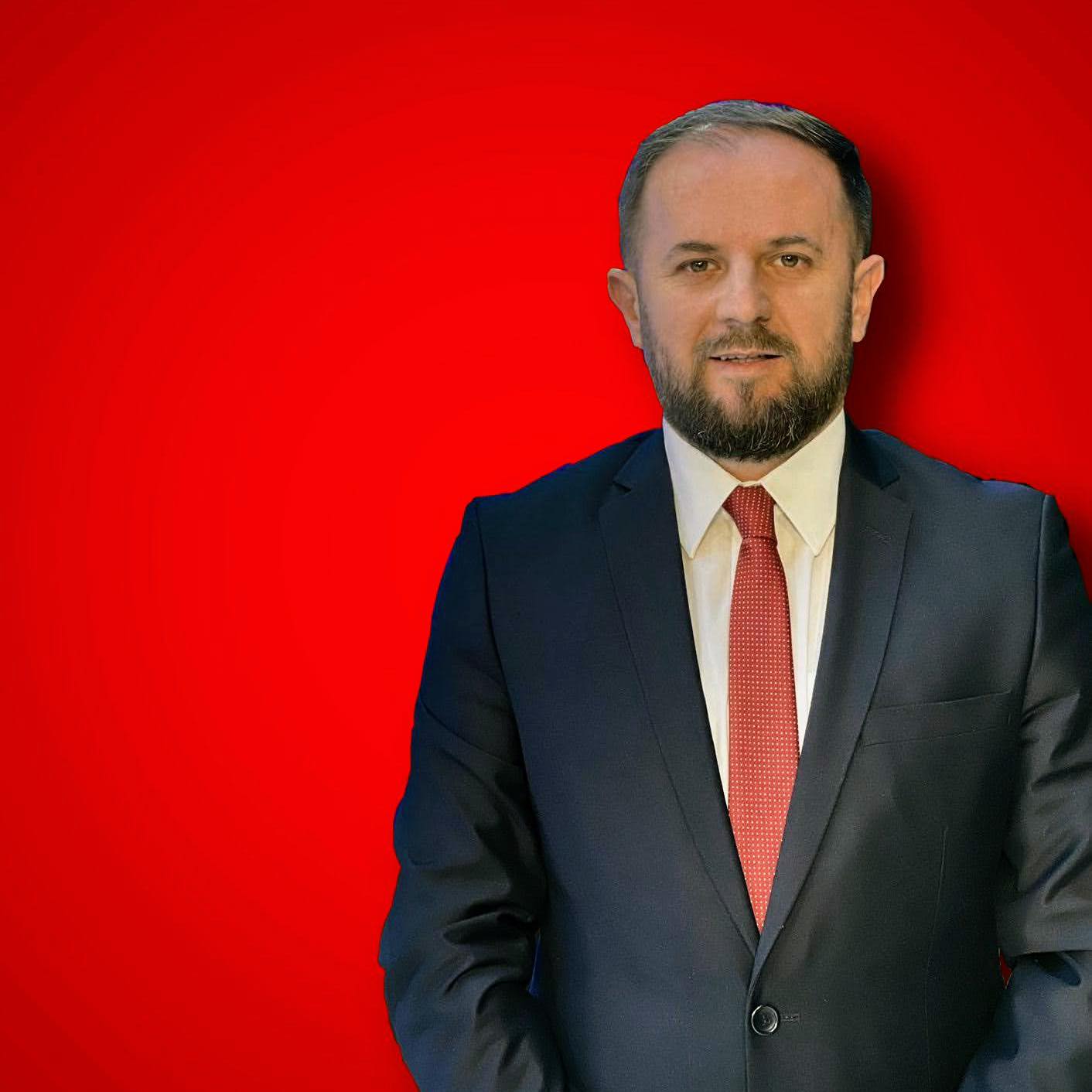
He reminds that Albanians also live in Montenegro, who are part of that country, and are important factors in the political aspect.
"The elected President of Montenegro has no position against the independence of Kosovo, on the night of the victory he said that he was interested in cooperation with all the countries of the Western Balkans. Montenegro made a big turn in the last elections, because a new class of new politicians arrived who promised that soon they would make Montenegro a member of the EU, they are also members of NATO. There is no reason for political concern from anyone," Raci added.
However, some think that the fall of Djukanovic will have a negative impact not only on Montenegro's relations with Kosovo, but also in the region, such as the former ambassador of Montenegro in Kosovo and the president of the Albanian National Union in Montenegro, Ferhat Dinosha, who said that the forces supporting Milatovic had been against all the projects of modern Montenegro - from the independence of Montenegro, its entry into NATO, and the recognition of Kosovo.
In an analysis for Index Online, Dinosha claims that these forces are mostly Serbian and pro-Russian oriented and that it is unlikely that they will remain without influence in the new state policy.
He admits that during the campaign, Milatovic, when asked by a journalist about his position on Kosovo, answered that "the state of Kosovo is a fact".
"But one thing is the pre-election campaign, and the other could be the campaigns of the 'Serbian world', which can try to influence both Montenegro and part of Kosovo," Dinosha says.
0 comments