
Kurti at the crossroads: Is he really deviating from his old policy?

Albin Kurti made big promises to the citizens on the issue of progress in the economy, new jobs, and suppression of corruption after becoming Prime Minister of Kosovo. He was also explicit when it came to the dialogue with Serbia, which he put in the seventh place of his priorities, and since the beginning of his mandate, he has been saying that the Community of Serb-majority Municipalities will not be formed. We asked analysts from Pristina, Artan Muhaxhiri, and Dardan Sejdiu, how much Kurti had deviated from his proclaimed principles in the meantime.
For almost two years, as prime minister, Albin Kurti pursued his old policy of dialogue with Serbia, based on the story of reciprocity. He stated several times that the CSM would never be formed. What and how much has changed with his acceptance of the agreement in Ohrid on March 18 and the European plan on February 27 in Brussels?
The leaders of the opposition parties in Kosovo did not miss the opportunity to remind Kurti that in 2018 he caused large demonstrations because of the agreement that he himself now accepts. Demonstrations against him are now being organized in Pristina. They accuse him of "causing irreparable damage to Kosovo" by accepting the European proposal.
Analyst and sociologist, Artan Muhaxhiri, recalls that opposition to the formation of the CSM was one of Kurti's main pillars of populist rhetoric.
"As an opposition leader, Prime Minister Kurti was known for his uncompromising views on the most important topics of Kosovo's political discourse. Continuous and strong opposition to the Community of Serb-majority Municipalities was one of his main pillars of populist rhetoric. However, at the meetings on February 27 and on March 18, Kurti agreed to respect all previous agreements between Kosovo and Serbia - including the one related to the Community," Muhaxhiri said.
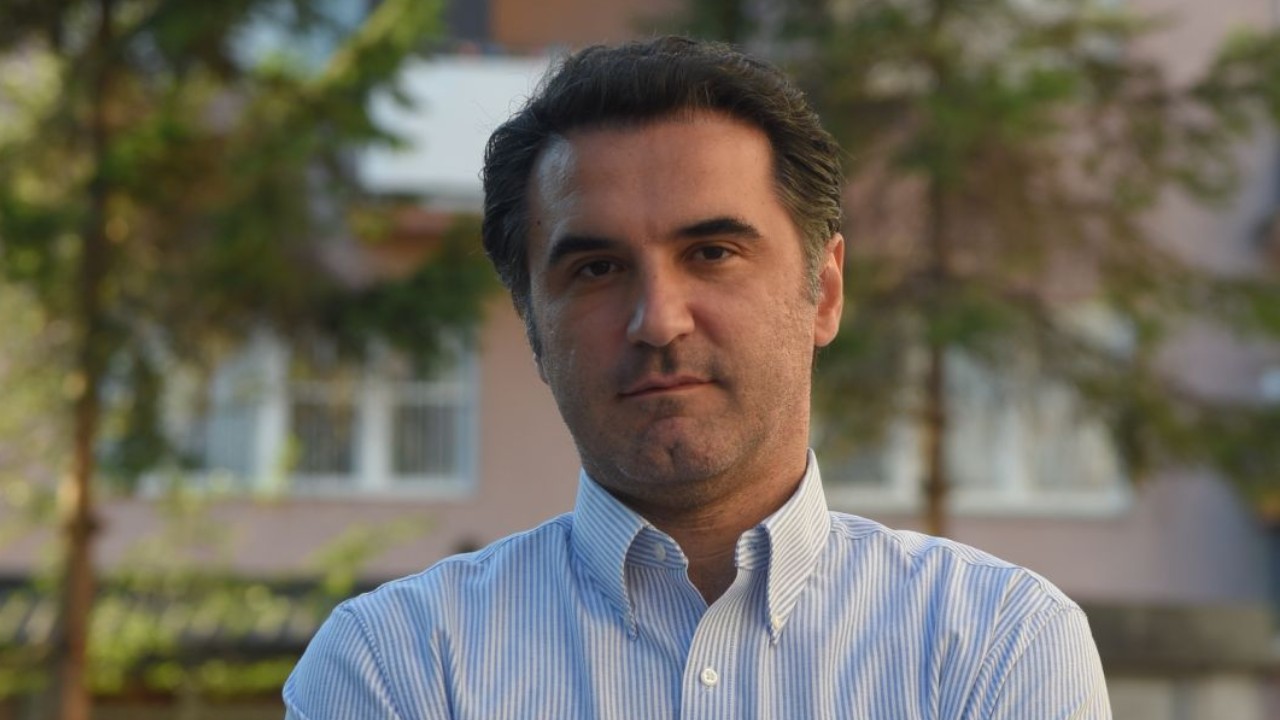
He assessed that such a political change by Kurti was great and welcome, both for the sake of the citizens of Kosovo and for the sake of the international community.
According to Muhaxhiri, Kurti could justify his deviation from his policy if Kosovo made progress on important issues.
"Kurti's "realist twist" can be justified if Kosovo will have important gains in the form of progress in the dialogue towards the final historic agreement, new important recognitions, and membership in international organizations, starting with the Council of Europe," Muhaxhiri said.
Analyst Dardan Sejdiu believes that after Ohrid, the leaders of Kosovo and Serbia know that now only the EU is in charge, but that Kurti is setting new ethnic lines by declaring that he was willing to form self-government.
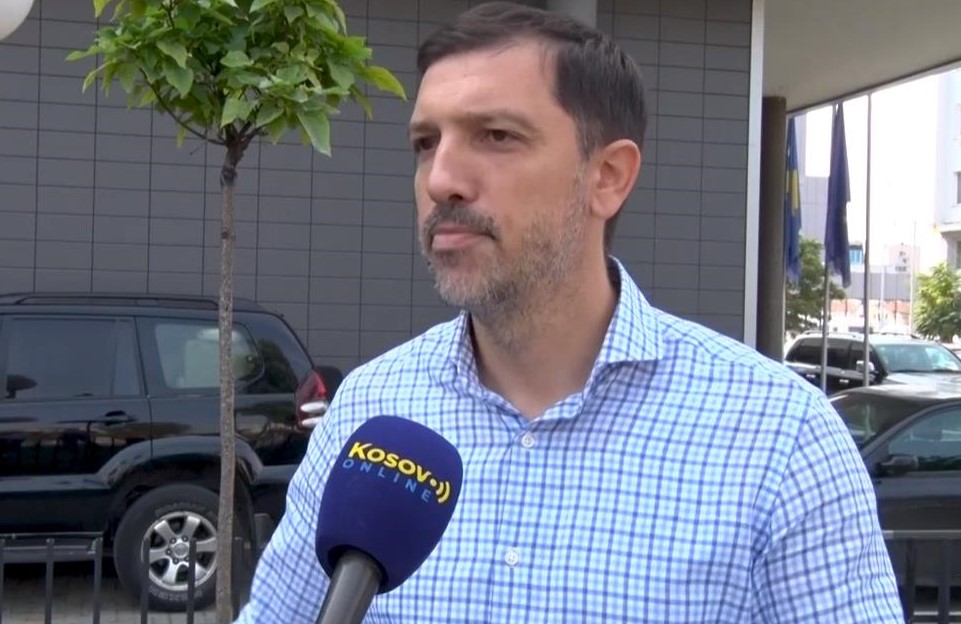
"I hope that he deviates from his old policy, but I don't know if this new policy refers to new jobs, suppression of corruption, and a better economy. I think that Vucic and Kurti know after Ohrid that no one will ask them anything anymore and that they have to move forward if they want to join the EU. Every other story is for public consumption, not for development or anything like that. But as for the position of Prime Minister Kurti, he explained yesterday that he had been willing to form the CSM but that Vucic had been the one who was not, so we go back to the same story where they criticize each other from afar, but basically, things remain the same on the field, and then there is that "turbo nationalism" where we try to position ourselves along ethnic lines, and not along some civil and progressive lines. I would like to see that there is development in this sense and that Kosovo and Serbia realize that in the future there is not much place and time for this kind of rhetoric. Until then, we will be spectators of a very interesting story in the words of Mr. Vucic and Mr. Kurti," Sejdiu concluded.



0 comments