
Mastilovic: Serbia leads the region in the use of artificial intelligence, digital literacy needs to be improved
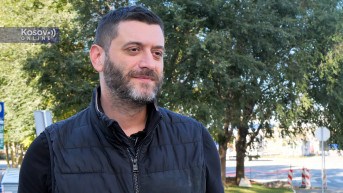
Serbia is among the regional leaders in adopting and using artificial intelligence (AI), but its application in the economy largely remains at the individual level, without a systematic and strategic approach by companies. This makes it necessary to work on improving digital literacy, said Aleksandar Mastilovic, a consultant specializing in digital transformation and artificial intelligence.
Mastilovic told Kosovo Online that artificial intelligence is being used in Serbia in various ways, both for private purposes and in education and business, but that there is still no general, systematic plan for its implementation.
“It is to be expected that younger people, students and school pupils are the ones who embrace artificial intelligence the most, using it to make their formal education assignments easier. Companies have also started using it, but mostly at the individual level, as a personal assistant for employees, rather than to optimize business and production processes,” Mastilovic explained.
Speaking about Serbia's position compared with other European countries, he said the country had made significant progress in adopting artificial intelligence and that, although it still lagged behind the European Union average, it held a leading position at the regional level.
“We are doing much better than we were five, ten or fifteen years ago, and we can say that we are not significantly behind. We still lag behind the EU average, but we are certainly ahead of five to seven of its member states, especially those with which we share a direct border. In regional comparisons with the former Yugoslav countries and our immediate neighbors, we are definitely among the leaders,” Mastilovic said.
Mastilovic warned that artificial intelligence, like other technologies, can be used to improve quality of life, but also for manipulation and abuse.
He pointed to the possibility of generating fake videos, statements and voices, and even telephone calls in which someone's family member or another close person is impersonated in order to lead them to make the wrong decision.
“We live in a time when we can no longer trust our eyes or ears unconditionally. Additional verification is necessary,” Mastilovic stressed.
He also cited potential risks involving abuse in the financial sector and the economy, as well as the possibility of inaccurate data being introduced during the training of systems, which can lead to incorrect assessments by artificial intelligence.
According to him, one of the key tasks is to improve the population's overall digital literacy, particularly among employees and younger generations, who will increasingly use these technologies.
Mastilovic also emphasized the importance of appropriate regulation, saying he expects Serbia to adopt an artificial intelligence law aligned with European rules by the end of this year.
“The law will generally protect us and enable our companies to be compatible with the European market, but responsibility for the proper use of artificial intelligence starts with us, through ethical and responsible use,” Mastilovic concluded.


0 comments