
Why is there no justice for crimes against the Serbs in Kosovo? It is tainting the honor of international representatives
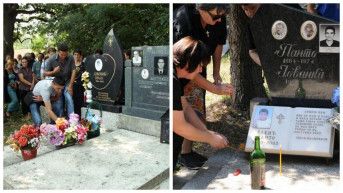
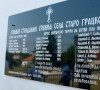
The massacre in Staro Gracko, the bombing of buses in Livadice, the shooting of boys in Gorazdevac, the mass kidnapping and atrocities in the municipality of Orahovac, the suffering of the Stolic family in Obilic, the Pogrom of 2004, are just some of the terrible crimes against the Serbs in Kosovo since the summer of 1999, for which no one has been held accountable yet. The perpetrators are Albanian extremists, for many it is known exactly who they are, but the general impression is that the main responsibility lies on the conscience of the international representatives, who did not fulfill their obligations in Kosovo.
Interlocutors of Kosovo Online recall the promises of people from KFOR, EULEX, and UNMIK, that they would investigate and determine the guilt for the suffering of the Serbs after the arrival of foreign troops in June 1999. However, this did not happen.
Writer and journalist, Zivojin Rakocevic, is of the opinion that every great Serbian tragedy that happened in Kosovo during 1998 and 1999, as well as in the later period, had a clear and directed goal.
"It invaded certain areas of the life of the Serbs in Kosovo and Metohija and systematically destroyed and made them meaningless. Livadice were a message aimed at those who want to return, Gorazdevac thwarted the intention of returning children to the villages around Prizren, and Staro Gracko, and the massacre of peaceful peasants, had the goal of separating the Serbs from the land and that there would be no more harvest for them. The Serbs in Kosovo are predominantly farmers, at that moment, and for a long period - until today, the land was being taken from them and they were clearly told - you will not use it," Rakocevic pointed out.
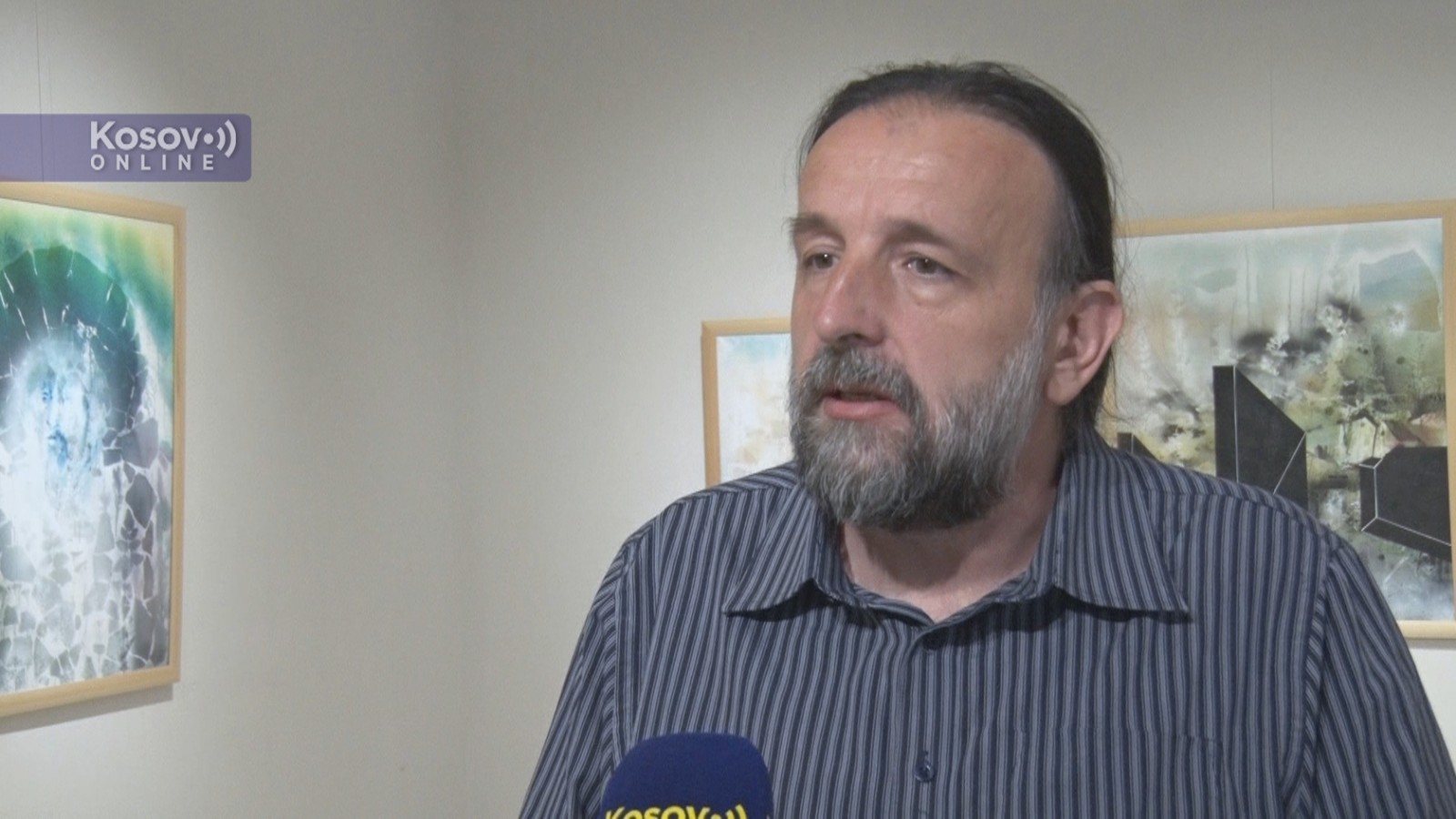
According to Rakocevic, impunity and non-respect of any agreement is an integral part of life and institutions in Kosovo, and Staro Gracko made that principle official through the statement of Bernard Kouchner, then head of UNMIK, that these were acts of understandable revenge.
"That was the moment when evil was made official, and after it, there could be neither justice nor institutions," Rakocevic says.
The massacre of the harvesters was explained in detail, claims Rakocevic, although the perpetrators never answered.
"The color of the killers' eyes is known, the license plates of the cars they had, letters and diaries of the criminals were found. The unit was called “Fortuna” and was led by Beg Shaqiri from the neighboring village of Crni Breg. British investigators professionally conducted an investigation and arrested fifty Albanians, and all these reports were published in full by Politika. Later, there were more arrests, but everything was drowned in impunity, in the cover-up of crimes by the international community, and when power was handed over to those responsible for crimes, everything lost its meaning - until today," Rakocevic pointed out.
Despite everything, the Serbs in Kosovo remain and survive, and Rakocevic points out that they are the heirs of a civilization and at the same time "creative in creation and survival".
"Their potential is much deeper and greater than everyone thinks; we see it as amazing patience and devotion to the sacred and to life. Mother Ljubica Zivic lost two sons in the massacre and later raised seven grandchildren. She once told us - 'They have never seen my tears'. That is the truth of Kosovo, its very life and survival," Rakocevic explains.
When asked if coexistence between the Serbs and the Albanians was possible after all these tragedies, Rakocevic answered, "Coexistence is also this kind of survival - some in the ghetto, and others in the city, and freedom. The problem is that our ghetto freedom is also being questioned and it is bothersome. Any development from culture to the economy in the ghetto is seen as a danger and will be subjected to pressure and attacks. The Serbs are speaking - it's their time, and it's ours to survive".
Gordana Djoric from Laplje Selo points out that the period after 1999, when the Serbian army withdrew from Kosovo, was the most painful for the Serbs.
"At that time, I saw the bodies of murdered Serbs on the street. Brankovic, who was killed in the Pristina neighborhood of Kicma, then three members of the Stolic family from Obilic, then Staro Gracko. Then, with Mr. Balinovac, who was in the government at the time, in the Ministry of Justice, we went to Dr. Batali, who was the director of pathology, to see how our harvesters died. We went there, and I watched through the window that they did not kill our driver, how terrible it was because it was completely unsafe at that time wherever you move. It's simple, someone could kill you. Not to mention many others, like Bojanic, who died, professors who were slaughtered at the Faculty of Economics, and many more. It would take me a whole day to list what we were going through back then," Djoric points out.
On February 16, 2001, 12 people of Serbian nationality were killed and 43 people of Serbian nationality were killed and 43 injured in the bomb attack on the "Nis Ekspres" bus, which was heading towards Gracanica from the direction of central Serbia, in the town of Livadice, near Podujevo. Gordana Djoric was on that bus.
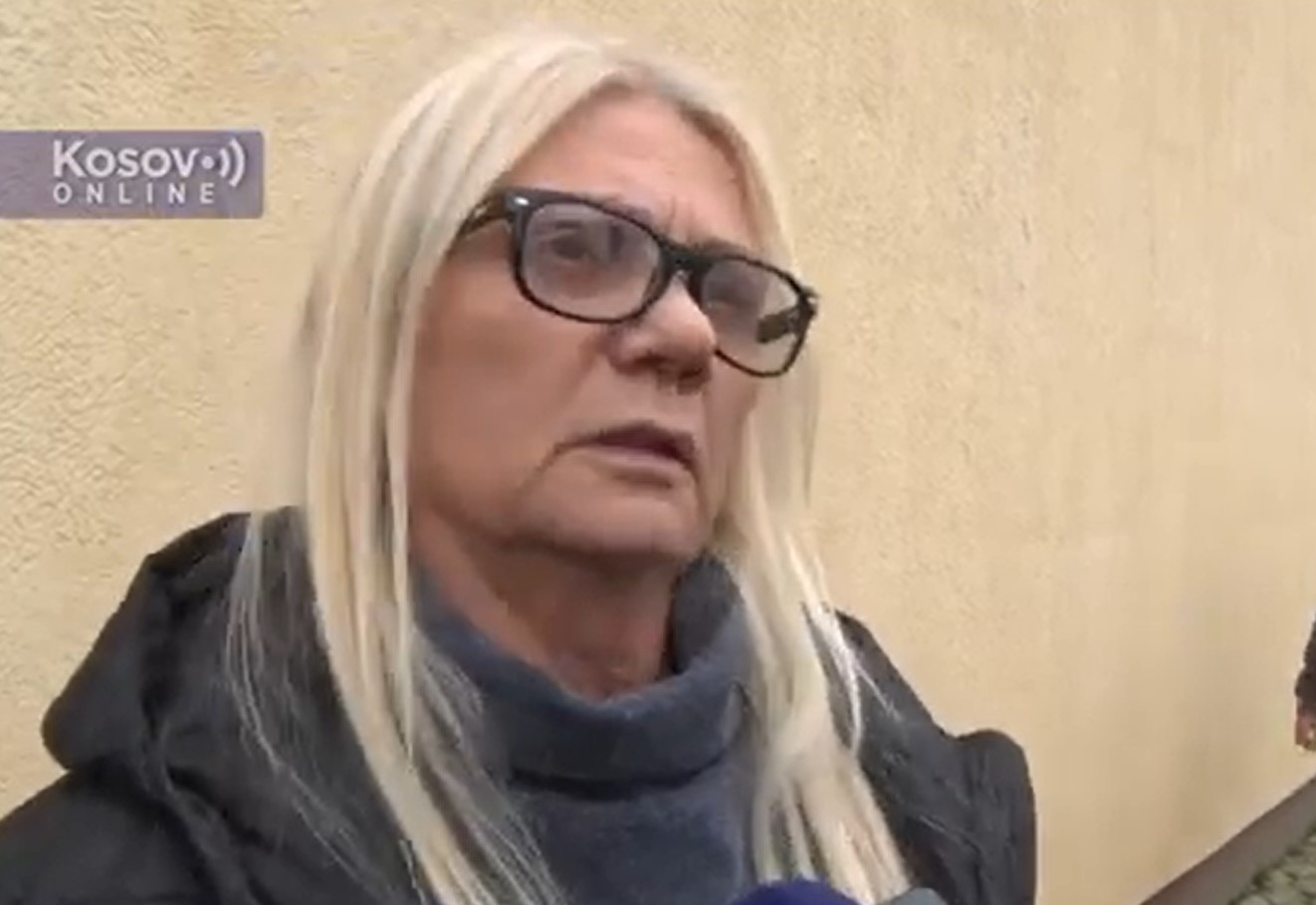
"I was on that bus that was blown up and those memories will never be lost, I even have the feeling that when I close my eyes I can see clearly, I have a picture of what happened that day. A lot of things happened to us, but what hurts me even more is the fact that none of the perpetrators of such crimes were found, or convicted. It was incomprehensible to me then, we were accompanied by British KFOR soldiers, and it was incomprehensible to me that they couldn't find out who set the explosion. It was also incomprehensible to me when we went to the funeral of the members of the Stolic family, that then the KFOR representatives said that they would have to find out, that they would find out very quickly, and that things like this should not happen, and even that case has not been solved to this day, not to speak for the harvesters, but also for all the murders that happened after the war. I don't know that any of the killers have been convicted," Djoric points out.
According to Djoric, the greatest responsibility lies with the international community, which after 1999 was supposed to take care of peace and security, however, she reminds that most of the murders happened right in front of their eyes.
"During that time, representatives of international organizations, KFOR, and all those who were there to ensure safety for all citizens bear the greatest responsibility, and in fact, the biggest pogrom of our people, the most murders happened just when our army withdrew and when they came from international organizations - when KFOR came. Simply, I am a living witness; in Pristina, I saw how the Serbs were attacked and killed, and how KFOR vehicles just passed by, they didn't pay attention, or possibly if someone was arrested, he would be released after an hour, and that’s it. Simply, it was as if it was an agreement with all of them to expel us as much as possible, because when there are no Serbs here, then they think that there won't be any problems, and normally, the wish of all of them is ethnically pure Kosovo," Djoric says.
The same insecurity and anxiety still exist among the people. Djoric points out that the Serbs in Kosovo have been living in uncertainty since 1999, however, she believes that despite everything, they plan to stay there.
"We are staying here for sure. We were all born here. I can't imagine being anywhere else without being in my village, because I was born here and in my 63 years I have never left here and I hope to end my life here. This is my house, my home, I can't feel the warmth of home anywhere else, as I feel here in my house," Djoric is determined.
We remind you that for the massacre in Staro Gracko, which happened 24 years ago today, and the murder of 14 Serb harvesters, seven Albanians were under investigation. In October 2007, UNMIK arrested Mazllum Bytyqi from the village of Veliki Alas, near Staro Gracko, on suspicion of having participated in the murder of Serb harvesters, however, he was released from custody two months later due to lack of evidence.
In 2017, the Special Prosecutor's Office in Pristina, together with EULEX, suspended the investigation due to a lack of evidence.
The same or similar happened in the cases of investigations of all other numerous crimes committed against the Serbs in Kosovo in the previous 25 years.

0 comments