
Why is the UNMIK Mission bothering Pristina and why is it being supported by the US, Great Britain, and Japan
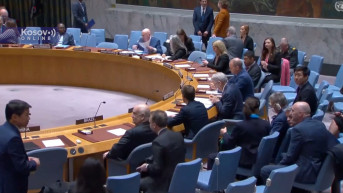
For years, Pristina has been asking for the abolition of the United Nations Mission in Kosovo (UNMIK), for which it has the support of countries such as the US, Great Britain, and Japan, and the interlocutors of Kosovo Online state that their latest demands for the shutdown of UNMIK stem from an arbitrary interpretation of the contents of Resolution 1244 and Western expansion strategies to the Balkans and the East.
The State Secretary in the Ministry of Defense, Nemanja Starovic, stated for Kosovo Online that the requests to review the mandate of the UNMIK mission presented at the last session of the UN Security Council devoted to the situation in Kosovo, and even the requests to completely abolish it, stem from an arbitrary interpretation of the contents of Resolution 1244, which the leading states of the political have been resorting to in the West since 2008.
Starovic reminds that those countries – the US, Great Britain, and Japan, also referred to Resolution 1244 when recognizing the unilaterally declared independence of Kosovo.
"They announced that their act was based on the relevant resolution," he adds.
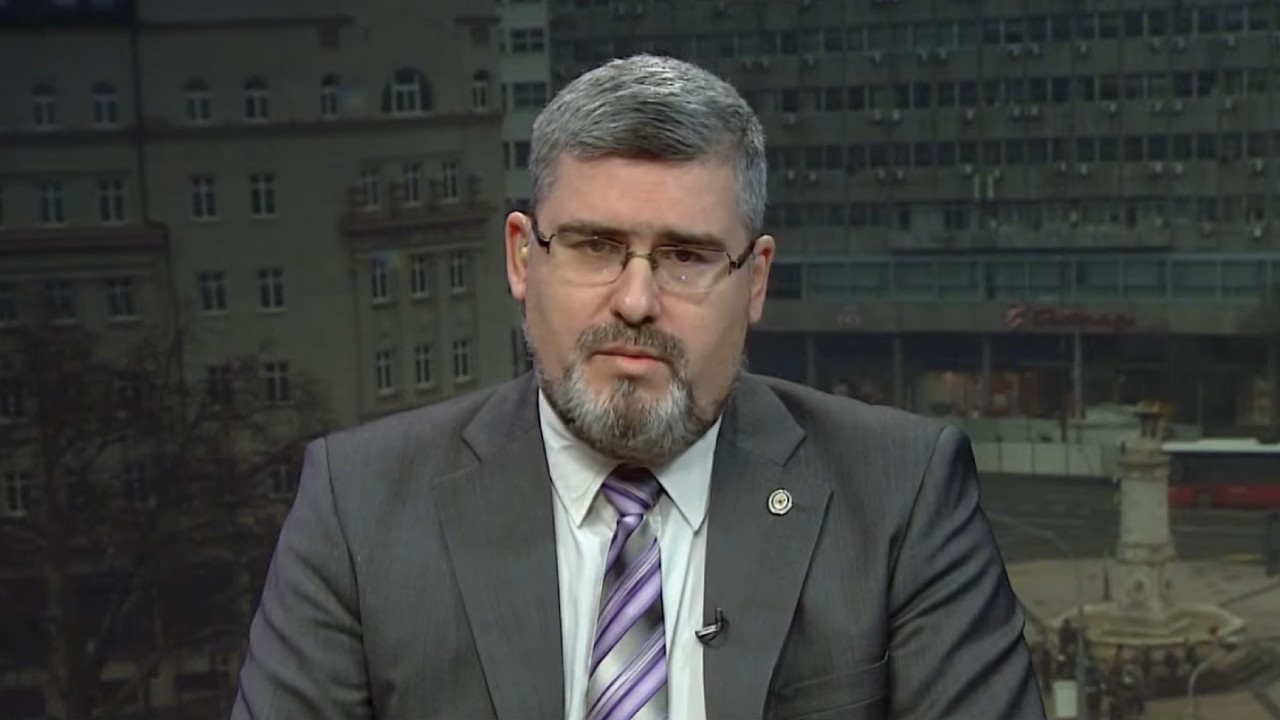
Starovic points out that the deception consists in the fact that while correctly pointing out that Resolution 1244 has a temporary character since it establishes a temporary regime that will be valid in Kosovo until the final solution is reached, they also ignore another very important fact, which is that the same resolution is not time-bound.
"Therefore, in accordance with the valid postulates of international public law, the regime established in Kosovo and Metohija by Resolution 1244 has a 'lifetime' that is limited only by the moment of the adoption of a new resolution of the UN Security Council on the same issue, which has not happened yet and is not possible to happen without the consent of Russia and China," Starovic says.
With this in mind, he adds, their current demands for the termination of the UNMIK mission are consistent with the aforementioned fraudulent interpretation of Resolution 1244 and the view that its legal effect expired with the determination of the final status of Kosovo, the act of unilateral declaration of independence which they recognized.
Former diplomat of SFR Yugoslavia and Minister of Foreign Affairs of FR Yugoslavia from 1998 to 2000, Zivadin Jovanovic, says that things are not as they seem at first glance, but that the discussions in the UN Security Council are also taking place within the strategy of Western expansion into the Balkans and the East.
"Pristina is not some kind of factor, nor is Albin Kurti. We in Kosovo and Metohija are dealing with the strategy of expansion of the West into the Balkans and the East. It is a strategy, all other manifestations are derived categories, including why Pristina is bothered, why Kurti behaves this way or that," Jovanovic says for Kosovo Online.
He adds that these other manifestations are unimportant things, but that when it comes to them, Serbia "buries its head in the sand" in a certain way.
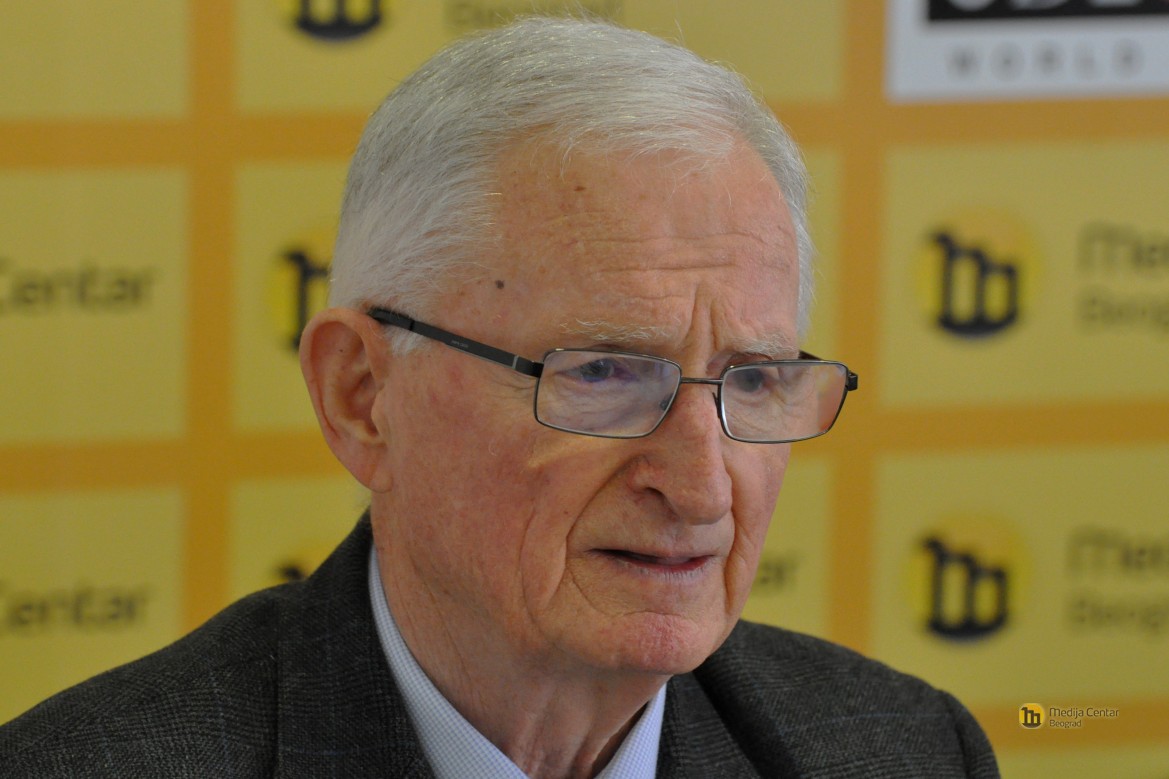
"We don't want to say and admit that this is being done to us by Western countries that we call friendly, that we call strategic partners. The right name for everything that happens in Kosovo and Metohija, for everything that Kurti does, for everything that Kosovo institutions do, is the anti-Serbian strategy of the Western countries," Jovanovic believes.
When asked why the consideration of the presence of the UNMIK Mission in Kosovo was supported by the US, Great Britain, and Japan, Jovanovic says that it is because of the strategy of hegemony and expansion to the East. He emphasizes that the aggression of the NATO pact was part of the strategy of expansion to the East and that everything that is happening today is just a continuation of the strategy.
"What is new is the inclusion of Japan, but Japan is a vassal state of America, an occupied country, it is not a free country and Japan must follow that, just as Germany largely behaves like an occupied country," Jovanovic concludes.


0 comments