
"Chinese whispers" game between Pristina and Brussels: Is Kurti serious when he conditions the EU regarding new local elections?
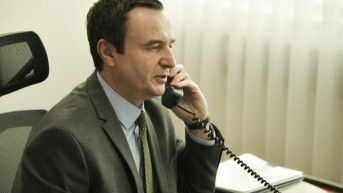
What two weeks ago seemed like a sealed agreement between the EU and the authorities in Pristina regarding the steps that the government of Albin Kurti should implement in order to de-escalate the situation in the north of Kosovo, in the past few days turned into a kind of game of "Chinese whispers". Instead of the Kosovo Government fulfilling the demands of the EU and the US for de-escalation, i.e. what it committed to, Bislimi and Kurti presented their conditions to Brussels - first of all, to withdraw punitive measures to Kosovo, and only then can new local elections be held in the north.
To recall, the EU is asking Kurti to hold new local elections with the withdrawal of Police Forces, but the Kosovo Prime Minister and his Deputy are now reversing the order of moves, expecting Brussels to lift the imposed punitive measures first.
In this political stunt of the Bislimi-Kurti tandem, Kosovo Online interlocutors, analysts Shkelzen Maliqi and Srdjan Graovac, as well as lawyer Milan Antonijevic, see as an attempt by Kurti to buy time and postpone the inevitable, which is to calm the situation in the north, meet the demands of the West, withdraw the police and new elections, as well as a return to dialogue. They also point out that the statements made by Kurti and his closest associates in the direction of Pristina's further confrontation with the EU and the USA are for "domestic use", in order to preserve the support of the hard core of the Albanian electorate.
Political analyst Shkelzen Maliqi says that "Kurti behaves as if he is the king of Kosovo, but he understands very well that when problems start he has to call KFOR or give in, in the end".
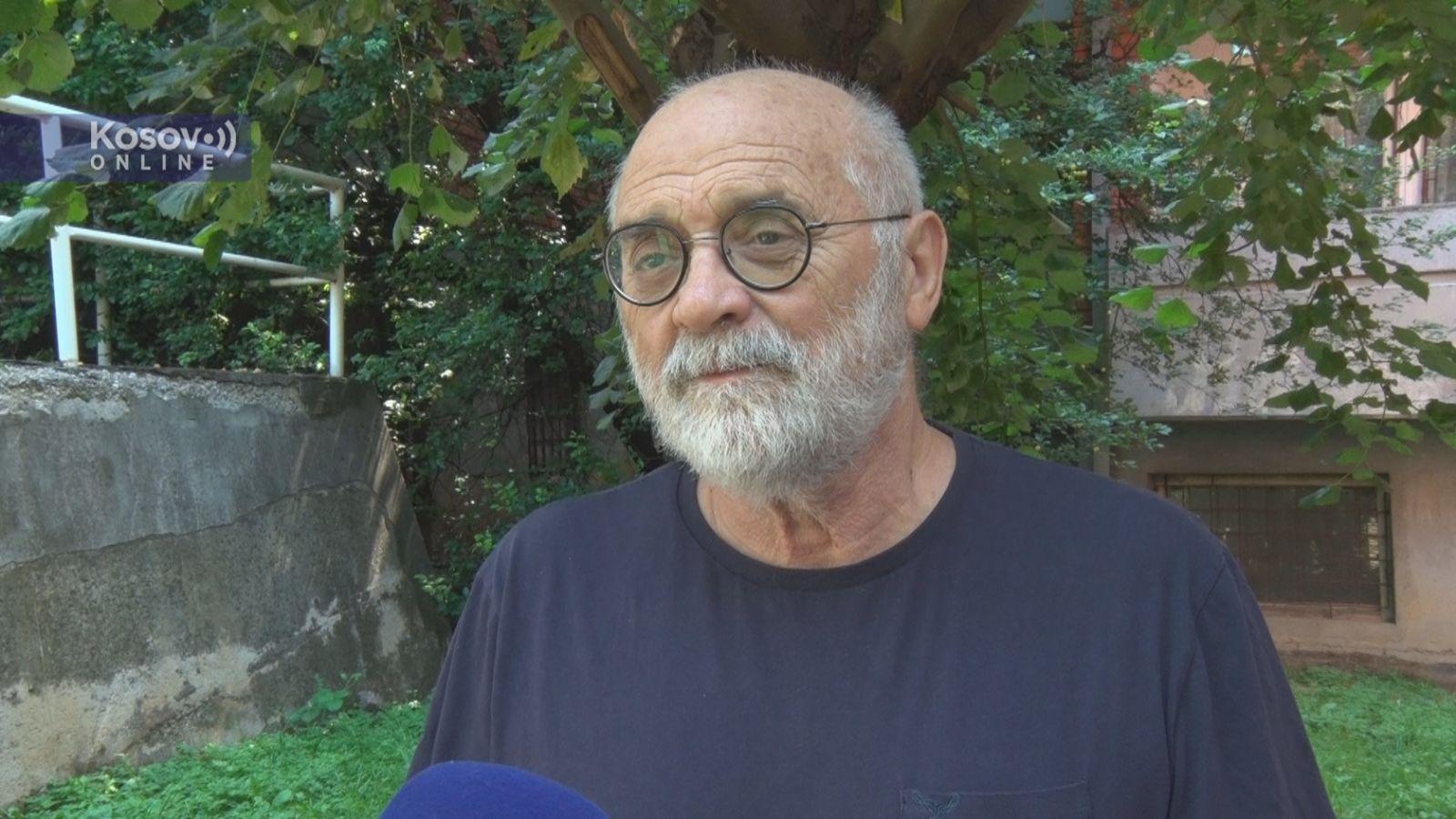
"And every time he gives in, he finds some kind of justification. I think it's some kind of game. He continues the same story, showing courage to his voters who still believe in him, that he is not like the previous authorities who listened to the ambassadors. In my opinion, Kurti just wants to buy time, he knows he has to honor what his deputy in Bratislava promised, so then he changes his mind, fabricates some countermeasures, as if he can condition," Maliqi tells Kosovo Online.
According to him, new elections in the north are inevitable and Kurti must find a way to implement them.
"The easiest way is to tell the newly elected municipal presidents, who are now sitting at their homes, to resign. And, not to fabricate some kind of petitions and other legal solutions. The election process was legal, but its result has no effect, no one can be mayor of the municipality, without the citizens listening to him. But, no, Kurti stubbornly keeps them there for more than two months, under police guard. And the decision to withdraw 25 percent of the police from around the municipalities in the north is a part of that game of buying time, which I don't know where it is going or whether it leads to a political solution," Maliqi points out.
According to him, it would be best if Kosovo went to parliamentary elections, in order to see how much support Kurti actually has.
"According to some estimates, he would get even more votes in the next elections, but I don't believe it will be so easy. He shows no will to solve the problem through dialogue. Maybe, as some believe, Kurti is doing all this on purpose to be deposed, to become a victim of the West, and then to look for a third chance and to be elected again with the majority support of the voters. The fact is that Kosovo has never had stronger allies, and Kurti is 'already creating a rebellion', he is not a realist but a fantasist,” the analyst from Kosovo concludes.
Analyst of the Center for Social Stability Srdjan Graovac tells Kosovo Online that the Pristina side definitely does not want the negotiations to continue and therefore every move they make is directed toward that.
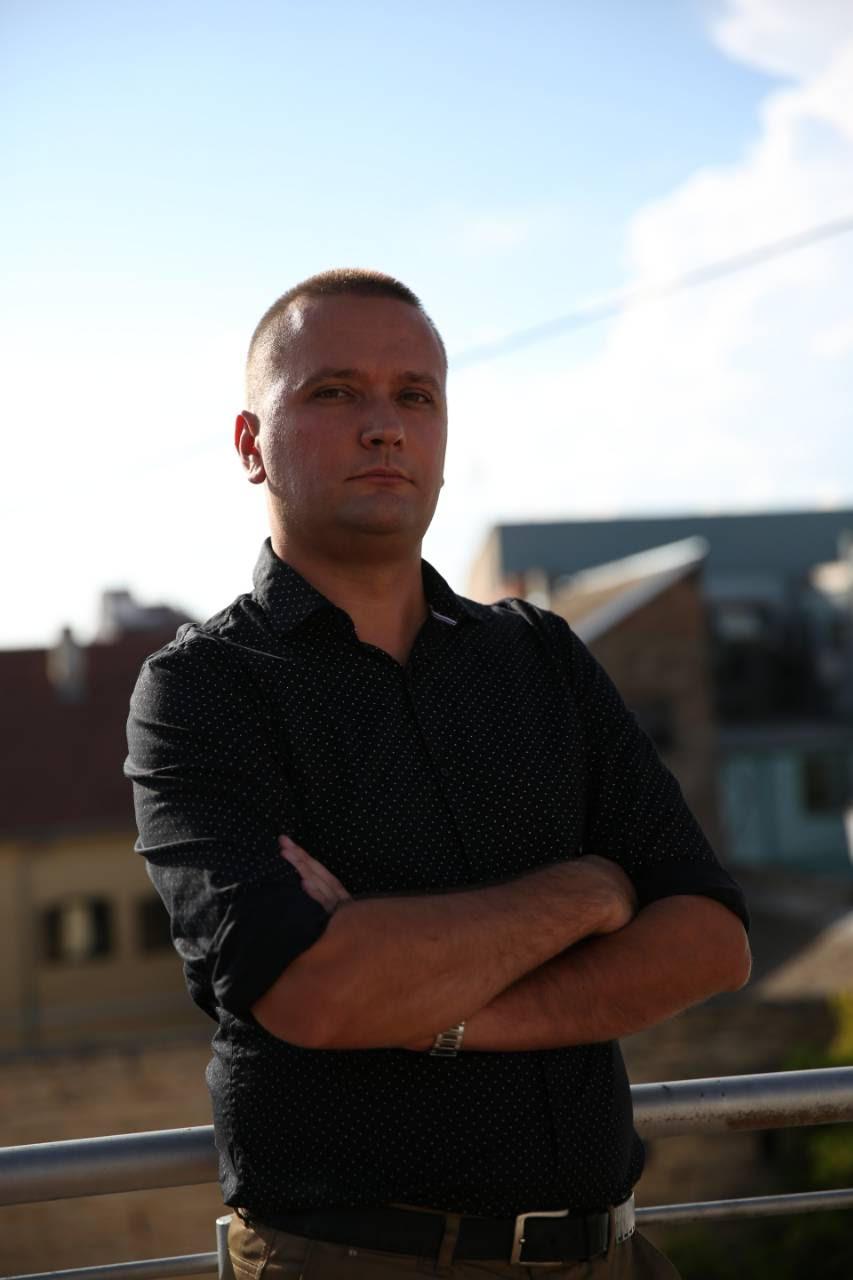
"And this stipulation of the European Union that Brussels should first withdraw sanctions and only then organize new elections in the north is only aimed at delaying the finding of a solution that would reduce the tension and bring both sides back to the negotiating table, i.e. revive the dialogue process in Brussels. I would interpret Bislimi's move, and now Kurti's, in no other way than as a part of Pristina's strategic policy of preventing further dialogue with Belgrade, which certainly does not suit the Albanian side," he states.
He also believes that this is not a question of wrong political assessments by Pristina officials or a lack of sense of realpolitik, but on the contrary, that it is a deliberate strategy.
"I don't think that Kurti and Bislimi are concerned with the absence of realpolitik, a realistic understanding of the situation in Kosovo. On the contrary, I think that they are also aware of the circumstances and weigh what is more important to them. At this moment, they have decided that it is more important for them that the negotiations do not continue, to sabotage them, but to meet the demands of the EU. They are playing this game to the end; it is even a better option for them to fall from power, than to implement what Brussels and Washington are looking for. They estimate that meeting the demands of the EU could cost them popularity and realization of political goals," Graovac says.
He adds that both Kurti and Self-Determination understand that they gain popularity precisely because of the uncompromising attitude they have when it comes to rounding off Kosovo's independence.
"If they start to make some kind of compromises, to give in to the EU, if they return to negotiations, it will weaken their position among the Kosovo Albanians. This is what they do not want to allow. On the other hand, they do not want to implement the Community of Serb-majority Municipalities, and they know that returning to the negotiating table also means returning that topic to the agenda. In any case, it is not that they are viewing the situation unrealistically, but rather they are making moves that benefit them, our interlocutor points out.
He notes that we should not ignore the fact that Pristina has the support of the power centers in the West and expects their protection. So far they have not suffered serious consequences, the measures so far have really been minimal and not strong enough to force Kurti to give in, Graovac believes. He does not expect any serious consequences for the authorities in Pristina in the coming period, even after the last messages of Kurti and Bislimi, that is, their conditioning of the EU.
"It seems to me that there is currently no agreement within the EU that Pristina should be punished more harshly, and that Kurti and Bislimi are aware of this. In the previous period, we had harsh words from Kurti and his closest collaborators against the US and the EU, but again they did not have some dramatic consequences. It is very difficult to harmonize decision-making in the EU, and the fact that there are countries that support the Pristina side and are ready to soften the edge of the sanctions aimed at them. We often hear calls from certain Western officials that it is not possible to punish only one side. There are countries and individuals in the EU who are not in favor of harsher punishment, regardless of what Pristina did. Therefore, I do not expect any harsher reaction from the EU, except for some verbal reaction, but not significant sanctions," Graovac concludes.
Lawyer and human rights expert, Milan Antonijevic, assesses the statements of the Vice President of the Government of Kosovo, Besnik Bislimi, and then Albin Kurti, that they are waiting for the lifting of the measures of the European Union, as a condition for holding elections in the north, are a "finger in the eye" of the EU.
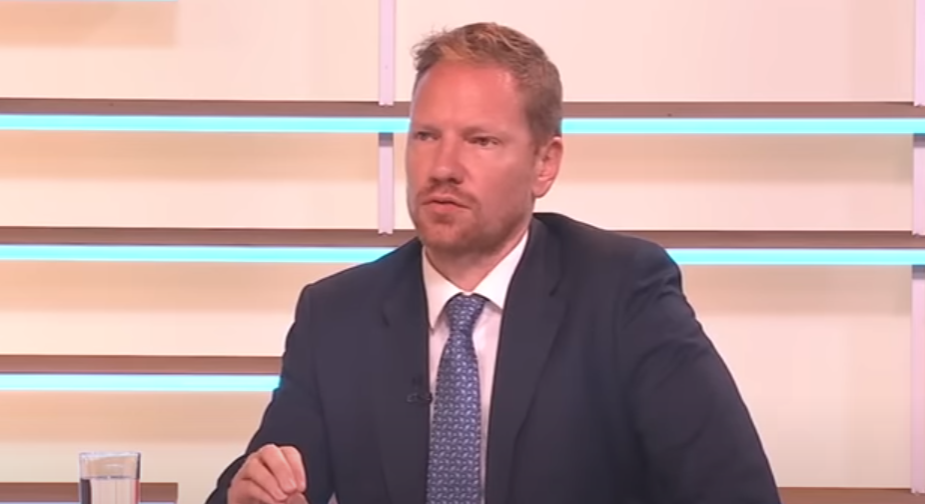
"It is “a finger in the eye” of the European Union, but that's not surprising if you look at some other moves by the Pristina authorities. On the one hand, it speaks of the need to attract attention, and on the other, it's clear that they can't expect the European Union to back down in front of their demands and change the priorities that it clearly stated," Antonijevic says for Kosovo Online.
He reminds that official Brussels did not comment on the statements of Kosovo officials.
"In diplomatic terms, in such situations when they don't want to comment on something, it means that they don't agree with it. They sent a message that they wouldn't argue about that topic at all. The EU has its own policy and won't give up on it," Antonijevic points out.
He adds that it is a wrong assessment of the Pristina authorities if they think that someone in the EU or the USA will advocate for their approach.
"Our region is under 'observation' when it comes to the EU, and any problem that is created cannot be understood, because they don't want new problems, but to solve the situation in this part of Europe," Antonijevic emphasizes.
He adds that the EU did not ask Pristina for anything illogical, but to implement the obligations it undertook in order to calm tensions, organize new elections in the north, and normalize relations.
"These latest statements and actions taken by the representatives of the authorities in Pristina speak of a lack of political maturity and insufficient knowledge of the EU, with which there could be no such conditioning," he says.
Antonijevic believes that such statements by the leaders of the Pristina authorities were made, as he says, "more for internal use".
"The public in Kosovo and Serbia is used to 'strong messages', and this does not necessarily mean that they will be implemented. It is more populism and a display of spite, which, as you can see, is not only characteristic of the Serbs but also of the Albanians. Pristina depends on the EU and US investments, and any new aggravation of the situation would lead to additional isolation," Antonijevic says.
He does not rule out additional measures against Kosovo in the event that Pristina's confrontation with the EU continues. He underlines that the EU's conditions are "clear and logical" and that all that Pristina can do at this moment is actually work on meeting those requirements in order to normalize and calm tensions in the north.

comments