
EU ban only for the Serbs from Kosovo: Visa regime as additional pressure; the key to a solution in Brussels
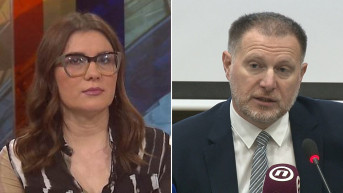
After the European Union approved visa liberalization for Kosovo, Kosovo Serbs who have a Serbian passport remained in a sort of vacuum and are currently the only group in Europe for which the ban on free travel still applies. The interlocutors of Kosovo Online, the former coordinator of the National Convention, Natasa Dragojlovic, and the coordinator of the National Convention on Chapter 35, Dragisa Mijacic indicate that this problem should be solved as soon as possible and call for negotiations between Belgrade and Brussels to be intensified.
Since 2009, when Serbia was granted a visa-free regime with the EU, the issuing of passports to the Serbs, as well as to others residing in Kosovo, has been taken over by the Coordination Directorate of the Ministry of Internal Affairs in Belgrade, and a visa is required to travel with them to the EU. This was the result of an agreement between Serbia and the EU, so that, after the decision was made to abolish visas for citizens of Serbia, the passports of those residing in Kosovo would be exempted from the visa-free regime, due to the fear of illegal migration.
After the decision on the visa-free regime for Kosovo, it is unclear whether the passports issued by the Coordination Administration for citizens residing in Kosovo will enter the process of visa liberalization approved by the EU. From Pristina, those residents of Kosovo who have a Serbian passport are being told that if they wanted to travel without a visa from the New Year, they should take a Kosovo one, and from Brussels, they didn’t announce anything.
The former coordinator of the National Convention on the EU, Natasa Dragojlovic, indicates that in Serbia, both governmental and non-governmental actors supported visa liberalization for Kosovo in the hope that all citizens of Kosovo will be able to travel without visas to the EU, as well as citizens of other countries of the Western Balkans, Georgia, Moldova, and Ukraine...
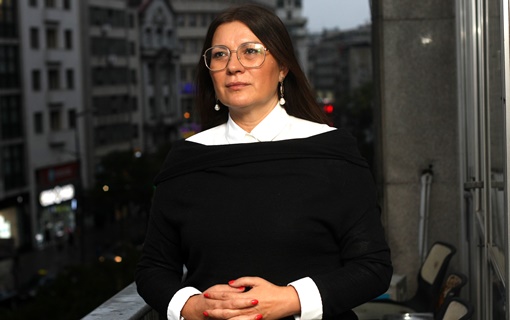
"Citizens of Serb nationality from Kosovo are further discriminated against by this decision. In addition to the fact that they cannot move around Kosovo freely, that there is an unresolved problem with license plates that creates additional problems for them at the administrative crossings with central Serbia, this is another discriminatory measure that violates fundamental human rights," Dragojlovic says.
She believes that for the same reason, which is the specific position of the Kosovo Serbs, it would be good if Kosovo was already a member of the Council of Europe.
"This would allow the members of the Serbian community in Kosovo to sue the institutions of Kosovo to the European Court of Human Rights," our interlocutor emphasizes.
Dragojlovic also sees the space in which the citizens of Kosovo, whose passports have been issued by the Coordination Administration in Belgrade since 2009, are a form of pressure to accept Kosovo travel documents.
"The solution should have been sought during the negotiations and the guarantee that visa liberalization for Kosovo will apply to everyone. Why this did not result in such a decision, I do not know. There was enough time and the decision on the visa-free regime in Kosovo was announced by the EU more than a year ago days. Now the key to the solution is in the hands of Brussels, with a reminder, which seems necessary, which is that the Union stands based on four freedoms of movement - goods, people, services and capital," Dragojlovic says and notes that "she presented all these positions at the public meeting of the Convention with the President of the Republic, Aleksandar Vucic, five years ago".
President Aleksandar Vucic also spoke about this problem a few days before the EU decided to approve the visa-free regime for Kosovo. He referred to the fact that the European Union had cited the danger of illegal migration and the impossibility of Serbia guaranteeing the accuracy of the data in them as an explanation for excluding the passports of the Serbs residing in Kosovo from the visa-free regime, and President Vucic indicated that there was a third reason.
"That was a question we asked from the beginning and they never gave it to us precisely because of their desire to show that Kosovo is a sovereign state, an independent state, and that's why they refused it, but now we are already in the first session of the dialogue with that very question mentioned when they started talking about visa liberalization and I think it is almost impossible to exclude the Serbs from Kosovo and Metohija, who do not want to be someone else's citizens, so we will look for some kind of solution and I believe we will manage to find it. I do not say that it will be tomorrow, but I hope that by the end of the year, we will manage to find some kind of solution," Vucic said.
Dragisa Mijacic, the coordinator of the National Convention on the EU for Chapter 35, told Kosovo Online that he had been encouraged by what Vucic had said, that the problem was being considered and a solution was being sought.
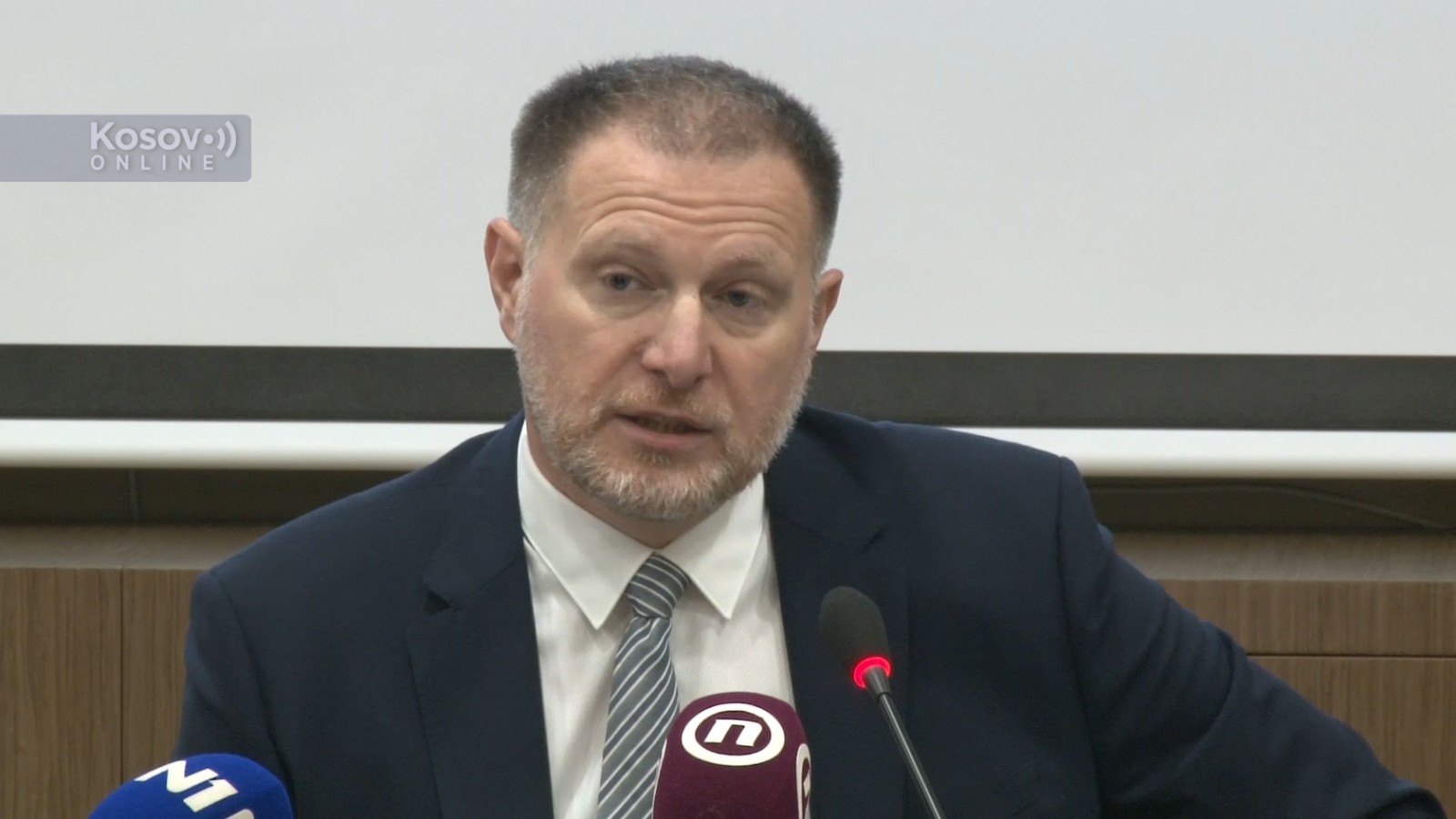
"Many who live in Kosovo do not have Kosovo identity cards and do not have the possibility to get their other documents either. And not only them; for example, if someone from Kosovo, went to live in Germany 30 years ago, before the war, he does not have the possibility to get any other passport from Serbia, but the one issued by the Coordination Administration. I met a guy who was born in Gnjilan and went to Germany with his parents as a child. In order to get a new passport, he went through a nerve-wracking procedure of collecting documents at several addresses in order to receive a passport from the Coordination Administration, and again he cannot exercise some of his rights with it," Mijacic says.
He points out that this group of people was discriminated against even before visa liberalization for Kosovo, and now after the abolition of visas, it is even more so.
"For those people who have the passport of the Coordination Administration, nothing has happened now. Neither positive nor negative. But, bearing in mind that this is a big move for Kosovo passport holders, it would be a shame if the issue of Serbian passport holders living in Kosovo would not be solved," Mijacic says.
He indicates that the key to solving this problem lies in the talks between Belgrade and Brussels.
"And those talks must be intensified. Until now, Serbia has not dealt with this problem much; it has kept the issue aside, but now, when those with Kosovo documents can travel, the alarm should ring that special attention should be paid to this problem. By the way, the decision that was made back in 2009 that passports are issued by the Coordination Administration to those residing in Kosovo and that those passports do not fall under the visa-free regime is also unconstitutional, because the Constitution guarantees equal rights to all citizens of Serbia. The argument at the time was that it was requested by the European Commission to cancel our visas, but that does not absolve the fact that the Constitution was violated. At several meetings of the Working Group of the Convention for Chapter 35 with representatives of state authorities, we insisted on these issues and asked for it to be resolved. Unfortunately, there was no political will, but now we really expect serious progress to be made on that issue. I think it is in Serbia's best interest to resolve that issue," Mijacic believes.
He adds that he does not expect the Serbs from Kosovo to start taking Kosovo passports more en masse, pointing out that those who already have a Kosovo identity card probably also have a travel document or will get one now.
"People from the north generally do not have Kosovo personal documents and I think the majority will wait to see how this issue will be resolved," Mijacic believes, indicating that the cancellation of visas for Kosovo is a positive decision and that it should not be placed in the context of unresolved issues between Belgrade and Pristina, the Serbs and Albanians.
0 comments