
After the EU decision on visas: Residents of Kosovo with Serbian passports are the most discriminated group in Europe

After the decision of the European Parliament to grant the citizens of Kosovo a visa-free regime, residents of Kosovo with Serbian passports are left without the possibility to travel freely and thus could become second-class citizens and a unique case of discrimination in Europe. The interlocutors of Kosovo Online warn against this and point out that this issue needs to be resolved urgently.
Since 2009, when Serbia was granted a visa-free regime with the EU, the issuing of passports to the Serbs and Albanians residing in Kosovo has been taken over by the Coordination Directorate of the Ministry of Internal Affairs in Belgrade. Kosovo considers these passports invalid, other countries recognize them, but a visa is required to travel with them to the EU.
This was the result of an agreement between Serbia and the EU, so that, after the decision was made to abolish visas for citizens of Serbia, the passports of those residing in Kosovo would be exempted from the visa-free regime, due to the fear of illegal migration.
After the EU's decision to abolish visas for Kosovo, it remains unclear whether the passports issued by the Coordination Administration for citizens residing in Kosovo will enter the process of visa liberalization approved by the EU.
If this does not happen, the holders of those passports, and not only Serbs but also members of other ethnic minorities in Kosovo, as well as some Albanians, could remain the most discriminated subgroup on the territory of Europe.
Dusan Radakovic, director of the NGO Center for the Representation of Democratic Culture - ACDC, tells Kosovo Online that the situation has been very complicated since 2009 when it comes to passports issued by the Coordination Administration.
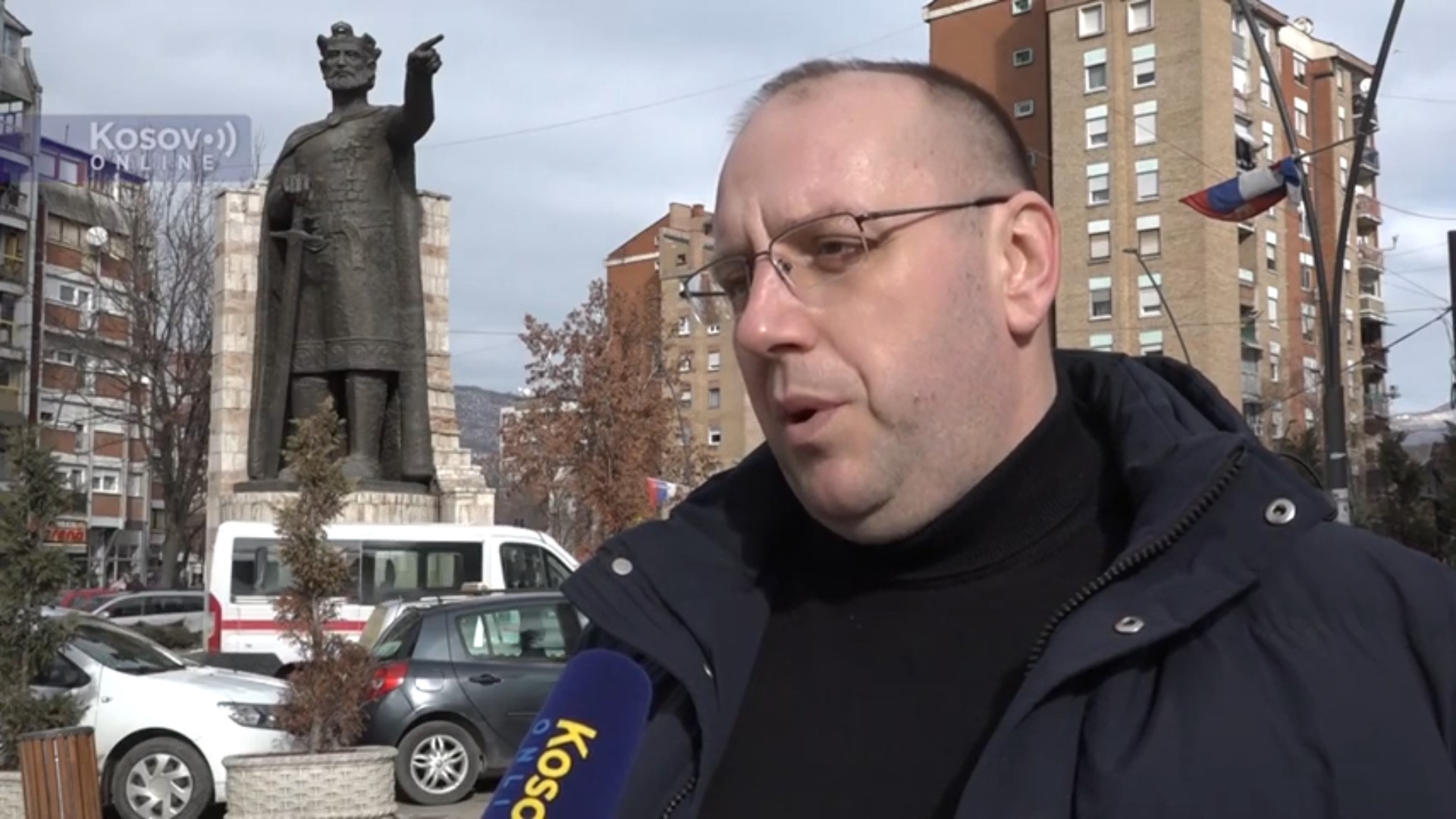
"This decision discriminates against one nationality just because they live in one part of the country's territory. 'De facto' and 'de jure' they are second-class citizens. With the European Parliament's decision to ratify visa liberalization for Kosovo passports and citizens of Kosovo, I hope that automatically, all citizens who have passports of the Coordination Administration should be included in visa liberalization, because the whole process and the whole problem is in the "microchip" on the documents issued by the Coordination Administration. There is no other difference with the passports of Serbia. On the contrary, if the same problem continues, citizens, and above all the Serbian community in Kosovo, will be the only nation in Europe that will not be able to travel to European Union countries without visas. Discrimination and enclavation of the Serbs will continue,” Radakovic warns.
He is of the opinion that visa liberalization should be granted to citizens with Kosovo passports, so that "this part of Europe does not remain a 'black hole' and a prison for the entire EU".
Radakovic says that currently there is a small percentage of the Serbs who have Kosovo passports, but he expects that to change, if the problem with the documents issued by the Coordination Administration is not resolved.
"If people will not be able to travel with the passports of the Coordination Administration, there will certainly be a mass taking of Kosovo passports, which will not require a visa," our interlocutor says.
Milica Rakic Andric, on behalf of the NGO "New Social Initiative", the author of the research "Zone of Special Passports", tells Kosovo Online that this issue "mostly depends on Serbia and to what extent Serbia will insist on revising the EU directive which excludes passports issued by the Coordination Administration from the visa-free regime with its establishment in August 2009".
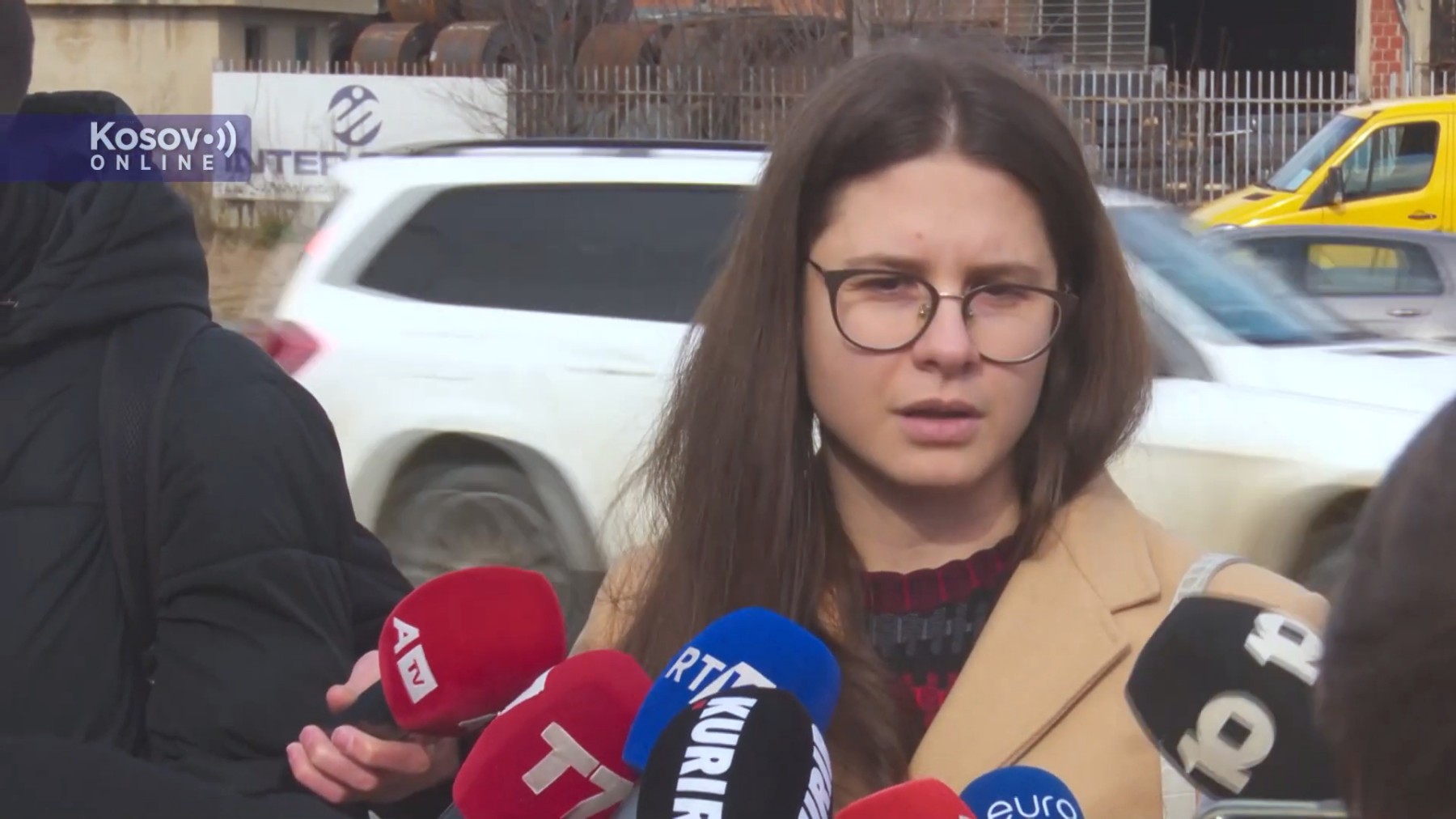
"One of the reasons for the formation of the Coordination Administration at the time was the EU's fear of 'illegal migration', which has now obviously been overcome. This is also a good opportunity for the complete abolition of that department of the Coordination Administration at the Ministry of Interior and the reopening of outposts in Raska, Kursumlija, and other places, so that the service of issuing passports would be as close and accessible to citizens as possible. Depending on where they were born, citizens of Serbia residing in Kosovo have to travel sometimes to three different cities in order to obtain statements, an identity card, and a passport, which is unnecessary, a complication of already complicated lives," our interlocutor explains.
Rakic Andric indicates that, if this does not happen, those citizens who do not have Kosovo documents and cannot obtain a Kosovo passport will remain isolated as before.
"It will be a very small group of people of several thousand and they will have very little opportunity to make anyone think about them," Rakic Andric says.
She expects that if this issue is not resolved, the Serbs from Kosovo will start taking Kosovo passports en masse.
"According to the latest data I saw in Bislimi's report, from December 2017 to May 2021, slightly more than 21,000 passports were issued in ten Serbian municipalities. However, it is not clear from the report whether it is about so many people or so many travel documents, where one person's travel document was renewed. The number of issued ID cards in the same period was 127,000. So, there were six times fewer passports, and I expect that difference to be at least halved," Rakic Andric says.
On the website of the Ministry of Internal Affairs of Serbia, it is stated that "on August 15, 2009, the Government adopted the Decree on the procedure for determining the fulfillment of the prescribed conditions for issuing passports for persons from the area of the Autonomous Province Kosovo and Metohija, which was published in the 'Official Gazette' and entered into force two days later, on August 17, 2009".
This Regulation refers to citizens of Serbia who have a registered residence in the territory of Kosovo and it states that they "will submit a request for the issuance of a passport exclusively in Belgrade, in the Ministry of Internal Affairs - in the Coordination Directorate".

0 comments