
How likely is it that Trump will engage with the Belgrade–Pristina agreement after the letter from two congresswomen?

Dozens of letters from members of Congress arrive at the White House every week. However, the main obstacle to the letter recently sent by Representatives Claudia Tenney and Chrissy Houlahan catching Donald Trump’s attention — in which they urge him to leverage his influence in the Western Balkans to support a normalization agreement between Serbia and Kosovo — lies in the current geopolitical moment, where the Balkans rank low on the U.S. priority list. Still, experts speaking to Kosovo Online don’t exclude the possibility that, with the right incentives, Trump’s team could allocate time to this issue.
Written by: Dusica Radeka Djordjevic
Republican Congresswoman Claudia Tenney, co-chair of the Serbian Caucus, and Democrat Chrissy Houlahan sent a bipartisan letter to Trump, noting his remarkable popularity in both Serbia and Kosovo. They emphasized that officials from both sides had expressed to them a desire for closer ties with the U.S. and strong support for the Trump administration.
They argued that “a potential peace and mutual recognition agreement between Serbia and Kosovo could catalyze a more stable and peaceful Western Balkans” and that with Trump’s influence, such a deal is “within reach.”
Given that Washington has long sponsored Kosovo’s independence, it’s no surprise the letter refers to mutual recognition. However, considering Belgrade’s official stance, it is questionable whether such a deal is really “within reach.”
Obrad Kesic, former head of the Republic of Srpska’s office in Washington, told Kosovo Online it’s hard to say whether President Trump will devote attention to the Kosovo issue as a result of the letter, particularly since the current administration doesn’t see it as a crisis.
He explained that letters from members of Congress regarding foreign policy are common — each member has constituents or donors with ties to specific countries, and sending a letter is a straightforward way to demonstrate action. It is also common for such letters to be bipartisan, which gives them more weight.
However, it’s unrealistic to expect the president to shift policy or focus on a particular issue simply based on one of dozens of weekly letters. Still, certain factors can increase the chances of the letter being taken seriously — especially who sent it.
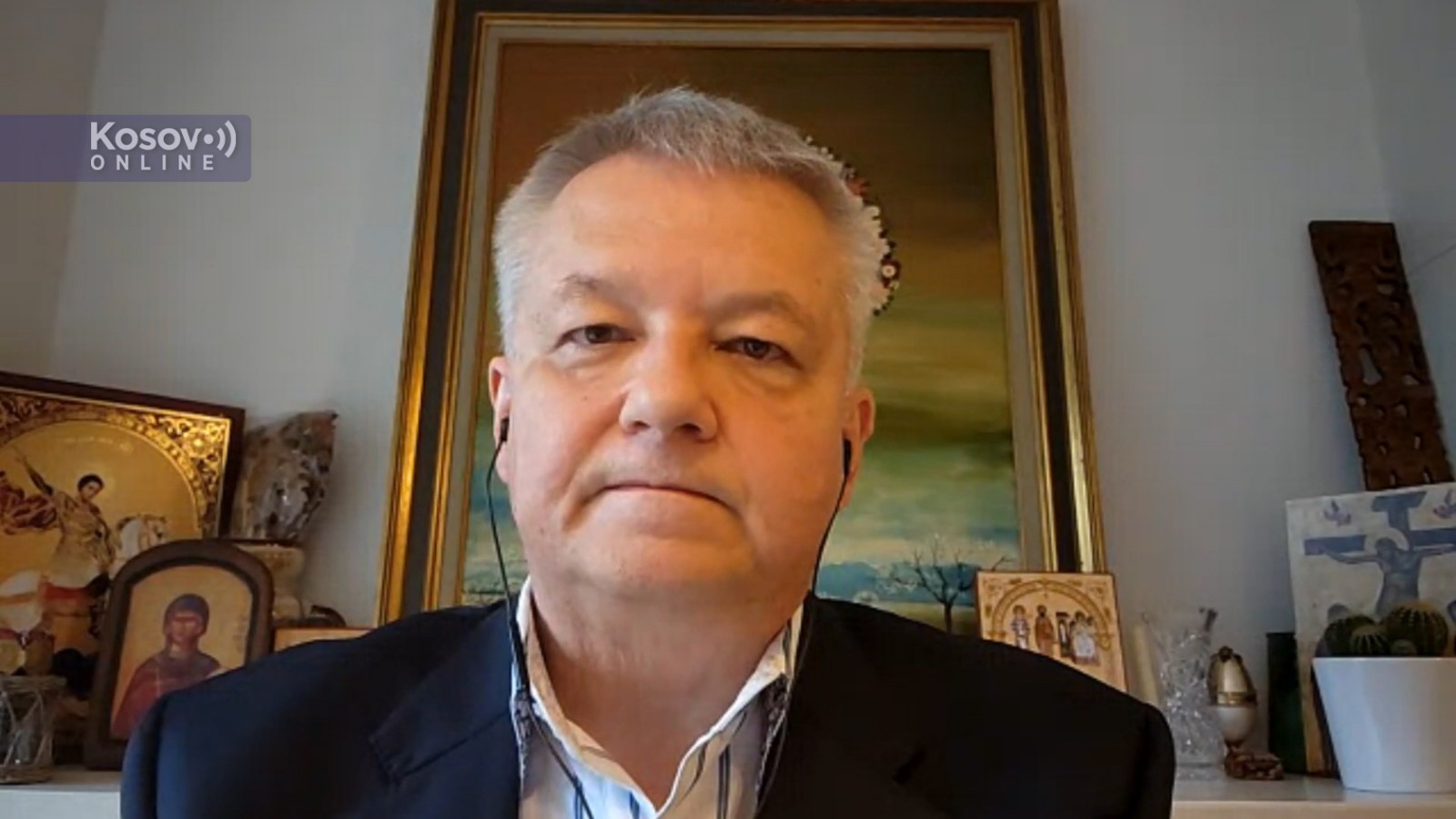
“If the person is influential in their party, that gives the letter more weight. In this case, Ms. Tenney does have standing — she won in a tough district in New York as a Republican, which gives her more influence than the average member of Congress,” Kesic said. “Moreover, it depends on whether someone in the administration at a high level is paying attention or understands the issue. In this case, Ambassador [Richard] Grenell is someone who closely follows developments in Kosovo and Metohija. He recently criticized [President] Osmani for spreading false information. If there’s coordination with Grenell around this initiative, there’s a serious chance the administration might act.”
Still, he stressed that it's important to remain realistic, as Europe is generally not a top U.S. priority — let alone the Balkans — especially when more pressing issues like the Middle East or Ukraine are on the table.
“It’s not the right moment to draw the president’s attention to a matter not currently seen as urgent. However, Trump has in the past taken credit for preventing renewed conflict between Belgrade and Pristina. That context might open the door slightly. If this letter is followed up by lobbying efforts from the Serbian embassy or the Serbian-American community, Trump might indeed give the Kosovo issue some attention.”
Dragoslav Raseta of the New Third Way organization agrees that the proposals from Tenney and Houlahan could reach Trump’s team but also finds it unlikely the issue will become a priority, given the many international developments competing for attention.
He noted that since Trump comes from a business rather than political background, he lacks the deep institutional ties in Congress that other presidents like Joe Biden — a longtime senator — have.
“That said, his team must maintain close ties with Capitol Hill to coordinate Republican strategy. Trump has surprisingly been open to suggestions from lawmakers, including recent proposals for increased sanctions on Russia. So while the letter may reach his cabinet, it’s unlikely to rise to the top of the agenda,” Raseta told Kosovo Online.
He explained that presidents often receive proposals from larger groups of lawmakers trying to build bipartisan coalitions to advance shared foreign policy goals.
“On major issues, American presidents must follow developments in Congress — particularly in the foreign affairs committees of both the House and the Senate — as they often help set the direction of U.S. foreign policy,” he added.
Albert Prenkaj, former ambassador of Kosovo to Italy, said that Trump’s involvement in the dialogue might be expected if it mirrors the format of the 2020 Washington Agreement signed between Trump, Kosovo’s then-PM Avdullah Hoti, and Serbian President Aleksandar Vucic.
Prenkaj noted that Trump’s team already seems to be re-engaging in the Western Balkans and that Senator Marco Rubio has shown particular interest in Bosnia, Serbia, and Kosovo.
“The letter from Congresswomen Tenney and Houlahan is further evidence that the U.S. continues to monitor developments in our region. They explicitly requested concrete measures for sustainable peace and stability through mutual recognition,” Prenkaj said.
Regarding the idea in the letter that Trump should visit Belgrade and Pristina, Prenkaj noted that U.S. presidential visits to the region typically convey significant political messages to the broader public.
“A Trump visit would be of great importance and mark a major turning point in Kosovo-Serbia relations — and beyond,” he said.
Kesic said that for such a visit to happen, one of two things would need to occur:
- A strong economic interest for the U.S. — either Belgrade or Pristina would need to offer a significant economic incentive. Serbia’s natural resources, particularly lithium, might attract attention, especially since Trump’s team had previously shown interest.
- A ready-to-sign normalization agreement — such a deal could be positioned as a legacy achievement for Trump, even supporting a potential Nobel Peace Prize nomination. That scenario would also boost the chances of a visit.
Raseta concluded that if Trump or high-ranking figures like Secretary of State Rubio or Vice President Vance were to visit Serbia, it would likely happen during the second half of Trump’s term, if elected.
He added that if Trump struggles in the midterms, he might shift more focus to foreign policy, especially near the end of a second term — when he can no longer run again due to constitutional limits.
“In that final stretch, between 2026 and 2028, he may devote more attention to international affairs. If a visit to Belgrade happens, it would likely be in that window,” Raseta concluded.


0 comments