
Nothing new in Brussels: The next chance for dialogue is only after the summer vacation
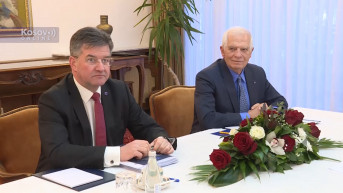
In yesterday's round of technical dialogue in Brussels, during which the EU Envoy Miroslav Lajcak held separate talks with the chief negotiators of Belgrade and Pristina, Petar Petkovic and Besnik Bislimi, there was no convergence of views, and the next chance for progress will come only at the end of the summer, after a collective break due to the vacation of the EU administration, the interlocutors of Kosovo Online announce.
Serbian President Aleksandar Vucic said after meetings with Lajcak and NATO Secretary General Jens Stoltenberg that "we are not on a path that would guarantee our security". He said that after what had happened yesterday in Brussels, it was clear that Pristina did not want to do anything to de-escalate the situation, which was why he could not be optimistic.
He also pointed out that due to the behavior of Pristina, the Kosovo issue was increasingly becoming a security problem, not a political one. Given that, according to Resolution 1244 of the UN Security Council, NATO is responsible for security in Kosovo, Vucic asked Stoltenberg that KFOR provide that security to the Serbs as well.
The President of Serbia provided Stoltenberg with all the evidence in writing about what was done against the Serbs, about the attacks on the Serbs, on ambulances, how many Serbs were shot, illegally arrested, videos showing that the Serbs who were arrested are being held in custody even though they did nothing.
"We requested that NATO take control and ensure a safe life for the Serbs in Kosovo. It remains to be seen whether there will be a bigger breakthrough. If I had to find a common denominator in the talks with Lajcak and Stoltenberg, it would be the desire to reach de-escalation as soon as possible, and that will not be easy, bearing in mind the representatives of the Albanians at today's meeting," Vucic stressed.
On the other hand, the chief negotiator of Pristina, Besnik Bislimi, after the conversation he had with Lajcak, only expressed his "astonishment that the head of European diplomacy, Josep Borrell, did not propose the abolition of punitive measures", which the EU and the USA introduced to Kosovo for refusing to de-escalate the situation in the north.
Interlocutors of Kosovo Online see in Bislimi's message another confirmation of the suspicion that the reduction of the number of members of the Kosovo Police by 25 percent in the vicinity of municipal buildings in the north was a "trick" from the start.
Rajko Petrovic from the Institute for European Studies tells Kosovo Online that, unfortunately, something happened yesterday in Brussels that was completely expected.
"The talks did not bring any progress in resolving the existing crisis, and the reason for that is that, on the one hand, Kurti, regardless of the messages he has been sending in the last few days, does not really want the dialogue to continue. He continues on his path of threats, pressures, and blackmail with the aim of completely eliminating any presence of the state of Serbia and the Serbs in Kosovo. On the other hand, what Vucic said is very indicative, that it is KFOR, that is, NATO, which, if it wants, can calm down and discipline Kurti and thus protect the Serbs in Kosovo and Metohija," Petrovic says.
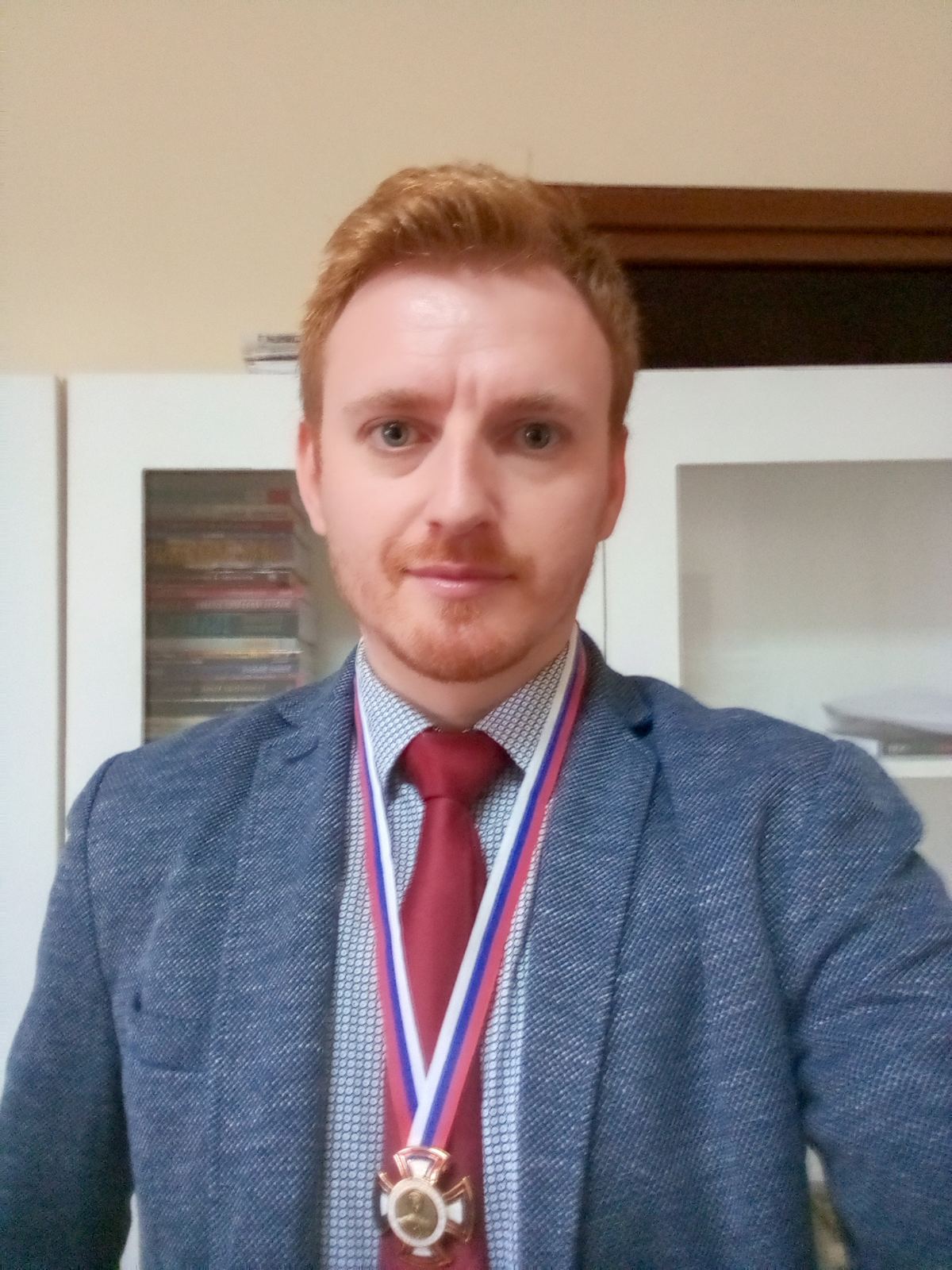
For him, the bigger problem than Kurti's behavior, which, he says, is just an instrument in the hands of the Western power centers, is that KFOR shows no intention to not only restrain Kurti but also to stop the so-called arming of the Kosovo Security Forces, with Bayraktar drones arriving from Turkey, indicating that many principles and agreements are being violated.
"Everything indicates that Kurti will only radicalize his moves in the future. In the whole context of the Kosovo crisis, it is very important that there was a meeting between Vucic and Stoltenberg. This tells what is at stake in the area of Kosovo. NATO is the main one, they are the ones behind the Albanians. We conducted negotiations with the EU and the USA. The Special Envoy of the USA, Gabriel Escobar, recently stated that there was no need to shift the format of negotiations on the final status of Kosovo from the EU level to the direct level of involvement of the USA because he believed that the Union had assigned that role and that they had been doing it well in the last ten years. Escobar also pointed out that the visions of Kosovo in the future, when it came to the American administration and Kurti, differed only in tactics, but not in the final goal," Petrovic points out.
He emphasizes once again that it is difficult to expect that the negotiations will continue before autumn, and even when they do continue, the question is whether there will be progress and what their outcome will be.
"Perhaps the continuation of the dialogue could come earlier, in the event of a major escalation, and perhaps Kurti will try to use the period of the summer break of the EU institutions to realize some of his goals. The good thing is that both Escobar and Lajcak emphasize that the formation of the Community of Serb-majority Municipalities is a necessary thing, but another question is how far it will be implemented in practice. I think that the negotiations between Belgrade and Pristina have reached an impasse and that the Serbian side is not ready to make any concessions in the future if some things that we consider red lines are not respected, namely the formation of the CSM, new elections in the north that will result in Serbian representatives in the local government because the Serbs make up more than 90 percent of the population there. And of course, the end of persecution, arrests," our interlocutor says.
Regarding Bislimi's surprise that punitive measures were not lifted in Kosovo, Petrovic says that this shows that President Vucic was absolutely right when he asked "What is the difference between someone beating you 100 percent or 75 percent, when they are still beating you."
"The withdrawal of 25 percent of the police from the municipalities in the north was definitely a trick by Pristina. Maybe they are planning to organize the elections in such a controversial way. Bislimi is just a man who came to Brussels as Kurti's spokesman. It is certainly encouraging that the EU did not withdraw the package of sanctions against Kosovo. It is the first time that the EU is trying to maintain a slightly more balanced position, although it is still far from a neutral position. It is also important that the Serbian state and its security structures have always been one step ahead of the so-called Kosovo ones, and we practically had all that information even before some of Kurti's moves were implemented. We should take the words of Vucic with maximum attention, who said that he expected difficult times in Kosovo, but his message that there was no need to worry and that the country was ready to respond to all challenges is encouraging," Petrovic concluded.
Nemanja Zavisic, an analyst at the Center for Social Stability, believes that the EU-facilitated negotiations between Pristina and Belgrade have reached an impasse.
"I assume that there will be no new rounds of talks until the beginning of September, but I do not see that even after that the talks that may follow could have any results. As long as Kurti is in power in Pristina, there are practically no chances for the normalization of relations and we will have a kind of crisis management. Kurti has shown in the previous period that he is absolutely not interested in the opinion of the EU and that he is only ready to listen to the Americans. In this sense, I do not see that the Brussels dialogue in the time ahead will have any concrete results. Because the fact is that the EU, for the last 10 years, has not shown that it has the political authority and capacity to ensure that anything that was agreed and signed in Brussels is implemented on the ground. If we have been waiting for the CSM for more than a decade, how can anyone guarantee us that any future agreement will be respected," Zavisic asks.
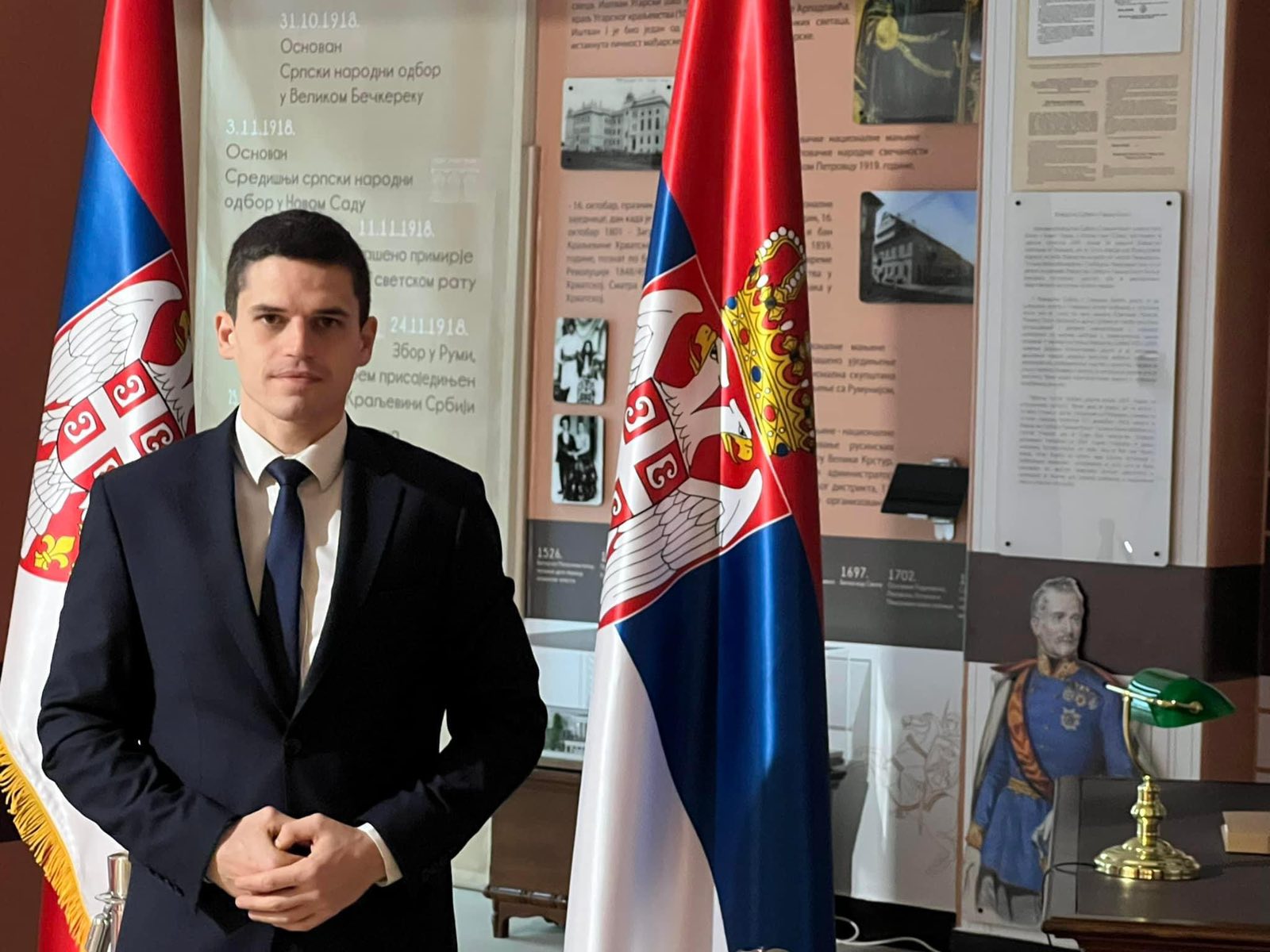
Regarding the conversation that President Vucic had yesterday in Brussels with NATO Secretary General Jens Stoltenberg and EU representative Miroslav Lajcak, Zavisic points out that it is certainly good that the Serbian side was heard again.
"The President presented our view of the situation in the southern province and clearly presented the evidence of everything Kurti's regime is doing against the Serbs. It is completely clear that peace and stability in Kosovo and Metohija are seriously threatened by Kurti's destructive behavior, and only KFOR at this moment has the mandate, therefore both the right and the obligation, to ensure security in the province. In this sense, the conversation with Stoltenberg is extremely important, because, in fact, NATO is carrying out a security mission on behalf of and in the name of the UN, as part of the KFOR mission. Therefore, they are the right address to turn to, and yesterday's meeting is justified and extremely necessary in that sense," he says.
According to him, whether there will be de-escalation depends above all on the political will of the key countries of the political West.
"Unfortunately, bearing in mind that these are the countries that recognized Kosovo's independence, so far we have not seen much understanding from them for our arguments and positions. They certainly have enough military capacity at this moment to remove ROSU from the north of Kosovo and Metohija and to restrain Kurti's persecution of the Serbs, and the only question that remains is whether they will do it or not. Therefore, I would say that the full responsibility for the development of the situation lies precisely with the political West because it depends on them how far Kurti will be ready to go in his dreams of starting a new war," Zavisic points out.


0 comments