
Return to Kosovo: Will there be Serbs in Pristina again?
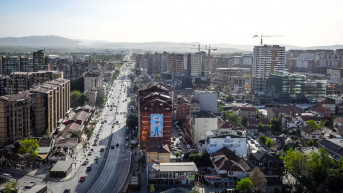
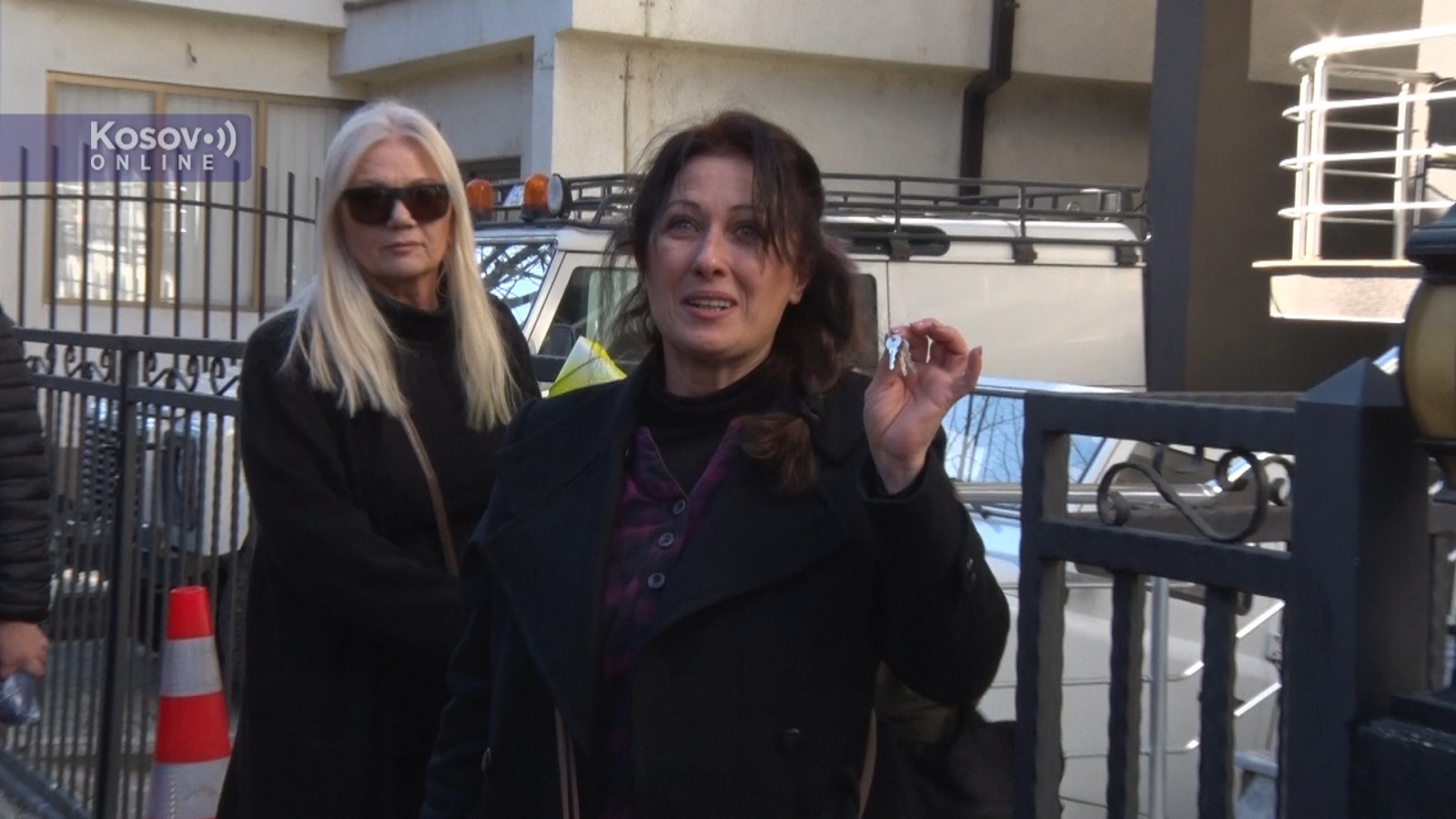
About 40,000 Serbs lived in Pristina until 1999, today there are about fifteen. Although Marija Novakovic, who last year succeeded in legally returning the apartment that was usurped from her, is impatiently waiting to move into it and become a permanent resident of her hometown again, she does not know anyone from her generation who would follow in her footsteps. As she says for Kosovo Online, some have already taken shelter in other places, some cannot get their property back, and some are afraid.
Prime Minister of Kosovo Albin Kurti, after Saturday's round of negotiations in the dialogue between Belgrade and Pristina in Ohrid, when asked by journalists whether he advocated for the return of the Serbs to Kosovo and their rights, replied that he advocated for the rights of everyone in Kosovo, regardless of national or religious affiliation, "both those who are here, and those who left and want to return, and have their property in Kosovo".
However, just last year, several houses of the Serb returnees were raided and looted in the village of Kovrage in the municipality of Istok, in Kllobukar near Novi Brdo, Osojan... A Serb returnee was arrested on suspicion of allegedly committing a war crime. When 13 Serbian families returned to the village of Lubozhde a year ago, the Albanians organized a protest. The only Serbian returnee to Djakovica, Dragica Gasic, had to be secured by the police because of the torture she was subjected to.
According to the data of the Government of Serbia, there are about 210,000 internally displaced and exiled Serbs from Kosovo, and the most numerous displacement was during the summer of 1999. Five years later, in just two days of the March Pogrom, more than 4,000 Serbs were expelled, and only two percent of them returned to Kosovo.
Assistant professor at the Faculty of Political Sciences in Belgrade, Stefan Surlic, tells Kosovo Online that neither the authorities in Pristina nor the international actors who have taken responsibility since 2000 have undertaken any serious policy of returning the Serbs to Kosovo.
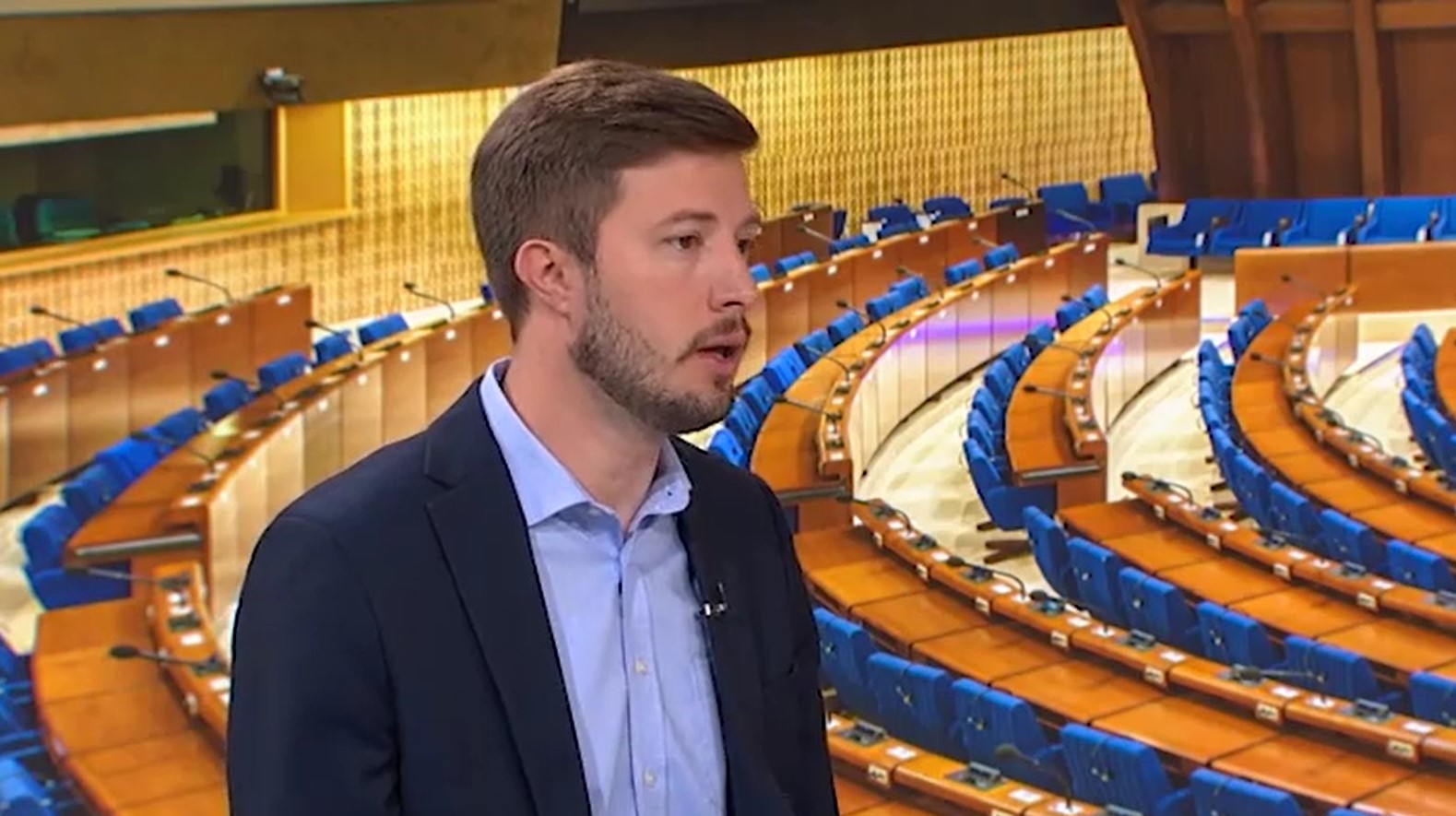
"The very fact that there was no willingness to do so all this time, there are three key obstacles due to which we do not have a relevant number of the Serbs who have the desire to return but still do not return to the territory of Kosovo and Metohija. First, it is security. That issue is also still very open, especially in the area of Metohija where individuals face thefts, with constant attacks or verbal threats. Another reason is property issues because we still have about 40,000 pending cases. More specifically, we are talking about usurpation, about demolitions, burning of shops, apartments, and houses, not to mention that in the past few years, there has been usurpation, above all, of agricultural arable land," Surlic says.
Surlic cites the question of existence as the third reason.
"Even if the issue of property is resolved, even if one comes to an environment where they would not face physical attacks, there are no existential conditions for a normal life. If they want to return, the Serbs limit themselves to a secluded, rural life, dedicated agriculture, without any social interaction, and that's a big problem. Most of the time, the elderly, and retired people can decide to do that, but not the younger population who want to achieve their full potential, and because of that they don't see the prospect of further life in Kosovo," our interlocutor says.
After leaving Pristina, Marija Novakovic lived in Blac, Prokuplje, Batocina, and Belgrade, but returned to Kosovo after two decades. She works in a kindergarten in Laplje Selo, ten kilometers from Pristina. She is fixing up the apartment in Pristina that was returned to her after 23 years.
"I have been there recently, the Albanian neighbors were glad to see me. How they will accept me when I start living in the apartment, I will see. I grew up in a city where there were many nations, but for me, a neighbor was a neighbor; I didn't I looked at anyone's nationality, that's how I was brought up," Novakovic tells us.
Her two sons, Stevan and Lazar, although they live and work in Belgrade, are the main support in her intention to live in Pristina again.
"Lazar, who was born in Belgrade, did not want to be baptized there but wanted to be baptized in the Gracanica monastery. The elder, Stevan, was baptized in the Church of St. Nicholas in Pristina, which was set on fire. When I saw it like that, I thought I was going to die – it was as difficult as that. I can understand everything, but I don't understand such an attitude towards holy places, regardless of which religion they belong to," Marija Novakovic says, who despite everything, returned to Kosovo.
Will her example remain lonely and will the Serbs in Pristina once again be in greater numbers?
Stevan Surlic says that the action of this returnee, as well as the only Serbian returnee to Djakovica, Dragica Gasic, is heroic and brave, but also that we should not forget the conditions under which Gasic lives in Djakovica.
"After 23 years, there is a very small number of people who would really like to return to Kosovo, even under ideal conditions, because they simply started a completely new life in the meantime, integrated into a new environment, and that's why I think we will only have sporadic cases of return. because time has taken its toll," Surlic says.
He points out that the theory says that the majority is always responsible for the minority and that this means that it is the Albanian majority that should ensure that the Serbs live in Kosovo.
"If they really consider them a part of their society, they would have to offer the Serbs to live in Pristina and provide them with existential conditions and in that way show them that they are one functional ethnic community both in Pristina and in Kosovo. This is how, when you have permanent marginalization, of course, there is no desire among individuals to return. Without strong action by the authorities in Pristina and international actors to support young families not only to return but also those who are already here, to stay, I think the demographic forecasts are negative," Surlic concludes.
By the way, in the 2021 OSCE Report on the Assessment of the Rights of Communities, it is stated that a large number of security incidents continued to occur in places of return.
"According to the data received by the OSCE, these acts vary from petty thefts to fires and attacks. The most common are break-ins into uninhabited houses of the Kosovo Serbs. Although many of these acts may have a predominantly economic motive and are reported to the Kosovo Police, a negative impression of security among returnees has intensified because many perpetrators have escaped justice. This contributes to a negative impression of security for returnees and thus hinders the return process," the aforementioned OSCE report states.
0 comments