
What is the role of Germany and Great Britain in Kurti's policy of escalation and confrontation with the US?
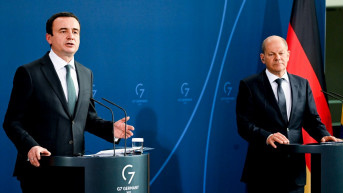
In contrast to the clear messages of the US Envoy for the Western Balkans, Gabriel Escobar, and the European head of diplomacy, Josep Borrell, that the Pristina side is "to blame" for the failure of the last round of dialogue and the prolongation of the crisis in the north, the official Berlin and London failed to announce directly about the responsibility of Kosovo Prime Minister Albin Kurti, expressing only disappointment because no agreement was reached.
This has once again raised the question of whether Kurti's persistent refusal to deviate from the policy of escalation, regardless of the fact that it leads him into an ever-increasing confrontation with the USA and the EU, from where even harsher punitive measures for Kosovo are being announced, is the tacit support he receives from Germany and Great Britain.
It is no secret that Kosovo and Germany maintain close political relations, and Berlin is seen as Pristina's greatest ally within the EU. The "tough" attitude of Kurti when it comes to the crisis in the north of Kosovo in recent months and his increasingly relaxed attitude when it comes to the anger of the USA, from where he is now receiving serious warnings, is often attributed to the protection he receives from Germany, but also Great Britain.
It was Germany that recently openly stood up for the protection of Kosovo when French President Emmanuel Macron threatened to review visa liberalization if Pristina does not take steps towards de-escalation and does not start the implementation of reached agreements. They unequivocally said from Berlin that this was not an option for them and that Kosovo visas would be canceled from January 1.
The former Ambassador in Berlin, Milovan Bozinovic, says that it is increasingly obvious that the unison of the policy towards Kosovo that prevailed between Germany, Britain, and the USA is being lost, and that the US approach is proving to be more and more pragmatic, especially since the outbreak of the last crisis in the north, which was caused by violent actions of Pristina.
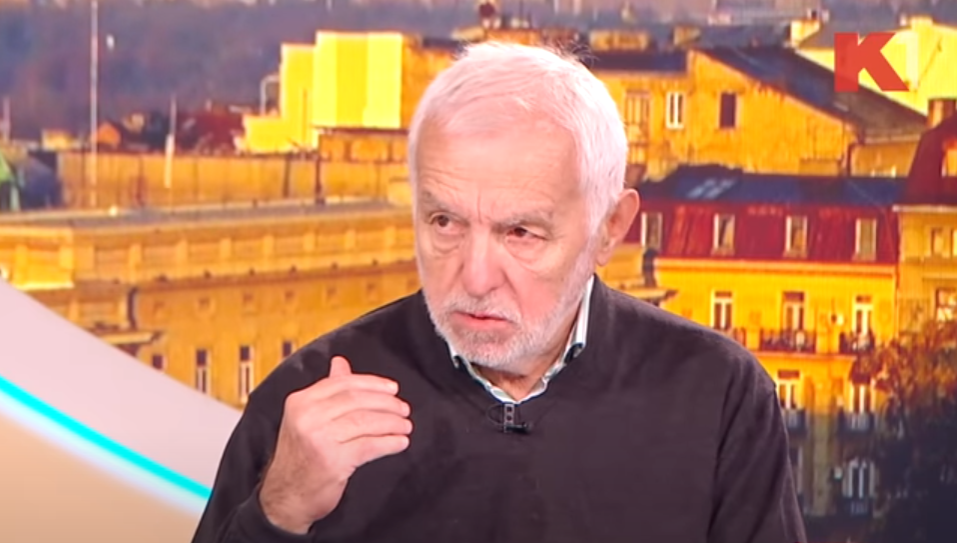
He cites as an example the messages received from US and German officials before the last round of dialogue in Brussels. He points out that while Escobar did not leave the dilemma where the "blame" lays for the failure to de-escalate in the north, saying that "Kurti did not convince him that he was committed to normalization", the German Envoy for the Western Balkans, Manuel Sarrazin had a different rhetoric.
So Sarrazin said that Kurti had not followed the EU and that was why the measures towards Kosovo had followed, but immediately added that "it cannot be said that only the Government of Kosovo is to blame or that it alone is not doing enough to calm the situation".
"That's the difference. Even when the Germans criticize Kurti, and he really gives so many reasons for it, they always feel the need to somehow justify him. The British act similarly. As long as we have such an attitude from Berlin and London towards Kurti, there is little chance that he will change his policy and behavior," Bozinovic says.
He also indicates that the Germans want to regain their positions that they had in the Balkans.
"There, one should also take into account the history, the tradition of Germany's and Britain's views on the Balkan situation. The Americans are not slaves to that, they say, let's see how it is possible to live decently there; we have other troubles, bigger and potentially more serious, on other sides. And the Germans and the British have a history of their views on the Balkans and their 'sympathy' for these areas. We are used to not expecting anything good from Britain, they often see Serbia as a Russian outpost in the Balkans, and that is enough to make you immediately to cut us in everything when it comes to Kosovo. And the Germans, in my opinion, from the beginning of the conflict between the Serbs and the Albanians, have taken a too 'hard' stance. Both of them want the whole process to end with mutual recognition of the conflicting parties. And it is not urgent for the Americans, and it is a matter that can wait," Bozinovic concludes.
Gazmir Raci, a political analyst from Pristina, tells Kosovo Online that Kosovo must not allow itself problems in cooperation with the USA, because, unlike Serbia, "it has no other option".
"Serbia has Russia, we don't. Strategic cooperation with the USA and the EU is important for Kosovo and its citizens, and we are on the way to becoming a member of the Union. Now there are some difficulties with negotiations due to the situation, but I don't see such a problem that Kosovo changes its strategic partner or creates a problem with the USA. It is important that Kosovo is in a dialogue, in which Prime Minister Kurti should defend the interests of Kosovo. He is not there to defend other interests because he received 51 percent of the votes of the citizens of Kosovo," Raci says.
He does not believe that Kosovo should now choose between Germany or Great Britain on the one hand, and the USA on the other, nor that support for Pristina comes only from Berlin and not from Washington.
"We have a clear, official course, which is European integration and membership in NATO. We are trying to follow that direction, it is important for us and our institutions to work every day to meet the standards for both NATO and the EU. Now there are problems regarding that, and the EU does not know whether the door will be opened for new members. Now we have this new plan presented by the EU President, but it is not yet officially on paper for this region of ours. It is important for our region to have an open door for integration in the EU, now, if we want to be in the EU, then we should build peace and stability together," Raci says.
According to him, now is the time for "the mediators who are involved in the dialogue, not to provoke any side, Pristina or Belgrade, and not to threaten sanctions", because, as he says, "this is not the time for sanctions, but for an agreement".
Srdjan Graovac, from the Center for Social Stability, believes that Kurti may not be under the direct protection of Germany, but that he certainly enjoys its support for his policy, which he so persistently does not give up.
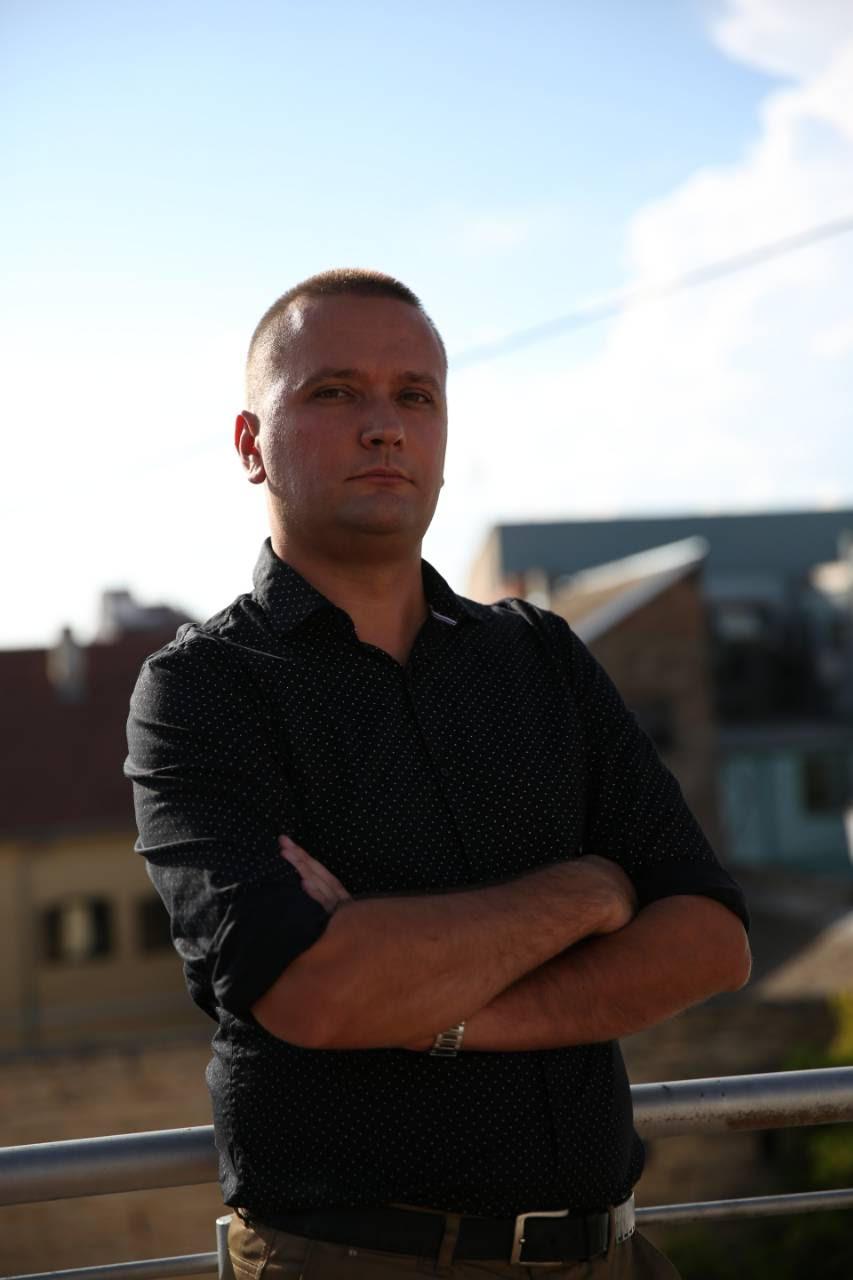
He also believes that Berlin is not acting completely independently, bearing in mind, as he states, that Germany has repeatedly proven itself as one of Washington's most reliable and loyal partners.
"I think that the German policy towards Kosovo and Kurti is actually following one of the branches of the US policy that tries to realize its interests in the Balkans through Berlin. There we also have other branches, through London, and there are also the official envoys of Washington who recently are acting critically towards the moves of the authorities in Pristina.
So we cannot speak of one unison US policy towards Kurti and towards the issue of Kosovo and Metohija, although we can speak in this sense that all these branches have one and the same goal for Kosovo to be independent and that Serbia accepts that," Graovac said.
According to him, there are obvious differences in how to achieve this and how strongly pressure should be exerted on Serbia, and this is where he sees differences when it comes to moves and messages sent from Berlin and the USA.



0 comments