
What's new after Brussels: Is there any hope for easing tensions?
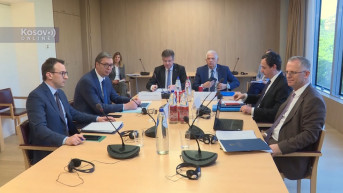
Whether yesterday's round of separate meetings, which High EU Representative Josep Borrell and Envoy for dialogue Miroslav Lajcak held in Brussels with the leaders of Belgrade and Pristina, will bring any progress or whether the tensions and crisis in the north of Kosovo will continue, will depend above all on further the steps of Albin Kurti, but also the "firmness" of the US and the EU in order to get the Kosovo Prime Minister to agree to fulfill the demands placed before him, according to the interlocutors of Kosovo Online.
The morning, after the Brussels talks, does not inspire hope that Kurti will give up his "tough" stance - in North Mitrovica, members of the Kosovo police arrested another Serb, the eighth in a row since the outbreak of the crisis in the north.
Even after the "crisis meetings", as Borrell called yesterday's talks in Brussels, there is no indication that Kurti will withdraw the Kosovo Special Forces from the municipal buildings in the north, that the illegitimately elected Albanian mayors will perform their functions from alternative locations and that after more than 10 years begin the formation of the Community of Serb-majority Municipalities.
That's all the West is asking of Kurti, but also the Serbs from the north, who have been protesting against Pristina's violent moves for more than three weeks.
The Coordinator of the National Convention on the EU for Chapter 35, Dragisa Mijacic, tells Kosovo Online that "ever since he first became prime minister, Kurti behaves like an Arab merchant because instead of listening to the advice of international partners and acting on it, he presents some of his own solutions that it is not in accordance with the principles of the peacekeeping and normalization".
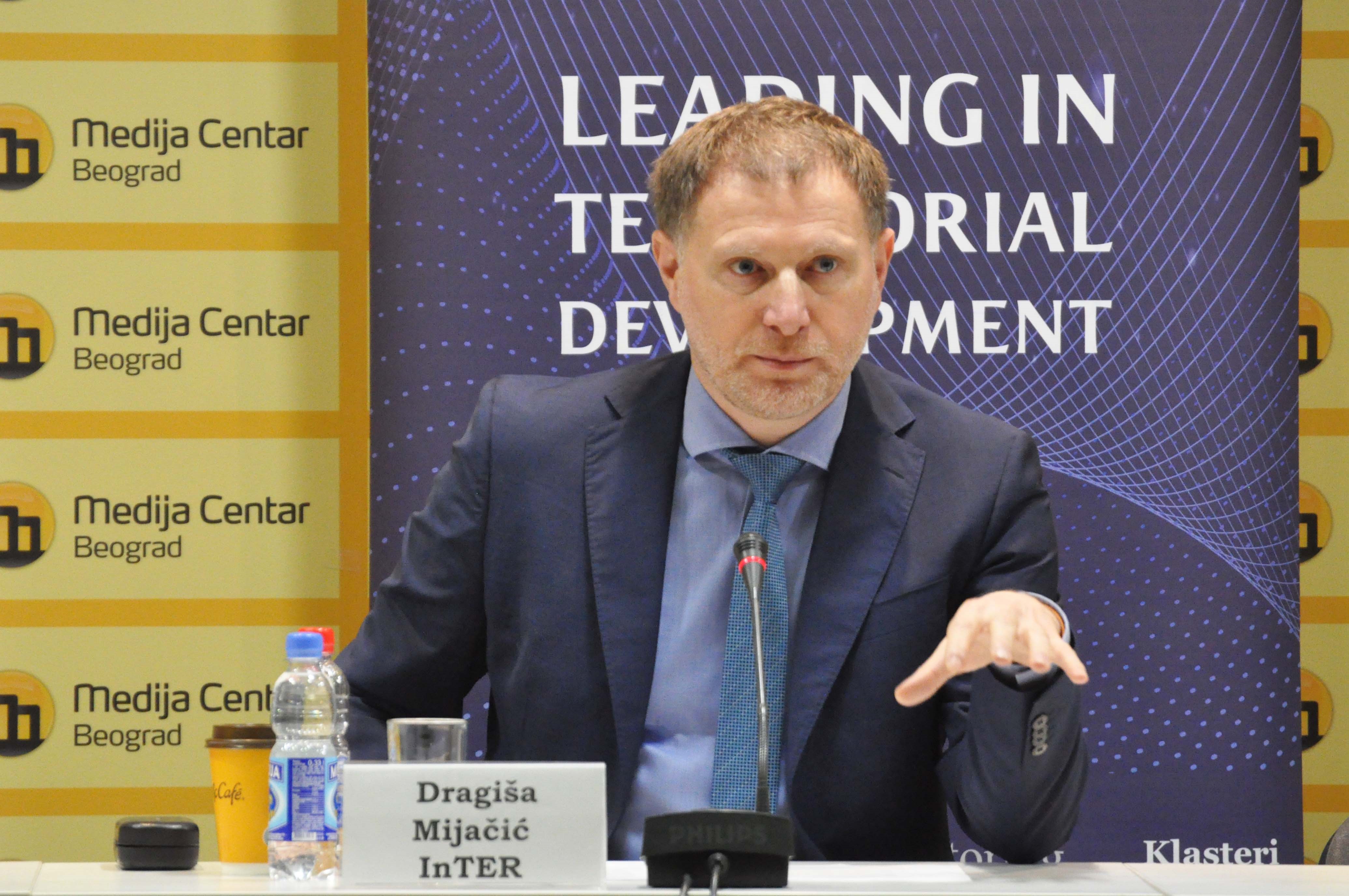
"As a result of this action, he radicalized the situation in the north of Kosovo to the brink of conflict, destroyed the little trust between the Serbs and Albanians that was painstakingly built in the post-war period, the Serbs left the institutions in the north of Kosovo, and the main protagonists of Kosovo's independence are introducing measures against the Government of Kosovo and him personally. In this way, Kurti managed to transfer his self-destructiveness and violent activism not only to the entire Kosovo society but also to the international framework. This is the third summer since Kurti has been prime minister, where instead of tourists we "welcome" armed policemen, instead of festival songs we listen to sirens for air danger, and instead of summer joys, we see the cries of mothers of beaten children," Mijacic says.
He points out that this is a reality brought by Albin Kurti and his government, the consequences of which are felt not only by the Serbs from the north of Kosovo, but also by all the inhabitants of Kosovo, and even those Albanians who want to come to Kosovo these days for vacation.
"I sincerely hope that among the leaders of the Kosovo Albanians, there is an understanding of where Albin Kurti's policy is leading us, and that they will not allow him to further radicalize the situation in Kosovo," he says.
He believes that the concrete results of the meeting in Brussels will be seen in the next few days, primarily in the behavior of Albin Kurti in connection with the implementation of the three-point proposal for de-escalating the situation in the north, but also in the determination of the European Union, the US, and other Quint countries not to allow further the escalation of the situation in the north of Kosovo.
"Before the meeting in Brussels, Miroslav Lajcak was in the US, where he talked with representatives of the American administration precisely about the situation in the north of Kosovo, so that even greater coordination between the EU and the US can be expected in connection with the pressure on Albin Kurti. Kurti has repeatedly shown that he is not ready to act according to the demands coming from the West, in the coming days it will be seen whether anything has changed after the meeting in Brussels," our interlocutor says.
According to him, the situation in the north of Kosovo can go in both directions - in the direction of calming tensions but also in the direction of further escalation. Further events will primarily depend on the behavior of Albin Kurti and the Kosovo Police, but also on the degree of tolerance of international partners, including KFOR. If the withdrawal of the mayors and Kosovo policemen from the municipal buildings does not happen in the next few days, I am afraid that we will enter into uncertainty that can produce unforeseeable consequences," Mijacic says and points out that it is necessary to investigate the circumstances of the arrest of Kosovo policemen in the territory of the municipality of Raska as soon as possible. if there is no criminal responsibility for the act of terrorism, he believes, they must be released immediately.
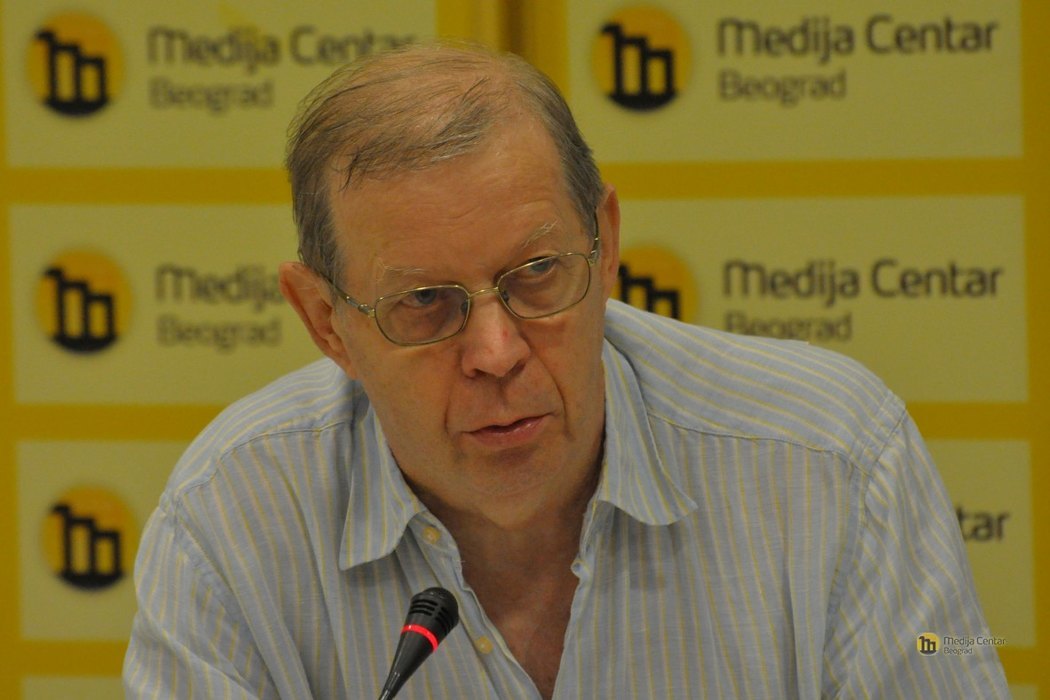
Former diplomat Zoran Milivojevic tells Kosovo Online that after yesterday's meetings in Brussels, unfortunately, there is nothing new.
"Now, we only firmly know that Kurti does not change his position or policy and that he has no intention of deviating from it. And secondly, that he has support from the West. Whether there will be something new, i.e. de-escalation, depends solely on Washington and the majority in Brussels. Definitely, nothing depends on us, except for the part when it comes to the attitude of Belgrade and the Serbs from Kosovo, who do not give up on their demands," Milivojevic explains.
The demands of the official Belgrade, he adds, are to release the Serbs who were unjustly arrested in the previous weeks, the withdrawal of the Kosovo Police from the municipal buildings and the north, the departure of illegitimate mayors, and the opening of the issue of the Community of Serb-majority Municipalities in accordance with the agreements from 2013 and 2015.
"I think that the Serbs from Kosovo will not give up their resistance, they no longer believe in any promises, that's for sure, and they only expect concrete measures - the removal of the police and the mayor and the return of KFOR to its mandate and function," our interlocutor points out.
He believes that there is no question of any continuation of the dialogue.
"When it comes to new elections in the North, they can only be conducted under the conditions of the formation of the CSM, and then elections on that basis. Tensions can calm down if the West takes concrete measures and steps. If it does not, then there is little chance of that, and the possibility of the situation escalating to a conflict is growing," Milivojevic says.
From what was heard in Brussels yesterday, Milivojevic points out, Kurti has no intention of giving in.
"He bases his entire strategy on the policy with which he came to power - Kosovo is a state and behaves as such. Now he has raised that scale a little, now he insists on the rule of law and tries to transfer the blame and responsibility to the Serbian side. And he asks the West to suppress the political activity of the Serb List in the north of Kosovo. With the arrests in Gracanica, he also extends to the south of Kosovo, it means pressure on the Serbian community as a whole, it follows the path of repression, disciplines the Serbs, and wants to force them to recognize his state and politics," Milivojevic warns.


0 comments