
Lucic: Fixed-line network modernization and new MTS facilities in Kosovo planned over the next year and a half
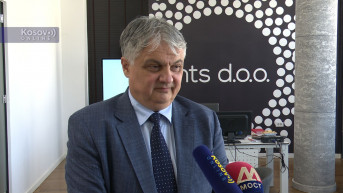
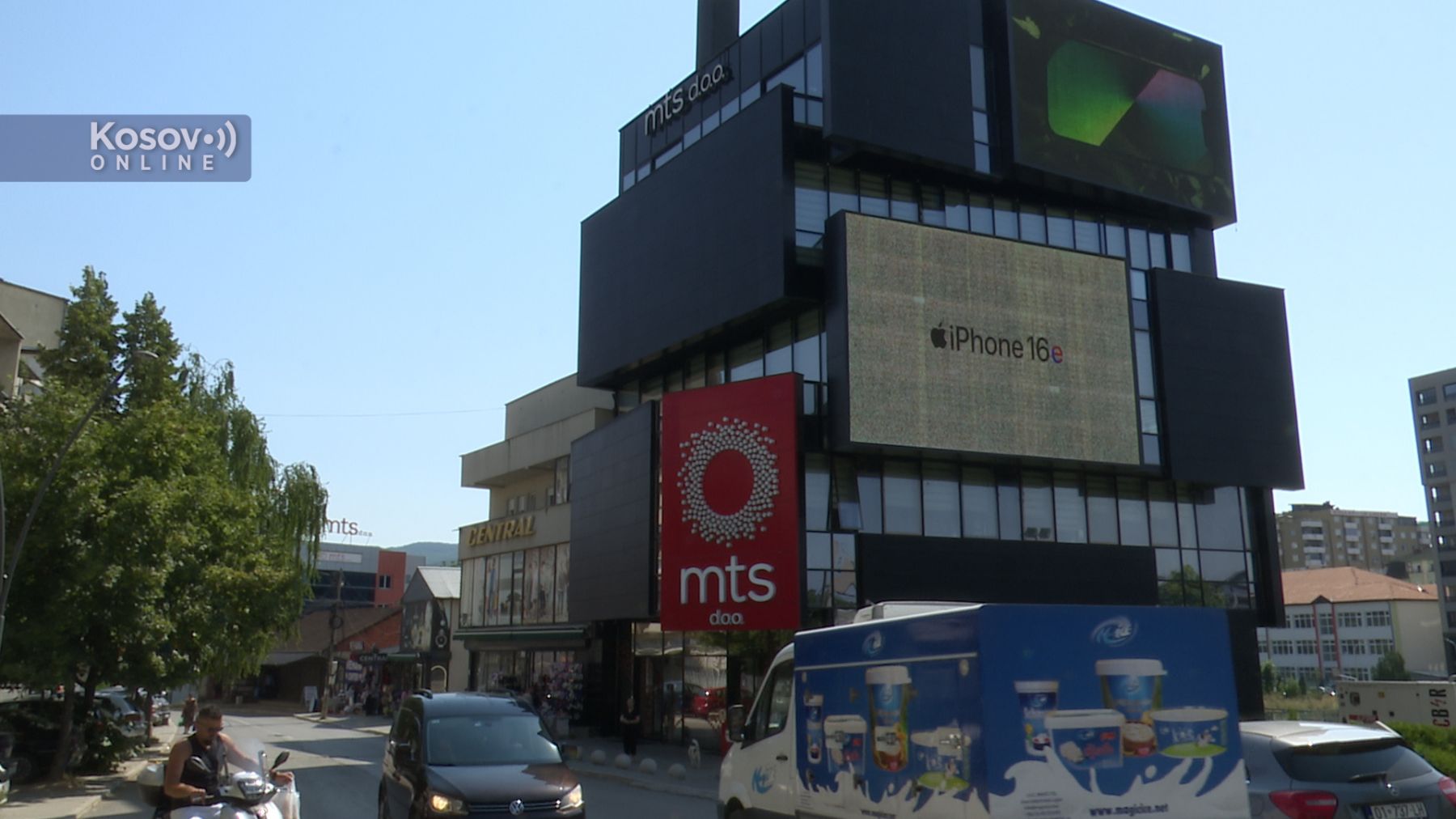
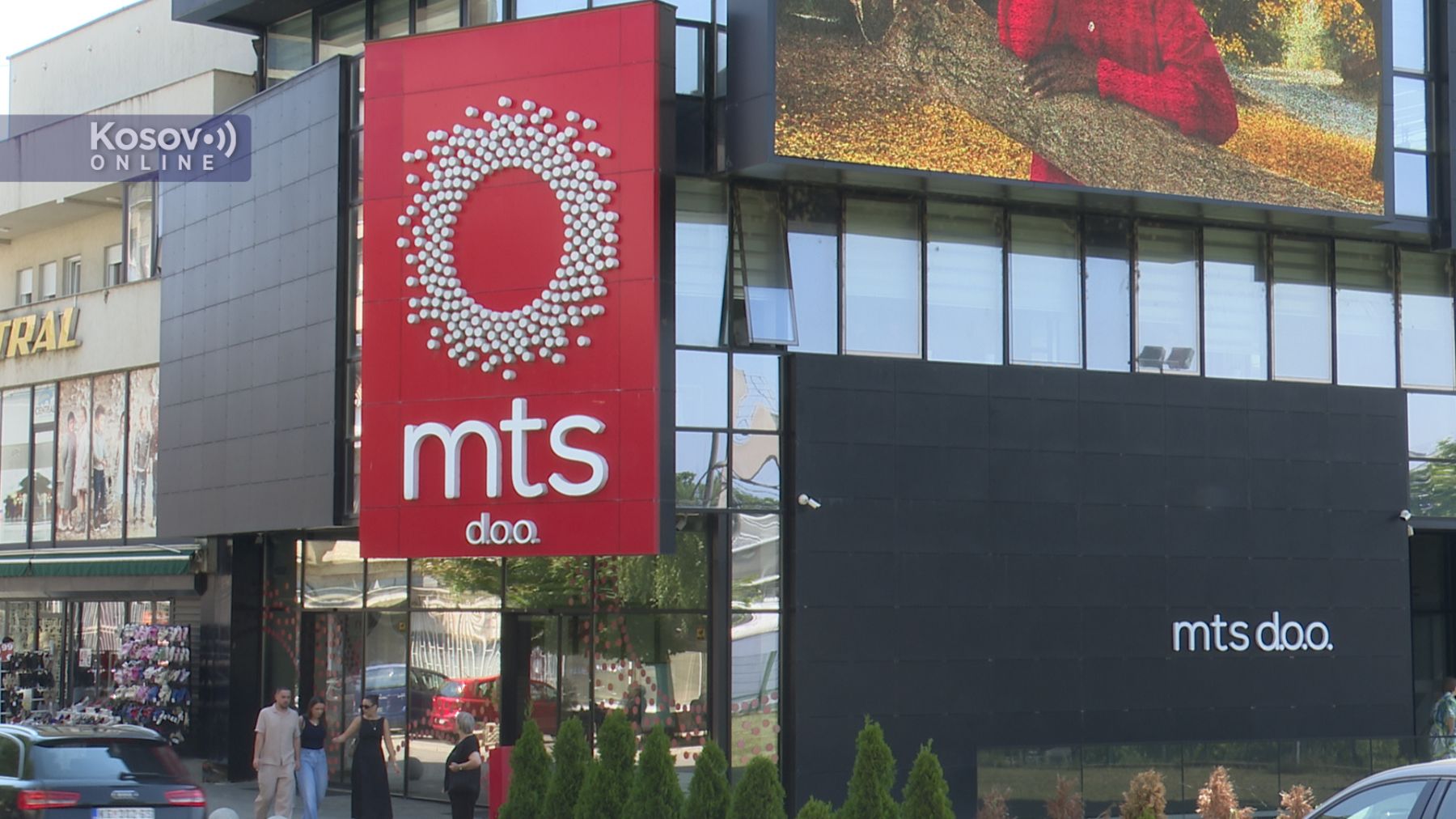
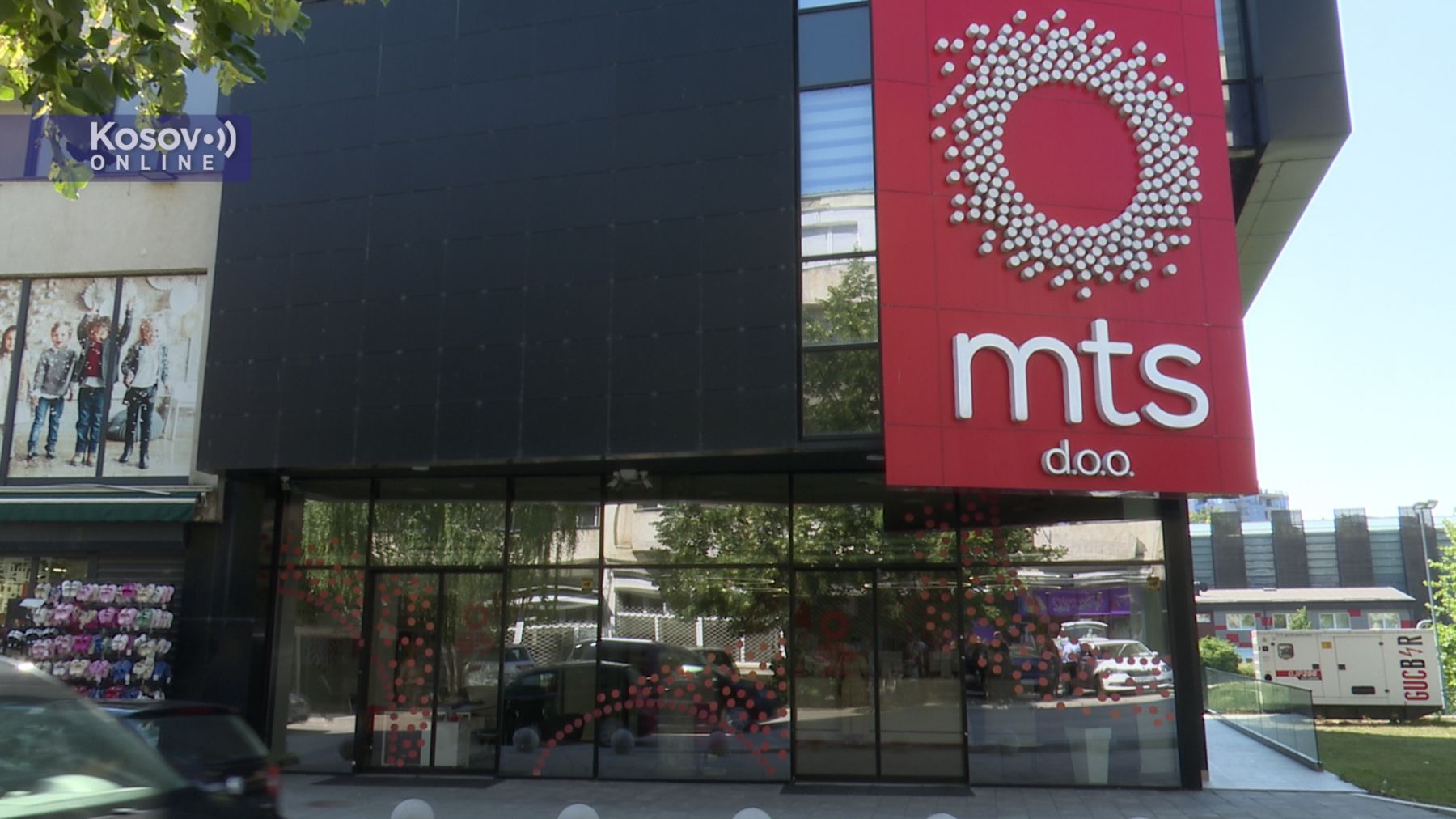
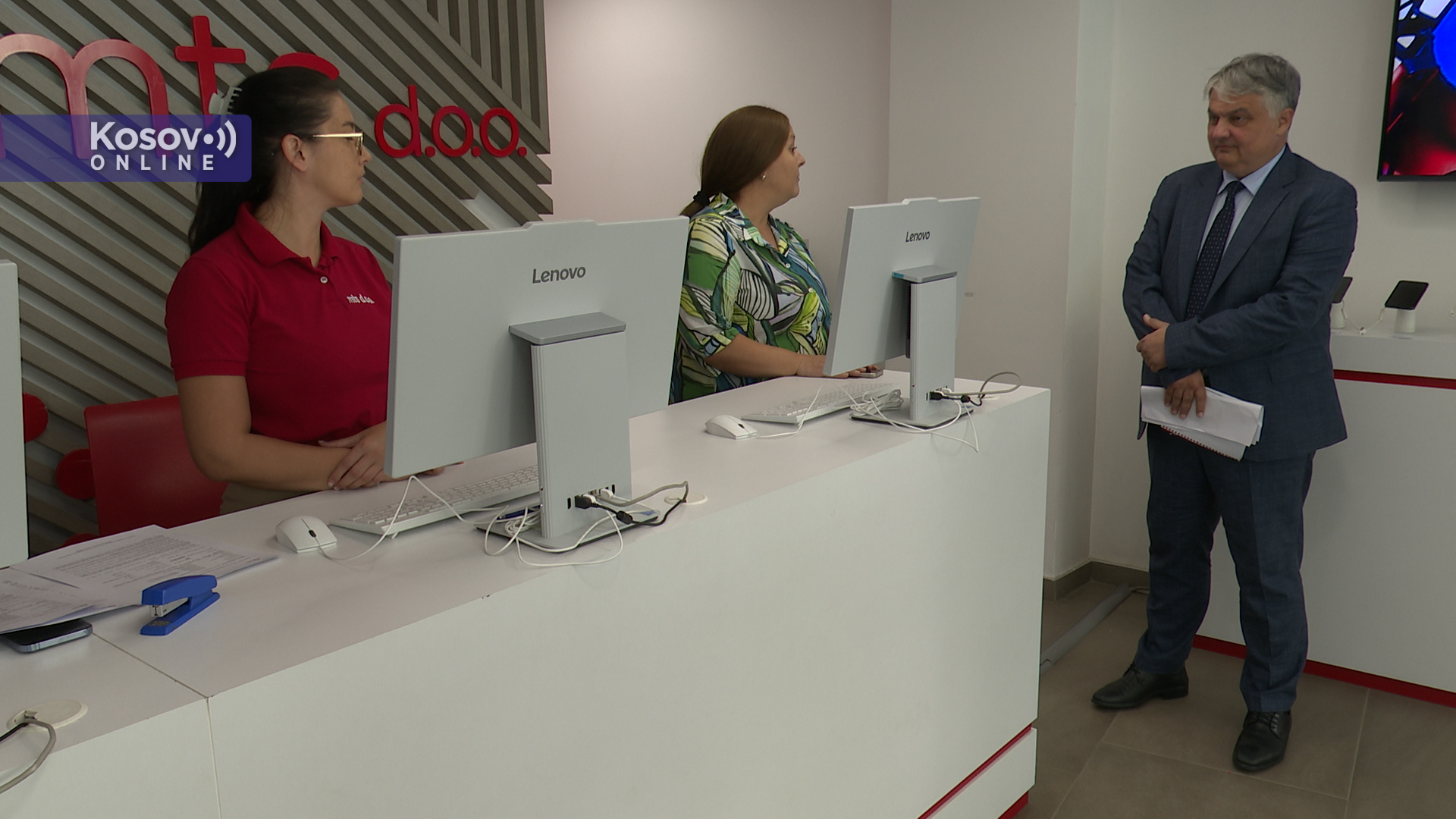
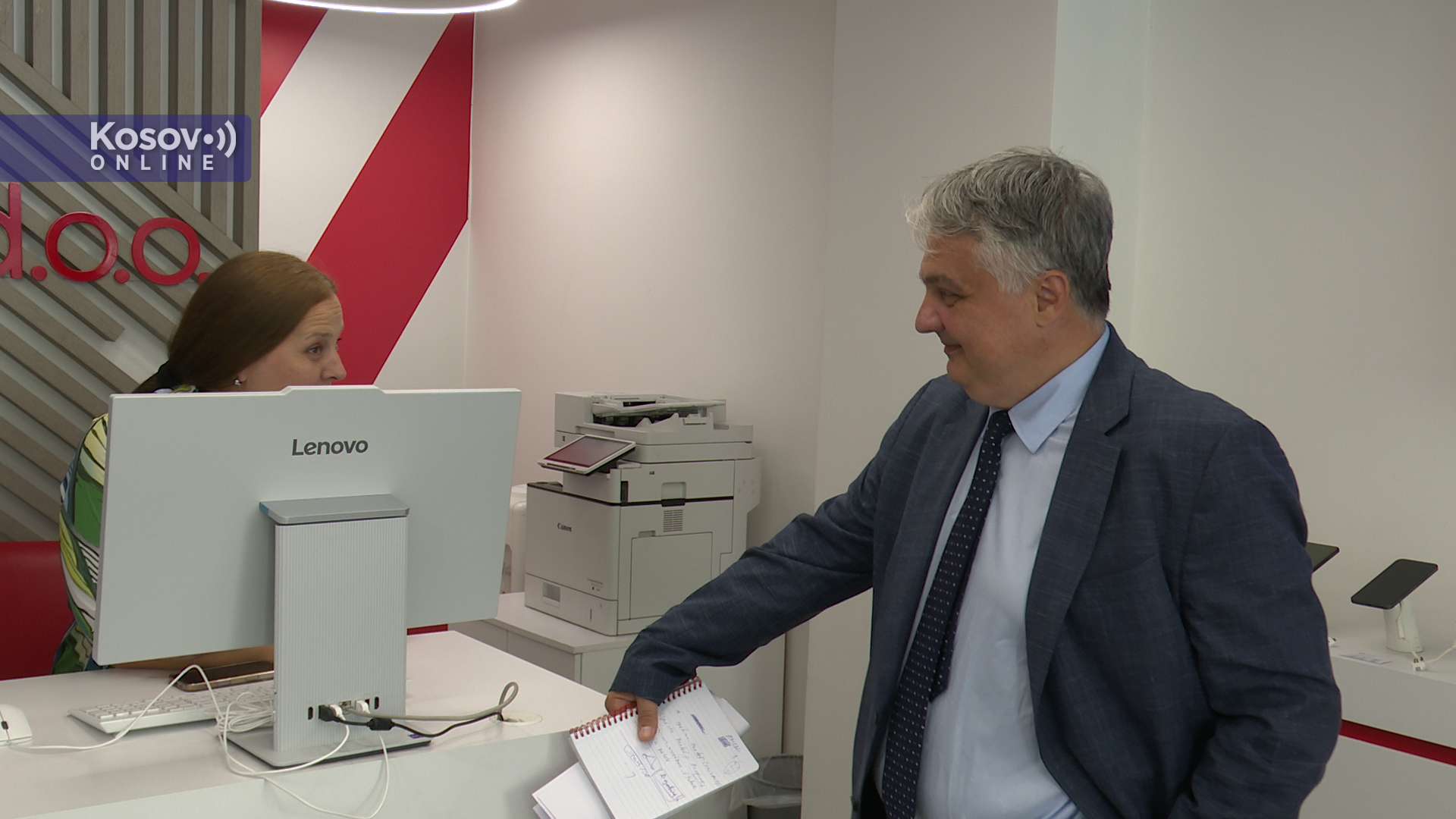
Telekom Srbija CEO Vladimir Lucic visited the MTS d.o.o. branch office in North Mitrovica today, announcing that over the next year and a half the company will modernize its fixed-line telecommunications network in all Serb-populated areas of Kosovo and construct new company facilities in several municipalities. He also stressed that the issue of mobile telephony remains unresolved due to what he described as Pristina's failure to implement its obligations under the Brussels Agreement.
Lucic said that thanks to the company's employees in Kosovo, MTS continues to operate successfully and provides uninterrupted internet, television, mobile, and fixed-line services to approximately 30,000 households.
"I have good news for our citizens because we have decided to begin modernizing the fixed-line telecommunications network in all areas where Serbs live. Over the next year and a half we will upgrade the entire fixed-line network, providing even higher-quality internet and television services. At the same time, we want to be even closer to our customers, which is why we will build several new facilities in a number of municipalities," Lucic said.
He announced that two new facilities will be completed within the next three months, one in Partes and another in Pasjane.
"These buildings will serve both as customer service centers and as facilities housing our telecommunications equipment. They will also create new jobs and allow us to maintain much closer contact with our customers. In the second phase, we plan to build similar facilities in Zubin Potok, Ranilug, Strpce, and other municipalities. Three years ago, we began this process by constructing modern facilities here in North Mitrovica and Gracanica. We want to continue this effort in every municipality where our company provides fixed-line services, so that customers always have a place where they can obtain information, pay for services, while at the same time strengthening the telecommunications infrastructure," Lucic explained.
He recalled that mobile telephony remains "the weak point," as it continues to be restricted under the Brussels Agreement.
"As with several other provisions of the Brussels Agreement, the authorities in Pristina have failed to fulfil their obligation to launch a tender for a third mobile license. Given that we are the largest telecommunications company in the Western Balkans and an excellent partner of the U.S. administration and American companies, I remain optimistic that this issue will eventually be resolved. Either a tender for a third license will be announced, or Telekom Srbija, as a group, will acquire one of the existing operators. In any event, we will do everything possible to resolve the issue of mobile telephony by the end of 2027 so that we can employ significantly more people, increase the company's revenues, and enable our customers to enjoy full mobile coverage throughout Kosovo and Metohija using our own SIM card," Lucic said.
According to Lucic, the experience of Telekom Srbija best illustrates what he described as the efforts of the authorities in Pristina to encourage the departure of Serbs from Kosovo. He recalled that three years ago, despite the Brussels Agreement, there had been an attempt to shut down the company.
"With the support of the U.S. administration and the U.S. Embassy, we managed to prevent that action. This demonstrates that they systematically try everything, including targeting institutions that they themselves agreed should remain operational, in order to force Serbs to leave this territory. Telekom is a good example of why the current administration in Pristina cannot be trusted, even when it signs agreements that it later promises to respect. Because Telekom Srbija is a business success story, this is something that the American administration understands very well. Through the example of Telekom Srbija, we are trying to explain how difficult it has become for a Serbian company to operate in this territory and the extent to which both Serbian businesses and the Serbian population are being discriminated against," Lucic added.
He expressed hope that both the U.S. administration and the European Union would influence the authorities in Pristina to halt what he described as the constant daily harassment of the Serbian population and the pressure aimed solely at encouraging Serbs to leave Kosovo.
"That is why I believe what Telekom Srbija is doing now—continuing to build new facilities—is important not only because it improves service quality but also because it symbolizes that, as a company, we have no intention of leaving this territory. On the contrary, we are convinced that, at some point, we will obtain permission to operate throughout the whole of Kosovo and Metohija, that we will become the largest telecommunications operator there, and that it will be very difficult for anyone to prevent us from achieving that," Lucic concluded.



comments