
Shahini: Unemployment in Kosovo is 35 percent, and we are 'importing' workers from India and Bangladesh
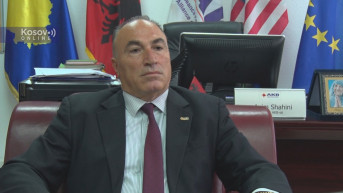
President of the Business Alliance of Kosovo, Agim Shahini, stated that, according to the data they had, the unemployment rate reached as high as 35 percent, and that despite this, Kosovo was "importing" labor force because domestic workers were unwilling to work for low wages, and they preferred to seek a better life abroad.
Shahini told Kosovo Online that foreign workers mostly came from Turkey, India, and Bangladesh, while the local workforce predominantly migrated to Germany.
"The unemployment rate in Kosovo, according to official data, is higher than 20 percent, and unofficially, it even exceeds 35 percent. We are 'importing' labor force from several countries, typically from Turkey, India, and Bangladesh. They come to work in Kosovo, and the reason why our workers don't work and thus reduce unemployment is that they have a certain standard of living, receive support from relatives in the diaspora, and refuse to work for low wages," Shahini said.
Shahini emphasizes that after the visa liberalization for EU countries, which takes effect on January 1st next year, there will be a wave of working-age people leaving Kosovo.
"Young people are waiting for January 1, 2024, to go to European countries in search of a better life and standard. Most of them are planning to go to Germany because of the Labor Market Liberalization Law, which has been adopted and comes into effect in December. According to this law, any worker or tourist from the Balkans who finds a job in this country will receive all the necessary permits for residence and work through an expedited procedure. First, they go to the company where they have found a job, then to the municipality, and they issue a work visa within a month. We, as the Business Alliance of Kosovo, have warned business owners that if we want to retain the workforce, we need to increase wages, and that's the only way," Shahini points out.
He adds that it is estimated that with the implementation of visa liberalization, Kosovo will lose 150,000 people, which is a significant number for Kosovo.
If we take an average, in 2021, more than 55,000 workers with work permits went to Germany, and in 2022, about 60,000. Workers from all professions are leaving, but mainly those who, for the jobs they are trained for, receive five times higher salaries abroad than in Kosovo. According to research we conducted, in 2024, we will have a figure of 150,000 people leaving Kosovo for EU countries, which is a significant number for us because we are small and have a small population, which means we will have a shortage of consumers, voters, and a workforce," Shahini said.
When asked about the impact of the Kosovo Government's policy on young people leaving, considering the unresolved issues with Serbia and the blockade of the dialogue on normalizing relations, Shahini says that both the Government of Serbia and the Government of Kosovo must find a strategy to retain young people.
"The Government of Serbia and the Government of Kosovo should bear in mind that, according to research conducted by Eurostat, the emigration of citizens from both Kosovo and Serbia is significant. Serbia will have about five million citizens by 2030, while Kosovo will have less than a million. Both governments need to create a strategy to retain young people. If this trend continues, we will have an even greater number of departures from both Serbia and Kosovo. So, the sooner these relations are resolved, the better it will be for the economy and the citizens," Shahini concluded.



0 comments