
Sokolaj: Alarming rise in prices in Albania not justified under any circumstances
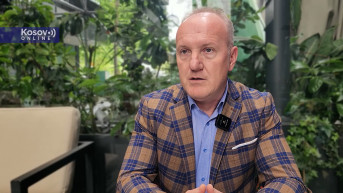
Granit Sokolaj, founder and executive director of the Albanian Consumer Protection Center “Alert,” stated that since the beginning of the conflict in the Middle East, there has been a massive increase in prices in Albania, while the government in Tirana is taking no measures to keep them under control and protect citizens.
“There are no government measures, apart from statements by the Minister of Economy and other officials. There are no concrete measures to monitor the market and keep prices under control,” Sokolaj told Kosovo Online.
According to him, since the start of the conflict in the Middle East, due to the impact of rising oil prices on global markets, there has been a massive increase in product prices in Albania, as well as in countries across the region.
“Transport costs have increased, as well as production costs in some countries, but in my opinion and according to data from Albanian Customs regarding import prices, there is widespread abuse in Albania. This is particularly the case with fruit and vegetables, but also with other products. We are seeing an alarming rise in prices that is in no way justified, neither by production costs nor by import prices,” Sokolaj said.
He noted that since March there has been an almost 100 percent increase in fruit and vegetable prices.
“Prices at markets today are alarming. Tomatoes range from 350 to 500 lek per kilogram, meaning that tomatoes have reached nearly half the price of a kilogram of meat. So there has been a massive increase in the prices of domestic products,” Sokolaj pointed out.
He stressed that in all cases, it is the consumer who bears the consequences, primarily due to the lack of intervention by institutions that should control prices and that have the power to compel companies to set prices in a way that does not exploit consumers.
“This occasionally happens in different countries in the region. We have the example of North Macedonia, which dictates prices in times of crisis, compels companies, and monitors them to prevent abuses,” Sokolaj said.
He assessed that the established Fuel Price Transparency Board is only partially effective, and that this is insufficient as long as companies that import fuel are part of it.
“These companies warned a few days ago that they would stop importing if fuel prices dropped below a certain level. And they did so for economic reasons. Even when global prices are normal, we have fuel prices at the level of the European Union and undoubtedly higher than in the region. It is unfortunate that in Albania, even today when fuel prices are rising, traffic in city streets is increasing. This is surprising, but the government is not very concerned because it is aware of everything. There are no protests, no strong reactions. Albanians do not give up their cars even for a moment, even when they are not needed in everyday life,” Sokolaj concluded.


0 comments