
Gogic: Kurti does not want the LDK to consolidate
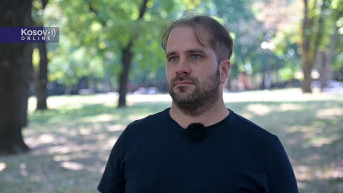
What definitely does not suit Albin Kurti is the consolidation of the Democratic League of Kosovo (LDK), political scientist Ognjen Gogic told Kosovo Online.
As Gogic points out, Kurti's interests can be viewed from two perspectives: the short term and the long term.
"If the LDK were to get a leadership capable of regaining the support the party once enjoyed, and considering that part of its electorate is believed to have shifted to the Self-Determination Movement, or that the Self-Determination Movement became the second choice for some LDK voters, a consolidated party could win back part of that electorate. Therefore, from a long-term perspective, it is not in Kurti's interest for the LDK to consolidate, but rather to remain in its current state of crisis, which has lasted for several years. In the short term, however, if changes occur at the top of the LDK, the chances of forming institutions could be lost. It appeared that Lumir Abdixhiku and Vjosa Osmani had, to some extent, shown a willingness to cooperate with Albin Kurti and provide the necessary votes in parliament to elect the president of Kosovo," he said.
Gogic also noted that it remains highly uncertain whether they would have succeeded in electing the president, as it has become clear that Abdixhiku no longer has full control over the parliamentary group and that even his support for the presidential election might not have been enough to secure the required number of votes.
"In any case, Kurti appeared to be close to reaching an agreement with Abdixhiku. It was probably also a matter of political calculations by Abdixhiku and Vjosa Osmani, who believed they could receive certain positions or political concessions in return, even though that might not have been in the party's long-term interest. This, apparently, led to a kind of turning point within the LDK, because part of the party did not want to allow it to become Kurti's political appendage, which would, in practice, have happened had that plan been carried out. Further developments will largely depend on the outcome within the LDK, on who takes over the party leadership, whether Abdixhiku remains in charge or a new leadership emerges. Their future relationship with Kurti will also depend on that, first regarding the formation of institutions and then in the longer term. The key question is whether the LDK will finally manage to consolidate or continue with the internal conflicts that have weakened it over time," Gogic explained.
Asked whether Kosovo will hold new elections by the end of the year, Gogic said that the situation within the LDK may be one reason for new elections, but by no means the decisive one.
"Although Kurti wants to consolidate his power through the election of the president, he will not do so at any cost. His political survival does not depend on whether new elections are held, and he will not agree to concessions he is unwilling to make simply to secure the necessary votes in parliament. It is also highly questionable whether, even if Abdixhiku's line had prevailed, all LDK MPs would have supported Kurti's presidential candidate or even participated in the vote. Therefore, even that scenario was far from certain. In other words, even without the internal crisis in the LDK, it was not guaranteed that the party would have provided all the votes needed to elect the president. It can therefore be said that the crisis within the LDK is only partly responsible for the current political situation. It would be more accurate to conclude that Kosovo's political crisis is deepening the internal divisions within the LDK, rather than the other way around. There are factions within the party that believe they can represent its interests more successfully and do not have to accept the subordinate role that, in their view, Abdixhiku accepted," he said.
Gogic also believes that if a new LDK leadership is elected, it is unlikely to agree to a deal with Kurti without elections.
"They want to take over the leadership of the party precisely because they believe they can lead it more successfully in elections, not to provide Kurti with the votes he needs during a transitional period. On the contrary, the goal of the new leadership would be to test its political strength against Kurti in new parliamentary elections. Therefore, it would almost certainly be interested in calling new elections as early as the autumn in order to demonstrate that it can lead the LDK more successfully than the current leadership headed by Abdixhiku," Gogic concluded.



0 comments