
Kosovo Police arrest nine people in Zubin Potok on suspicion of war crimes

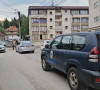
Kosovo Police arrested nine people in Zubin Potok early this morning on suspicion of committing a “war crime against the civilian population.”
“As part of investigative measures related to a war crimes case, Kosovo Police—specifically, the War Crimes Investigation Directorate, with the support of other specialized police units—conducted an operation codenamed ‘File 23’ early this morning in the municipality of Zubin Potok, acting on the orders of the Special Prosecution Office of the Republic of Kosovo,” a joint statement by Kosovo Police and the Special Prosecution Office said.
Nine people were arrested in the operation on suspicion of committing the criminal offense of “war crime against the civilian population.”
“The police operation is connected with the case known as the ‘group of intellectuals,’” the statement said, adding that Kosovo Police and the Special Prosecution Office would inform the public of further details of the operation as soon as the information could be released.
Excavations were carried out during July and August at several locations near Zubin Potok suspected of containing mass graves.
Kosovo Prime Minister Albin Kurti recently said that DNA analysis of samples from human remains found in Mala Kaludra and Jabuka near Zubin Potok had identified three people and that this had, as he put it, “confirmed their connection with the ‘group of intellectuals,’ which consisted mainly of residents of Srbica and Mitrovica.”
Commenting on the excavations near Zubin Potok, Director of the Office for Kosovo and Metohija Petar Petkovic said in early August that Pristina was “shamelessly politicizing” the issue of missing persons and stigmatizing an entire municipality whose residents, he said, were being arrested and intimidated. He also claimed that the Kosovo authorities had for years been obstructing the work of the Working Group on Missing Persons and had failed to act on Belgrade’s requests to search eight locations in Kosovo where, according to Belgrade, there was evidence indicating the presence of remains of Serbs who went missing during the 1999 conflict.
The Serbian List also reacted at the time, saying that the arrests, searches of family homes and detention of Serbs in the Ibarski Kolasin area represented unprecedented pressure on the Serbian population aimed at intimidating them and forcing them to leave. The party also claimed that the institutions in Pristina were failing to respect basic legal procedures and citizens’ rights.

0 comments