
From refugee suitcases to a cultural institution: The Venac Ensemble can no longer be unraveled
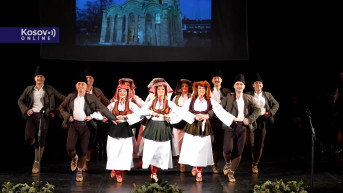
From the spotlights of Pristina, through its refugee exile in Nis, to its present-day role as a cultural stronghold in Gracanica, the Venac Ensemble has traveled a path on which survival itself was difficult. When Snezana Jovanovic took the helm 13 years ago, few believed that this sole professional ensemble from Kosovo would grow into a modern institution that today, in addition to its professional dancers performing throughout Kosovo, Serbia and the region, brings together hundreds of children in Serb enclaves.
The Venac Ensemble was founded in 1964, initially under the name “Sota” in Pristina by the Serbian Ministry of Culture. Following the 1999 conflict, Venac was displaced and operated in Nis until 2003.
It returned that year, initially to Caglavica, before relocating its activities to Gracanica in 2008, where it remains based today.
Snezana Jovanovic was appointed director of the Venac Ensemble in 2013.
“When I arrived, I found Venac literally on the street. I met the ensemble in the street near Kralj Milutin Elementary School, outside the place where their costumes were kept—and their costume storage was actually a storeroom belonging to a local restaurant. Venac officially had neither an office nor premises of its own. At the time, rehearsals were held in the sports hall of the elementary school. They literally prepared out in the street and collected their costumes there, because everything was stored in a space measuring just a meter and a half by a meter and a half. That image affected me deeply, and it motivated me to do everything I could, together with the entire ensemble, to transform an institution that was literally on the street into a representative institution that would be a source of pride for the state of Serbia and, above all, for the people of Kosovo and Metohija,” Jovanovic recalled.
Apart from salaries for its employees, Venac had no program budget at the time, and Jovanovic said it had been difficult to convince people that the ensemble was capable of working and needed additional funding.
From those circumstances, she added, Venac has grown into an institution that now employs 70 people.
“We also have more than 30 external associates, including associates employed in cities outside Kosovo. We have people from Nis, Pirot, Bor, Novi Sad, Belgrade, Kraljevo and Kragujevac. The whole of Serbia is involved because we have not drawn boundaries and do not want to create administrative boundaries separating us from people who should have access to this institution. Of course, the majority of the ensemble is from Kosovo and Metohija,” Jovanovic said.
In addition to regular monthly salaries, the Serbian state budget allocates RSD 60 million to Venac for equipment, concerts and everything else necessary for the ensemble’s operation.
“The Ministry of Culture invests heavily. A more serious approach to Venac began in 2017, when the quality of the ensemble became evident. Today we lack nothing when it comes to equipping the ensemble, whether costumes and traditional dress, working equipment or all the operational costs involved in staging a concert. This is a fairly expensive activity. We are a large ensemble and therefore require considerable funding. We have gone from zero dinars to RSD 60 million for program activities, in addition to all the regular funding for salaries. That shows that the state of Serbia recognizes Venac and the people who work here. It has not given up on us and continues to invest in us,” Jovanovic said.
Today, Venac is an integral part of virtually every major event in Kosovo, as well as numerous events in Serbia and the wider region.
“As the Venac brand developed, people began referring to it as ‘my Venac.’ Whether we perform in Gracanica, Silovo, Strpce, Zvecan or Zubin Potok, or in Belgrade and Novi Sad, everyone somehow regards Venac as their own. That is the beauty of this work—to belong to someone—but it is also a responsibility,” Jovanovic said.
In addition to its professional ensemble, Venac has been running folklore schools for children in various Serb communities in central Kosovo for the past ten years. During that period, Jovanovic said, the schools have produced ten professional dancers.
“Our aim is for the folklore school to exist so that these children, who will one day become parents and members of this society, know Serbian folk dances and understand what forms part of their tradition,” the Venac director said.
In addition to its folklore schools, which include a youth ensemble, Venac established a vocal group last year and now also has a youth orchestra.
“The reason for all of this is that we want to develop our own future professionals because, as a socially responsible institution, we teach and educate children,” Jovanovic said.
Through workshops devoted to the kaval and tambura, taught by some of Serbia’s leading musicians, Venac is also developing a new generation of performers.
In 2020, Venac digitized its archives out of concern that it could once again lose everything, as it had after 1999.
“The Venac Ensemble began the process of digitizing and relocating its archives in 2020 because of the difficult political circumstances and the risk of losing materials from earlier periods. The entire archive has been digitized and moved to a secure location away from Venac’s premises, with a digitally connected system operating via an internet connection. Administrative materials documenting the ensemble’s existence have been digitized, as have artistic materials such as the traditional costume exhibition,” Jovanovic said.
In addition to the digital archive, Venac plans to launch a digital exhibition and produce a virtual film, which Serbian ambassadors in ten major countries around the world will be able to present to their hosts.
“The digitized exhibition of traditional costumes will soon be available on the Venac Ensemble’s new website, while a virtual film is also being prepared and will be presented at more than ten Serbian embassies around the world by the end of the year,” Jovanovic said.
For Jovanovic, one goal remains unfulfilled: Venac still does not have premises of its own and continues to operate from the Cultural Center.
“Our place is first and foremost in Pristina, but since we were expelled from there, we found a home in Gracanica. We are currently in the Cultural Center building thanks to the Provisional Authority of the City of Pristina, which is responsible for the fact that we are here and no longer on the street. It was that institution that provided Venac with a roof over its head. What remains to be done for Venac—and what I consider my unfinished task—is to secure a building for Venac that would serve not only our ensemble but other similar institutions as well,” she said.
Venac’s priority, she added, is to continue working and creating in peace and unity.
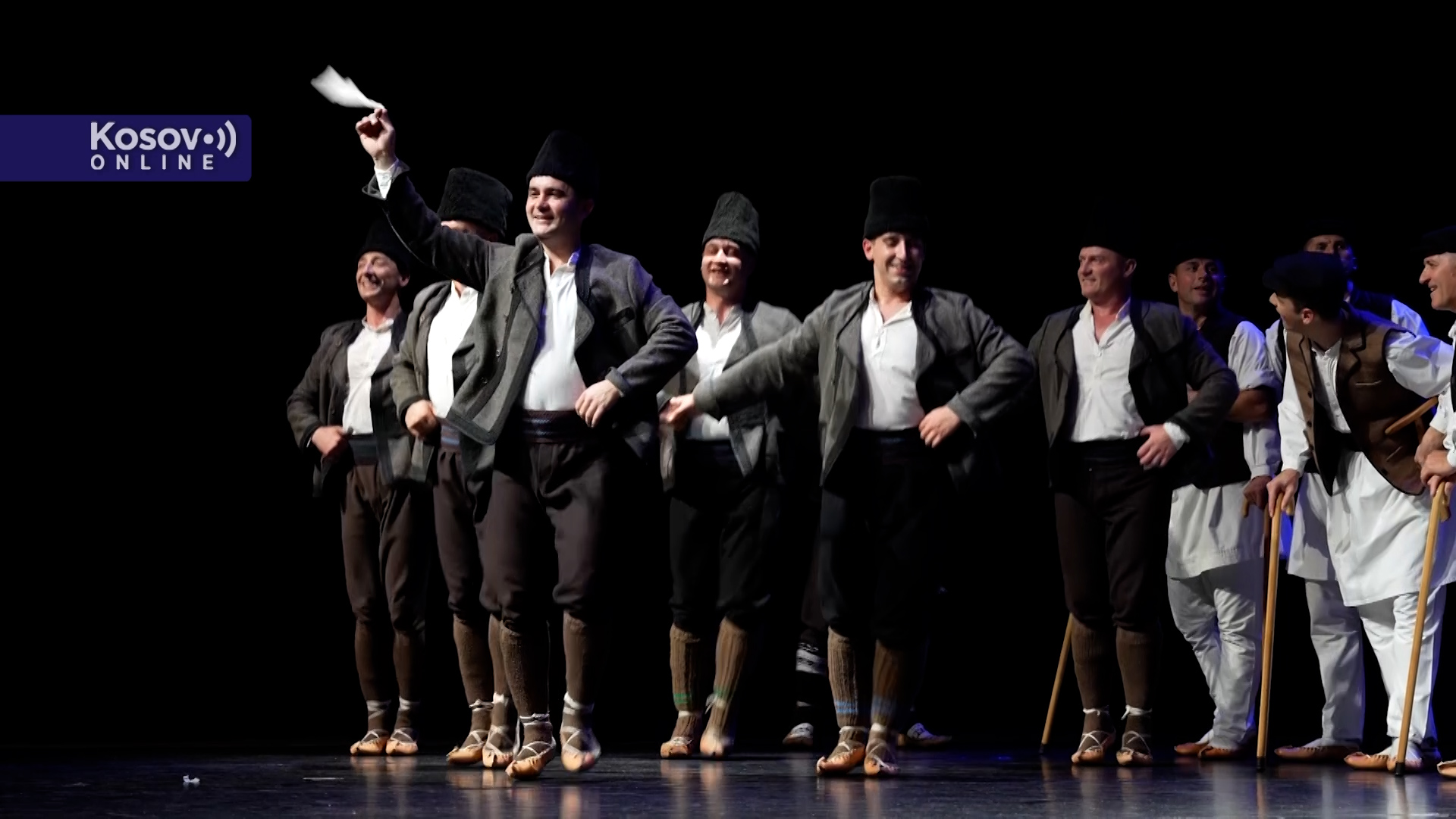
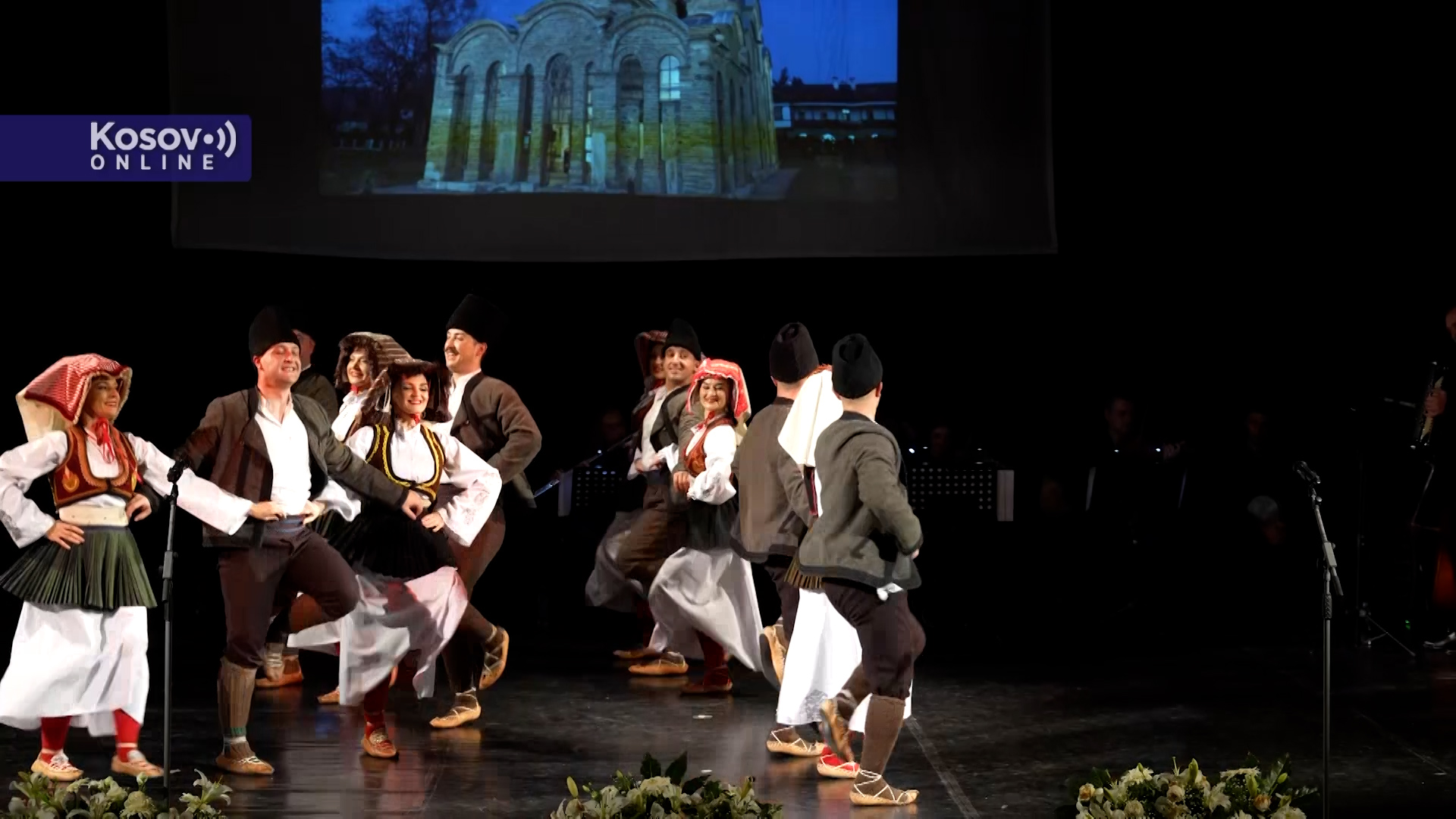
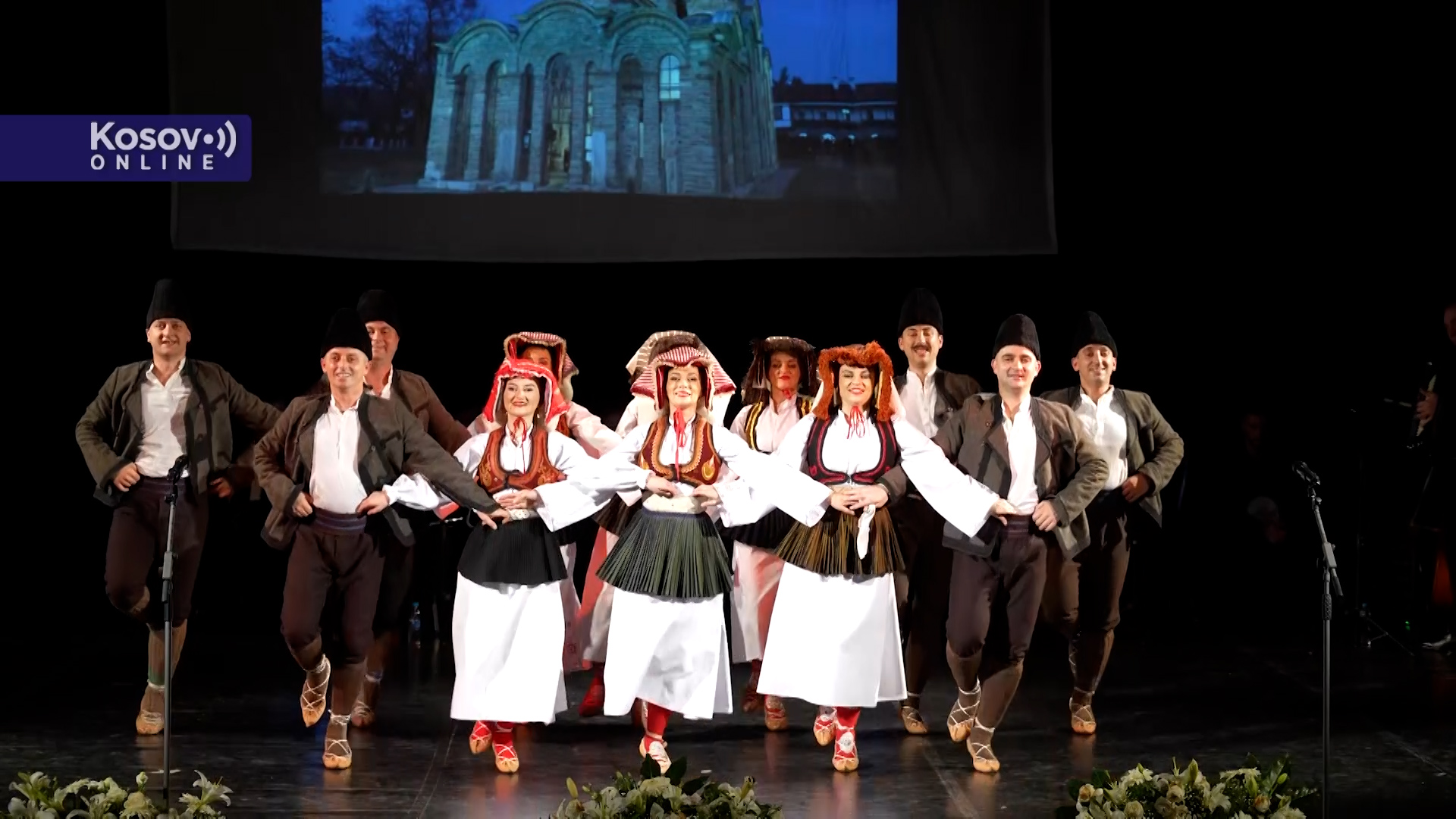


Despite the numerous awards Venac has received, Jovanovic said the greatest recognition was the Serbian Ministry of Culture’s continuous support, the ensemble’s budget and the creation of new jobs.
“But the greatest recognition is the opportunity for us to work and create here and to be an institution that serves as an example of how things should be done. Venac is an institution whose entire ensemble works here every day. I often like to say that no one can unravel Venac anymore,” Jovanovic concluded.
Organizer Ivan Tomic said Venac stages nearly 50 concerts a year, thereby fulfilling its annual work plans.
Performances are defined through the annual program, he explained, meaning that appearances for the following year are already being planned in June and July.
Although they constantly face staffing shortages because of the conditions in which they live and work, Tomic said the ensemble manages very well and does not encounter major difficulties. There is considerable demand for performances, and Venac is always a welcome guest at numerous events.
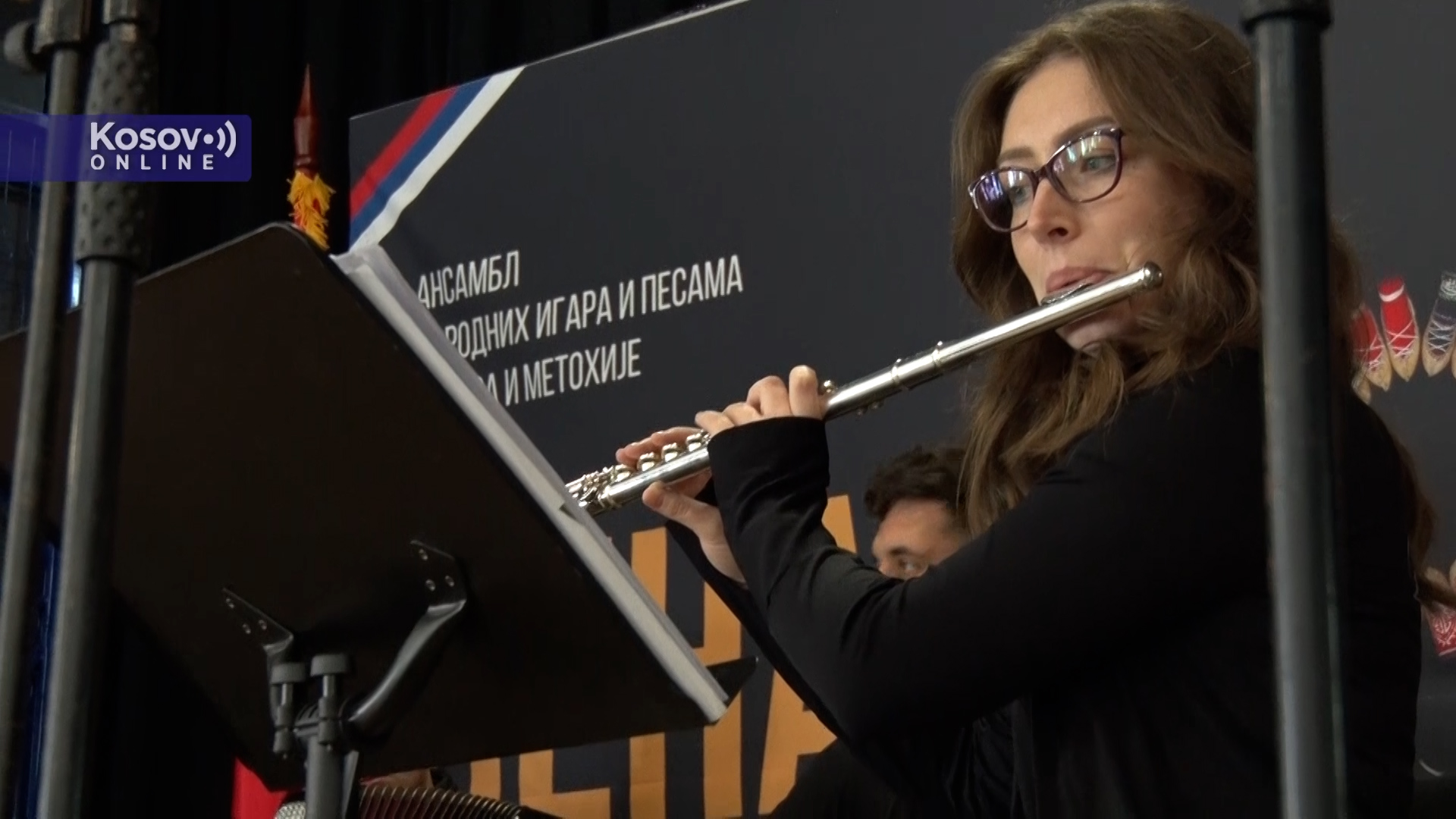
The ensemble’s fundamental mission, Tomic stressed, is to preserve dance, music, song and tradition and pass them on to younger and older generations through stage performances.
Tomic said Venac’s folklore schools now bring together as many as 250 children.
“In 2014, the Venac Ensemble launched the ‘Venac Folklore Schools’ project with the aim of expanding its work with children and addressing the shortage of folklore schools in Serb communities in Kosovo and Metohija. The project began in Laplje Selo and Gracanica and was later expanded to Lepina, Lipljan and Donja Brnjica. It currently brings together between 200 and 250 children across five folklore schools, where professional dancers and assistants work with the participants. Most of them are girls, but the children regularly perform at festivals throughout central Serbia and Kosovo and Metohija, learning traditional dances and songs while preserving their cultural heritage,” Tomic said.
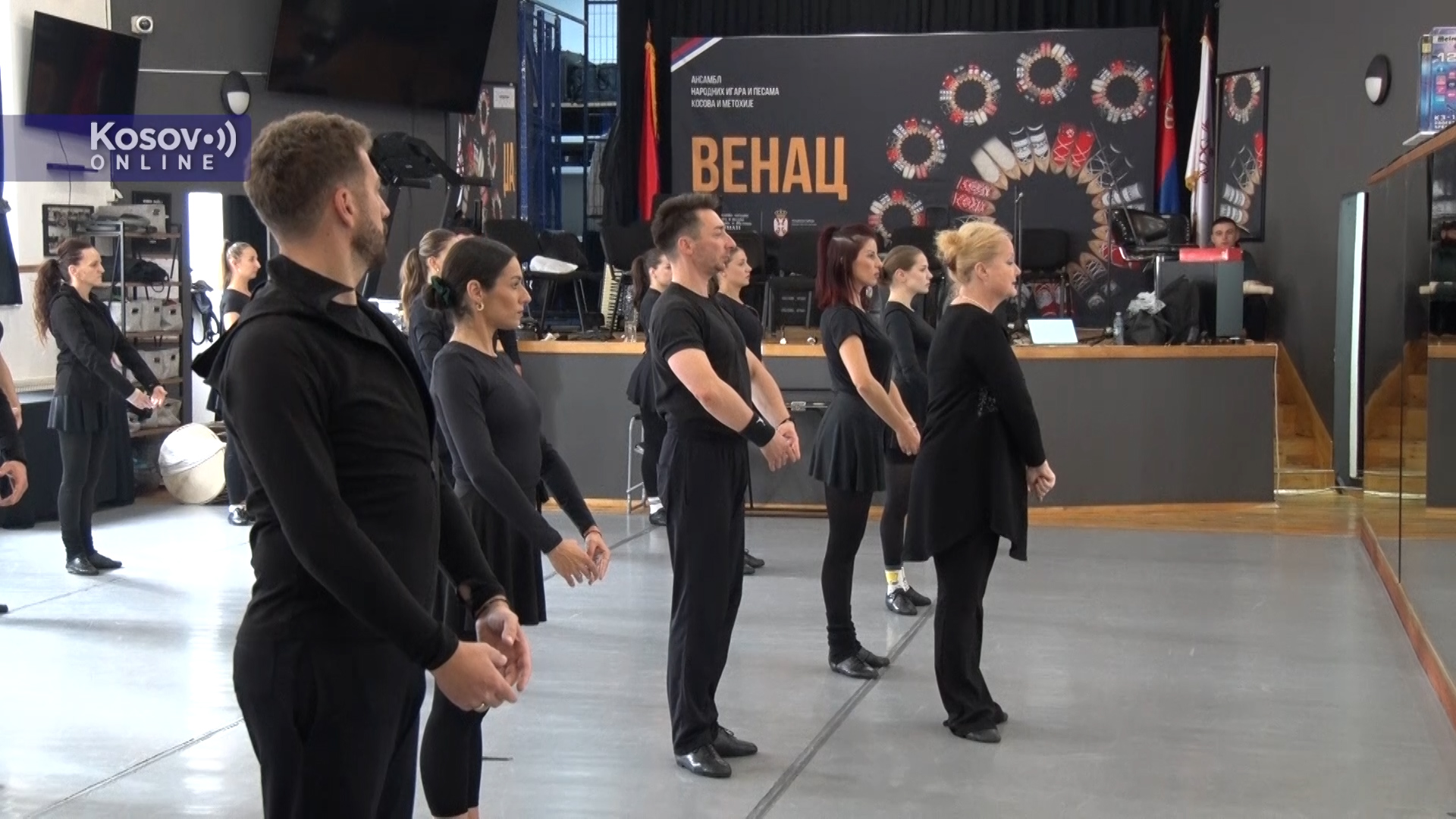
When the Kosovo Online team visited a rehearsal, however, the dancers were practicing ballet rather than traditional dances and songs. Vera Obradovic, a professor at the Faculty of Arts, explained that ballet exercises were extremely important for developing grace on stage.
“Classical ballet exercises contribute enormously to graceful movement, articulation, flexibility and the ability to command space with one’s body. Ballet techniques bring precision to posture and stage movement. These exercises benefit dancers in every field, including folk dance, without compromising its authenticity,” she said.
The ensemble’s professional dancers said Venac had changed their lives. Zorana Rizakov from Novi Sad began her professional career with Venac in Gracanica.
“There was an audition in Nis, so I applied and received an offer to work in the professional ensemble. Being away from my family is difficult, but I go home every weekend, so I make up for it that way and spend at least some time with my family. And there are good, honest people here as well,” she said.
For Nenad Rasic, Venac is a way of life.
“It is a tremendous experience and a great privilege to be a member of a professional ensemble. There is a lot of friendship, good work and effort. Working with the Venac Ensemble has enabled me to start a family, so to speak, to build a life here in Kosovo and Metohija, and of course it has made life easier for me,” he said.


comments