
The Nojkic family from Mogila: Farming as a family tradition
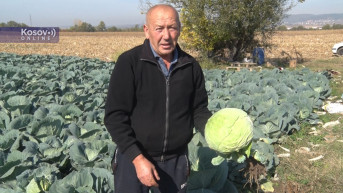
Farming requires a great deal of work, investment, and patience, while the results often depend on weather conditions and the market. Zoran Nojkic from Mogila has been growing various types of vegetables for years, and cabbage harvesting is currently underway in his fields.
This year, he planted a smaller area than in previous years, but he is not giving up production, as farming is a family tradition.
Nojkic says they grow different types of vegetables and owe a great deal to their native soil, whose quality and fertility provide favourable conditions for cultivation.
"We have been growing vegetables for decades. My parents did it, then I took over, and now my children are continuing the tradition, as this is what our family has always done and how we make our living. We are vegetable growers. We produce potatoes, cabbage, peppers, tomatoes and all kinds of vegetables because our land is suitable for these crops. We try to produce as much as possible and achieve the best quality so that we can compete in the market. As for cabbage, there are many good varieties, but we mainly grow 'Potomak' and 'Bravo'," Nojkic said.
He notes that cabbage is currently the main crop being harvested, but that they planted less than in previous years because demand has also declined.
"This year, we planted around 50 to 60 ares. A few years ago, we planted a little more, but the market has shrunk somewhat. People are not consuming as much as they used to. Consumption was much higher in the past. Now, I don't know what the reason is, most likely the supermarkets. They buy the produce through their retail chains and then lower the price a little. Production is quite expensive as it is," Nojkic explains.
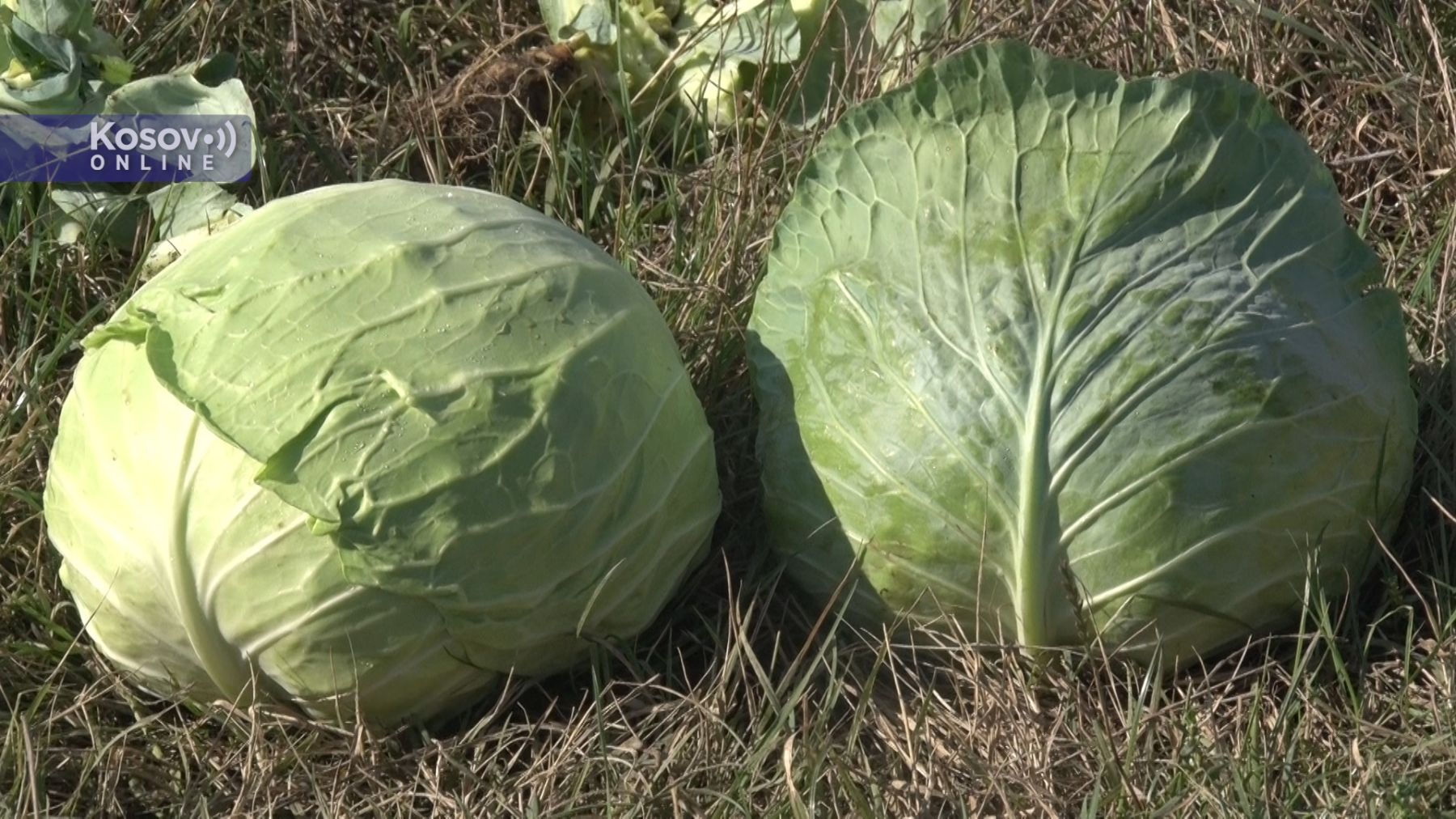
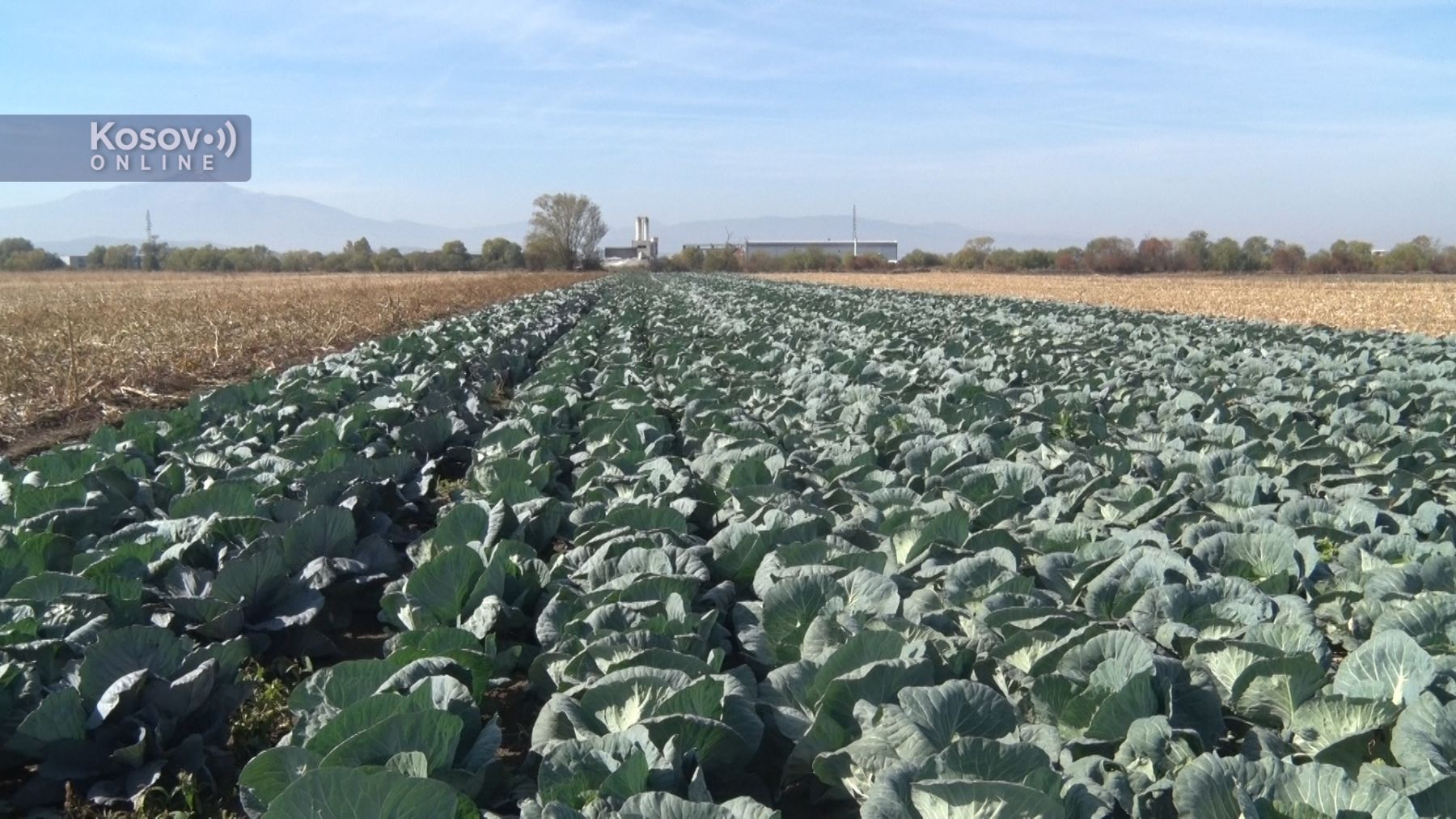
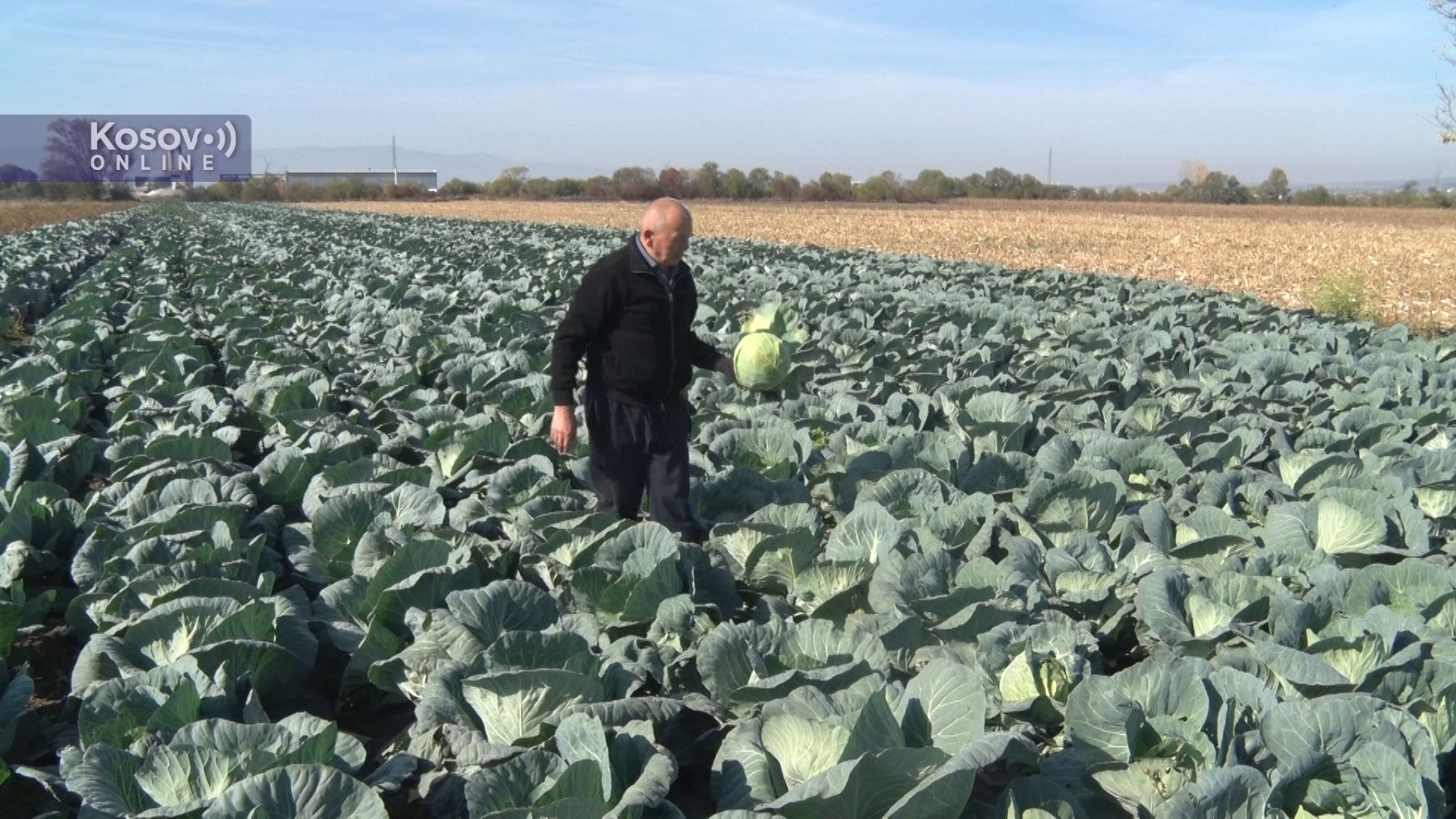
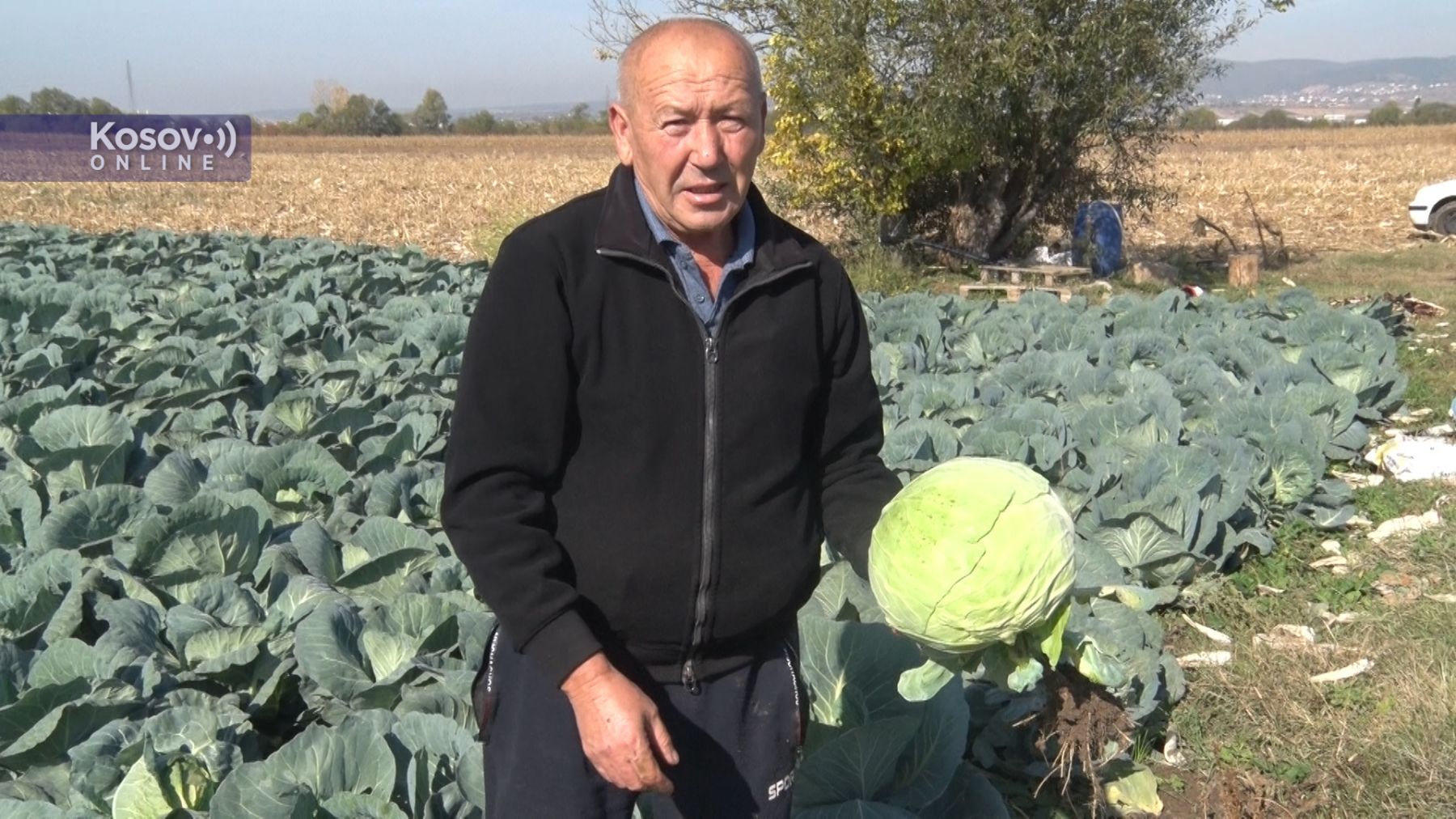


He points out that growing cabbage requires considerable time and labour, and that the final product also depends heavily on proper soil preparation.
"We buy ready-made seeds from an agricultural supply store. We prepare a seedbed and sow the seeds, which then germinate. The seedlings have to grow there for at least a month and a half. After that, we transplant them into the field. The field has to be properly prepared for this process. Most people use more farmyard manure than artificial fertiliser because the latter is very expensive. We need at least seven to eight workers to plant between 50 and 60 ares of cabbage, if we can manage to get that many. Then comes watering, hoeing and trimming, until the cabbage heads form," Nojkic said.
He stresses that the whole family is involved in planting the crop and later harvesting the cabbage.
"The whole family takes part in the work. You have to come and cut the cabbage, load it onto a trailer, take it home, transfer it to a vehicle and only then take it to the market. Competition there is fierce. Buyers think the produce is expensive, while we, the people selling it, think the price is too low. Nobody can understand the costs we have to cover," Nojkic said.
He notes that this is now the season for making sauerkraut, and that the 'Potomak' variety, which he grows in his fields, is particularly well suited for this purpose.
"'Potomak' is the best variety at this time of year. It has slightly thinner leaves and is good for sarma and cooking. The other variety, 'Bravo', is not bad either, but it may need to ferment for another 10 to 15 days," Nojkic said.
Although they expect to make a profit from selling cabbage, this year they have suffered heavy losses with their pepper crop because a hailstorm more than a month ago destroyed over a hectare of pepper plants.
"The hail fell a month and a half ago. We suffered major damage to both the peppers and the cabbage, but the cabbage managed to recover to some extent, while the peppers could not recover at all. Some pepper plants had around 20 hail impact marks, and there was simply no way to save them. We got absolutely nothing out of our pepper crop this year. I had one hectare planted with peppers, and the loss amounts to perhaps 15,000 to 20,000 euros," Nojkic said.
He also points out that nobody has become rich through farming, but says they are determined to continue growing vegetables regardless of how much profit they make.
"Nobody has become rich from farming. We farmers are lucky if we manage to make even a little money in one of every ten years. Most of the time, we work just to survive. Some years we earn a little, other years we earn nothing, but we have to keep working. We are not giving up," Nojkic said.
0 comments