
Andjelkovic: Chances of Kosovo’s institutional crisis easing after the elections are slim
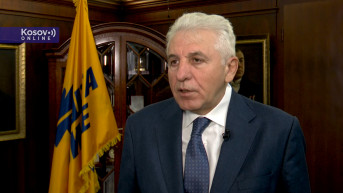
Director of Posta Srbije and former President of the Executive Council of Kosovo, Zoran Andjelkovic, assessed today that there is little chance that Kosovo’s institutional crisis will be resolved following the snap parliamentary elections scheduled for June 7. In his view, it is unlikely that the institutions in Pristina will be fully constituted after the elections, as no political actor is expected to secure the support of 81 members of parliament required for the election of a president, TV Most reported.
Speaking to Tanjug about the upcoming snap parliamentary elections in Kosovo, Andjelkovic said that Kosovo’s caretaker Prime Minister Albin Kurti is likely to receive fewer votes than in the previous elections, arguing that President Vjosa Osmani has now distanced herself from him and will attract a portion of his electorate, resulting in a weaker parliamentary majority.
“That majority will probably be sufficient to form an executive government in Pristina, but it will not be enough to elect a president. It is in the interest of the Serbs that the provisional institutions be established, because during every election campaign it is the Serbs and Serbian institutions that suffer the most. Since there is no economic development in Kosovo and Metohija and no other issues occupying the attention of the Pristina administration, particularly Kurti, his main election campaign is directed against the Serbs in Kosovo and Metohija,” Andjelkovic said.
He stressed that the raid on the Health Center in Obilic, as well as the recent arrests of directors of educational and healthcare institutions in Gracanica, who have been placed in detention for up to 30 days, clearly demonstrate that only the Serbs are being targeted during the election campaign.
According to Andjelkovic, attempts to promote Nenad Rasic—who, he noted, was unable even to ensure that only Serbs appeared on his electoral list—while Pristina’s institutions recognize his list as representing the Serbian community in order to secure a Serbian representative in the executive branch, clearly illustrate the nature of Kurti’s policy and that of his administration toward the Serbian people in Kosovo.
Asked about the priorities of the Serbian List during the election campaign, Andjelkovic said that the party’s primary focus is preserving the unity of the Serbian people in Kosovo. He emphasized that the stronger that unity is, the stronger the position of the Serbian community in Kosovo will be through the Serbian List.
“It is a message that, without ties to Belgrade and the support of Belgrade, the Serbs cannot survive in Kosovo and Metohija. These two elements are sufficient grounds to call on all Serbs in Kosovo and Metohija to remain united around the Serbian List and to show Kurti—or any less significant version of Kurti in Kosovo and Metohija—that they cannot divide the Serbian people in Serbia’s southern province,” Andjelkovic concluded.

comments