
Andric Rakic: Lower voter turnout in the elections does not suit Self-Determination
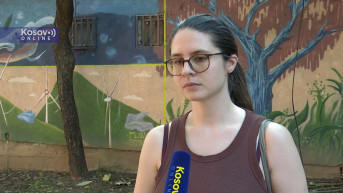
The executive director of the New Social Initiative, Milica Andric Rakic, stated that she does not expect lower voter turnout in the June 7 elections due to increased competitiveness among parties, while describing the diaspora electorate as crucial in the distribution of power among political parties after the elections.
"There is a certain level of mobilization within the Democratic League of Kosovo, the party has been somewhat refreshed by Osmani's return, although even there not everything is clear and it is evident that there are many highly positioned individuals within the party who oppose that decision or were not fully in favor of that kind of unification. But, given that a certain level of revitalization and mobilization can be seen within the Democratic League of Kosovo, it is not excluded that this could affect voters of Self-Determination or the Democratic Party of Kosovo, so regardless of the fact that these are the third elections in a short period of time, it is not excluded that turnout will be approximately at the same level as last time. I would not be surprised if voter fatigue is not visible precisely because of the intensified competition and increased competitiveness between the parties," Andric Rakic told Kosovo Online.
When it comes to the Serbian community, Andric Rakic points out that turnout results are almost the same year after year, while at the Kosovo-wide level there is a noticeable increase in the number of women going to the polls. She adds that this could positively affect the Democratic League of Kosovo, because Osmani could mobilize women's votes.
Regarding age groups, the youngest age groups vote the least, and they are largely nationally oriented, our interlocutor says.
If they are not mobilized, Andric Rakic adds, that will mean that the "nationalist parties" could achieve a somewhat weaker result than their actual potential.
She emphasized that pensioners are the most regular voters, and they generally contribute to the results of the parties currently in power, because those parties use their resources during the election campaign.
Nevertheless, she believes that the decisive factor in these elections will once again be the diaspora.
"The key factor here is diaspora turnout, because it greatly contributed to the results of Self-Determination, and if for some reason there is no higher turnout within that electorate, that could return Self-Determination to the result from February of last year," she said.
In the case of lower voter turnout, she believes the largest parties lose out, in this case Self-Determination.
"Self-Determination loses out, conditionally speaking, with lower turnout. Primarily, the diaspora will be the factor influencing the increase or decrease in turnout. These are generally the votes that make the difference, so lower turnout does not suit the largest parties," Andric Rakic stated.



0 comments