
Kamberi: Emigrants believe Kurti will restore order and justice in Kosovo; events in the north are crucial
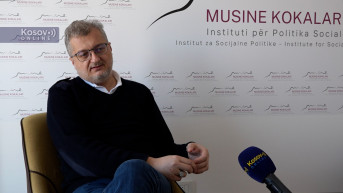
Belgzim Kamberi, an associate at the "Musine Kokalari" Institute, stated that Kosovo's Albanian diaspora strongly supports Albin Kurti, believing he will restore order and justice in Kosovo.
Recalling that Kurti also won the most votes among emigrants in the previous elections, Kamberi explained that, according to surveys, the two key reasons for this are the fight against corruption and patriotism.
"There are various reasons why the diaspora votes more for Kurti. According to surveys we have seen, some said that Kurti’s anti-corruption policies were the reason why the diaspora overwhelmingly supported him. They still perceive Kosovo as a place where the fight against corruption is ongoing," Kamberi told Kosovo Online.
He identified patriotism among the diaspora and events in northern Kosovo as another crucial factor.
"They see Kurti as the man who restored Kosovo’s sovereignty and laws in the north. These could be two reasons. However, I personally believe that the diaspora votes for Kurti more because of the anti-corruption symbolism he represents. They see him as someone who will bring back some level of order and greater justice to Kosovo. That is the main reason," Kamberi explained.
Commenting on previous initiatives suggesting that the diaspora should not be allowed to vote because they are not fully aware of the real situation in Kosovo, the analyst noted that voting rights for the diaspora are regulated differently across the world and the region.
"For example, in North Macedonia or Croatia. There are different models of how the diaspora can be represented and how they can vote. Some countries allocate a reserved quota of three or five parliamentary seats for the diaspora," Kamberi pointed out.
He also emphasized that the question of whether the diaspora should vote in local elections or only parliamentary ones should be discussed.
"In some countries, the diaspora is not allowed to vote in local elections but can vote in parliamentary ones," Kamberi clarified.
He does not expect any changes to the law soon, as the issue of diaspora votes remains a "sensitive topic" and a focal point for Kosovo’s leading Albanian parties.
"Kurti’s ruling party sees this as something that benefits them, and the Self-Determination Movement would certainly not be willing to discuss it, as they view it as an opposition attempt to weaken them. This issue should be resolved in a way that is acceptable to all major Albanian parties. Once the influence of diaspora votes is balanced, it will open the space to address the issue and adopt different models, some of which already exist within the European Union," Kamberi concluded.



0 comments