
Radojkovic: Pristina's pressure on the Serbian community may ease slightly after the local elections
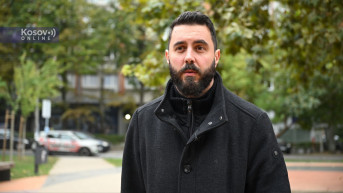
Historian Stefan Radojkovic believes that after the local elections, Pristina will continue its policy of exerting pressure on the Serbian community in the Serb-majority municipalities, though that pressure may ease somewhat, given that the mayors and majorities in local assemblies will now be representatives of the Serbian community.
However, he points out that one likely consequence of the previous absence of Serbs from local governance in the northern municipalities is a change in the ethnic structure of local administrations. Over the past two or three years, he believes, a significant number of people from the Albanian or other communities have likely been employed in local institutions, meaning that the impact of the political change at the local level may be limited.
“So, the pressure may ease a little, but given the recent practices established by Albin Kurti’s caretaker government, I doubt that any new government that comes to lead Pristina’s administration will significantly change its attitude toward the Serbian community,” Radojkovic told Kosovo Online.
He also highlighted demographic trends as a cause for concern.
“In some Serb-majority municipalities, there has been an increase in the number of voters supporting Albanian parties, which indicates a rise in the number of residents in those municipalities, primarily in Novo Brdo and Gracanica. There are even attempts to alter the demographic picture in the northern part of Mitrovica, which is worrying,” he noted.
Looking more broadly at the voting results in Serb areas, Radojkovic said that elections within the Serbian community in Kosovo and Metohija have always reflected the political situation at the central level, that is, in Serbia as a whole.
“It was clear that the Serb List, with the support of the Serbian Progressive Party from Belgrade, had a convincing advantage in terms of resources, and that this would translate into votes. Of course, we also saw several challengers who stood out during these elections within the Serbian community, especially in Kosovska Mitrovica. I would mention Marko Jaksic and Aleksandar Arsenijevic, who practically ran his campaign from the Jarinje crossing. In any case, the Serb List won an absolute majority in most Serbian municipalities, with possibly one remaining in question,” Radojkovic said.



0 comments