
Andric Rakic: Amid years of tensions with the government, Ombudsperson Institution remained open to the Serbian community
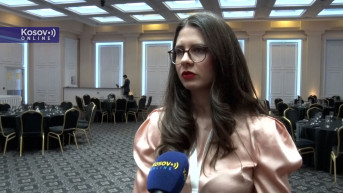
Milica Andric Rakic, executive director of the New Social Initiative, said that during years of tensions between the Serbian community and the Kosovo government, the Ombudsperson Institution was the only platform open to hearing Serbs’ concerns. She added that the ombudsperson has extensive powers, but how much they are used depends on the person holding the position.
“The ombudsperson’s powers are in line with European standards. There are some important provisions, such as the ability to refer laws, that is, adopted laws, to the Constitutional Court. This is one of the more important powers, which the ombudsperson has exercised in previous years to defend the interests of certain groups in society. Specifically, I believe this was related to pensions and certain trade union benefits at the time. This is one of the more important roles. The ombudsperson’s responses to complaints carry a certain weight in court. So, if you file a complaint with the ombudsperson over a violation of your rights and receive a positive assessment confirming that your rights were indeed violated in your particular case, you have a better chance of winning a case against the institutions if you decide to take the matter to court,” Andric Rakic told Kosovo Online.
She stressed that the Ombudsperson Institution was also important for the Serbian community, noting that throughout years of tensions in Kosovo, it had remained the only platform open to Serbs.
“As far as the Serbian community is concerned, I must say that this is the only Kosovo institution that, throughout all these years of serious tensions with the Kosovo government, has remained a platform open to the Serbian community. Its work may not always have produced major results, but it was certainly open to hearing concerns, accepting complaints when they were formally submitted, and trying to do what it could to establish a degree of communication between the community, in this case civil society, and the other competent institutions responsible for the issues we have mentioned,” our interviewee said.
From the perspective of the Serbian community in Kosovo, Andric Rakic added, this is the institution with which they have the best cooperation.
Regarding the ombudsperson’s powers, Andric Rakic said they were sufficient, but that how they are used depends on the individual who takes up the position.
“There are several things that can be initiated. This depends on the ombudsperson’s personality and willingness to address politically difficult issues, but also on the point they have reached in their term of office. At the beginning of a term, one might expect some bold steps, while towards the end, perhaps not so many, because by then the person may already be thinking about the rest of their career,” she said.
The election of the ombudsperson depends on political support in parliament, Andric Rakic added, stressing that the candidate must be someone who can inspire confidence among almost all political parties and demonstrate the ability to perform their duties properly and defend citizens’ rights.
“There is only a small pool of candidates capable of securing that kind of support, although such support should not subsequently influence the institution’s work. These things are possible, so incremental progress is possible, but for now, we have no serious complaints about the functioning of the institution,” she stressed.



0 comments