
Milenkovic: Serbian soldiers engaged in nine foreign missions, in Lebanon they were not directly endangered
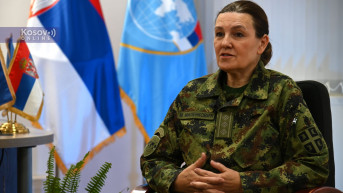
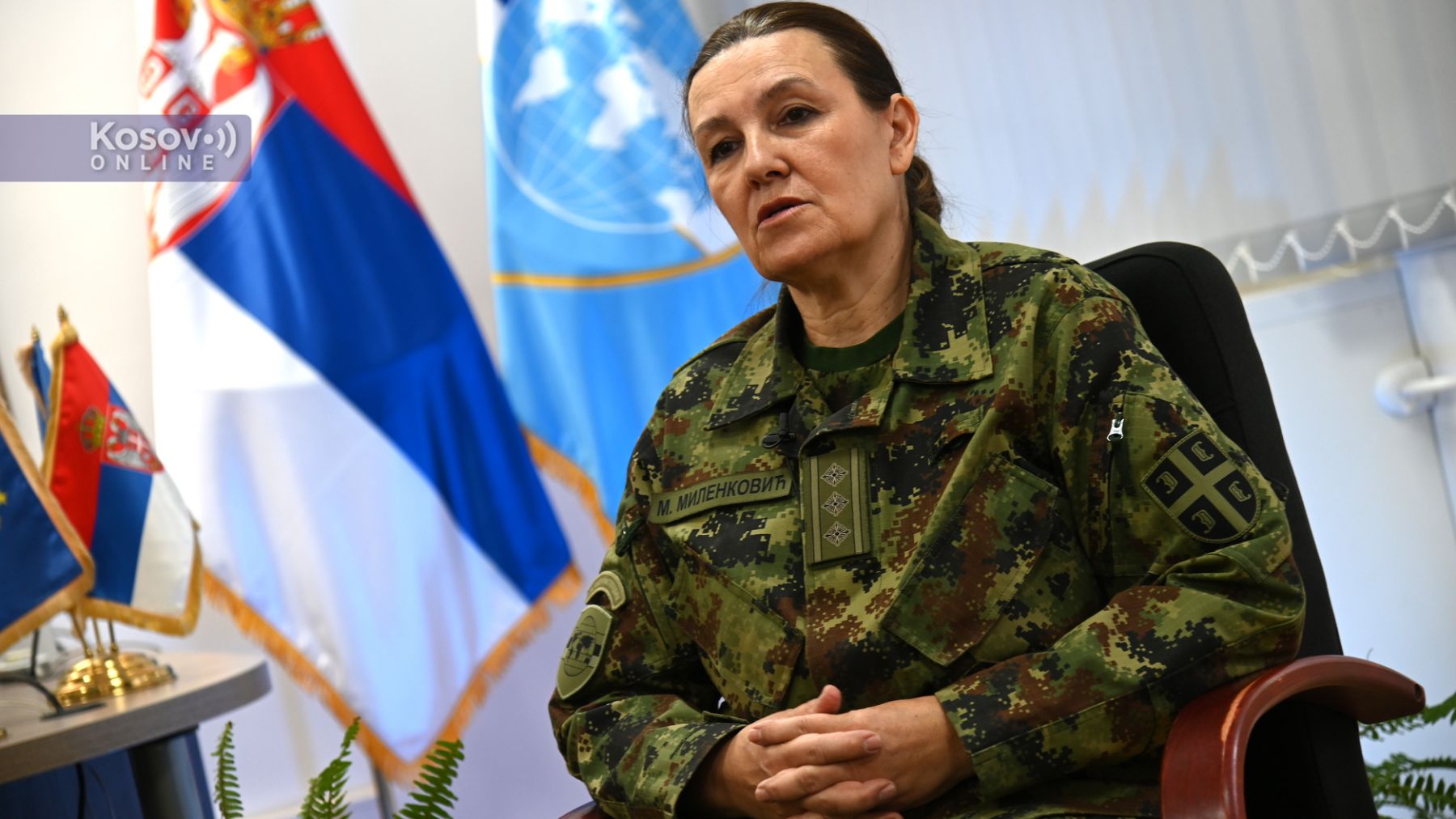
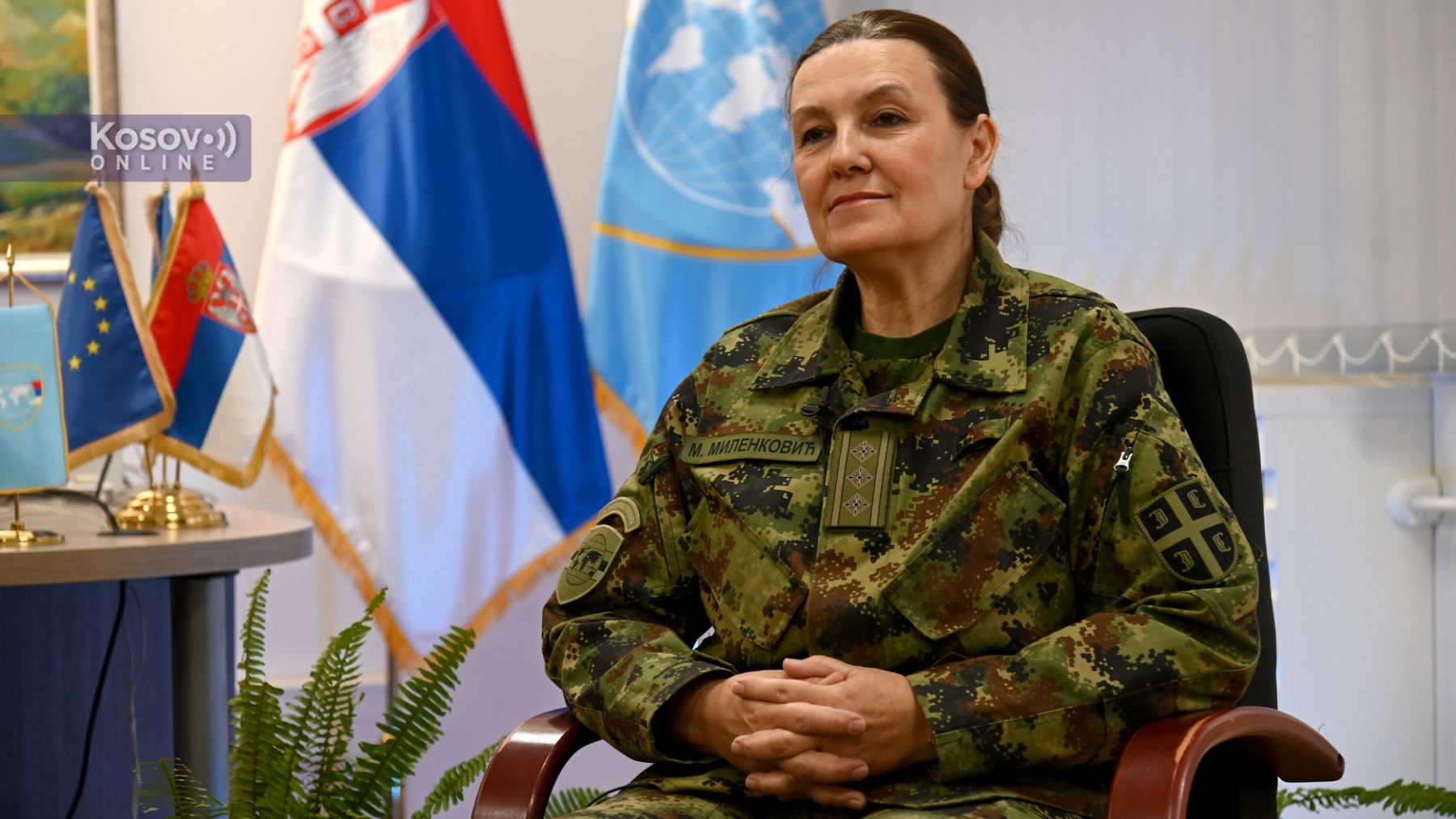
“When I address our soldiers who are going on a mission, especially those heading to Cyprus, I say that when you mention that country you probably first think of sun, palm trees and beaches, but if the situation were safe – peacekeepers would not be there,” the head of the Peace Operations Center of the Serbian Armed Forces, Colonel Mirjana Milenkovic, said in an interview for Kosovo Online.
By: Katarina Saicic
The Serbian Armed Forces are currently participating in nine peacekeeping operations worldwide, and Milenkovic, who has been at the head of the Center for five years, shared the first impressions of Serbian peacekeepers who returned to the country last week after eight months spent in Lebanon. The mission was extended by two months because, due to air strikes, there were no conditions for a safe return.
What motivates our soldiers to work in such challenging conditions, what the purpose of the Center is, and in which peacekeeping missions abroad Serbian soldiers are currently engaged, we learned during the conversation.
What are the tasks of the Peace Operations Center and what is its main goal?
The Peace Operations Center is part of the Operations Directorate of the General Staff of the Serbian Armed Forces and is responsible for all tasks related to the selection, preparation and deployment in peacekeeping operations. Our Center is specific in many ways compared to similar centers, primarily in the region, because most centers are mainly intended for the preparation and training of personnel being sent to operation zones, while our Center performs all tasks related in any way to peacekeeping missions. This includes selecting personnel for missions, their preparation, training, equipping, as well as monitoring their engagement while they are in operation zones. We also prepare their return, including the financial aspect of the engagement. These are the basic tasks of the Peace Operations Center.
All these tasks are interconnected, and the goal is to prepare personnel in the best possible way for work in peacekeeping missions. The job is complex and dynamic. We often do not have fixed working hours - activities take place in the afternoons and on weekends as well, especially considering that we monitor daily developments in operation zones, but precisely because of this complexity and dynamism, the job is interesting.
In which peacekeeping missions do members of the Serbian Armed Forces participate and how many are engaged?
The Serbian Armed Forces currently deploy personnel in nine multinational operations. Four are under the mandate of the United Nations, four under the mandate of the European Union and, since 2023, we have also been engaged in the Multinational Force and Observers on the Sinai Peninsula. In these nine missions, we currently have 206 personnel in operation zones, including different categories - from staff officers and military observers, to medical teams, engineering and police units, as well as infantry units at company and platoon level in the UNIFIL mission in Lebanon.
By the end of last year, in the Central African Republic, within the MINUSCA mission, we had a level 2+ military hospital. More than 70 people were engaged there and all tasks related to the operation of a hospital with basic medical staff and duties were under our responsibility. We spent 11 years there. It was an extremely demanding task because the hospital was self-sustaining, meaning that the Republic of Serbia provided everything necessary for its functioning, from medicines available in pharmacies, through the equipment needed for work, to professional staff who had to meet high standards. It was complex to ensure that the hospital functioned thousands of kilometers away, but we successfully completed that task as well. The hospital was highly praised for its work, and now, when it comes to medical capacities, we deploy smaller medical teams in missions in Somalia and the Central African Republic.
So where are we deployed? There is the UNIFIL mission in Lebanon, then in the Central African Republic, in Cyprus and in the Middle East, and when it comes to European Union missions, these include Somalia, Mozambique, the command of the EU NAVFOR Atalanta mission, currently in Spain, as well as the already mentioned Multinational Force and Observers on the Sinai Peninsula.
Would you single out any as the most important?
When I address our soldiers going on missions, especially those going to Cyprus, I say that when you mention Cyprus you probably think of sun, palm trees and beaches, but if the situation were safe - peacekeepers would not be there. That mission has existed since 1967, which means that problems still exist as long as peacekeeping forces are present. When we assess the security situation, at the moment of deployment it may be stable and we rate it as level two. Overnight, things can change, escalation of conflict can occur and the security situation can deteriorate, which certainly affects their work. That is why I like to say that every mission is important in its own way, while the more demanding ones are those where we have a larger number of personnel and where the security situation is significantly worse.
The security situation is currently most difficult in Lebanon, from where a platoon with Serbian soldiers returned last week. What are their impressions? Were they afraid and was their safety endangered?
The situation is certainly most complex at the moment in the Middle East, specifically in Lebanon, where the Serbian Armed Forces have the largest number of personnel. In the United Nations UNIFIL mission in Lebanon, there are currently 169 members of the Serbian Armed Forces engaged as part of an infantry company within the Spanish contingent, a force protection platoon within the Italian contingent, as well as staff officers and a national support element. So, a total of 169 personnel are in this mission, and there are also three military observers in the Middle East. The situation is not good, although a ceasefire was agreed about fifteen days ago and extended for another ten days, it is violated daily. However, our personnel were not directly endangered at any moment. Protective measures are taken in a timely manner, including taking shelter. Usually there is information that something is being prepared, so measures can be taken in time and procedures are respected. Above all, patrol tasks are not carried out to the same extent as when the situation is not dangerous. The number of patrols has been significantly reduced, and in certain periods they are not conducted at all. Last year in this mission we replaced the main equipment, armored combat vehicles and off-road combat vehicles of the latest class. These are “Milos” armored combat vehicles of domestic production, which provide the highest level of protection, because safety is our top priority. In 2024, we provided new ballistic protective equipment for all personnel.
Individual duties of staff officers and military observers usually last one year, while units and medical teams rotate every six months. Those who go are prepared here at the Center, while part of the preparation is also carried out at Base South in the Training Center for Multinational Operations Units. In these preparations, we follow all the latest United Nations standards and our personnel do not lag behind colleagues from more developed armed forces in any way. The result is that everyone returns alive and well when the time comes.
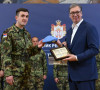
That this is true could be seen a few days ago when a force protection platoon of 30 personnel returned from the UNIFIL mission in Lebanon. They stayed somewhat longer than planned because it was not possible to rotate the contingent at the scheduled time due to combat activities in the operation zone. They were neither tired, nor disappointed, nor afraid. When I met them, everyone I asked, even though it was not easy for them, including the three women in the contingent, said they would do it again. Yes, of course. They would go again. The platoon commander, Captain Kricak, conveyed to us the assessments of the Italian general, who expressed a desire for another platoon of the Serbian army to be engaged in this mission. The reason is that our soldiers demonstrate discipline and high professionalism, which is very important in crisis situations.
It is important that this experience represents an exceptional opportunity for them. This knowledge and work in an international environment opens new perspectives. Our people learn a lot in operation zones and others can learn a lot from us as well. Of course, it is not a positive experience when you spend half your time in a shelter and when other activities related to normal life and work are impossible or limited, but it is important that they had daily communication with their families. Families were worried about their safety, watching everything reported in the media about the situation in the Middle East. When they hear their husband or father say, “Don’t worry, I’m fine,” they feel relief.
What are the plans for the future? Will the Serbian Armed Forces be engaged in additional missions?
As for the future, things are unpredictable. The security situation changes from day to day. The decision on where we will be engaged is made in the National Assembly. When making such decisions, we take into account the safety of our personnel, especially considering that in 2022 we lost Lieutenant Colonel Dejan Stanojevic, who was killed while performing an aerial reconnaissance task in a mission in the Democratic Republic of Congo. After that unfortunate event, we have not deployed our officers to that mission, and the security situation has unfortunately not improved. The assessment of the security situation is the basis for decision-making, and there are considerations to strengthen engagement in the Sinai Peninsula in the future, where we already have an engineering unit. We joined this mission within bilateral agreements with representatives of the United States Armed Forces, where we are part of the American contingent. When we agreed on this engagement, the initial plan was to be involved for seven to ten months until work in the southern camp of the mission was completed. We have now entered the third year at their request because our soldiers have demonstrated professionalism. It is not easy there in those climate conditions, but we are still there. The seventh rotation is currently deployed. As for new missions, in line with invitations from the European Union or the United Nations, decisions will be made accordingly.



0 comments