
Citizens concerned over warnings of difficult winter: We are paying the price for poor governance

After Economy Minister Artane Rizvanolli warned that Kosovo could face difficulties with electricity supply during the winter, rising electricity and firewood prices have caused concern among citizens, particularly pensioners and low-income families, Ekonomia Online reports.
Those who rely on electricity for heating fear that potential power outages could leave them without heating during cold weather.
Zekir Buzaku said that many families were already using air conditioners for heating and that interruptions in electricity supply would make it even more difficult to cope with the cold.
“Frankly, this is going to cause problems for most of us. Firewood has become more expensive, electricity has become more expensive, and we have started using air conditioners for heating. Most of us now heat our homes with air conditioners. If the power goes out, particularly we older people would be freezing. On top of that, electricity is quite expensive. It may not be expensive for someone who is better off, but it certainly is for some categories of citizens. For example, I receive a pension of €240, while my electricity bill is around €70,” Buzaku said, according to Ekonomia Online.
He criticized the institutions for the lack of long-term solutions.
“But they are always shifting the blame onto one another. If things were to be better, they should have started earlier, because such problems cannot be solved quickly. They should have thought about this earlier, found a solution and increased electricity generation by several megawatts. I do not know—they just sit there and watch. One moment we hear that electricity will become more expensive, the next that we will not buy it, that it is expensive or cheap. We have the same problems every year,” he stressed.
Bashkim Desku said that warnings of possible shortages of electricity, water and basic foodstuffs were adding to concerns among families and pensioners.
“Every such warning causes psychological distress. When you are told there will be no electricity, that you will not have bread or water, it is unsettling. Life has become very difficult for pensioners. I have worked all my life for this country. If the electricity keeps going out, televisions, refrigerators and other electrical appliances could break down. Some expensive electrical appliance could also be damaged,” Desku said.
He attributed responsibility for the situation to electricity producers and those managing the energy system, as well as to Kosovo’s institutions.
“Everyone says they are not to blame. Those who generate electricity and those who manage it are both responsible. Of course, the country’s leadership also bears responsibility. The best solution is for us to generate our own electricity. We are sitting on top of energy resources, but because of poor management, we are now paying the price through electricity shortages,” he added.
Ajvaz Abazi stressed that electricity supply was essential to everyday life and economic development.
“Judging by the warnings we are hearing, we have a difficult winter ahead of us. Being left without electricity is a disaster for the people, for us and for everyday life, because electricity is one of the basic necessities of life. There is no life without electricity. If there are interruptions in supply, they could cause significant damage. Refrigerators and freezers may not break down, but the food inside them will spoil. People have stocked up on food for the winter. If it spoils, what are we supposed to do then?” he asked.
According to Abazi, Kosovo should have invested in building a new thermal power plant that would meet Kosovo’s electricity needs while also enabling it to export electricity.
Economy Minister Artane Rizvanolli warned several days ago that a difficult winter lay ahead, noting that prices on international markets had already reached around €500 per megawatt-hour in the first days of November.
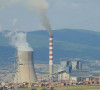
She stressed that Kosovo was also facing challenges, particularly because Unit B1 of the Kosovo B Thermal Power Plant has been offline since April 6 due to investments in electrostatic precipitators and the denitrification system.


comments