
Do actions against the Serbs bring enough political profit to Kurti for victory in the new elections?
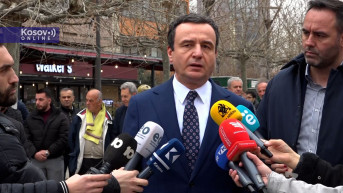
"Albin Kurti's politics rely on deeply ingrained negative sentiments of Kosovo Albanians towards the Serbs, fostering hostility that breeds paranoia and stokes constant fear of alleged Serbian threat, thereby imposing persecution and disappearance of the Serbs as the only solution for the future of the Albanians in Kosovo".
Written by: Milos Garic
Vlora Citaku, Vice President of the Democratic Party of Kosovo, stated that she expected a "reconfiguration of the political landscape" in Kosovo. According to her, after the upcoming elections, which are announced in the near future, Albin Kurti will not be the Prime Minister because the Self-Determination Movement will not win 50 percent of the votes, as some analysts in Kosovo currently predict. Does Citaku have enough arguments for such a stance?
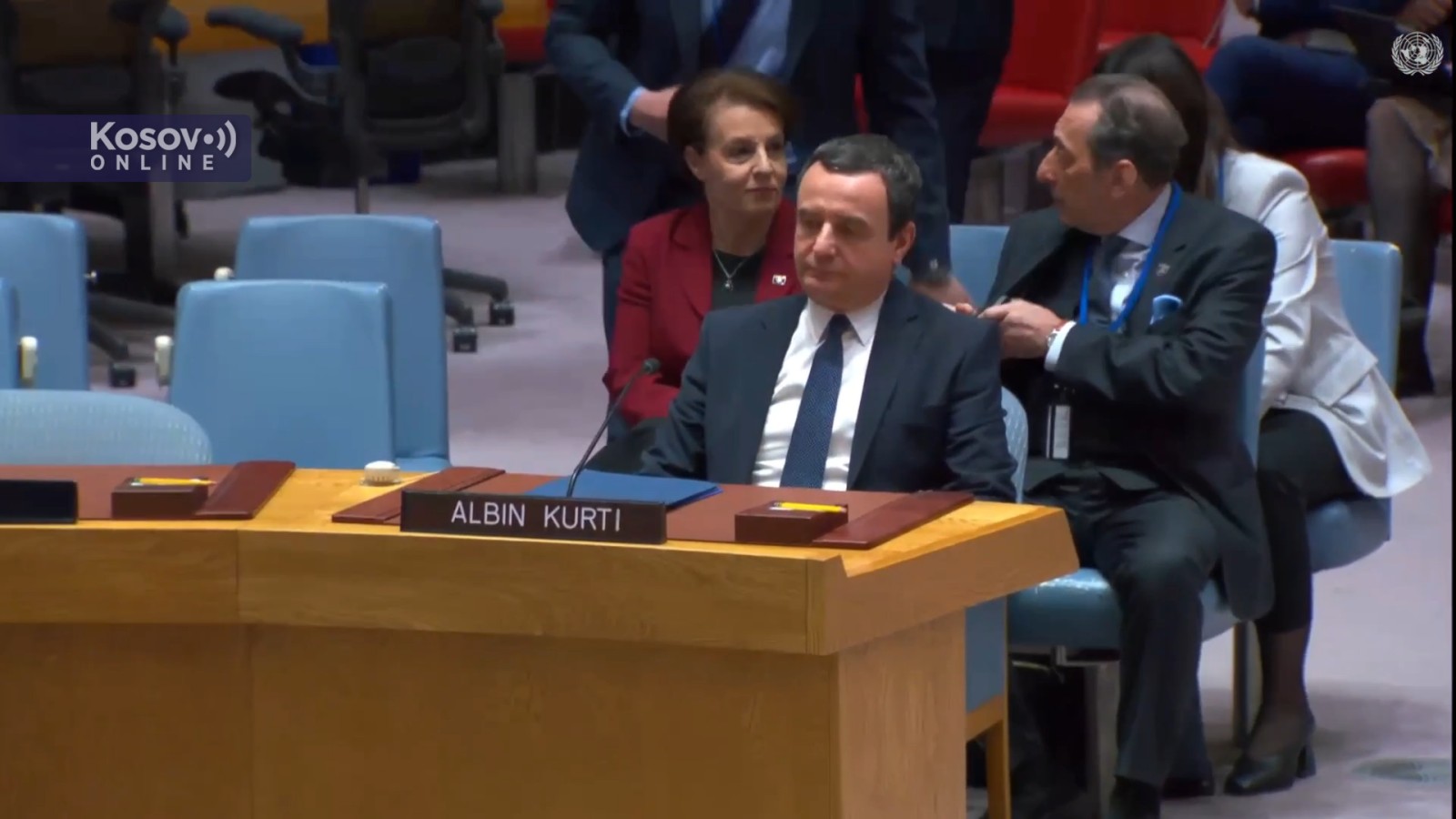
The political storm in Pristina gained additional drama in recent days following the session of the United Nations Security Council, where Albin Kurti was in a completely subordinate position compared to Serbian President Aleksandar Vucic. Due to the new crisis caused by the sudden decision to ban the use of the dinar in Kosovo, Kurti even found himself on the "defendant's bench", criticized even by the United States, its most important ally.
Kurti's audacity in persistently defying the suggestions of US administration representatives, thereby increasingly putting Washington in a humiliating position, is seen by some observers in Kosovo not only as a consequence of the characteristic stubbornness of the Kosovo Prime Minister and his immense political ambitions but also as a deliberate calculation. By assuming the role of a "victim" for the sake of Greater Albanian goals, the leader of the Self-Determination Movement maintains a convincing lead in popularity among the Albanian electorate in Kosovo. He did something similar yesterday by completely fabricating the claim that "someone from Belgrade was preparing an assassination attempt" against him during his meeting in Skopje, without offering any evidence, of course.
The politics of persecution of the Serbs
In his political strategy, Albin Kurti relies on deeply ingrained negative sentiments among Kosovo Albanians towards the Serbs, fostering enmity that fuels paranoia and stokes a constant fear of alleged Serbian danger. This is why the persecution and disappearance of the Serbs are presented as the only solution for the future of the Albanians in Kosovo. Kurti's skillful demagoguery, penchant for fabrication, and manipulation abilities, as indicated by his former close associates and particularly political rivals from other Albanian political parties in Kosovo, have come to the forefront during his three-year tenure as Prime Minister. He has failed to deliver on almost any of his promises to improve societal conditions and raise living standards.
How much Kurti and the Self-Determination Movement politically benefit from numerous actions against the Serbs and from constantly provoking new interethnic crises, and whether this will be sufficient for victory in the upcoming elections, is a question.
Pristina-based analyst and sociologist Artan Muhaxhiri points out to Kosovo Online that "Prime Minister Kurti wants to demonstrate that he is politically powerful".
"This is why he chooses to problematize delicate premises where he can mostly impose his conditions. The dinar issue is much more political than ethnic because, from Kurti's perspective, it gives him much greater importance in the upcoming dialogue, even in front of international allies. His plan is to present himself as a completely different leader compared to previous Kosovo prime ministers. From his days in opposition, Kurti often accused them of being too weak in relation to the international community, so now he wants to demonstrate his strong leadership through concrete examples," Muhaxhiri explains.
Of course, that approach has its limits because, as he adds, extremely influential decision-making factors in the Balkans - the USA and the EU - "cannot tolerate wasting much time in this kind of political gamesmanship".
"In the upcoming elections, the Kosovp electorate will judge Kurti based on the level of institutional progress, improvement of prosperity, and his visions for the future. The current opposition will play a crucial role because their counter-offer will also influence the success of the Self-Determination Movement. According to research, ethnic issues will not play an important role. I firmly believe that Prime Minister Kurti will find an appropriate alternative political formulation and extend the deadline regarding the dinar. Otherwise, huge and consistent American-European pressures would put him in a very difficult situation, and he would not be considered a constructive and reliable partner for future joint plans," Muhaxhiri says.
Heavy accusations from former associates
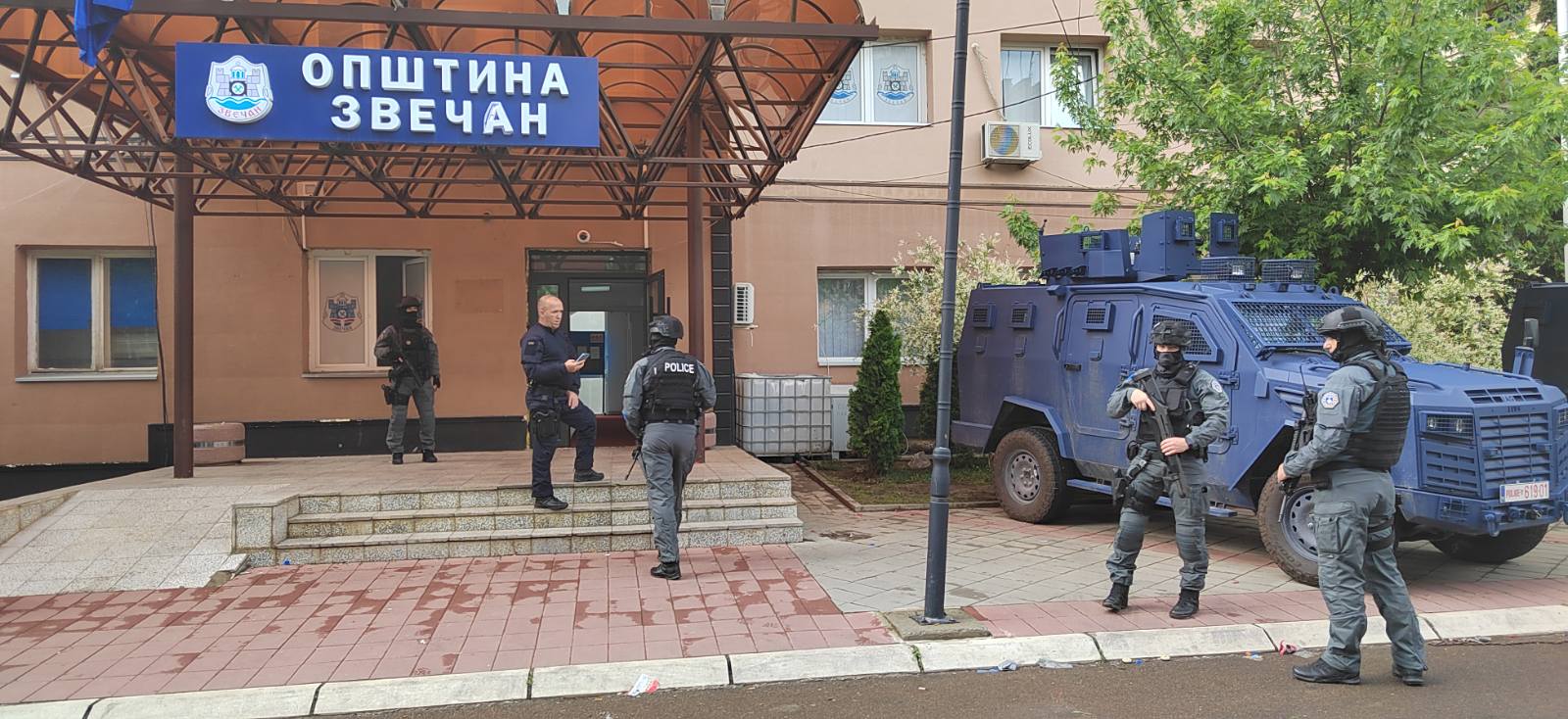
Despite the risk it poses in relations with Western allies, many see the continuation of Kurti's policy of oppressing the Serbs with the aim of their expulsion from Kosovo as an expected sequence of events. For these reasons, the Serbs live in constant fear and anticipation of further measures to deprive them of their basic human and civil rights, as has been the case in recent days with intrusions into healthcare clinics and post offices, confiscation of pension and social welfare funds, and completely inexplicable police detentions for meaningless "investigations".
Even Kurti's former close associate, Haki Abazi, warned again a few days ago that the current Kosovo Prime Minister was introducing fascism as a political concept and establishing a dictatorship.
Political analyst Ognjen Gogic believes that Kurti's current actions are not solely guided by pre-election calculations.
"Kurti is a politician with a strong ideological commitment. He would be willing to lose power, as he has already demonstrated once, rather than give up on achieving his ideological goals. However, this does not mean that he is principled. Unlike other Albanian leaders who knew how to ignite nationalism for pragmatic reasons, with Kurti, it is inherent to the ideology he represents. It's about irredentism, which believes that the Albanians in the Balkans have the right to self-determination within which state borders they want to live. Hence the name Self-Determination. Moreover, Kurti believes that the existing framework in Kosovo was imposed by the international community against the will of the Albanians. That is why, since coming to power, he has been working to undermine it, especially regarding the guarantees given to the Serbs. In the end, Kurti increasingly treats the Serbs in Kosovo as 'hostages' and pressures Serbia to recognize Kosovo by exerting pressure on them," Gogic explains.
Actions taken by Kurti, according to his words, should primarily contribute to achieving the "higher goals" he strives for.
"This primarily involves Serbia recognizing Kosovo, then removing the limitations that the Ahtisaari Plan imposes on Albanian nationalism, upon which the Kosovo constitutional order is built, and then creating conditions for the state unification of the Albanians in the Balkans. In light of all this, it should be understood that Kurti would carry out these actions against the Serbs regardless of the upcoming elections. However, they also serve electoral purposes. Namely, their significance is twofold. On the one hand, Kurti bases his policy on the platform of expelling Serbia from Kosovo. Whether this simultaneously means the expulsion of the Serbs depends on the extent to which Serbs themselves are willing to relinquish Serbian institutions in Kosovo and align with Pristina. However, the expulsion of Serbia from Kosovo is undoubtedly the goal he is striving for," analyst Gogic points out.
Elections as a referendum on Kurti
He particularly emphasizes that Kurti wants to show how he has succeeded where his predecessors have not.
"This concerns putting northern Kosovo under the control of Pristina and abolishing all remaining Serbian institutions in Kosovo. Kurti wants to demonstrate by the time of the elections how he has reduced or completely eliminated traces of Serbia's institutional presence in Kosovo. The actions we witness serve this purpose. On the other hand, the actions Kurti takes, aim to lead to further radicalization and destabilization of the situation. Kurti provokes not only the Serbian side with these actions but also the international community. He does not hesitate to disrupt Kosovo's relations with its Western partners because he believes it gives him the opportunity to homogenize the voter base. Kosovo's diplomatic isolation opens up space for him to create resentment among the Albanians due to the allegedly unfair treatment of the West towards them," our interlocutor points out.
It should not be forgotten, he points out, how Kurti increased his support among voters after the Americans orchestrated the overthrow of his first government in 2020.
"In that sense, he reckons that confrontation with the West works in his favor because he can once again evoke sympathy from the Albanian public. In the eyes of Albanian voters, he is targeted by the West because he refuses to capitulate to Serbia and make compromises regarding Kosovo's statehood. This simultaneously puts other parties in a difficult position as they have to explain that their goal is not to oust Kurti in order to make concessions to Serbia and the Serbs," Gogic adds.
With these unilateral actions against the Serbs in Kosovo, the conclusion is that Kurti will lead to such polarization that he will put himself at the center of the election campaign, turning the upcoming elections into a referendum about himself. Such an approach could backfire if he alienates his more moderate allies and supporters who are not interested in the adventure Kurti wants to lead them into.



0 comments