
Final Phase of negotiations in Istanbul: Ukraine’s fate in the hands of Putin and Trump
Written by Zeljko Sajn, special correspondent for Kosovo Online from Istanbul
The negotiations in Istanbul reveal that the fate of the Ukrainian conflict is being decided by global powers, while President Zelensky remains a political bystander in a process shaped by Vladimir Putin and Donald Trump. A meeting between the two leaders is reportedly set to take place in the next two days, marking a new stage not only in resolving the Ukrainian crisis but also in shaping the future of global security architecture.
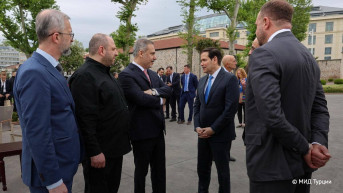
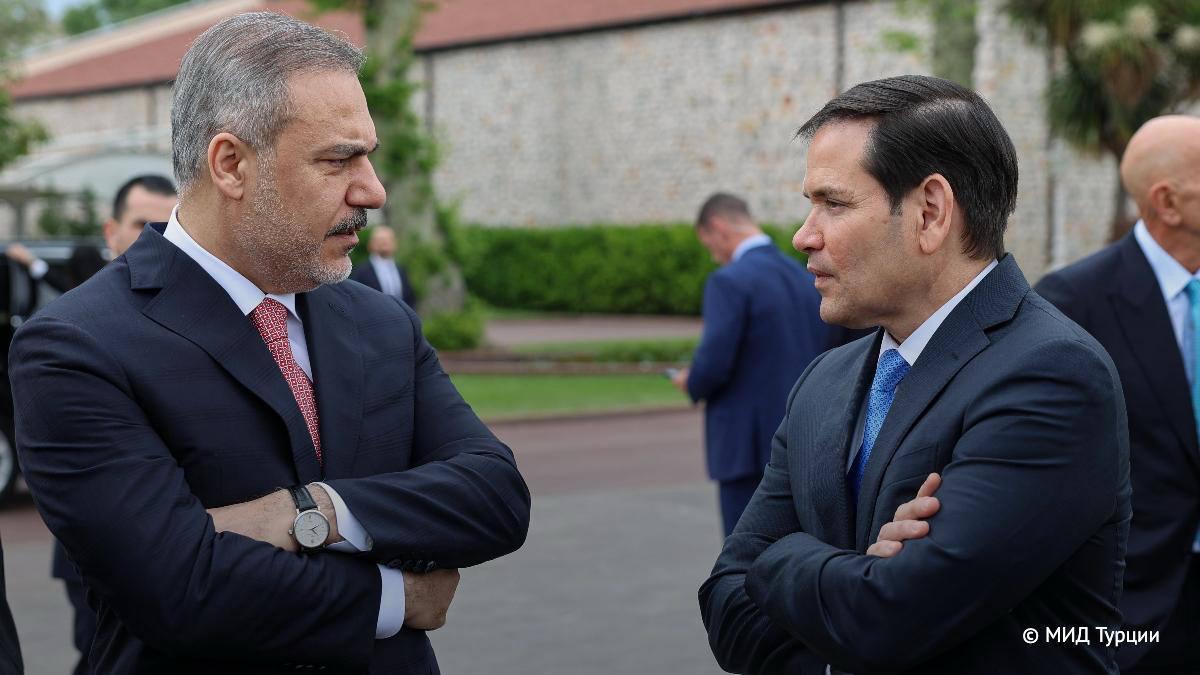
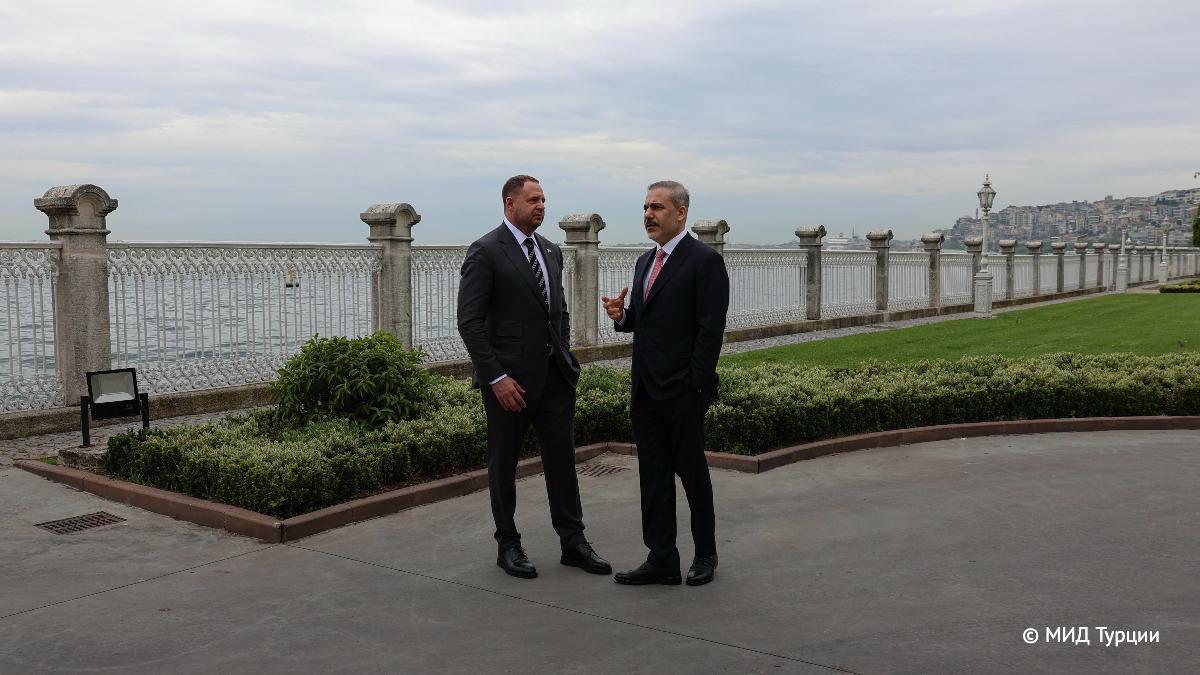
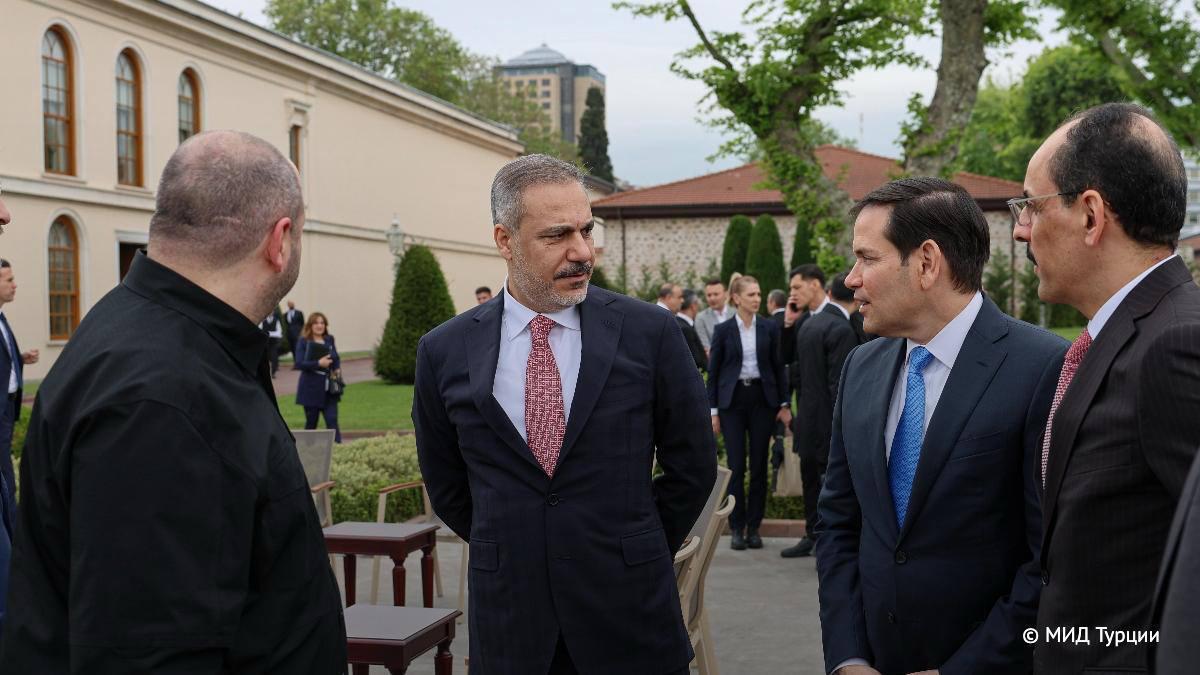
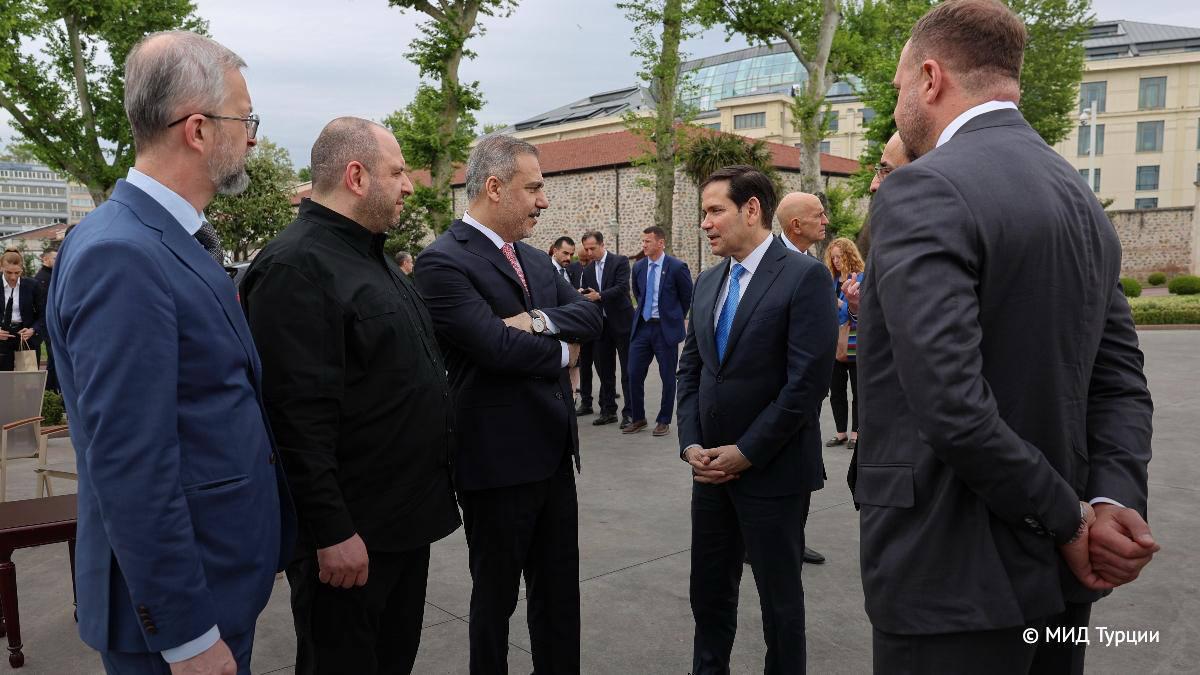
Under the auspices of Turkish President Recep Tayyip Erdoğan, the initiative for continued dialogue—originally launched by Russian President Vladimir Putin in 2022 but interrupted due to British pressure—has been revived in Istanbul. The meetings were held in the Dolmabahçe Palace, a magnificent Ottoman-era building that today serves as a symbol of modern Turkish diplomacy and a site of globally significant decisions in the past.
Behind closed doors and under tight security, a meeting was held between nine representatives of the Russian Federation and eleven Ukrainian negotiators. Though seemingly a technical detail, the numerical imbalance highlights the complexity of political decision-making on the Ukrainian side, which is subject to influence from multiple Western power centers. Even the shape of the negotiation table—modeled after the Cyrillic letter “П” (P)—reinforced the symbolism of a divided power dynamic.
Historically, the roundtable used in the 1699 peace talks in Sremski Karlovci between the Ottoman Empire and the Habsburg Monarchy marked the first use of such a symbol of equality in diplomacy. By contrast, the table in Istanbul clearly reflected the actual balance of power: the inner section was reserved for those capable of making decisions on global affairs, while the outer section was designated for those playing supporting roles, awaiting instructions and relaying messages.
Within this framework, Ukrainian President Volodymyr Zelensky once again found himself in a paradoxical role—formally a participant, but in essence a spectator. Encouraged by messages from Berlin, London, and Paris, Zelensky attempted to push for a direct meeting with Putin. That gesture, more theatrical than strategically grounded, laid bare the extent of his dependency on external mentors. Though intended as a show of strength, it more closely resembled a staged performance than genuine diplomacy.
Indeed, for a meeting between the two most responsible state leaders—Putin and Zelensky—to take place, a full diplomatic process must first unfold through their respective aides: consultations, definition of negotiation points, and agreement on a framework for a new compromise. Only after such preparatory steps could a potential Putin–Zelensky meeting, possibly in Istanbul, realistically be considered.


0 comments