
Gudzic: The Kosovo idea is a sleeping volcano that will inevitably awaken

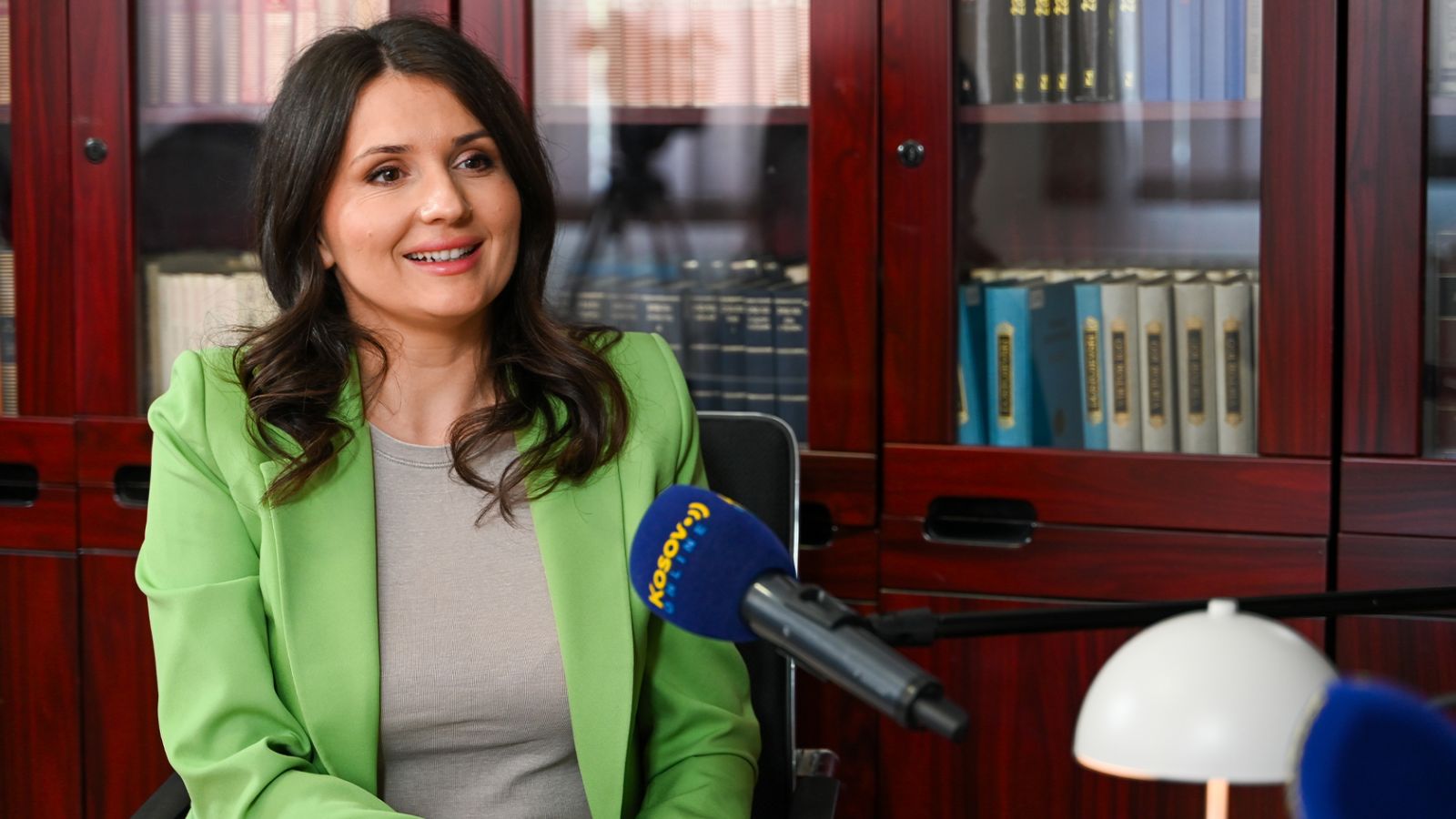
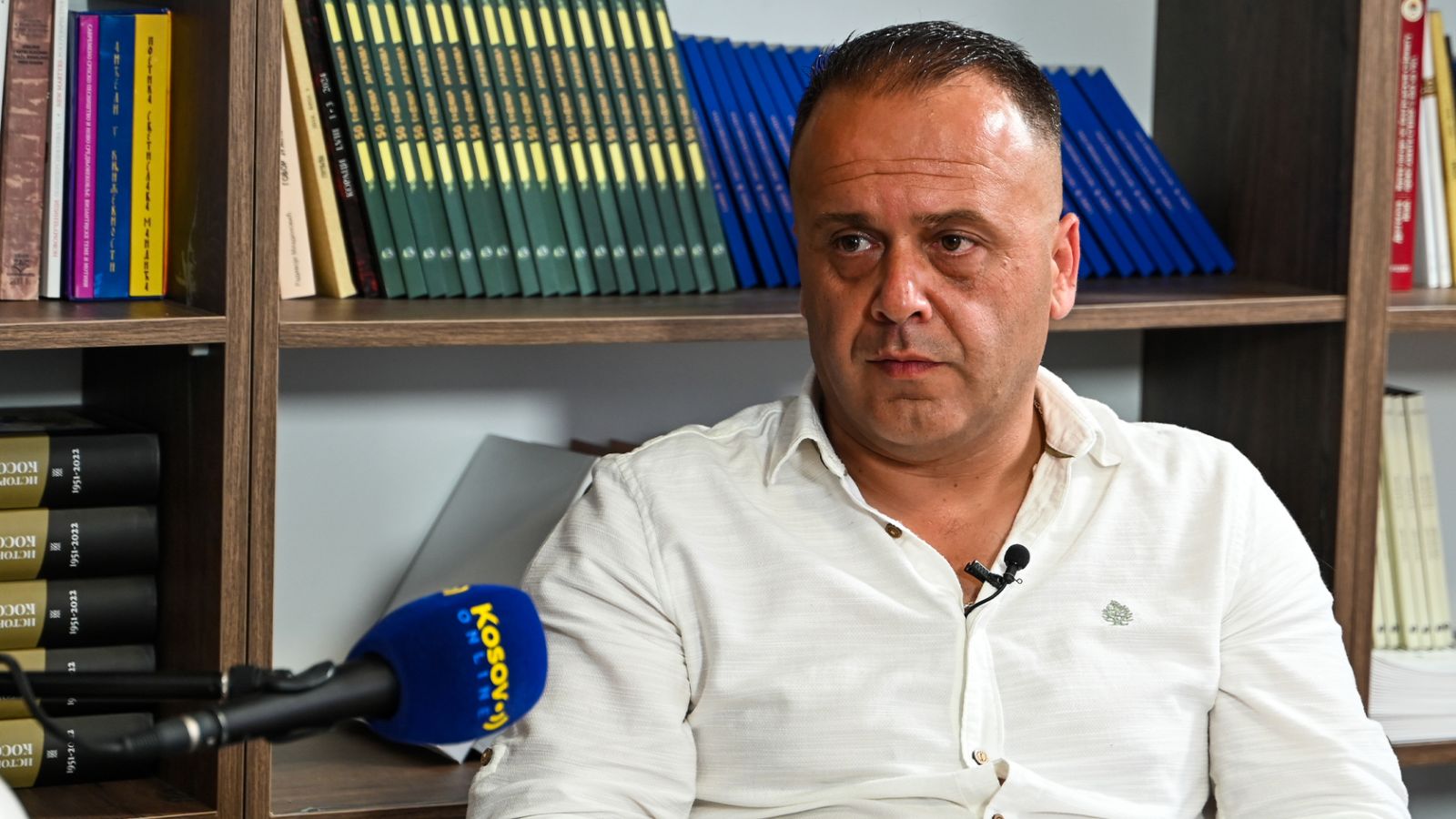
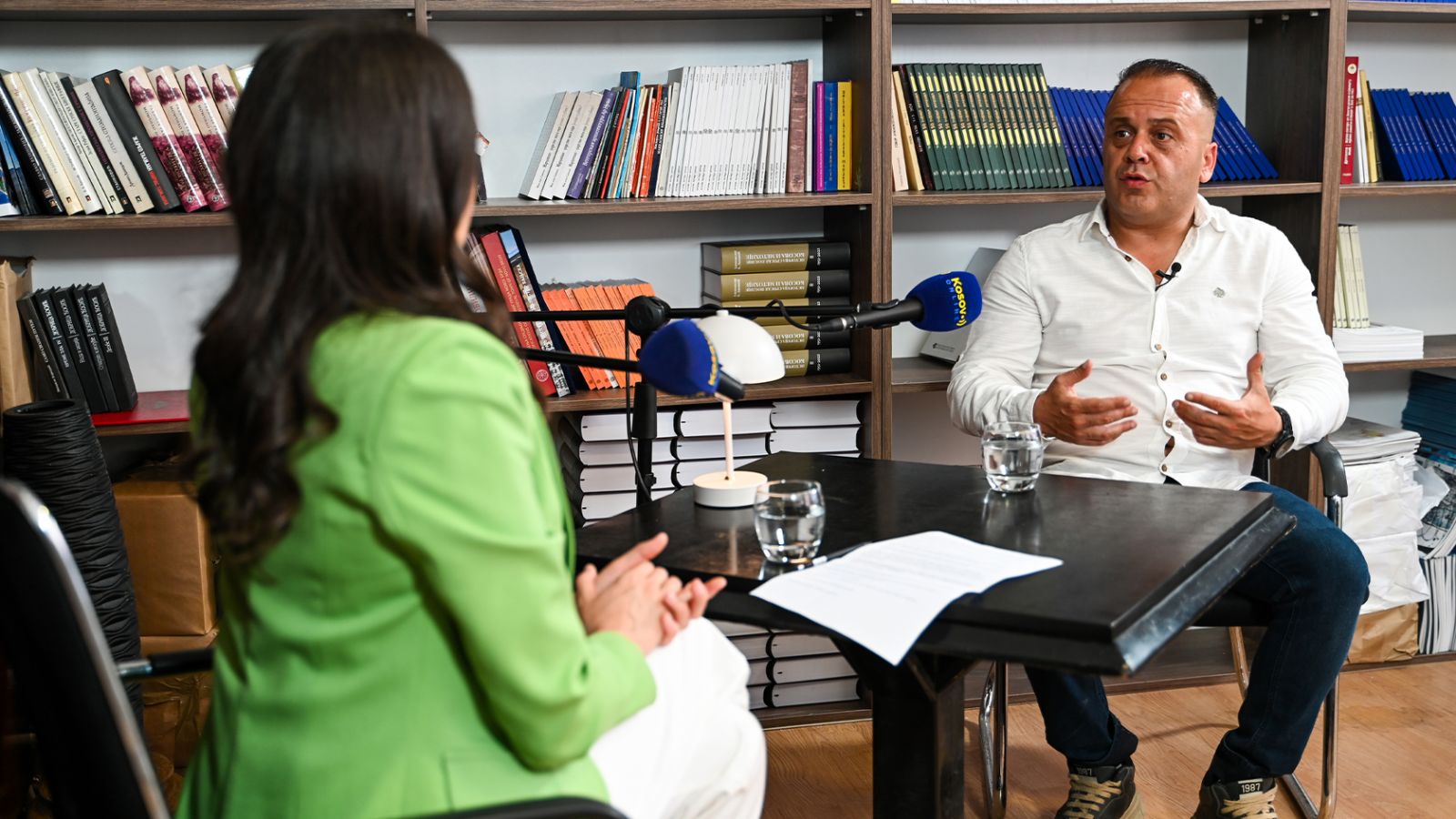
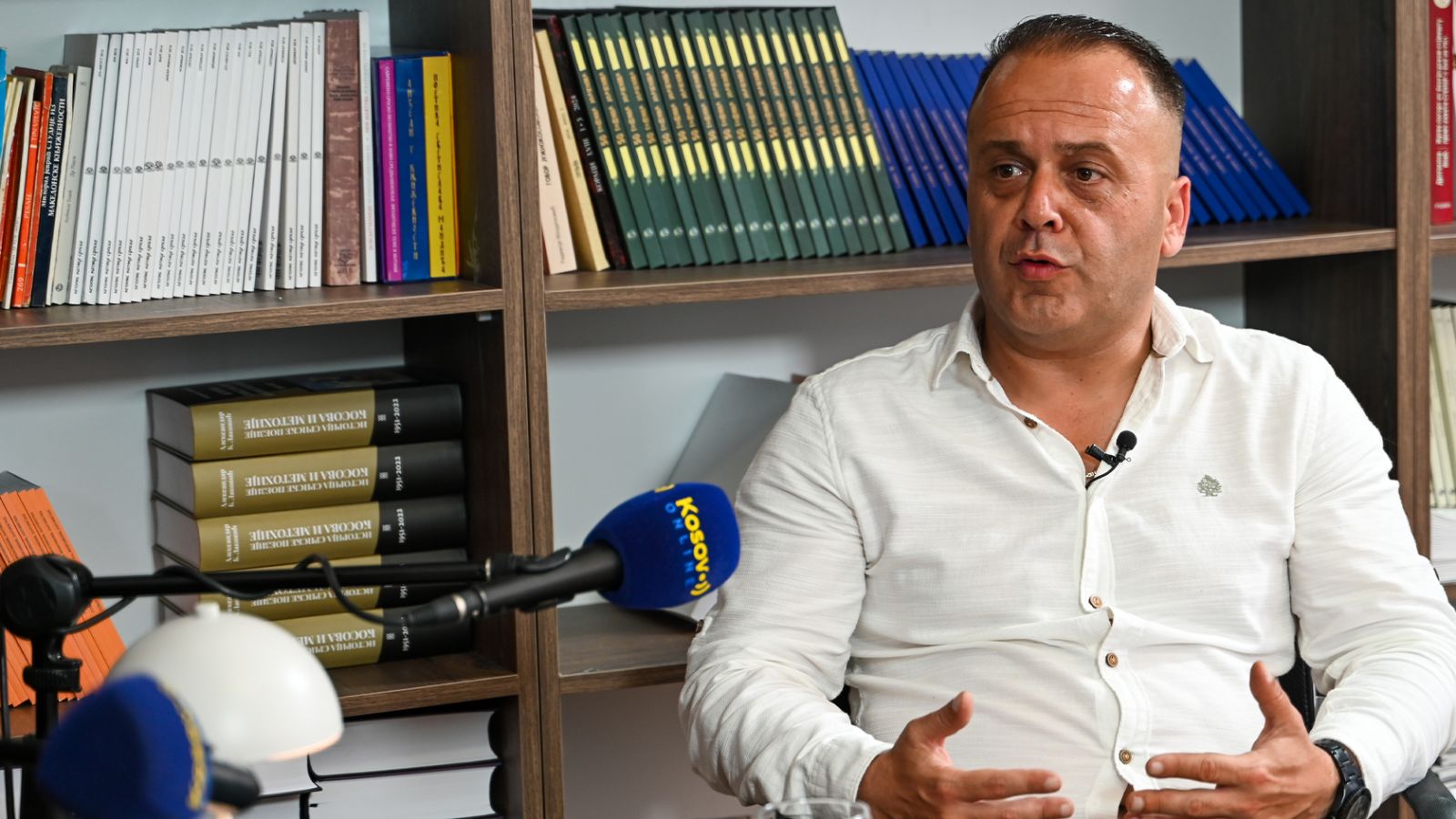
The Kosovo Covenant is part of the Serbian national identity and present among all Serbs, regardless of where they live, said historian Aleksandar Gudzic in the KOntekst podcast. He noted that, today, a prevailing view in parts of the public is that the Kosovo Covenant and the broader Kosovo idea are outdated. Well-meaning voices advise that Serbs should abandon their myths and legends, calling Kosovo a millstone around their neck. But, he pointed out, many nations were founded on myths, covenants, and legends.
“When we talk about conflicts over territories considered sacred—and Kosovo is sacred land for Serbs—we must keep in mind that such conflicts are long-lasting. In my opinion, Serbs only need one generation that will genuinely believe in the restoration of Serbian statehood in Kosovo, and it will happen. Time will reveal which generation that is. The Kosovo idea is like a dormant volcano—when it will awaken, we don’t know,” Gudzic said.
He emphasized that Serbs have celebrated the Battle of Kosovo for over 600 years and that its essence has remained unchanged.
“It’s been called differently in different periods—Kosovo myth, Kosovo ethic, Vidovdan myth, Kosovo covenant. If you ask me personally, the most appropriate term is Kosovo Covenant, which continues the Svetosavlje tradition. Both are rooted in choosing the heavenly kingdom—higher goals and ideals. Just as Saint Sava renounced the court and an easy life and chose a different path, so too did Prince Lazar choose a higher goal on the battlefield of Kosovo,” Gudzic explained.
He noted that national sentiment among Serbs peaks on Vidovdan but added that this is not exclusive to Serbs.
“What Vidovdan is for Serbs, Saint Patrick’s Day is for the Irish; for Hungarians, it’s the day of their defeat at Mohács and the end of their medieval power. Vidovdan is tied directly to the Battle of Kosovo in 1389—a battle that defined not only the fate but the very identity of the Serbian people. Through this battle, the Eastern power—the Ottoman Empire—broke the backbone of the medieval Serbian state. It marks the beginning of decline and later occupation by an eastern force,” said Gudzic.
He stressed that Vidovdan is not an anti-Albanian holiday, nor is the idea behind it directed against any nation.
“The problem for Albanians and the political elites ruling Kosovo today is the inability to prove continuity in this region. Until the late 19th and early 20th centuries, Serbs were the majority in today’s Kosovo. Due to various circumstances, Albanians became the majority during the 20th century—today, a massive absolute majority. Albanian elites resort to historical revisionism to justify everything that happened in the 20th century: the 1990s uprising, the expulsion of 250,000 Serbs, the destruction of over 150 churches and monasteries during the wars over Yugoslavia’s legacy, the 2004 pogrom, and the 2008 unilateral secession. This hypersensitivity from the provisional institutions in Pristina, and their irritation whenever Vidovdan is mentioned, must be viewed in this context,” Gudzic explained.
He added that this year’s Vidovdan is taking place amid elections and political and institutional crisis in Kosovo, and that the caretaker government may use the occasion to arrest or harass Serbs in order to gain political points.
“For the past twenty years—and especially the last five—Serbs in Kosovo and Metohija have been subjected to pressure and violence: legal, institutional, and at times physical. One can say that Serbs in Kosovo and Metohija are the most humiliated ethnic group in Europe in the 21st century. They are humiliated by Kosovo’s institutions, but also by the international community, which tacitly approves the Albanian majority’s violence. At the same time, the political elites of Kosovo Albanians have realized that violence pays—they have not been punished for any form of violence from 1999 to the present day. In the north, we are witnessing a kind of apartheid in Europe—people are arrested and detained, and heavily armed police officers, who by law should protect citizens, are there to intimidate them,” Gudzic said.




The historian from Gračanica believes that it is essential to "refresh" public awareness and educate ordinary people about the essence of the Kosovo Covenant, the Kosovo choice, and the Serbian national identity.
“Unfortunately, some media today present the Kosovo Covenant as something negative—as if Serbs are celebrating death and defeat. Meanwhile, in Albanian media, Vidovdan is often linked to Milosevic. Some analysts and historians even claim that the Battle of Kosovo was part of a broader Christian coalition against the Ottoman Empire in which Albanians played a major role—and in some versions, that they were the majority in that battle. This is an attempt, through media manipulation, to erase the Serbian character of the battle—and, ultimately, the Serbian character of Kosovo itself,” Gudzic warned.
In the spirit of the saying “on Vidovdan, everything becomes clear,” Gudzic said he hopes to see an end to institutional and ethnic violence, as well as a strengthening of the economic and demographic potential of Serbs in Kosovo. He called for both the Serbian state and the Serbs in Kosovo to focus on economic development to better withstand pressure from Pristina’s institutions.
In the podcast, he also discussed how Vidovdan was celebrated in different states where Serbs lived—from the Kingdom of Yugoslavia to the present day.
“In the interwar period, political elites in the Kingdom of Serbs, Croats and Slovenes (from 1929), and later the Kingdom of Yugoslavia, tried to promote integral Yugoslavism. In those discussions, the idea of the Kosovo Covenant was seen as a potential model for unifying all peoples of former Yugoslavia. However, the state didn’t last long enough for this idea to be realized—by 1941, World War II had begun, and by 1945 a new state and a new national concept had emerged,” Gudzic concluded.
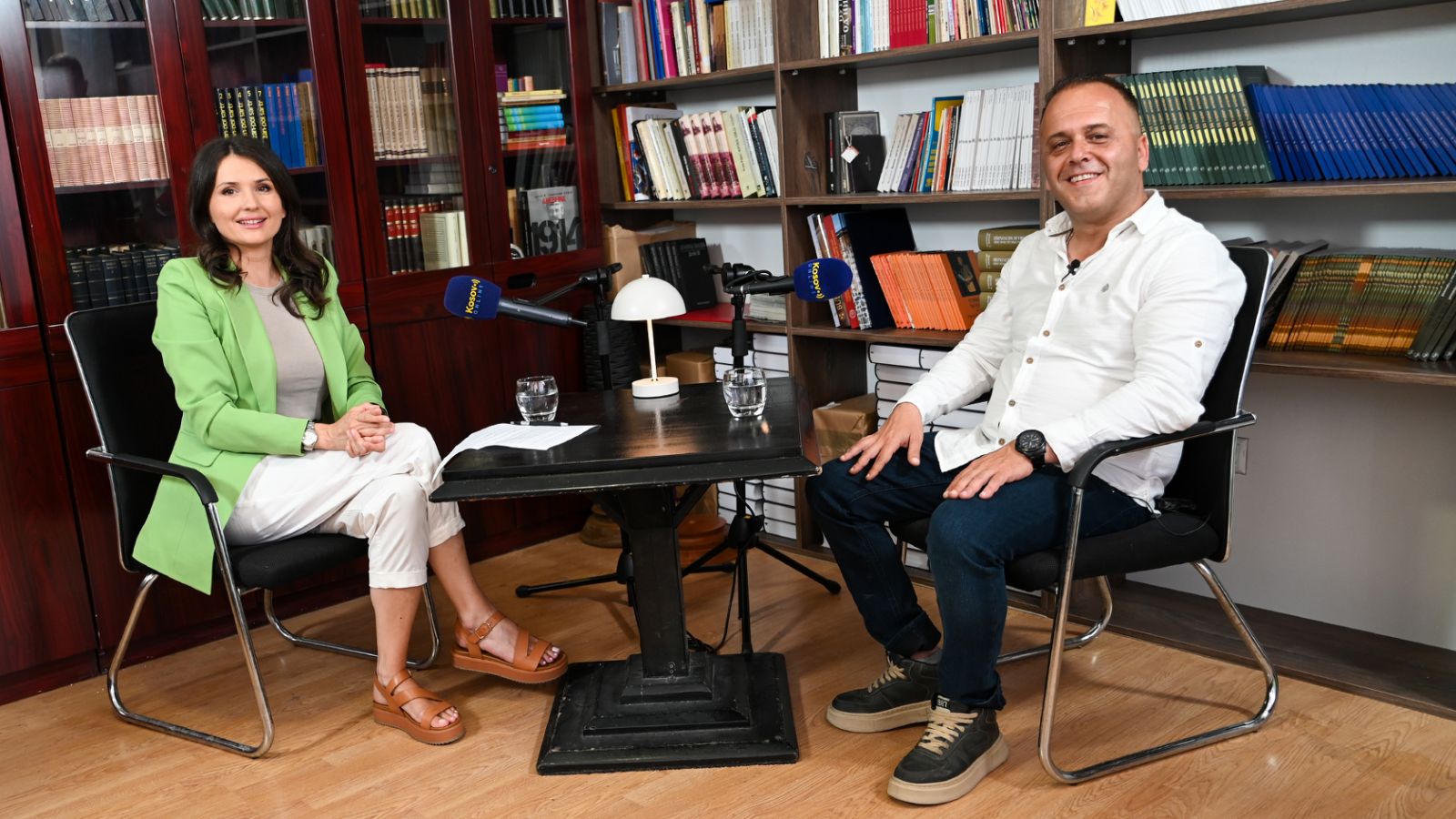
The full conversation between Aleksandar Gudzic and Dragan Biberovic is available in the accompanying video.



comments