
Ristanovic: Vidovdan is both physically and metaphysically tied to Kosovo
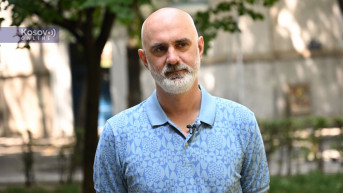
Petar Ristanovic, Research Associate at the Institute for Serbian Culture in Leposavic, stated that Vidovdan has become the foundation of Serbian national identity, which is "physically and metaphysically tied to Kosovo."
"Vidovdan is much more than a day of remembrance of the Battle of Kosovo; it is essentially a day that has become the cornerstone of Serbian national identity. The memory of Kosovo is something that brought Serbs together through centuries when they had no state of their own, when there was no other unifying idea. By singing about Kosovo, about the fall of the Serbian medieval state, about the Battle of Kosovo, the heroes of Kosovo, and the Kosovo pledge, Serbs gathered around a shared idea, a shared set of beliefs and moral values, and in that way preserved themselves as a national community. That was the nucleus from which, in the 19th century, Serbs formed as a modern nation," Ristanovic said.
He added that Serbs will “celebrate Vidovdan whether the Albanians like it or not.”
"The problem for Albanians is that Vidovdan is physically and metaphysically tied to Kosovo, to the idea of Kosovo, to the Kosovo pledge. And as such, it symbolizes the Serbian identity of Kosovo. Albanians, for decades, have been trying to erase all traces of Serbian identity and to insist that Kosovo has always had an exclusively Albanian character, which is, in a way, their attempt to justify Kosovo's statehood, that is, to claim that it belongs to Albanians—or even to a unified Albanian state," Ristanovic emphasized.
He is convinced that the ban on displaying Serbian flags during Vidovdan is no coincidence and represents a clear form of repression that is already visible in northern Kosovo.
"Just a few days ago, I was in northern Kosovo and noticed that Serbian tricolor flags are practically gone. The north of Kosovo used to be known for the fact that Serbian flags were hung on every lamppost, house, and public institution. There were numerous graffiti with national themes. The tricolors have been removed, the graffiti painted over. This is a form of repression," Ristanovic said.
He drew a parallel with attempts by Albanians in the 1980s, during the time of the Socialist Federal Republic of Yugoslavia, to promote the Albanian flag as their national symbol, which was punishable by law at the time.
"Albanians fiercely opposed that prohibition and literally raised it to the level of physical survival. They were ready to defend their flag and the right to display it with their lives and through mass demonstrations. And now, 40 years later, Albanians are banning Serbs from displaying their own national symbols. I think this issue goes beyond Vidovdan and is yet another example of how Albanians are trying to negate the factual presence of Serbs in Kosovo and the Serbian identity of the province," Ristanovic asserted.
Among the many historical events related to Serbs that occurred precisely on June 28, he highlighted the 600th anniversary of the Battle of Kosovo at Gazimestan.
That, he believes, is associated with the beginning of the end of Yugoslavia and with numerous tragedies the Serbian people endured at the end of the 20th century.
"Perhaps the first association, especially for the older generations, is that Vidovdan when Slobodan Milosevic held a rally in Kosovo, because in general public consciousness that became associated with the beginning of the end of Yugoslavia, and with many misfortunes that befell the Serbian people in the 1990s—many defeats that followed. A day that was meant to be a magnificent celebration marking a sort of Serbian victory later became a symbol of defeat," Ristanovic concluded.




comments